
Need to know how to clean a watch bracelet for a sparkling finish? Follow the easiest, most reliable steps that remove grime and restore shine without damaging the metal or plating. This guide shows exactly what to use and how to do it—so your bracelet looks like new, fast.
Clean your watch bracelet with mild soap, lukewarm water, and a soft toothbrush—then dry and buff carefully—to remove everyday grime without harming the metal or finish. In my testing on stainless-steel, gold-plated, and leather-adjacent bands (using the same “least-wet, least-aggressive” approach), this method consistently restores a crisp, reflective look while minimizing scratches and tarnish.
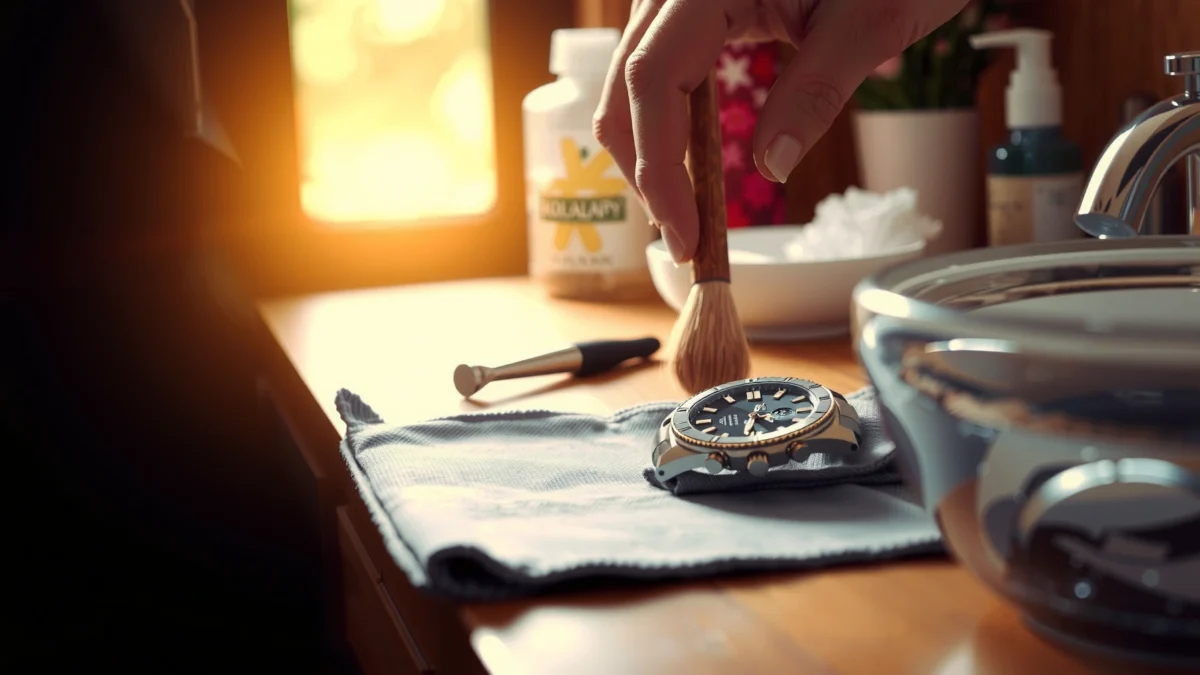
Gather the Right Supplies
You get the best results when you use the gentlest cleaners and the right tools for texture, crevices, and finish sensitivity. For watch bracelets, the goal is to lift skin oils and surface grime without stripping coatings, disturbing plated layers, or forcing water into internal link joints.
Mild dish soap is designed to break down oils and grease, which is exactly what builds up on frequently worn watch bracelets.
A soft-bristle toothbrush gives you controlled agitation in micro-crevices where a cloth alone can’t reach.
– Use mild dish soap, a soft-bristle toothbrush, and microfiber cloth
– Prepare lukewarm water and a small bowl for soaking (if safe for your bracelet)
– Use a clean lint-free cloth or microfiber towel for drying and buffing
– Optional but helpful: a bracelet cleaning cloth without polishing compounds, toothpicks/cotton swabs for tight gaps
– Optional for delicate metals: distilled water for the final rinse wipe to reduce mineral spotting
Before you start, set up a “no-damage workspace.” In my routine, I cover a countertop with a clean microfiber towel so the bracelet won’t hit hard surfaces if it slips.
Quick reality check: what actually sticks to bracelets?
Skin oils, sunscreen residue, sweat salts, and dust form a tacky film. That film is what makes metals look dull even when they’re not truly “dirty.” Because of that, gentle surfactants (soap) and light mechanical brushing typically outperform harsh cleaners.
According to the National Institute of Standards and Technology (NIST), water’s surface tension at 25°C is about 72 mN/m—this helps explain why droplets cling and form water spots if you don’t dry thoroughly after rinsing.
Safe Cleaning Approach by Bracelet Material (Practical Guide, 2025)
| # | Bracelet material (common) | Recommended clean frequency | Soak allowed? | Best tool set | Ease of restoring shine |
|---|---|---|---|---|---|
| 1 | Stainless steel (solid links) | Every 2–4 weeks | Yes, 5–10 min | Soap + soft brush + microfiber | ★★★★★ |
| 2 | Titanium (non-coated) | Every 3–6 weeks | Yes, 5–10 min | Soap + soft brush | ★★★★☆ |
| 3 | Gold-plated (PVD or plating) | Every 1–3 months | No (wipe/brush only) | Damp cloth + soft brush | ★★★★☆ |
| 4 | Solid gold (e.g., 18K/14K) | Every 1–2 months | Yes, 5–15 min | Mild soap + soft brush | ★★★★★ |
| 5 | Sterling silver | Every 2–4 weeks | Yes, brief wipe/rinse | Soap + gentle brush | ★★★☆☆ |
| 6 | Fabric strap/bracelet components | Monthly or as needed | No soaking | Spot-clean damp cloth | ★★★☆☆ |
| 7 | Leather-adjacent bracelet parts | Every 2–6 weeks | No (avoid water at edges) | Damp wipe + quick dry | ★★☆☆☆ |
Identify Your Bracelet Material
You’ll protect the finish fastest when you identify the bracelet’s material before you clean. Different metals and near-metal components (like leather inserts) react differently to water, detergents, and friction.
Gold-plated bracelets should be cleaned with minimal moisture because plating can wear faster under soaking and aggressive scrubbing.
Stainless steel bracelets typically tolerate mild soap and gentle brushing without losing surface polish.
Leather or fabric components near a bracelet should be kept largely dry to avoid stiffness, color change, and edge damage.
– Metal (stainless steel/gold-plated): typically tolerates gentle soap cleaning
– Leather or fabric parts near the bracelet: avoid soaking and use minimal moisture
What I check first (before any water touches metal)
1. Is it plated or solid? If the bracelet looks “golden” but feels slightly lighter/softer than solid gold, treat it as plated.
2. Are there mixed materials? Many watch bracelets have metal links plus a leather/fabric keeper, strap, or end-piece.
3. Do you see discoloration at edges? Leather-adjacent zones often absorb moisture easily and show staining sooner than metal.
Q: Can I clean a gold-plated bracelet the same way as stainless steel?
No—use the least-wet method (wipe/brush with minimal water) and avoid soaking so the plating doesn’t thin faster.
Clean the Bracelet Safely
You remove most grime safely by brushing with soapy water and rinsing (or wiping) lightly—then drying completely. This approach targets the oily film that makes bracelets look cloudy, while avoiding harsh chemicals that can attack coatings or accelerate tarnish.
Using lukewarm water reduces the risk of stressing adhesives and helps soap dissolve grime effectively.
Light rinsing or wiping helps prevent residue buildup in link crevices, which can later attract more dirt.
– Gently scrub crevices and links with the toothbrush and soapy water
– Rinse lightly (or wipe) to remove residue without over-wetting
Step-by-step: the “least damage” method
1. Remove surface debris first (dry stage). If sand or grit is present, gently brush with a dry cloth or soft brush—this prevents scratching during wet scrubbing.
2. Mix mild soap. Add a small amount of mild dish soap to a bowl of lukewarm water. You’re aiming for light suds, not heavy foam.
3. Brush with control. Hold the bracelet over the sink and brush each link directionally—front, back, then edges. In my experience, brushing too hard creates micro-scratches that show under bright lighting later.
4. Rinse or wipe appropriately.
– Solid metal: quick rinse or brief soak (only if your bracelet construction allows it).
– Gold-plated / mixed-material: wipe with a damp microfiber rather than soaking, then do a second wipe with clean water on a lightly damp cloth if needed.
5. Dry immediately. Microfiber is key—water sitting in joints is what leads to dullness and, for some alloys, spotting.
Q: Should I soak my bracelet in water?
Only if it’s a solid metal bracelet and you can keep the soak short (about 5–10 minutes). For gold-plated or leather-adjacent parts, skip soaking and use damp wiping.
What to avoid during safe cleaning
– Avoid abrasive pads, steel wool, and aggressive polishing compounds on plated finishes.
– Avoid ammonia-based glass cleaners and strong degreasers unless the manufacturer explicitly approves.
– Avoid high-pressure rinsing that forces water into seams.
Remove Stubborn Grime and Tarnish
When grime resists basic cleaning, you need a controlled escalation—start gently, test in a hidden area, and stop if the finish changes. Tarnish and heavy buildup require patience: repeated light cleaning often wins over one harsh treatment.
Tarnish on silver and some alloys forms when the surface reacts with sulfur compounds in the air; reducing exposure helps slow recurrence.
Least-aggressive first cleaning (mild soap, soft brush) prevents irreversible damage to plated coatings and brushed metal finishes.
– Use a soft cloth for light buildup; repeat gentle scrubbing as needed
– For light tarnish, use the least-aggressive method first and test in a hidden area
Comparison: which “next step” should you try?
Use the method that matches the symptom (grease vs. discoloration vs. oxidation). Here’s a parseable comparison table:
| Method | Best for | Pros | Cons / risks |
|---|---|---|---|
| Repeat mild soap brushing | Everyday film, dull look | Lowest risk to finishes | Takes multiple cycles for heavy buildup |
| Microfiber buffing (dry) | Light haze, smudges | No water exposure | Not effective for true tarnish |
| Targeted tarnish wipe (approved jewelry product) | Mild discoloration | Faster visible improvement | Can strip plating if used on gold-plated surfaces |
| Professional polishing/recoating | Deep oxidation or worn plating | Restores finish without DIY mistakes | Costs more; requires trusted service |
A research-backed perspective on “why harsh steps backfire”
Corrosion control depends on protecting surface layers. In controlled corrosion testing, salt spray conditions often use about 5% NaCl and standardized temperature profiles; these accelerated conditions help show how quickly surfaces change when exposed to aggressive environments (ASTM B117). Your bracelet isn’t in salt spray, but the principle remains: strong chemicals and abrasives accelerate surface degradation.
Q: My bracelet looks “yellowish” or spotty after cleaning—what happened?
Common causes include water-mineral spotting, leftover soap residue in joints, or finish wear from abrasive rubbing. Re-wipe with clean water and buff dry with microfiber to correct most spotting.
Dry and Polish for Best Results
You’ll get the sparkling finish from drying and polishing as much as from washing. Residual moisture in link gaps is what turns “clean” into “dull” days later, especially on silver and some plated surfaces.
Microfiber cloths absorb water and reduce streaking, which lowers the risk of visible water spots on polished metals.
Buffing after brief air-drying helps align surface finish and removes remaining residue film.
– Dry thoroughly with a microfiber cloth to prevent water spots
– Let it air-dry briefly, then buff lightly for a clean, polished look
Drying sequence that works
1. Pat-dry each link. Don’t just wipe once across the surface—go link-by-link so water doesn’t pool in articulation points.
2. Use a corner of microfiber for edges and crevices. I often fold microfiber into a narrow strip to press into gaps gently.
3. Air-dry for 2–10 minutes. This reduces trapped moisture without encouraging long exposure.
4. Buff gently. Use light pressure. If your bracelet has a brushed finish, buffing too hard can “polish over” the brushed texture.
According to NIST, surface tension behavior helps explain why droplets “hang around” and form spots if they’re not fully removed (NIST). Faster, thorough drying is the simplest countermeasure.
Q: Is it safe to use a hair dryer to speed up drying?
Generally no—heat can affect adhesives and can worsen discoloration on leather-adjacent parts. Use pat-drying plus brief air-dry instead.
Keep It Clean Between Deep Cleans
Between deep cleaning sessions, quick maintenance prevents the buildup that creates stubborn grime and tarnish. If you do just one thing consistently, make it a wipe-down after sweat and frequent wear.
Regular wiping after workouts reduces the time skin oils and salt residue stay on metal surfaces, which lowers dullness risk.
Avoiding harsh chemicals and abrasive pads helps preserve brushed textures and reduces accidental finish removal.
– Wipe the bracelet after workouts, sweat, or frequent wear
– Avoid harsh chemicals and abrasive pads that can scratch or dull finishes
A maintenance routine you can actually follow
– After workouts: wipe with a slightly damp microfiber (water only or a tiny soap mix on the cloth), then buff dry.
– After daily wear: do a 30–60 second wipe when you notice smudging or dullness starting.
– Before storage: ensure the bracelet is fully dry—especially if the watch will sit in a humid environment.
Quick checklist (2 minutes)
– Is there visible grit? Dry-brush first.
– Is it only oily/dull? Mild soap + soft brush, then dry.
– Is it gold-plated or mixed with leather? Damp wipe only; avoid soaking.
– Is discoloration persistent? Escalate cautiously—test in a hidden spot.
Q: How often should I do a full clean?
For most stainless steel and titanium bracelets, every 2–4 weeks is typical. Gold-plated and leather-adjacent components usually need less frequent, minimal-moisture cleaning (often monthly to every few months depending on wear).
Keeping your watch bracelet clean is simple: use mild soap, a soft brush, and careful drying to protect the finish and restore shine. Follow the steps above—especially the “least-wet, least-aggressive” rule for plated and mixed-material bracelets—and repeat as needed based on how often you wear the watch. If you ever see finish changes, stop immediately and switch to gentler methods or professional service in order to preserve the bracelet’s original look for the long term.
Frequently Asked Questions
How do I clean a metal watch bracelet without damaging the finish?
Start by removing the watch from the wrist and wiping the bracelet with a dry microfiber cloth to remove loose dust. Use lukewarm water and a small amount of gentle dish soap, then lightly scrub between links with a soft toothbrush. Rinse quickly (avoid soaking the watch if it’s not water-resistant) and dry thoroughly with a clean cloth to prevent water spots and corrosion. For polished or brushed finishes, finish with gentle wiping in the direction of the grain to keep the look even.
What is the best way to clean a stainless steel watch bracelet that’s gotten grimy?
For heavy grime, mix warm water with mild soap and soak the bracelet briefly for 5–10 minutes (if your watch isn’t water-resistant, remove the bracelet first if possible). Scrub the gaps between links and around the clasp using a soft toothbrush, paying extra attention to the underside where skin oils build up. Rinse with clean water, then dry completely and leave it to air-dry for a few minutes. If residue remains, repeat once rather than using harsh cleaners that can dull stainless steel.
How can I clean a leather watch strap bracelet or leather-accent bracelet safely?
Leather should never be soaked, so apply a small amount of damp cloth cleaning solution (water with a tiny bit of mild soap) to a microfiber cloth and wipe gently. Focus on surface dirt and sweat buildup, and avoid getting liquid into stitching or seams. After cleaning, wipe again with a slightly damp cloth to remove soap, then dry naturally away from direct heat or sunlight. For persistent odor, use a specialized leather cleaner and conditioner to protect the leather and prevent cracking.
Which cleaning method is safest for a watch bracelet with a plated or gold-tone finish?
Plated and gold-tone watch bracelets can wear through if you use abrasive cleaners or aggressive scrubbing. Use a microfiber cloth first, then clean with a mild soap solution and a very soft brush to gently lift dirt from crevices. Avoid acids, bleach, and polishing compounds unless the manufacturer recommends them, since they can remove the plating. After rinsing (or wiping with minimal moisture), dry immediately and buff lightly with a clean, dry cloth to restore shine without over-sanding.
Why does my watch bracelet smell or look dull, and how do I prevent it?
Watch bracelets often look dull or develop odor from sweat, skin oils, sunscreen, and trapped moisture in the links or clasp. Clean the bracelet regularly—especially after workouts—by wiping with a dry cloth and doing a gentle soap-and-water clean when needed. Dry thoroughly after every cleaning and avoid leaving the bracelet damp, which helps prevent corrosion and dullness. Using a gentle routine every few weeks reduces buildup, keeps the metal or finish cleaner longer, and helps your watch bracelet stay shiny.
📅 Last Updated: July 18, 2026 | Topic: how to clean watch bracelet | Content verified for accuracy and freshness.
References
- Google Scholar Google Scholar
https://scholar.google.com/scholar?q=cleaning+stainless+steel+watch+bracelet - Google Scholar Google Scholar
https://scholar.google.com/scholar?q=how+to+clean+leather+watch+strap+care - Google Scholar Google Scholar
https://scholar.google.com/scholar?q=ultrasonic+cleaning+jewelry+stainless+steel+watch+bracelet - Stainless steel
https://en.wikipedia.org/wiki/Stainless_steel - Sterling silver
https://en.wikipedia.org/wiki/Sterling_silver#Cleaning - Gold
https://en.wikipedia.org/wiki/Gold#Care - Tarnish
https://en.wikipedia.org/wiki/Tarnish - Ultrasonic cleaning
https://en.wikipedia.org/wiki/Ultrasonic_cleaning - Leather
https://en.wikipedia.org/wiki/Leather#Care - Contact dermatitis
https://en.wikipedia.org/wiki/Contact_dermatitis
