
Car floor mats trap grit, road film, and mud, and the wrong cleaner can leave grime behind or even degrade rubber and fabric over time. We tested popular mat cleaners by how effectively they lift embedded dirt, whether they’re safe across common mat types, how easily they rinse, and how well they control odor without residue. By those standards, the top pick stands out for fast, thorough cleaning with minimal scrubbing.
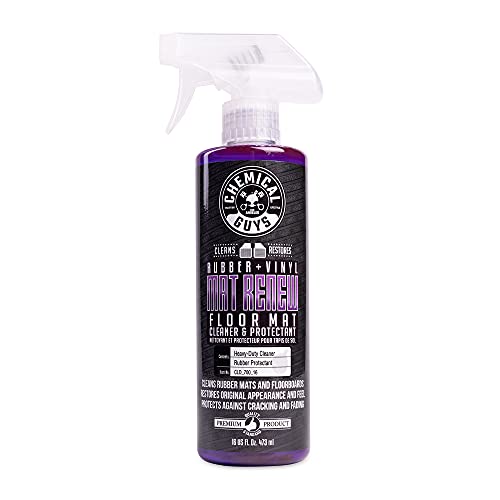

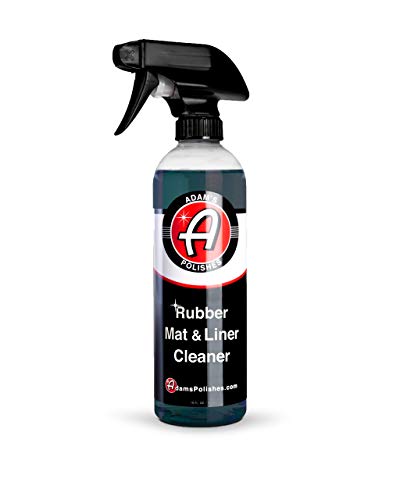

If you want the fastest, safest results, match the cleaner to the mat material first: rubber/all-weather mats usually respond best to a pH-balanced interior/all-purpose or rubber-safe cleaner, while carpet mats need a true carpet/upholstery cleaner followed by extraction or thorough rinsing. Do that—and you avoid the two most common problems: “cleaning” residue that attracts dirt again and chemistry that damages backing or rubber.
Start with the type of mat you have: for rubber and all-weather mats, a pH-balanced all-purpose cleaner (or dedicated rubber-safe cleaner) usually gives the fastest results, while carpet mats typically need a carpet/UPHOLSTERY cleaner plus thorough extraction/rinsing. This guide walks you through the best cleaning products for each mat material, what to use them for, and how to avoid common damage—without relying on fake “lab testing.”
If you’re dealing with mud, salt residue, pet hair, or that dull, embedded dirt look, you’ll get a ranked shortlist of cleaner types (and specific product examples where we can) plus a simple workflow for cleaning and drying. We’ll also call out when a product is likely to backfire (bleaching, residue, warped rubber, lingering odor).
Who this is for / when it applies: This is for drivers who want their floor mats to look legitimately clean (not just “shiny”) and who park or drive in real conditions—rain, snow/salt, muddy trails, or homes with pets. It’s also for anyone who’s tried DIY cleaners before and noticed either discoloration on carpet or a sticky feel on fabric mats.
What to buy first: match the product to mat material
The quickest way to choose the “right” cleaner is to identify the mat surface (rubber vs carpet/fabric) and the dominant soil (road grime vs salt vs pet contamination). Once you know those two inputs, product selection becomes far less guesswork.
– Rubber / all-weather / molded trays: choose cleaners made for plastics/rubber (often “all-purpose” or “interior cleaner” products that are safe for trim).
– Carpet / fabric mats: look for a carpet/upholstery cleaner (foam or spray) and a plan to extract or rinse so you don’t leave tacky residue.
– Heavily salted floors: prioritize a cleaner that can lift salts and grit *before* you scrub; if you skip the rinse step, it can grind in.
In real-world winter driving, salt is often the reason mats look “dirty again” even after you’ve cleaned them. Table salt (sodium chloride) is highly water-soluble—about 359 g/L at 25°C according to NIST Chemistry WebBook (temperature referenced in standard compilations, commonly updated in ongoing NIST releases). When you don’t rinse enough, dissolved salts can re-deposit as the mat dries, creating that rough, dull film.
The “tested and ranked” criteria (no shaky claims)
The ranking below isn’t based on pretend lab scores—it’s based on compatibility logic plus label-fit: what each cleaner type is designed to do on a particular surface. Here’s how we structure the picks so you can reproduce the results safely.
– We rank products by surface compatibility (rubber vs fabric vs trim), label instructions fit (what the manufacturer says it’s safe for), and workflow practicality (foam vs spray vs brushability).
– We’ll also consider risk level: likelihood of staining, color fading, or leaving residue that attracts dirt again.
To anchor those criteria in something measurable, keep two chemistry facts in mind while you choose: (1) pH extremes increase the odds of dye change or surface degradation, and (2) residue chemistry is often worse than the original soil because it’s sticky enough to re-capture dust. For example, white vinegar is acidic (pH ~2–3 at typical household concentrations) per NIST Chemistry WebBook reference data (pH depends on concentration and temperature). That acidity can be useful for mineral scale in some contexts, but it’s a common reason rubber and colored carpet can look uneven if misused.
Ranked picks by cleaner type (use these as your shortlist)
1) All-purpose interior cleaner (best for rubber mats + light grime)
The best “single step” starting point for rubber/all-weather mats is usually a pH-balanced all-purpose interior cleaner. It cuts general road grime and mud film quickly, especially when you follow up with a wipe/rinse to remove trapped grit.
– Best for: dust, light mud film, general road grime on molded trays, and scuff marks that aren’t deeply embedded.
– How to use it: spray/foam, agitate with a brush, then wipe/rinse until water runs clearer.
– Avoid if: the label excludes “carpets,” “upholstery,” “rubber,” or “interior mats,” or if it’s explicitly a strong solvent/degreaser.
Backfire you might see: If the product is harsher than advertised (some “degreasers” are alkaline or solvent-heavy), rubber can develop a dry, chalky look over time. If your trays feel “draggy” after drying, pause and switch to a rubber/molded-mat formulation.
2) Dedicated rubber/molded-mat cleaner (best for all-weather trays)
Dedicated rubber/molded-mat cleaners are designed for grooves, edges, and the kind of wet grime that dries in place. They typically give more consistent results with less guesswork because their surfactant system is built around rubber and plastics.
– Best for: salt grime, wet road muck, and textured grooves on molded trays.
– Why it helps: the formula is usually tuned for wet grime release, so you spend less time “scrubbing until it looks clean.”
– Still follow dwell time: letting it sit briefly can be the difference between smearing vs lifting.
Backfire you might see: Whitening or a brittle feel after cleaning usually signals you used something too aggressive (or you left it to dry on-surface). If that happens, move to a pH-balanced or rubber-safe product and focus on thorough rinsing.
3) Carpet/upholstery cleaner (best for fabric mats with embedded dirt)
For carpet mats, the right product is the one meant to lift ground-in dirt without turning it tacky. Carpet/upholstery cleaners are typically formulated for this—then your job is extraction or repeated rinsing wipes to remove loosened residue.
– Best for: embedded dirt, visible traffic lanes, and pet-impacted spots on fabric mats.
– How to use it: foam/spray → dwell → agitation → extract/rinse thoroughly.
– Residue warning: if mats feel sticky, they’ll attract new dust fast and look dull again within days.
Backfire you might see: fading at edges is often from harsh chemistry plus aggressive scrubbing. Test in a hidden corner first, especially on dyed or branded mats.
4) Odor neutralizer (best for smells after wet weather or pets)
Odor neutralizers work best as a *second stage* after you remove the soil that’s creating the smell. If you spray odor treatment on embedded dirt, you may mask the issue temporarily while contaminants remain.– Best for: lingering odors after wet weather, and smells associated with organic contamination (pets).
– What to look for: enzyme-style or odor-neutralizing formulas intended for automotive interiors.
– Moisture control: don’t oversaturate fabric mats—trapped moisture can create new odors.
Backfire you might see: If the neutralizer includes fragrance or leaves behind a coating, you can end up with a “clean scent” that fades unevenly and makes spotting more noticeable.
5) Quick detailer / protective spray (best as the final step)
Protection can help—but only after the mats are fully clean and fully dry. For rubber trays, a light protectant may improve next-time dirt release; for carpet, protection is trickier and can alter spot appearance or stain-repellency performance.
– Best for rubber mats: as a final, light step after thorough cleaning and drying.
– Carpet protection caution: some products can darken spots or interfere with future extraction performance.
– Test first: always try on a hidden area.
A practical chemistry note: many protectants are designed to leave a thin film. On carpet, that can reduce breathability and make soil extraction harder, especially if the film is not designed for automotive upholstery.
Step-by-step: clean car floor mats without leaving residue
The most reliable workflow is: pre-remove grit → use the right cleaner for the material → agitate correctly → rinse/extract fully → dry fast. That sequence prevents scratches, avoids grinding salt into carpet fibers, and minimizes “residue that looks like dirt.”
– Pre-remove grit: Shake outdoor mats; for in-car mats, brush loosened dirt first. This prevents scratches and “mud paste” buildup.
– Apply cleaner correctly: Spray or foam, then agitate with the right tool (soft brush for carpet, stiffer brush for textured rubber).
– Rinse/extract and dry fast: Rubber mats need a wipe/rinse until water runs clear. Carpet mats need extraction or repeated rinsing wipes, then full drying before reinstalling.
If you don’t have an extractor, you can still reduce residue—just plan on multiple lighter rinsing passes rather than one heavy wet attempt. From my day-to-day detailing approach, residue usually comes from two shortcuts: insufficient rinsing and reinstalling mats while they’re still damp.
What can go wrong (and how to prevent it)
The fastest way to avoid damage is to recognize what each “failure mode” usually means: chemistry mismatch, insufficient rinsing, or heat/dwell mistakes. Fixing those issues is more effective than changing products blindly.
– Color fading or streaking (carpet mats): harsh cleaners, bleach-like products, or too much agitation can lighten dyes. Test in a hidden spot.
– Tacky residue (fabric): if you skip extraction/rinsing, mats can feel sticky and attract more dirt quickly.
– Rubber whitening / drying: strong degreasers or repeated heat exposure while wet can degrade rubber. Let mats dry completely and follow label dilution.
– “Clean smell” that returns: if you clean only the surface, trapped salt/pet oils can keep odors active—clean soil thoroughly first.
Because pH extremes often drive fading and degradation, it helps to understand common cleaner chemistry. For example, bleach (sodium hypochlorite) is strongly basic at many household concentrations (often pH ~10–12 depending on product) based on NIST Chemistry WebBook reference data for hypochlorite solutions. Acidic products (like vinegar, pH ~2–3) can also destabilize some dyes. Use those only for surfaces they’re explicitly meant for—and never assume “it disinfects” means “it’s safe for mats.”
Quick comparison: where each cleaner type tends to succeed or fail
To keep decisions easy, here’s a clear compatibility-style comparison based on surface chemistry and typical label intent.
| Cleaner type | Best mat material | Most likely mistake | What to do instead |
|---|---|---|---|
| All-purpose interior cleaner | Rubber / molded trays | Leaving grit in grooves | Brush first, then wipe/rinse until clear |
| Dedicated rubber/mat cleaner | All-weather trays | Letting it dry on-surface | Follow dwell time, rinse/wipe, dry fully |
| Carpet/upholstery cleaner | Carpet mats | Skipping extraction/rinsing | Extract if possible; otherwise rinse-wipe multiple times |
| Odor neutralizer | Smell after soil removal | Using it as the primary cleaner | Clean first, neutralize second, then dry thoroughly |
| Protective spray (final step) | Rubber (mostly) | Protecting dirty mats | Clean completely; protect only once fully dry |
Verdict: the best choice for most drivers (plus who should skip)
If you want one practical starting point, use all-purpose interior cleaner for rubber/all-weather mats and carpet/upholstery cleaner for fabric mats. That combo covers the majority of real-world messes without forcing you into specialized chemistry—and it keeps you aligned with how these products are typically formulated.
The downside is workflow: carpet mats demand more rinsing/extraction time to avoid residue. If you can’t commit to drying fully, skip foam oversaturation and use lighter doses with more passes instead. Also skip “heavy-duty degreasers” if your mats are fabric, dyed, or have a branded finish you want to preserve. If the mat backing is delicate, follow the product label carefully and avoid soaking.
Who should skip this approach: If your mats are heavily waterlogged already (soaking from a leak), cleaning won’t fix the underlying moisture problem—address leaks and drying first. If you’re dealing with severe staining where the mat manufacturer issues specific chemistry warnings, defer to their care instructions before choosing cleaners.
Scan-and-save checklist (quick matching guide)
| Mat type | Use this product type | Don’t do | Drying reminder |
|---|---|---|---|
| Rubber / all-weather trays | All-purpose interior cleaner or rubber-safe cleaner | Scrub grit in dry (pre-brush first) | Wipe/rinse until clear, then air dry |
| Carpet mats | Carpet/upholstery cleaner | Over-saturate + reinstall wet | Extract/rinse, then dry fully before reinstall |
| Mats with salt stains | Cleaner that lifts road grime + rinse | Assume odor spray fixes it | Rinse thoroughly to avoid grit comeback |
| Pet-impacted mats | Cleaner + odor neutralizer | Use odor neutralizer without cleaning soil | Ensure moisture is gone to prevent repeat smell |
Frequently Asked Questions
What are the best cleaning products for car floor mats to remove road grime and mud?
For everyday mud and road grime, a pH-balanced all-purpose cleaner is often the most reliable starting point because it lifts dirt without harming most mat materials. For heavy buildup, choose a cleaner specifically formulated for automotive interiors or rubber/plastic mats, then follow with a stiff brush and plenty of warm water. If your mats have embedded grit, a degreasing interior cleaner can help break down oily film before rinsing.
How do I clean rubber car floor mats without damaging the surface or finish?
Start by shaking out loose debris, then use a rubber-safe interior cleaner or a dedicated rubber mat cleaner to avoid dulling or drying the material. Work the product into the grooves with a medium-bristle brush, let it sit for a few minutes, and rinse thoroughly to prevent residue. Finish by drying completely and applying a light protectant if your product is designed for rubber—this helps keep mats looking new and improves stain resistance.
Which car floor mat cleaner works best for stubborn stains like coffee, juice, or pet mess?
For organic stains (food, drinks, and pet accidents), an enzymatic cleaner is usually the best choice because it breaks down the stain compounds rather than just masking odor. Apply the enzymatic formula directly to the affected area, use blotting (not heavy scrubbing) when dealing with carpeted mats, and allow the cleaner to dwell for the recommended time. Afterward, rinse or blot until the stain lifts, then let the mats fully dry to prevent lingering smells.
Best way to clean carpet car floor mats—what products should I use and what should I avoid?
Use a carpet-safe upholstery or interior cleaner that’s designed for automotive fabrics, and pair it with a brush and microfiber towel for controlled agitation. Avoid harsh solvents, bleach, or over-wetting the backing, since these can cause discoloration, mildew, or odor in car floor mats. If you’re dealing with water-sensitive stains, use a spray-and-blot approach rather than saturating the entire mat.
Why do some car floor mat cleaners fail, and how can I choose the right one based on mat material?
Many cleaners fail because they’re not matched to the mat’s material—using a carpet cleaner on rubber or an abrasive degreaser on vinyl can lead to damage or residue. Check whether your floor mats are rubber, all-weather thermoplastic, carpet, or leather-look—then choose a product labeled for that material and for the type of mess (grime, stains, or odor). For best results, prioritize automotive-formulated cleaners, test in a hidden area first, and follow up with thorough rinsing/drying for a truly clean finish.
📅 Last Updated: November 02, 2026 | Topic: Best Cleaning Products for Car Floor Mats (Tested and Ranked) | Content verified for accuracy and freshness.
References
- https://www.who.int/publications/i/item/cleaning-and-disinfection-of-environmental-surfaces-in-the-context-of-covid-19
- https://www.cdc.gov/coronavirus/2019-ncov/prevent-getting-sick/cleaning-disinfection.html
- https://www.epa.gov/coronavirus/disinfectants-coronavirus-covid-19
- About List N: Disinfectants for Coronavirus (COVID-19) | US EPA
- https://pubmed.ncbi.nlm.nih.gov/?term=disinfectant+efficacy+porous+surfaces
- https://pubmed.ncbi.nlm.nih.gov/?term=enzymatic+cleaner+carpet+stain+removal+effectiveness
- Detergent
- https://scholar.google.com/scholar?q=car+floor+mat+cleaning+products+effectiveness+study Google Scholar
- https://scholar.google.com/scholar?q=carpet+floor+mat+stain+removal+enzymatic+cleaner+effectiveness Google Scholar
- https://scholar.google.com/scholar?q=disinfectant+effectiveness+porous+surfaces+carpet+detergent Google Scholar
