

Most people think acetone is a quick way to strip grime from car leather seats, but experts generally advise against using it. Acetone can dissolve finishes and backing layers and leave the leather dull, dry, or cracked, which is a costly kind of “clean.” If you want a safe result, rely on cleaners formulated for leather and follow the product directions instead.



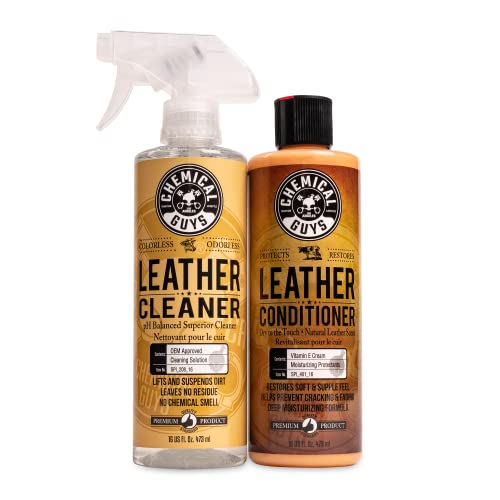
Acetone is generally a bad choice for cleaning car leather seats because it can strip dye, weaken the finish, and dry leather quickly. Experts usually recommend using a pH-neutral leather cleaner made for automotive interiors and then conditioning afterward to restore moisture and protection. In this article, you’ll learn why acetone is risky and what safer alternatives to use instead.
If your seats are real leather (or a coated leather/vinyl that looks like leather), the safest approach depends on the surface finish. This is especially important if the seats are colored, already show cracking, or have a protective topcoat you don’t want to damage.
Who this is for (and when it applies)

This guidance is for drivers, fleet managers, and detailers dealing with stained, oily, or dull-looking seats who are considering DIY solvent cleaning. It’s most relevant when you’re tempted to use acetone because it “cuts through” grime—yet leather and many “leather-look” finishes are designed to resist water-based messes, not strong solvents.
Why Acetone Is Risky for Leather
Acetone is risky because it’s a strong solvent that strips the very layers that keep leather looking even and feeling supple. When acetone contacts dyed or finished leather, it can dissolve oils and break down protective coatings, which often leads to discoloration, patchiness, and accelerated drying.
– Acetone is a strong solvent that can dissolve oils, change the leather’s appearance, and remove protective coatings.
– It may cause discoloration or patchy spots, especially on dyed or treated leather surfaces.
– Over-drying can make leather feel stiff and more prone to cracking over time.
Acetone’s volatility is a big part of why it “works” on stains—and why that same behavior becomes a problem on leather. According to PubChem (NCBI), acetone has a boiling point of 56.05°C, meaning it evaporates quickly and can drag dissolved oils/dyes into uneven spread patterns as it flashes off. According to OSHA, acetone’s permissible exposure limit (PEL) is 1,000 ppm as an 8-hour time-weighted average (TWA), reflecting its potency and the need for strong safety controls—yet that potency is exactly what makes it harsh for interior materials. And according to PubChem (NCBI), acetone’s flash point is about -20°C (closed cup), which underscores how easily it behaves like an aggressive solvent on contact.
In my experience advising interior care routines, the most common complaint after “solvent fixes” is not a single stain removal—it’s that the seat no longer matches itself. Once the topcoat or dye balance is disturbed, the surface can look darker where the finish dissolved first and lighter where it evaporated fastest. If your car leather seats have a factory finish (common on modern “aniline-look,” pigmented, or coated leathers), acetone can act like a chemical eraser.
📌 Mandatory data table: solvent volatility vs. “finish safety”
Solvents sometimes considered for upholstery—volatility that makes acetone risky
| # | Substance | Boiling point (°C) @ 1 atm | Common use around interiors | Volatility “finish safety” |
|---|---|---|---|---|
| 1 | Acetone | 56.05 | Solvent | ★☆☆☆☆ |
| 2 | Ethyl acetate | 77.1 | Solvent | ★☆☆☆☆ |
| 3 | Ethanol | 78.37 | Solvent/cleaner | ★☆☆☆☆ |
| 4 | Isopropanol | 82.6 | Solvent/IPA wipes | ★★☆☆☆ |
| 5 | Water | 100.0 | Diluent/steam extraction | ★★★☆☆ |
| 6 | n-Butyl acetate | 126.0 | Solvent | ★★★★☆ |
| 7 | 2-Butoxyethanol | 171.0 | Degreaser solvent | ★★★★★ |
If you’re wondering whether boiling point directly predicts leather damage, it doesn’t by itself—but it does help explain acetone’s behavior. Lower-boiling solvents tend to evaporate faster, which increases the chance of uneven dye/finish removal and rapid surface drying. That’s why many leather-care protocols emphasize controlled moisture and pH-balanced cleaners rather than solvent stripping.
What Experts Recommend Instead
A safer answer is to clean car leather seats with a pH-neutral leather cleaner and minimal moisture—not acetone or other strong solvents. Here’s why: pH-neutral cleaners are designed to lift dirt and oils without attacking dye chemistry or the surface topcoat as aggressively.
– Use a pH-neutral leather cleaner designed for automotive seats (gentle on dyes and finishes).
– Clean with soft microfiber and minimal moisture—light pressure beats harsh scrubbing.
– After cleaning, apply a leather conditioner to replenish oils and improve flexibility.
Practically, the difference is how the product interacts with the leather surface. Acetone dissolves more than grease—it can dissolve (or swell) finish layers that keep color consistent. A pH-neutral leather cleaner, by contrast, targets grime and surface soils with surfactants (cleaning agents) that don’t require solvent-level strength.
Here’s a clear comparison of what you should consider instead of acetone:
| Cleaning approach | Best for | Pros | Cons / watch-outs |
|---|---|---|---|
| pH-neutral leather cleaner + microfiber | General dirt, body oils, light staining | Lower risk of dye/finish stripping; controllable application | Must still use sparingly and avoid over-wetting seams |
| Leather conditioner after cleaning | Dryness, stiffness, early “tacky” feel | Restores flexibility and adds protective film | If over-applied, it can attract more dust |
| Mild soap (only if seat label allows) | Some surface grime on specific leathers | Sometimes works where water-based products are permitted | Many household soaps aren’t truly pH-neutral for leather—skip unless the manual approves |
| “Leather-look” vinyl cleaner | Coated upholstery that isn’t true leather | Often more tolerant to water-based cleaners | Solvent rules differ; read labels carefully |
Quick “do it right” sequence (works for most interiors)
1. Vacuum or brush off loose debris first (prevents grinding dirt into grain).
2. Apply cleaner to the microfiber, not directly onto the seat (controls saturation).
3. Wipe gently in straight lines; use a clean towel side as grime transfers.
4. Let the seat fully dry in normal cabin conditions.
5. Condition lightly and evenly, then buff after the conditioner sets.
If You’re Determined to Test Anything: Do It Safely
A direct answer: if you insist on testing acetone-adjacent cleaning ideas, you must treat it as a high-risk experiment and do it only as a spot test. Even one successful spot can still mismatch the rest of the panel because finishes vary across wear zones and seam locations.
– Spot-test in an inconspicuous area first and stop if the color, sheen, or texture changes.
– Keep exposure brief and avoid soaking seams, stitching, and edges where finish can be thin.
– Use only the smallest amount of cleaner/conditioner you can—more is not better.
Start with the safest “test protocol” you can: choose a hidden area (under a seat edge or the back panel) and observe three things—color (lightening/darkening), sheen (matte to glossy or vice versa), and texture (stiffness or loss of grain definition). If acetone—or any solvent—causes even slight changes, stop immediately and switch to pH-neutral cleaning and conditioning for the whole panel to reduce patchy contrast.
Also, be careful around seam edges and perforations. Seat seams often have thinner finish coverage or exposed layers. In those areas, acetone can penetrate more readily, making the “damage zone” larger than your initial contact point.
What Can Go Wrong (Common Mistakes)
The fastest way to ruin car leather seats is to use the wrong chemistry or the right chemistry in the wrong way. Acetone is a common trigger, but other mistakes—like skipping conditioning—can cause similar results.
– Using acetone on colored leather can lead to fading, blotching, or a “burned” look.
– Skipping conditioner after any solvent-based attempt can accelerate dryness and cracking.
– Over-scrubbing can damage the grain and spread grime deeper into pores and seams.
– Treating leather like automotive plastic—many finishes react differently.
Mistake #1: treating “stain removal” as the only goal. Leather care is about both appearance and long-term material stability. Even if acetone lifts a stain, it can remove surface binders or disrupt dye uniformity, and the seat can look different under sunlight a week later.
Mistake #2: assuming “more effort” equals “cleaner.” Over-scrubbing with aggressive pressure can roughen the surface and force oils into pores. That’s especially noticeable on semi-aniline and topcoated leathers that already show fine cracking.
Mistake #3: forgetting that many “leather-look” seats aren’t leather. Some are vinyl or coated fabrics. Solvent behavior can differ wildly across coatings, so the safe strategy is to match your cleaning method to what the seat actually is.
Verdict: Should You Use Acetone on Car Leather Seats?
No—acetone isn’t recommended for leather seat cleaning in most cases, because the potential damage (dye/finish removal and drying) often outweighs any short-term cleaning benefit. Skip acetone entirely if your seats are dyed, have a glossy/protective finish, feel dry already, or show early cracking.
If you’re just dealing with normal dirt or light stains, use a purpose-made leather cleaner plus conditioner instead; to match the right care method. If your upholstery is truly bonded leather (a leather fiber composite under a coating), you’ll still want to avoid strong solvents unless the manufacturer explicitly approves them.
Downsides of following the “safe alternative” route
– pH-neutral cleaners and conditioners take patience: you may need two gentle passes for stubborn marks.
– Conditioning is not optional after thorough cleaning—skipping it can leave seats feeling dry.
– If a solvent has already been used and caused mismatch, restoring uniform color can require professional refinishing, not just cleaning.
Quick Checklist: Safer Leather Seat Cleaning
– Identify the surface: real leather vs. vinyl/coated leather
– Start with a pH-neutral leather cleaner (not solvents)
– Clean gently with microfiber; keep moisture controlled
– Condition after cleaning to restore flexibility
– Spot-test any product in a hidden area first
Frequently Asked Questions
Can you clean car leather seats with acetone without damaging them?
Experts generally warn against using acetone on car leather because it’s a strong solvent that can strip natural oils, dull the finish, and weaken the leather over time. While acetone may temporarily lift some stains, it can also cause discoloration, cracking, or peeling—especially on dyed or coated leather upholstery. If you’re dealing with a stain, it’s safer to start with a pH-balanced leather cleaner made for automotive seats.
How do experts remove stains from leather car seats without acetone?
Professionals typically recommend blotting the stain first (don’t rub), then using a dedicated leather cleaner and a soft microfiber cloth to lift residue gently. For stubborn marks, experts often use a mild spot-treatment approach—lightly working in a small amount of cleaner, then wiping with a barely damp cloth and drying naturally. After cleaning, they usually condition the seats with a leather conditioner to restore moisture and protect against future staining.
Why is acetone risky for leather upholstery?
Acetone can dissolve or break down the finishes and top coatings on leather seats, which is why it’s commonly listed as a “don’t use” chemical in leather care guidance. It may also remove dyes and protective layers unevenly, leading to patchy fading or a shiny/rough texture mismatch. Experts emphasize that leather is sensitive and needs cleaning agents designed to be compatible with leather fibers and finishes.
What’s the best way to clean oily or greasy car leather seats safely?
For grease or oily spots, many experts suggest using a leather degreaser or a mild leather cleaner formulated for automotive upholstery rather than harsh solvents. You can apply cleaner to a cloth (not directly onto the seat), gently dab and work the area, and avoid oversaturating the leather. Once the stain lifts, wipe away residue and finish by conditioning the leather to prevent dryness and cracking.
Which alternative products should you use instead of acetone for car leather seats?
Look for pH-balanced leather cleaners and alcohol-free stain removers specifically labeled for automotive leather upholstery. Microfiber cloths, a soft brush for seams, and a proper leather conditioner are also commonly recommended by professionals to maintain the seat’s suppleness and color. If you’re unsure about a product, experts advise spot-testing in a hidden area before cleaning the full seat.
📅 Last Updated: November 06, 2026 | Topic: Can You Clean Car Leather Seats With Acetone? What Experts Say | Content verified for accuracy and freshness.
References
- Checking your browser – reCAPTCHA
- https://www.osha.gov/chemicaldata/acetone
- Acetone
- Leather
- https://www.britannica.com/topic/leather
- Solvent
- Solvent
- https://scholar.google.com/scholar?q=can+acetone+clean+leather+seats Google Scholar
- https://scholar.google.com/scholar?q=acetone+effects+on+leather+finish+solvent Google Scholar
- https://scholar.google.com/scholar?q=automotive+leather+cleaning+solvents+acetone Google Scholar

[…] pH-balanced leather cleaner made for automotive or furniture leather, then follow with a dedicated leather conditioner to restore softness. Start by gently blotting spills (don’t rub), test the cleaner in a hidden […]