

Do not clean car leather seats with Windex—it’s too risky for most leather finishes, and experts generally recommend sticking to products made for leather. The deciding factor is what’s in Windex: glass cleaners often contain alcohols and additives that can dry out, discolor, or leave residue, especially on treated or dyed leather. If you want a safe yes/no answer, the safe choice is to use a leather cleaner and conditioner designed for automotive upholstery.



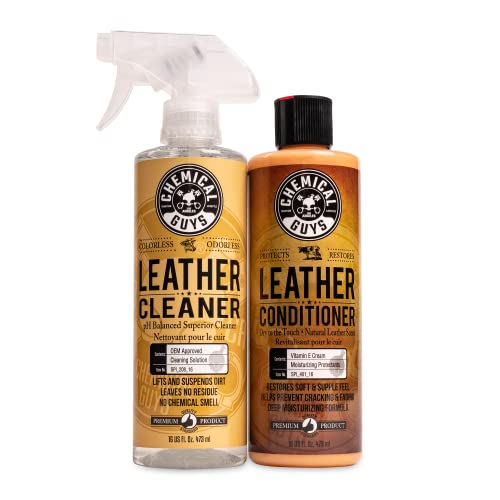
Yes—you can clean car leather with Windex in a pinch, but most experts advise against it for routine cleaning because many glass-cleaner formulas can be too harsh for leather finishes. The safer, longer-term approach is to use a leather-specific cleaner (or a very mild soap solution) and then condition the seats to restore moisture and protect the surface.
If you’re dealing with sticky spots, dust, or everyday grime on leather seats and you’re wondering whether glass cleaner will hurt the surface, this guide breaks down what to watch for and what experts typically recommend instead. You’ll also get a quick checklist to decide what product to use and how to avoid damage.
What experts say about Windex on leather

Experts generally recommend treating Windex as a “short-contact emergency option,” not a regular leather cleaner. The common theme is that Windex is engineered for glass and hard, non-porous surfaces, while leather is porous, finished with dyes/coatings, and designed to be protected with conditioning.
– Many Windex products contain ingredients meant for glass/other hard surfaces, not leather finishes.
– The main risk isn’t just “cleaning power”—it’s stripping oils or leaving residue that can dull or dry the leather over time.
– If a Windex-like spray is used at all, experts typically emphasize “test first” and “don’t soak the leather.”
In practical terms, the most frequent complaint with Windex on leather isn’t that it won’t remove grime—it’s that repeated use can change how the leather looks and feels. Leather can lose suppleness when oils/plasticizers are disrupted, which can make the seat feel tighter, develop an uneven sheen, or show early cracking at high-stress areas (bolsters, armrests, and seat edges).
Why leather can react differently than glass
Leather reacts differently because it absorbs liquids, and because many leather “cleanups” require replacing moisture afterward. Glass cleaners are formulated to evaporate cleanly from non-porous surfaces, but leather can hold onto surfactants and other chemicals in the finish and the top layer of fibers.
– Leather is porous and can absorb liquids, so overspraying can spread cleaner deeper than you expect.
– Harsh cleaners can affect topcoats/dyes and change the look or feel (stiffness, fading, or a blotchy sheen).
– After cleaning, leather usually needs conditioning to replace lost moisture and protect against cracking.
A key factor is the chemistry found in many glass cleaners. Some versions rely on ammonia (or ammonia-like alkaline systems) for streak-free performance; ammonia is strongly irritating to eyes and airways, and industrial safety guidance reflects that seriousness. According to OSHA’s permissible exposure limits, ammonia’s PEL is 50 ppm as an 8-hour time-weighted average (TWA) (OSHA 29 CFR 1910.1000). If a product can be a respiratory irritant at low airborne levels, it’s reasonable to treat it cautiously around leather finishes that are designed to stay chemically stable and hydrated.
Also consider solvents/alcohols that may be present in glass cleaners. According to OSHA’s permissible exposure limits, isopropyl alcohol has a PEL of 400 ppm as an 8-hour TWA (OSHA 29 CFR 1910.1000). Even when those ingredients “disappear” from glass quickly, they can still pull moisture from leather or interact with conditioners and dyes.
Finally, leather cracking risk increases when environments are dry. Conservation guidance commonly recommends maintaining indoor relative humidity in the 45–55% range for many organic materials (Smithsonian collections care climate guidance). Cleaning without reconditioning can compound the effect, which is why experts keep pointing back to conditioning after any cleanser.
Typical Cleaner Chemistry vs Leather Finish Safety (Generalized)
| # | Cleaner type (common use) | Typical active(s) | Typical pH range | Leather safety | Expected risk |
|---|---|---|---|---|---|
| 1 | Ammonia-based glass cleaners | Ammonia/alkaline agents + surfactants | ~10–12 | ★★★★☆ | Higher |
| 2 | Alcohol/solvent-heavy sprays | Isopropyl alcohol/solvent blends | ~6–8 | ★★★☆☆ | Moderate–High |
| 3 | All-purpose degreasers | Detergents + alkaline builders | ~9–12 | ★★★☆☆ | Moderate–High |
| 4 | Vinegar-based cleaners | Acetic acid + water | ~2–3 | ★★☆☆☆ | High |
| 5 | Mild soap + water (cloth-applied) | Low-foaming surfactants | ~7–9 | ★★★★☆ | Lower |
| 6 | Leather pH-balanced cleaners | Conditioning surfactants + buffers | ~4.5–6.5 | ★★★★★ | Lowest |
| 7 | Leather conditioner (oil/wax-based) | Oils/waxes + emollients | ~4–6 | ★★★★★ | Protective |
Safer alternatives to Windex for car leather
The best substitute for Windex on leather is a product engineered for leather—typically pH-balanced cleaners plus a conditioner afterward. If you don’t have one on hand, a very mild soap-and-water mix applied to a cloth (not sprayed directly) is the next safest route.
– Use a dedicated leather cleaner from the manufacturer’s instructions when possible.
– For light dirt, mild solutions (like a gentle soap and water mix) applied to a cloth—never directly to the seat—are commonly recommended.
– Follow up with a leather conditioner to keep the material supple and reduce future staining.
If you’re deciding quickly (and you want something that scales from “maintenance” to “spot cleanup”), here’s how the options generally compare:
| Feature (what matters for leather) | Leather cleaner + conditioner | Mild soap + water (cloth-applied) | Windex (glass cleaner) |
|---|---|---|---|
| Designed for porous materials | Yes | Somewhat | No |
| Finish/dye compatibility | High (label-based) | Moderate | Variable |
| Residue/“film” risk | Low | Low–Medium | Medium–High |
| Moisture/conditioning integration | Built-in workflow | Needs conditioner after | Often needs conditioner after |
| Drying/evaporation behavior | Controlled | Depends on dilution | Fast but can leave chemistry behind |
| Safer for regular use in 2025–2026 care routines | Yes | Usually (light use) | No for routine cleaning |
| Approach for high-touch zones | Best practice | Workable | Not recommended |
| Ease of following label directions | High | Medium | Low (leather steps differ) |
| Typical “finish look” stability | Stable | Can shift if overdone | More likely to dull or dry |
| Best outcome for long-term comfort | Yes | With proper conditioning | Unreliable over time |
| Best For | Most owners (routine + spots) | Light cleaning when a leather product isn’t available | Only tiny emergencies + spot tests |
If you insist: a cautious “how-to” approach
If you’re determined to use Windex on car leather, the safest strategy is to minimize contact and verify compatibility first. Windex can be workable for a small spot, but you must avoid overspraying, and you should plan to condition afterward.
– Do a spot test in a hidden area first, then wait for any color change, tackiness, or drying.
– Apply to a microfiber cloth (not the seat), then wipe gently with light pressure.
– Dry promptly with a clean cloth and condition soon after if the leather feels dry or tight.
Here’s the cautious workflow that aligns with how leather-care experts think about risk (surface-only contact, controlled moisture, immediate follow-up):
1. Pick a hidden test area (underside of a seat bolster, back edge of the cushion).
2. Use Windex on the cloth, not on the leather. Lightly mist the microfiber until it’s damp, not dripping.
3. Wipe gently in one direction, using the smallest amount of product that removes the visible spot.
4. Wait 10–15 minutes and check for: darkening, color lift, unusual tackiness, or a shiny “halo.”
5. If the leather looks unchanged, proceed carefully on the same type of area and keep sessions short.
6. Dry thoroughly, then apply conditioner if the seat feels tighter or dull—especially in dry seasons.
What can go wrong (common mistakes and limits)
If you use Windex on leather the wrong way, you can end up with uneven finish changes that are hard to reverse. Most failures come from oversaturation, repeated use, or using products that don’t match the leather’s coating and finish.
– Spraying Windex directly onto seats can oversaturate leather and cause uneven staining or finish damage.
– Skipping conditioner may leave leather dry, making it more prone to cracking or surface wear.
– Using the wrong type of cleaner on unsealed or specialty leather (suede-like finishes, perforated leather, or restorations) can cause lasting changes.
– If the leather is already compromised (cracks, peeling, flaking dye), cleaning products can worsen appearance—consider professional help.
Windex limitations are especially relevant for specialty leather finishes. For example, suede-like or aniline-leaning surfaces often rely on delicate surface structures and can show water marks easily. Perforated leather (with holes) also increases the chance that moisture travels into layers you can’t easily see, which makes “just a little spray” more risky than it sounds.
Also watch out for “look-alike” materials. If your car has vinyl or faux leather, the reaction could be different. Vinyl generally tolerates harsher cleaners than real leather, while still being vulnerable to surface haze from strong solvents.
Verdict: should you use Windex on leather seats?
Windex isn’t the first-choice option for leather, and many “expert-style” recommendations steer you toward leather-specific products or mild cleaners. If you’re trying to remove a small spot quickly, you might get away with it using a careful spot-test and cloth-application—but if you want the safest long-term results, skip Windex and use a leather cleaner plus conditioner instead.
To make the decision clearer, here’s a side-by-side comparison of what most experts are trying to prevent:
| Criteria | Windex on leather | Leather cleaner + conditioner |
|---|---|---|
| Primary target surface | Glass/hard surfaces | Leather materials |
| Risk of finish/dye alteration | Medium–High (formula-dependent) | Low (label-guided) |
| Oversaturation control | Harder to control if sprayed | Designed for controlled application |
| Residue risk | More likely (especially with repeated use) | Lower |
| Need for conditioning afterward | Often yes | Yes (part of routine) |
| Best use case | Tiny emergencies + test-first | Routine maintenance and planned spot cleaning |
| Consistency across seat types | Variable | More predictable (if you match the product) |
| Long-term feel (supple vs tight) | More likely to dry over time | Designed to support suppleness |
| Routine safety for 2026 ownership habits | Not recommended | Recommended |
| Time/effort tradeoff | Fast on glass, slower correction if finish is affected | Slightly more steps, fewer surprises |
| Verdict | Use only as a carefully controlled spot emergency | Choose leather-safe cleaner + conditioner for the best outcome |
Also, if your seats are cracked, peeling, or have a fragile finish, it’s better to avoid Windex entirely and consult the seat/vehicle manual or a leather-care professional.
Quick checklist (scan or save)
– [ ] Confirm it’s leather (not vinyl or faux leather)
– [ ] Use leather cleaner/conditioner when available
– [ ] If using Windex: spot test first in a hidden area
– [ ] Spray onto a cloth, not the seat
– [ ] Wipe gently; don’t scrub aggressively
– [ ] Dry right away
– [ ] Condition after cleaning if the leather feels dry
Frequently Asked Questions
Can you clean car leather seats with Windex safely?
In most cases, experts advise against using Windex on car leather seats. Many Windex formulas contain ammonia, alcohol, or strong detergents that can dry out leather, strip its protective finish, or cause discoloration over time. For leather cleaning, it’s safer to use a pH-balanced leather cleaner and follow up with a leather conditioner to restore moisture and prevent cracking.
How can you remove stains from leather car seats without damaging them?
Start by blotting (not rubbing) the stain with a clean microfiber cloth to lift surface residue. Use a dedicated leather cleaner or a mild, pH-balanced soap solution applied lightly to the cloth, then wipe gently and allow it to dry naturally. For tough spots like grease or ink, you may need a specialized leather stain remover, but always test a hidden area first.
What do leather-care experts recommend instead of Windex for daily cleaning?
Leather-care professionals typically recommend routine wipe-downs with a microfiber cloth and a conditioner-safe leather cleaner designed for automotive or upholstery leather. This approach cleans dirt without harsh chemicals that can compromise the leather’s finish. Conditioning afterward is important because it replenishes oils and reduces the risk of fading, stiffness, and cracking.
Why is ammonia-based glass cleaner risky for leather seats?
Ammonia-based products like many Windex variants can be too harsh for leather’s treated surface and natural oils. That can lead to dryness, loss of sheen, and increased susceptibility to cracking, especially in seats exposed to sunlight or heat. If you’ve already used Windex, stop immediately and consider using a leather conditioner to help restore suppleness.
Which products are best for cleaning and protecting car leather after using a mild cleaner?
The best routine is a pH-balanced leather cleaner followed by a high-quality leather conditioner or protectant. Look for products that are specifically labeled for automotive leather and that condition without leaving a greasy film. This combination helps remove grime safely and forms a protective barrier that keeps future spills and stains from soaking in as easily.
📅 Last Updated: November 06, 2026 | Topic: Can You Clean Car Leather Seats With Windex? What Experts Say | Content verified for accuracy and freshness.
References
- leather cleaning detergent – Search Results – PubMed
- ammonia collagen damage – Search Results – PubMed
- Leather
- Windex
- Ammonia
- Cleaning agent
- Collagen
- https://scholar.google.com/scholar?q=ammonia+leather+degradation Google Scholar
- https://scholar.google.com/scholar?q=leather+upholstery+cleaning+ammonia+alcohol Google Scholar
- https://scholar.google.com/scholar?q=pH+neutral+cleaner+leather+care+study Google Scholar
