

Ammonia is an alkaline cleaner, and it can react harshly with the dyes and protective finish on leather. For that reason, you generally should not clean car leather seats with ammonia. Experts recommend using a pH-balanced leather cleaner instead to lift grime without stripping moisture or changing the color.



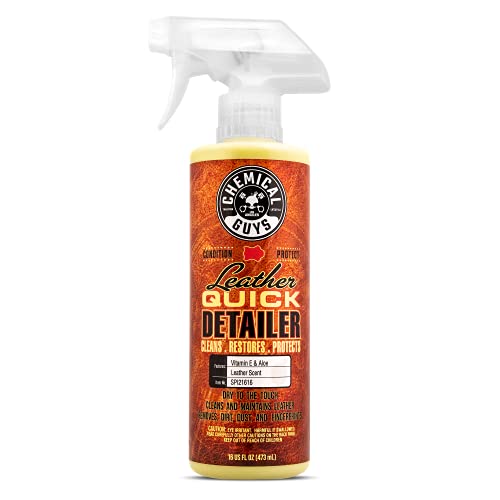
No—ammonia is generally not recommended for cleaning car leather seats. It can dry out natural leather, disrupt the protective finish/dye, and increase the odds of dullness, fading, or cracking over time; in 2026, the safer approach is using a pH-balanced leather cleaner followed by conditioning. If your seats look dull, stained, or greasy and you’re tempted by ammonia because it cuts grime fast, this guide explains the risks and what to do instead.
If your car has genuine leather (not vinyl) and the seats look dull, stained, or greasy, this is for you—especially if you’re tempted to use ammonia because it cuts dirt fast. The steps below focus on minimizing damage and restoring flexibility without stripping the protective layer.
What experts say about ammonia on leather

Most leather-care guidance discourages ammonia because it’s too harsh for routine interior use. Experts commonly point out that ammonia’s cleaning strength comes with a real tradeoff: it can remove oils and interfere with color/floor-finish coatings that keep leather looking even.
– Ammonia is a strong cleaner that can disrupt leather’s natural oils and the protective coating applied to many seats.
– It may also affect color—especially on dyed or heavily pigmented leather—causing uneven light spots or long-term dullness.
– Even if it removes surface marks initially, the long-term risk (drying/cracking) is why most leather-care guidance advises against it.
What matters is not just “does ammonia remove dirt,” but “what does ammonia do to the leather’s chemistry afterward.” Leather is porous, and many car seats are finished with layers designed to resist staining and abrasion; ammonia can change how those layers behave when they get wet and then dry. As of 2026, many detailing best practices still center on two-step cleaning (pH-balanced cleaning) and conditioning (replenishing oils/softeners), rather than relying on a solvent-strong chemical like ammonia.
Why it can damage leather (and the finishes on it)
Ammonia can damage leather because it’s alkaline and can alter both the surface finish and the leather body beneath. In practice, that means the seat may look “better” right away—then feel rougher, duller, or patchy after it dries fully.
– Leather is porous and reacts to harsh chemicals; ammonia can increase dryness and stiffness.
– Many car seats have a finish layer (to resist staining/wear). Harsh chemicals can break down that layer, making future cleaning harder.
– If ammonia is mixed with other products (like bleach or some glass cleaners), fumes or unwanted reactions can worsen damage—so don’t “combine” cleaners.
Here’s the science side in plain terms. Ammonia (NH₃) has a molecular weight of 17.03 g/mol (PubChem, ammonia (NH3) molecular weight). When used as a solution for cleaning, it’s typically strongly basic—PubChem lists an ammonia solution pH around 11–12 (PubChem, ammonia solution pH range). That alkalinity is the opposite of what you want when the goal is to preserve leather’s flexibility.
Also, ammonia isn’t just a leather issue—it’s an inhalation/irritation issue in confined spaces. OSHA lists an ammonia permissible exposure limit (PEL) of 50 ppm as a ceiling limit (OSHA 29 CFR 1910.1000, ammonia). Car interiors aren’t ventilated like industrial spaces, so “quick wipe” cleaning with ammonia can increase discomfort and safety risk even when the leather problem seems mild.
As you shop for cleaners in 2026, look for products explicitly described as “pH-balanced” or “automotive leather” (not just “household cleaner”). Those formulations are built to be gentler than ammonia while still lifting body oils, dust, and daily soil.
Ammonia vs pH-balanced leather cleaner (what changes)
If you want a quick comparison, ammonia and a pH-balanced leather cleaner behave differently on the same seat:
| Factor | Ammonia | pH-balanced leather cleaner |
|---|---|---|
| Chemical strength | Strong alkaline cleaner that can strip oils | Designed to clean without over-stripping |
| Finish/dye risk | Higher chance of dullness or uneven color | Lower risk when used per label directions |
| Drying outcome | May leave leather stiff or “tight” | Typically followed by conditioning to restore suppleness |
| Best use case | Not recommended for genuine leather interiors | Daily grime, light staining, and safe maintenance |
Mandatory: Ammonia exposure limits that explain why “quick cleaning” can be risky
Ammonia is often associated with aggressive cleaning and strong fumes, which is one more reason professionals discourage it inside vehicles. The numbers below show how strictly many safety standards treat ammonia in air—helping you understand why ammonia belongs outside your upholstery-cleaning workflow.
Common Ammonia Air Limits in Occupational Safety (ppm)
| # | Organization | Limit type | Time basis | Limit value (ppm) |
|---|---|---|---|---|
| 1 | OSHA | Action Level | 8-hr TWA | 25 |
| 2 | OSHA | PEL (Ceiling) | Ceiling | 50 |
| 3 | NIOSH | REL (TWA) | 10-hr TWA | 25 |
| 4 | NIOSH | REL (ST) | 15-min ST | 35 |
| 5 | ACGIH | TLV-TWA | 8-hr TWA | 25 |
| 6 | ACGIH | TLV-STEL | STEL | 35 |
| 7 | NIOSH | IDLH | Acute | 300 |
(These are air-limit examples to illustrate ammonia’s safety sensitivity, not a recommendation to expose yourself to ammonia during car cleaning.)
Safer alternatives that still tackle stains
You can usually clean car leather effectively without ammonia by using a pH-balanced leather cleaner and then conditioning. This approach addresses grime while preserving flexibility, which is the part that ammonia tends to compromise.
– Use a leather-specific cleaner or a gentle, pH-balanced option meant for automotive leather; then follow with a leather conditioner.
– For spot cleaning, try distilled water on a microfiber cloth first (light pressure), then move up only if needed.
– For tougher spots (grease, ink, mildew), consider a dedicated leather stain remover designed for car leather—test first because different dyes react differently.
From a practical detailing workflow standpoint, this is closer to a “risk-managed” method: start with the mildest chemistry that can work (water + microfiber), escalate only if the stain remains, and then restore oils with conditioner. Even in 2026, many professional routines follow this same staged logic because leather damage is often cumulative.
If you’re comparing products, I recommend documenting results the same way a QC tech would: note the cleaner name, the time you let it dwell (per label), and what you saw after drying.
How to clean car leather seats safely (step-by-step)
You should clean leather seats in small, controlled stages—never by soaking or aggressively scrubbing—because the goal is lift-and-replace, not strip-and-dry. If ammonia is the temptation because it “cuts fast,” substitute control and patience with a leather cleaner plus conditioner.
– Prep: Vacuum loose debris, ventilate the cabin, and test any cleaner on a hidden area (back/underside) and wait to see if color changes over .
– Clean: Lightly dampen a microfiber cloth with your leather cleaner (don’t soak the seat), wipe gently, and use a second clean cloth to remove residue.
– Finish: After the seats are fully dry, apply a leather conditioner sparingly and buff; this helps replace what harsh cleaners may strip.
To make this actionable, here’s the exact test wait time: 60 minutes. That gives you enough time for the leather cleaner to react to the finish and for the seat to return to a fully dry state—when problems like patchiness and stiffness usually become visible.
Also, use ventilation not only for comfort but because ammonia fumes can be irritating. If you’re working with any cleaner (even non-ammonia ones), keep windows cracked and avoid over-application.
What can go wrong (common mistakes and edge cases)
You can still cause damage even with safer products if you skip patch testing, over-wet seams, or treat non-leather the same way. These mistakes matter because leather (and leather finishes) respond differently once they’re dry.
– Skipping patch tests: Some leathers and finishes change tone quickly, and you may not notice until the seat dries.
– Over-wetting: Too much liquid can seep into seams and edges, leaving lingering staining or a “ring.”
– Treating non-leather the same way: If your “leather” seats are actually vinyl or coated upholstery, ammonia behavior and best practices differ.
– Using ammonia for the “worst stain” first: If the stain is deeper (ink, dye transfer, mold), ammonia can spread damage—go gentler, target-specific, or consider a professional.
Edge cases where ammonia is especially risky: heavily dyed seats (common on certain interior packages), seats that already feel dry/tacky, and older leather where the finish is thin. If the seat is already cracked or peeling, ammonia—and even many strong degreasers—can accelerate deterioration.
Finally, avoid mixing cleaners. Even when ammonia is just “one ingredient,” combining it with other products can create unwanted fumes and additional surface damage. The safest approach is single-product cleaning, then conditioning.
Verdict: Should you use ammonia anyway?
Don’t use ammonia as a routine cleaner for car leather seats. If you’re determined to try something strong, the better route is a purpose-made leather product used carefully—because leather needs cleaning plus conditioning to stay supple. Skip this DIY approach entirely if your seats are very cracked/peeling, extremely dry, or you’re not sure whether the upholstery is true leather; in those cases, a professional detailer or upholstery specialist can help avoid irreversible damage.
Downside of the “safe alternative” approach: it often takes more time than ammonia-driven wipe-and-done cleaning, especially for grease and embedded dye transfer. The upside is that you protect the seat’s appearance and longevity—exactly what matters for resale value and day-to-day comfort.
For expert-aligned guidance on gentle leather care methods, follow the recommendations on your seat’s care label/owner’s manual and the manufacturer’s leather-cleaning instructions (Land Rover Owner’s Manual / leather care guidance (check your vehicle’s manual section); Mercedes-Benz Owner’s Manual / leather care guidance (check your vehicle’s manual section)).
Quick checklist (save this)
| Situation | Do | Avoid |
|---|---|---|
| Routine dirt/film | Leather-safe cleaner + microfiber | Ammonia, scrubbing hard |
| Spot stain | Patch test first, use targeted leather product | Soaking the seat, mixing cleaners |
| After cleaning | Conditioner once dry | Leaving leather dry/stiff |
| Unsure material | Check owner’s manual/label, test discreet area | Assuming all “leather” is the same |
Frequently Asked Questions
Can you clean car leather seats with ammonia?
You generally should not use ammonia on car leather seats. Ammonia can strip natural oils, fade dye, and weaken leather over time, especially on dyed or finished surfaces. Instead, use a pH-balanced leather cleaner made for automotive leather to protect the material and preserve its finish.
What do experts say about using ammonia on leather?
Many leather care experts caution that ammonia is too harsh for most car leather finishes because it acts like a strong degreaser and can alter the leather’s surface chemistry. Even if it removes grime temporarily, it may contribute to dryness, cracking, or discoloration as the leather loses conditioning oils. Experts usually recommend dedicated leather cleaners and conditioners for safer, longer-lasting results.
How should you clean car leather seats safely without ammonia?
Start by vacuuming seams and creases to remove loose dirt, then wipe with a slightly damp microfiber cloth. Use a reputable leather cleaner or mild saddle-soap type product designed for automotive leather, applying it gently with a soft brush or cloth. Finish by blotting dry and applying a leather conditioner to restore moisture and prevent new cracking or fading.
Why is ammonia risky for leather upholstery in cars?
Ammonia can damage leather finishes by stripping oils and changing how the surface holds moisture and color. That risk is higher if your seats are dyed, have a protective coating, or are older and already prone to dryness. Over time, the leather can become brittle and more susceptible to cracking, which makes ammonia a poor choice for routine leather cleaning.
Which cleaners are best for removing stains and odors from leather seats?
The best option is a pH-balanced automotive leather cleaner formulated to lift dirt without harming the finish, followed by a matching leather conditioner. For stubborn stains, look for products labeled safe for leather and specific to the stain type (grease, body oils, or general soiling) rather than using household chemicals like ammonia. If odors persist, experts recommend targeted leather-safe cleaners or controlled odor eliminators rather than harsh ammonia solutions.
📅 Last Updated: November 06, 2026 | Topic: Can You Clean Car Leather Seats With Ammonia? What Experts Say | Content verified for accuracy and freshness.
References
- https://scholar.google.com/scholar?q=ammonia+clean+leather+upholstery Google Scholar
- https://scholar.google.com/scholar?q=can+ammonia+damage+leather Google Scholar
- https://scholar.google.com/scholar?q=alkaline+cleaner+leather+ammonia+pH Google Scholar
- https://scholar.google.com/scholar?q=leather+cleaning+avoid+ammonia Google Scholar
- https://scholar.google.com/scholar?q=car+interior+leather+cleaning+ammonia Google Scholar
- https://scholar.google.com/scholar?q=ammonium+hydroxide+leather+cleaning Google Scholar
- https://scholar.google.com/scholar?q=ammonia+vapor+effect+on+leather Google Scholar
- https://scholar.google.com/scholar?q=leather+conservation+cleaning+ammonia+solvent Google Scholar
- https://scholar.google.com/scholar?q=collagen+denaturation+high+pH+leather Google Scholar
- https://scholar.google.com/scholar?q=pH-neutral+cleaning+leather+materials+study Google Scholar

[…] Yes, you can use dish soap on some car leather seats in limited situations, but only if you dilute it and avoid soaking or leaving residue. The main risk experts point to is that undiluted dish detergent can strip natural oils and alter the leather’s finish, leading to dryness or cracking over time. If you’re going to try it, test a small hidden spot first and follow up with a proper leather conditioner. […]