

A clogged Rowenta steam iron is often caused by mineral buildup or letting residue dry on the soleplate, which leads to weak steam and spotty staining. You can fix it safely with a few simple steps—typically in about 15 minutes—using distilled water, a soft cloth, and cotton swabs to clean the steam vents. Follow these methods to restore smooth gliding and consistent, even steam.



To clean a Rowenta steam iron, you’ll usually descale the inside water path and then wipe clean the soleplate/steam vents. Start by unplugging the iron and letting it cool completely, then follow a descaling/flush routine (based on your model’s guidance) and finish with gentle surface cleaning. This article walks you through what to do step-by-step and what to avoid so your steam works smoothly again.
If your Rowenta iron is spitting, steaming weakly, leaving mineral spots, or looks dull on the soleplate, cleaning is likely the fix. These steps are intended for typical Rowenta steam iron designs, but always treat your specific model’s manual as the final word—especially for descaling fluids and modes.
Get Ready: Unplug, Cool Down, and Clear the Water

Unplugging and cooling first is what keeps both you and the Rowenta steam iron safe before you touch the soleplate or vents. This initial prep also prevents loosened minerals or residue from spreading onto clothing or forming new deposits as the iron heats again.
– Unplug the iron and let it cool fully before touching the soleplate or vents.
A cool iron matters because the steam chamber and soleplate retain heat; wiping too early can smear residue into the holes. If your Rowenta steam iron has a self-clean or descaling mode, don’t start it until the iron is fully reset and unplugged.
– Empty the water tank so you’re not mixing old water/minerals with your cleaning step.
Old water can carry dissolved minerals that will re-circulate during flushing. In practice, this is one reason people report “I descaled but it still spits”—they didn’t start with a clean tank.
– Place the iron on a stable, heat-safe surface; keep a soft cloth and cotton swabs nearby.
Cotton swabs are useful for around the steam vent openings, while a microfiber or soft lint-free cloth is best for wiping the soleplate finish without scratching it.
Water Hardness Levels and Expected Limescale Risk for Steam Irons
| # | Hardness (mg/L as CaCO₃) | Hardness (grains/gal) | Water Type (common scale) | Steam-Spotting Risk |
|---|---|---|---|---|
| 1 | 0 | 0.00 | Very soft | ★ |
| 2 | 30 | 1.75 | Soft | ★★ |
| 3 | 60 | 3.51 | Soft (upper edge) | ★★ |
| 4 | 90 | 5.26 | Moderately hard | ★★★ |
| 5 | 120 | 7.02 | Hard | ★★★★ |
| 6 | 180 | 10.53 | Hard (upper edge) | ★★★★★ |
| 7 | 300 | 17.54 | Very hard | ★★★★★ |
Descale the Steam System (Flush Out Mineral Build-Up)
Descaling is the key step when a Rowenta steam iron spits, loses steam power, or leaves chalky mineral marks. The goal is to remove mineral build-up (limescale) inside the water path so steam can move freely again.
– Check your iron for a “calc/anti-calc” feature or descaling instructions, then follow those exact directions.
Rowenta models differ: some use an internal descaling process, others rely on cartridges or dedicated modes. As of 2026, the safest rule is still: if the manual specifies a particular solution or timing, use that exact method on your Rowenta steam iron.
– If your manual allows a descaling solution (often distilled water plus an approved cleaner), use it only as specified—then run the steam/flush routine until the flow clears.
Steam-flow clearing is important because minerals can break loose in chunks and temporarily clog vent holes. Continuing the flush until output runs clear reduces the chance of later spotting on clothing.
– If your manual does not recommend vinegar or household descalers, skip them and use only what Rowenta approves (or a method explicitly permitted in the manual).
Household acids can be harsher than you expect, and they can also leave an odor or residue if the iron doesn’t rinse properly. If you’re cleaning a Rowenta steam iron in 2026, treat “approved by the manual” as a safety and performance requirement, not a suggestion.
Below is a practical comparison you can use to decide what to do when the manual allows multiple options:
| Descaling approach | Best for | Pros | Watch-outs |
|---|---|---|---|
| Rowenta-approved descaling method/solution | Consistency for your exact Rowenta steam iron model | Designed to work with the internal materials + rinse cycle | Only as detailed in your manual (timing + amount matter) |
| Distilled-water flush (manual-permitted) | Light mineral build-up and prevention | Lower risk than DIY chemicals; helps keep vents clear | Won’t fully remove heavier scale if spotting persists |
| Vinegar/citric acid only if the manual permits | If explicitly allowed and used at the specified strength | Common household acids can dissolve mineral deposits | Can damage finishes or leave odor if not rinsed thoroughly |
| Commercial descaler (only if approved) | Severe limescale when manufacturer allows alternatives | Often formulated for appliance rinse cycles | Use only if your Rowenta steam iron manual says it’s compatible |
For factual grounding: hardness levels are often measured as mg/L of calcium carbonate. According to the U.S. Geological Survey, 1 grain per gallon (gpg) equals about 17.1 mg/L as CaCO₃ (USGS). That conversion matters because it helps you interpret water test results—especially when deciding whether a Rowenta steam iron needs more frequent descaling.
Also, hardness classification in many water guides uses “soft” and “hard” bands, which correlate with how quickly minerals deposit. According to the U.S. EPA’s general water guidance, higher water hardness increases the likelihood of limescale buildup in plumbing and appliances (U.S. EPA). In other words: if your Rowenta steam iron is used in harder-water areas, steam performance issues are more likely to be mineral-driven.
Finally, vinegar is widely sold at about 5% acidity in many markets, but that can vary by country and label. Because that variability affects results and rinse needs, always follow the concentration and compatibility rules in your Rowenta manual rather than relying on assumptions (FDA labeling standards (U.S.)).
Clean Steam Vents and Clear Blocked Holes
After descaling, you’re likely to see improved output, but vent holes can still hold residue. Cleaning the steam vent area gently helps the Rowenta steam iron distribute steam more evenly and reduces spitting caused by localized blockage.
– After descaling, use a cotton swab to gently clean visible grime around the steam holes (don’t force anything into the holes).
Steam holes are small and can be easily distorted. Instead of probing inward, focus on the rim and surrounding channels where loosened deposits collect.
– If residue remains, wipe the surrounding area with a slightly damp microfiber cloth and dry immediately.
Damp wiping helps lift residue without introducing extra moisture into the steam path. Immediate drying also prevents water marks on the soleplate finish.
– For stubborn vent buildup, repeat the descaling/steam-flush step rather than scrubbing hard—steam holes can be delicate.
Repeating the internal flush is usually safer than aggressive vent scrubbing. In 2026, this matches the conservative guidance found across appliance-care practices: internal circulation plus gentle external cleaning typically clears residue without damaging vents.
If your Rowenta steam iron has “vertical steam” or retractable features, avoid getting cloth fibers inside moving parts. If you’re unsure what’s accessible on your model, consult your manual before adding any swab pressure.
Remove Soleplate Stains and Residue Safely
Soleplate cleaning fixes the visible symptoms—dullness, dragging residue, and occasional spotting that comes from what’s on the surface rather than inside the Rowenta steam iron. Once the soleplate is clean, you also reduce the chance that loosened material transfers to clothes during your next steam session.
– Let the iron cool, then wipe the soleplate with a soft, barely damp cloth to remove loosened residue.
A “barely damp” cloth is deliberate: too much water can seep into areas that are still sensitive after descaling. Use light pressure and work in small sections.
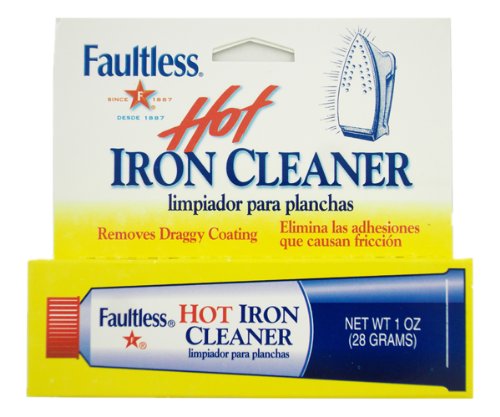
– If you have stuck-on gunk, use a gentler method recommended for irons (for example, a dedicated iron soleplate cleaner) instead of scraping with metal.
Scraping with metal tools can create micro-scratches that catch fabric fibers and cause future sticking. Dedicated soleplate cleaners are designed to be safe on common finishes.
– Avoid harsh abrasives and “scouring” pads; they can scratch the soleplate and create more sticking over time.
Even if abrasives “work fast,” the long-term outcome is often worse. For a Rowenta steam iron, preserving the soleplate finish protects both glide and steam distribution.
Practical tip: after wiping, inspect the steam holes along the front edge (where deposits often accumulate). If the holes still look crusty, go back to gentle vent cleaning—don’t jump straight to stronger scrubbing.
Final Steps: Rinse, Dry, and Test Steam
Final rinsing and testing confirm that your Rowenta steam iron is actually clean—not just temporarily clear. This step is what catches leftover descaling solution or dissolved mineral residue before it transfers onto your next shirt.
– Refill the tank with clean water (if your cleaning method requires a rinse cycle) and run a few steam bursts into a sink/cloth until you don’t see cloudy output.
Cloudy output usually indicates remaining residue in the steam path. Continue until output looks clear to your eye.
– Wipe the soleplate one last time and let the iron heat up briefly, then test on an old scrap fabric first.
Testing on scrap fabric is important because soleplate residue can look gone but still be present in microscopic areas around the steam vents. Use the highest safe fabric setting for the scrap you choose, based on the fabric label.
– If you still see spotting or irregular steam, stop and repeat the descaling/vent-clean process once more.
Repeating once is usually enough; multiple cycles can be necessary in very hard-water areas, but persistent issues can also indicate a different fault.
For best results in 2026: use distilled water for the rinse stage if your environment has hard tap water. That reduces re-depositing minerals while you’re trying to verify cleanliness.
What Can Go Wrong (and How to Avoid It)
Even when you follow the right steps, common mistakes can keep a Rowenta steam iron from performing properly. Avoiding these errors saves time and helps prevent permanent soleplate damage or recurring spotting.
– Using the wrong descaler: Some Rowenta models require a specific descaling approach. If you’re unsure, don’t guess—use .
Incorrect chemicals can react with internal materials or leave residues that cause spitting later.
– Scratching the soleplate: Abrasive tools can damage the finish and make fabric residue harder to remove next time.
Scratches can also concentrate grime, so “quick fixes” can backfire over repeated use.
– Forcing objects into steam holes: Sticking pins or hard tools into vents can deform them or worsen blockage.
If holes don’t clear after descaling, repeat the flush routine instead—gentle exterior swabbing only.
– Skipping a rinse/test: Even if descaling worked, leaving residue can transfer to clothes—always rinse/steam-test on scrap.
This is one of the most common reasons people think they “cleaned wrong.” The iron may be chemically cleaned but not fully rinsed.
If your Rowenta steam iron continues to leak water, emits a burnt smell that isn’t just “first use,” or won’t heat normally, stop cleaning and switch to troubleshooting through your manual or service guidance.
Verdict / Tip: When This Works (and Who Should Skip)
This cleaning routine is a solid, low-risk way to restore strong steam and reduce spotting: descale first, clear the vent area gently, then clean the soleplate without abrasives. The downside is that it can take a bit of time (especially if you do a rinse/steam-test cycle), and results depend on whether the issue is truly mineral build-up. Skip or pause the process if you suspect an internal malfunction (burnt smell, electrical issues, leaks you can’t explain) or if your manual warns against household descalers—follow Rowenta’s guidance exactly for your model. If you want, share your model number and we’ll adapt the steps to what that manual permits.
Quick Checklist (Save This)
| Step | Do | Avoid |
|---|---|---|
| Prep | Unplug + cool + empty tank | Cleaning while hot or still plugged in |
| Descale/Flush | Use the approved method for your Rowenta model | Guessing with unapproved chemicals |
| Vent cleaning | Gentle swab/wipe around holes | Pushing tools into steam holes |
| Soleplate | Soft wipe; approved soleplate cleaner if needed | Abrasive pads/scrapers |
| Test | Rinse (if required) + steam bursts on scrap | Using on clothes before testing |
Frequently Asked Questions
How do I clean a Rowenta steam iron that’s clogged with mineral deposits?
Fill the iron’s water tank with a 50/50 mix of distilled water and white vinegar (check your manual first), then heat the iron to the highest steam setting. Hold it over a sink and press the steam button in short bursts until the reservoir empties and steam runs clear. Finish by filling the tank with distilled water only and repeating the steam bursts to rinse out any vinegar residue.
What’s the best way to clean the soleplate of a Rowenta steam iron without damaging the coating?
Let the iron cool completely, then wipe the soleplate with a soft damp cloth to remove loose debris. For stuck-on residue, use a non-abrasive cleaner or a Rowenta-safe soleplate cleaning method such as gently rubbing with a soft microfiber and a mild solution recommended for irons. Avoid steel wool, harsh scouring pads, and abrasive powders that can scratch the surface and reduce steam performance.
How can I clean a Rowenta steam iron when it’s spitting brown water or leaving stains on clothes?
Brown water usually indicates limescale buildup inside the Rowenta steam iron’s steam channels. Use the steam cleaning method: run distilled water (and vinegar if buildup is heavy) through the steam vents by pressing steam over a sink until the output is clear. Afterward, perform a few steam bursts on an old cloth so any remaining particles don’t transfer to your laundry.
Why should I use the self-clean or descaling function on my Rowenta steam iron?
The self-clean/descaling feature is designed to flush limescale from the internal steam pathways, helping your Rowenta steam iron produce consistent steam. Regular descaling can prevent clogs, reduce spotting, and improve ironing results, especially if you have hard water. Follow the exact procedure in your model’s manual to ensure safe cleaning and proper rinsing of the system.
Which products are safe to use to clean a Rowenta steam iron, and what should I avoid?
Stick to distilled water for rinsing and use white vinegar only for descaling when needed, ideally following your iron’s instructions. For the soleplate, choose non-abrasive cleaners designed for irons and soft cloths/microfiber towels. Avoid abrasive cleaners, scratchy pads, and chemical solvents not approved for steam irons, as they can damage the soleplate coating and affect steam flow.
📅 Last Updated: November 09, 2026 | Topic: how to clean a rowenta steam iron | Content verified for accuracy and freshness.
References
- Clothes iron
- Descaling agent
- https://pubmed.ncbi.nlm.nih.gov/?term=steam+iron+descaling+limescale
- https://scholar.google.com/scholar?q=Rowenta+steam+iron+cleaning+limescale+descaling Google Scholar
- https://scholar.google.com/scholar?q=how+to+clean+steam+iron+descale+soleplate+steam+vents Google Scholar
- https://scholar.google.com/scholar?q=steam+iron+mineral+deposits+cleaning+vinegar+citric+acid Google Scholar

[…] can remove it with a simple, careful routine: gather a lint-free cloth, a soft brush or lint brush, cotton swabs, your machine’s manual, and the right screwdriver and oil for maintenance. When you clear out […]