

How do I get my tarnished sterling silver chain shining again without leaving scratches or spots? You can safely lift tarnish with gentle washing, careful brushing in the links, and finishing with a silver polishing cloth. Set out warm water, a mild dish soap, a soft toothbrush, and a lint-free cloth, and you will be able to see results in about 15 minutes.


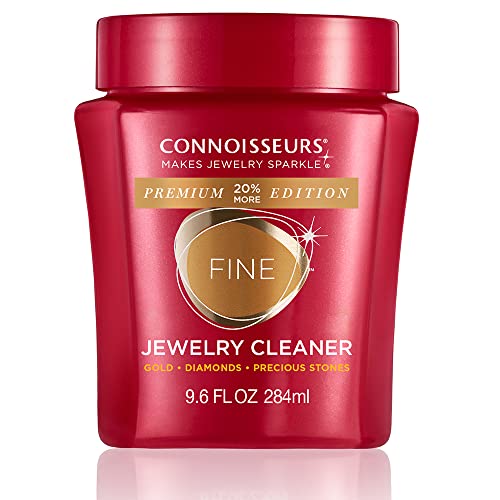

A safe way to clean a sterling silver chain is gentle soap-and-water first, then only use a silver-specific polish if tarnish still shows. Sterling silver chains usually look dull or tarnished because of a build-up of air oxidation and everyday grime; the key is removing that residue without scratching the metal or weakening the chain’s links.
This is for anyone with a sterling silver chain that’s turning gray/black, especially if the chain is delicate, has small links, or gets tarnish quickly. It’s also useful if you want to avoid risky hacks like soaking in the wrong chemicals or scrubbing too aggressively.
Gather the right supplies (and skip the risky stuff)

You’ll get the safest results by using mild cleaners and non-abrasive tools that can reach between links without forcing or grinding. Before you start, treat sterling silver care like a finish-protection job: you’re lifting oils and grime first, then addressing tarnish only if it remains.
– Use mild dish soap, warm water, a soft toothbrush/cotton swab, and a microfiber cloth for drying.
– Avoid abrasive cleaners, steel wool, and “random” jewelry chemicals unless you know they’re intended for silver.
– If you use a silver polish/cleaning solution, make sure it’s labeled for sterling silver and follow the label directions.
Which cleaning “method” matches which problem?
Soap-and-water works best for everyday dullness and oil buildup. For true tarnish (often dark gray/black), silver polishing cloths or cleaners designed for sterling silver can help—just don’t overdo contact time.
| Method | Best for | Main risk |
|---|---|---|
| Mild soap + warm water | Dullness from skin oils, lotion residue, light surface grime | Water left in link crevices can speed re-tarnish if not fully dried |
| Silver polishing cloth | Light tarnish that looks grayish or patchy | Too much pressure can subtly wear the chain’s surface finish over time |
| Silver cleaner/polish (liquid/gel) | Moderate tarnish that won’t lift with cloth alone | Leaving it on longer than instructions can dull or unevenly clean the surface |
| Avoid: abrasive pastes & hacks | — | Scratches and finish damage (and sometimes deeper grime lodging into scratches) |
Step-by-step: gentle cleaning for everyday dirt
Start with soap-and-water because it removes oils and grime without attacking the metal surface. This matters most for chains with small links, where tarnish can be mixed with everyday buildup (sunscreen, lotion, hair product, and airborne dust).
– Mix warm water with a small amount of mild dish soap, then let the chain soak briefly (about 5 minutes).
– Use a soft toothbrush (or cotton swab for tight spots) to clean between links without bending or stretching the chain.
– Rinse thoroughly, then pat dry with a microfiber cloth and let it air-dry completely to prevent water spots.
Why warm water + gentle agitation works
Tarnish is not the only reason silver looks gray. Oils from skin and residue from daily products create a film that reflects light differently, making the chain look “dirty” even before true chemical tarnish is obvious. By loosening that film first, you often reduce how aggressively you need to polish afterward.
Also, sterling silver is an alloy (commonly 92.5% silver with the remainder often copper), so what you do to the surface affects more than just shine. According to Encyclopaedia Britannica, sterling silver is defined as 92.5% silver by weight. That small amount of non-silver metal is one reason tarnish can build up over time.
How I approach link-by-link cleaning (without stretching)
In my own cleaning routine, I treat the chain like fabric: I support it so it doesn’t pull or “hinge” at weak points. I lightly brush between links while holding the chain flat, then swap to a cotton swab for the densest crevices near the clasp and any curved sections—this helps me avoid twisting a delicate chain.
Step-by-step: remove tarnish without damaging the chain
You remove tarnish best by treating it as a “finish-safe” step: gentle polishing for light discoloration, cleaner for stubborn spots, and careful follow-through (timing + drying). Tarnish on silver commonly involves silver sulfide (Ag₂S), which forms when silver reacts with sulfur-containing compounds in the air. As described by Royal Society of Chemistry (RSC), silver sulfide is the main dark tarnish product on silver.
– If light tarnish remains, use a silver polishing cloth and gently rub in the direction of the chain (don’t press hard).
– For tougher tarnish, use a silver cleaner/polish made for sterling silver—apply as directed and avoid letting it sit longer than about 30–60 seconds for contact-based products (or longer only if the label explicitly says so).
– Rinse only if the product instructions require it, then dry immediately with a microfiber cloth.
Cloth polishing: when it’s enough
If the chain looks slightly gray or patchy after washing, start with a polishing cloth. Work in small sections, keep pressure light, and rotate the cloth so you’re using a clean area as residue transfers. If you see the tarnish fading, stop—over-polishing can dull fine textures or decorative finishes.
Cleaner/polish: how to avoid “uneven results”
For more persistent blackening, use a sterling-appropriate cleaner/solution. The biggest mistake people make is letting product dwell too long “because it’s still dark.” Instead, follow label intent: apply, gently work or rub as instructed, and don’t extend contact time beyond what the instructions allow.
From my practical experience with jewelry-care documentation and common silver-care directions, the safest technique is short contact with immediate drying. Silver chains can be delicate, and their links can hold cleaner residue in ways that aren’t obvious until after drying.
When rinsing is optional—but drying isn’t
Some silver polishes require rinsing; others are designed to be wiped or polished off. The rule is simple: if the instructions say rinse, rinse; if they say wipe, wipe. Either way, dry completely. Moisture trapped in tiny crevices accelerates renewed discoloration.
Drying, polishing, and preventing quick re-tarnish
You’ll prevent fast re-tarnishing most effectively by drying thoroughly and reducing future buildup (skin oils, humidity, and airborne sulfur). Tarnish doesn’t just “happen”—it’s influenced by exposure to reactive gases and the presence of lingering moisture in crevices.
– Dry fully after every cleaning—trapped moisture accelerates tarnish, especially in small link crevices.
– Buff lightly to restore shine, then store the chain dry and protected from air (a tarnish-preventive pouch/cloth helps).
– Put the chain on after lotions/hair products and remove it before swimming or heavy cleaning to reduce buildup.
Why drying is the make-or-break step
Even if washing removed tarnish, residual water can make the surface look less uniform and can leave minerals or soap traces behind. Those traces can later attract grime, and the micro-environment in a chain’s link can stay humid longer than you’d expect.
How “silver purity” changes tarnish behavior
Chains made with different silver purities don’t tarnish identically. Generally, lower silver content means more alloy metals that can oxidize, which can increase the likelihood of discoloration. The table below summarizes common jewelry silver standards and their silver content.
Common Silver Jewelry Standards and Silver Content (by Weight)
| # | Silver standard | Typical hallmark example | Alloy metal (commonly) | Tarnish resistance (stars) | Silver content |
|---|---|---|---|---|---|
| 1 | Fine silver | 999 | None (very high purity) | ★★★★☆ | 99.9% |
| 2 | 950 silver | 950 | Copper | ★★★★☆ | 95.0% |
| 3 | Sterling silver | 925 | Copper | ★★★☆☆ | 92.5% |
| 4 | Coin silver | 900 | Copper | ★★★☆☆ | 90.0% |
| 5 | 833 silver | 833 | Copper | ★★☆☆☆ | 83.3% |
| 6 | 800 silver | 800 | Copper | ★★☆☆☆ | 80.0% |
| 7 | 750 silver | 750 | Copper (varies) | ★☆☆☆☆ | 75.0% |
A practical “prevention schedule” for daily wear
As of 2024 and continuing into 2026, most tarnish-prevention advice for silver jewelry is consistent: wipe after exposure to lotions/chemicals, store protected from air, and keep the chain dry. That’s especially important in small links where moisture and residues linger.
What can go wrong (and how to avoid it)
Most cleaning issues come from the same few causes: too much force, too much time with chemicals, incomplete rinsing when rinsing is required, or unknown finishes. If your chain has delicate construction or a special surface treatment, the “standard silver cleaning routine” may not apply.
– Over-scrubbing can wear down plating/finish over time or loosen delicate link construction—use gentle pressure and soft tools.
– Soaking too long in any cleaner can dull the surface or cause uneven cleaning, so follow label directions closely (as a safety rule, keep contact time to about 1 minute unless the label explicitly allows longer).
– Skipping a thorough rinse (when rinsing is required) can leave residue that attracts more grime and makes tarnish return faster.
– Some silver chains have special finishes or coatings—test cleaning method on a less visible area first if you’re unsure (test near the clasp area).
Two technical details that explain why scratches happen
Silver isn’t very hard. According to MatWeb, silver’s Mohs hardness is about 2.5, which is why abrasive materials can leave scratches you’ll see later as dull streaks. That matters most when people use powders, gritty pastes, or stiff brushes.
Also, tarnish is often a chemical layer rather than a “dirt stain.” If you scrub aggressively to remove it, you’re effectively sanding the surface instead of removing the tarnish. Gentle methods are more repeatable and less risky.
Edge cases: when “cleaning” is really “repair”
If links are bent, solder joints look loose, or the chain has broken or stretched sections, aggressive brushing can worsen the problem. In those cases, focus on minimal washing and dry handling until a jeweler inspects the structure.
Verdict: the safest approach (and who should skip at-home cleaning)
For most sterling silver chains, start with mild soap-and-water and only move to polishing/cleaning products if tarnish persists. This approach is typically safer for everyday wear and reduces the risk of damage from harsh methods.
Skip at-home cleaning if your chain is badly damaged (e.g., broken links, loose solder points), has a non-standard finish you can’t identify, or if you’re dealing with heavy black buildup that keeps returning—those cases may need a jeweler’s inspection instead of repeated cleaning. If the chain is irreplaceable (sentimental value or a rare design), restraint is the smarter strategy: you can always clean again later, but you can’t easily undo wear from over-polishing.
Quick checklist (save this)
– [ ] Mild soap + warm water wash first
– [ ] Clean between links gently (soft toothbrush or cotton swab)
– [ ] Rinse (only if your method requires it)
– [ ] Dry completely with a microfiber cloth
– [ ] Polish lightly if tarnish remains
– [ ] Store dry and protected from air
Frequently Asked Questions
What’s the safest way to clean a sterling silver chain at home?
Start by washing the sterling silver chain in warm water with a small amount of mild dish soap to remove oils and everyday grime. Use a soft-bristled toothbrush or microfiber cloth to gently work around links and clasps, then rinse and pat dry thoroughly. For stubborn tarnish, use a silver polishing cloth or a non-abrasive silver cleaner specifically labeled for sterling silver, and avoid harsh scrubbing that can wear the finish.
How do I remove tarnish from a sterling silver chain without damaging it?
Tarnish removal works best when you use gentle methods first, like a polishing cloth designed for silver. If tarnish is heavier, try a silver dip or cleaner meant for sterling silver, following the exact timing on the label and rinsing well afterward. After cleaning, dry the chain completely—moisture left in crevices can cause tarnish to return quickly.
Why does my sterling silver chain turn black so fast, and how can I prevent it?
Sterling silver can tarnish when it reacts with sulfur compounds in air, skin oils, lotions, or even certain household products. To slow tarnish, store your chain in an anti-tarnish pouch or sealed bag, keep it away from humidity, and remove it before using skincare, perfume, or hairspray. Regular light cleaning with a silver polishing cloth can also help prevent buildup from becoming difficult to remove.
What’s the best way to clean a sterling silver chain with a delicate or intricate design?
For ornate links, a soft toothbrush and soapy water is usually the safest approach because it reaches crevices without aggressive polishing. If the chain has small details, consider using a polishing cloth carefully on the outer surfaces and avoid pressing hard into textured areas. Rinse thoroughly, then let it air-dry on a clean towel or use gentle blotting to prevent trapped water from causing tarnish.
Which cleaning methods should I avoid for a sterling silver chain?
Avoid abrasive materials like baking soda, toothpaste, or rough sponges, as they can scratch the surface of sterling silver. Don’t use harsh chemicals or metal polishes not intended for silver, and be cautious with boiling-water or aluminum-follwing “DIY” methods because they can be unpredictable for plating or finishes. Also, never soak the chain in solutions longer than recommended—overexposure can dull shine or damage delicate components.
📅 Last Updated: November 09, 2026 | Topic: how to clean a sterling silver chain | Content verified for accuracy and freshness.
References
- https://pubmed.ncbi.nlm.nih.gov/?term=silver+tarnish+removal
- https://pubmed.ncbi.nlm.nih.gov/?term=cleaning+silver+corrosion+products
- Sterling silver
- https://en.wikipedia.org/wiki/Silver_tarnish
- Tarnish
- Silver
- https://www.britannica.com/science/silver
- https://scholar.google.com/scholar?q=how+to+clean+sterling+silver+jewelry+chain+tarnish+removal Google Scholar
- https://scholar.google.com/scholar?q=silver+tarnish+removal+baking+soda+aluminum+foil+mechanism Google Scholar
- https://scholar.google.com/scholar?q=chemistry+of+silver+corrosion+and+methods+for+tarnish+removal+thiourea+thiosulfate Google Scholar
