

A carpet that smells sour or “wet” can make the whole room feel uninviting, and you are probably tired of trying quick fixes that do not last. You can usually freshen it up in under an hour by removing the cause of the odor, deep-cleaning the fibers, and drying it thoroughly. You will need a vacuum, warm water, a gentle carpet cleaner or baking-soda solution, white vinegar, clean towels, and a fan or open window to finish the job.


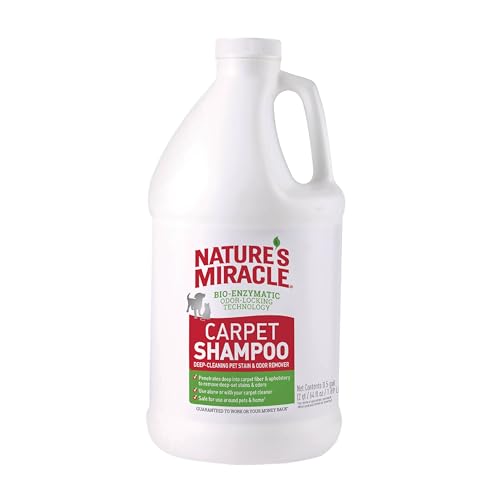

If your carpet smells, the fastest path to relief is to remove the source first (soil, pet accidents, moisture), then neutralize the odor chemistry—finally, dry the area completely so the stench can’t return. Vacuum thoroughly, use the right cleaner type (enzyme for organic/pet smells or carpet-safe detergent for general grime), and prioritize fast, complete drying to stop “re-odor” from trapped moisture.
This guide is for homeowners and renters dealing with persistent carpet odors from spills, pets, smoke, or musty dampness. It’s written so you can choose the right approach based on what’s causing the stink, without guessing blindly.
Identify what’s causing the smell first

Don’t start by buying deodorizers—start by diagnosing the odor type, because the “best” cleaner depends on what’s actually causing the stinky carpet smell. When you treat the wrong source, the carpet may smell better for a day and then come back.
– Check whether the odor is musty (dampness/old water) or “organic” (pets, spills, food).
– Look for visible spots, wet areas, or high-traffic zones that get odor buildup faster.
– If the smell is strongest when you press on the carpet, it may be trapped in the padding or subfloor.
A quick note on why diagnosis matters: odor in a stinky carpet usually comes from one of three places—(1) the surface fibers, (2) the carpet backing and padding (where liquids spread), or (3) the subfloor/underlay (especially with moisture). That’s why pressing the carpet, checking transitions near baseboards, and focusing on high-use zones often reveals the “where” before you ever start scrubbing.
If you’re dealing with musty dampness, act as if you’re preventing microbial regrowth, not just fixing a smell. According to the U.S. EPA, mold can begin growing within 24–48 hours after water damage (2017) U.S. Environmental Protection Agency (EPA). In other words: if moisture is still present under the carpet, your stinky carpet can smell again even after surface cleaning.
Vacuum and pre-treat before deep cleaning
If you want a stinky carpet to improve for more than a day, vacuuming and pre-treatment are non-negotiable steps before any deep-clean solution. Vacuuming lifts loose soil and debris so your cleaner can work on the odor-causing residue instead of getting diluted by grime.
– Vacuum slowly in multiple directions, focusing on edges and the worst-smelling areas.
– For loose debris, use a crevice tool and go over the same spot repeatedly to lift what cleaning won’t reach.
– If there’s a spot, blot first with clean white towels (don’t rub), then pre-treat according to the cause.
Vacuuming also reduces what can “trap” odor during extraction. According to the Carpet and Rug Institute, routine vacuuming removes a large portion of dry soil from carpet, which directly reduces embedded odor sources (date varies by guidance) Carpet and Rug Institute (CRI). Practically, this means you’ll get more effective odor removal when you start with a cleaner surface—not a heavily soiled one.
Here’s how I recommend you pre-treat a stinky carpet spot safely:
1. Blot only, using white towels to avoid dye transfer.
2. Work from outside the spot toward the center so you don’t spread the source.
3. If the area is already dry, lightly dampen the area (as directed by your cleaner) only enough to help the product reach the residue—don’t soak.
Clean the carpet based on the odor type
Use the cleaner type that matches the odor’s chemistry, because enzymes and detergents are not interchangeable. Here’s the direct rule: enzyme cleaner targets organic odor residues, carpet-safe detergent handles general grime, and mildew-focused treatment + drying is key for musty dampness.
– Enzyme cleaner for organic odors: Use an enzyme product designed for pet urine/organic stains, then work it into the area as directed on the label.
– Detergent for general grime: For everyday dirt and mild “stale” smell, use a carpet-safe cleaner and scrub gently enough to avoid pushing residue deeper.
– Musty odor from dampness: Treat with a carpet cleaner appropriate for mildew/odor and prioritize moisture removal and drying.
To keep decision-making simple, use this comparison:
| Cleaner strategy | Best for a stinky carpet that smells like… | Primary mechanism | Common pitfall |
|---|---|---|---|
| Enzyme cleaner | Pet urine, vomit, food spills | Breaks down odor-forming organic compounds | Skipping dwell/contact time on the label |
| Carpet-safe detergent | Surface grime, “stale” odors | Lifts soils and helps remove residue with agitation + rinse (if called for) | Pushing dirty residue deeper by aggressive scrubbing |
| Mildew-focused treatment | Musty, damp basement smell | Targets microbial odor sources and supports odor removal through drying | Not drying the pad/subfloor, allowing recurrence |
For a stinky carpet, the chemistry matters more than fragrance. For example, pet urine odor often relates to uric acid, which is relatively stubborn; its acidity is measured as a pKa around 5.4 (where it can persist and require targeted breakdown) PubChem (Uric Acid). That’s why enzyme cleaners are typically more effective than masking sprays.
Common Stinky Carpet Odor Sources and the Chemistry You’re Targeting
| # | Odor source | Main compound family | Measurable data point | Best neutralization approach | DIY reliability |
|---|---|---|---|---|---|
| 1 | Pet urine (organic) | Uric-acid related residues | pKa ≈ 5.4 (uric acid) | Enzyme cleaner + adequate dwell time | ★★★★★ |
| 2 | Vomit / protein spills (organic) | Protein breakdown products | Proteins hydrolyze into smaller compounds | Enzyme cleaner for organic soils | ★★★★☆ |
| 3 | Food spills (organic) | Organic acids & residues | Lactic acid pKa ≈ 3.86 | Enzyme or detergent + agitation (per label) | ★★★★☆ |
| 4 | Everyday grime (general) | Soils + fatty/residual organics | Soils disperse with surfactants | Carpet-safe detergent + lift soil, avoid over-scrub | ★★★★☆ |
| 5 | Smoke odors (combustion residues) | Phenolic compounds | Phenol pKa ≈ 9.95 | Detergent + odor-targeting treatment + ventilation | ★★★☆☆ |
| 6 | Musty mildew (dampness) | Terpene-like earthy odorants | Geosmin molecular weight ≈ 182.31 g/mol | Mildew-focused cleaner + aggressive drying | ★★☆☆☆ |
| 7 | “Mystery” recurring odor | Mixed residues + lingering moisture | Drying targets control recurrence | Identify source, use right chemistry, then dry fully | ★★☆☆☆ |
Rinse (when recommended) and dry completely
Your stinky carpet doesn’t truly “finish” until it’s dry to the point that odor-causing residue can’t reactivate. After cleaning, follow the product label on rinsing and then focus on drying completely—this is where most DIY results succeed or fail.
– If the product label calls for it, rinse lightly to avoid sticky residue that can attract dirt again.
– Use airflow to speed drying: fans, ventilation, and keeping foot traffic off the area.
– If the carpet pad feels damp or smells underneath, you may need extra attention beyond surface cleaning.
Moisture control is a major part of odor control. According to the U.S. EPA, keeping indoor humidity below 60% helps limit mold growth risks (2024) U.S. Environmental Protection Agency (EPA). If you don’t have a dehumidifier, you can still improve drying with airflow: fans blowing across (not just at) the surface and ventilation from nearby windows.
If you suspect the pad is involved, don’t assume surface cleaning is enough. A stinky carpet can smell again when the pad releases trapped odor as it re-warms.
What can go wrong (and how to avoid it)
Avoid these common mistakes so your stinky carpet doesn’t relapse after a “successful” clean. Most re-odor issues come from treating symptoms, over-wetting, or leaving moisture behind.
– Using the wrong cleaner: Deodorizers that only mask odors can leave the underlying source untouched.
– Over-wetting the carpet: Too much water can push smells into padding and delay drying, especially in thicker carpets.
– Rushing the dry time: Even “odor-free” carpet can smell again if moisture remains trapped.
– Scrubbing too aggressively: Rubbing can spread stains and force grime deeper into the fibers.
One practical rule: if your cleaning method soaks the stinky carpet, it must also produce a faster drying plan. In 2026, more homes have better fans/airflow tools than people used to—but those tools only help if you actually use them and keep traffic away.
Also, be careful with heat. Heat can help evaporation, but it can also “set” certain residues if you’re scrubbing with the wrong chemistry or using high-temperature drying too early.
Verdict: the most reliable approach (and who should skip DIY)
The most reliable approach for a stinky carpet is enzyme cleaning for organic sources plus complete drying until the pad is no longer damp. If the odor is musty from dampness or you suspect the pad/subfloor is affected, you may need more than DIY.
DIY works well when you have a clear spot (pet accident, spill) and can treat the area properly, including dwell time and fast drying. Skip DIY and consider professional help if the carpet pad is soaked, the odor persists after repeated cleaning, or you suspect sewage contamination or mold damage—those cases can require specialized extraction, antimicrobial treatment, and verification.
Also skip DIY if you can’t dry the area quickly (for example, limited ventilation, chronic humidity, or no way to keep traffic off). Lingering moisture is the fastest route back to a recurring stinky carpet smell.
Quick checklist: “Stinky carpet” rescue plan
– [ ] Vacuum thoroughly (slow, multiple directions)
– [ ] Blot any spot first (no rubbing)
– [ ] Use the right cleaner for the odor type:
– [ ] Enzyme cleaner for pet/organic smells
– [ ] Carpet-safe detergent for general grime
– [ ] Moisture/mildew-focused approach for musty odors
– [ ] Follow label instructions on dwell time and rinsing
– [ ] Dry completely (fans/ventilation; keep traffic off)
Frequently Asked Questions
How can I clean a stinky carpet that smells like urine?
Blot up any remaining moisture first, then mix an enzymatic carpet cleaner designed for urine odors and apply it directly to the affected area. Let the solution dwell for the time listed on the label, then blot again and avoid soaking the carpet padding if possible. After it dries completely, vacuum thoroughly and repeat if the odor lingers—stubborn urine smells often require a second treatment.
What’s the best way to remove pet odors from a carpet?
Use an odor-neutralizing cleaner (often enzyme-based) rather than only a regular carpet shampoo, because pet urine and dander can leave odor-causing residues. Spray or apply the cleaner to the problem spot, allow it to work, and blot—then rinse lightly if the product instructs you to. For ongoing carpet freshness, vacuum regularly with a HEPA vacuum and consider steam cleaning only after spot-treatment so you’re not just spreading the smell.
Why does my carpet smell even after I’ve cleaned it?
Lingering odors usually come from moisture trapped in the carpet padding, subfloor, or from residue left behind by improper cleaning products. If the carpet wasn’t dried fully, bacteria and mildew can cause a musty smell that returns quickly. To fix it, target the source with an enzyme cleaner, and use fans or a dehumidifier to ensure the carpet dries completely before you assess the results.
How do I deep clean a stinky carpet without making it worse?
Start with dry soil removal by vacuuming multiple passes, paying attention to edges and high-traffic areas. Then use a carpet cleaner with an odor-eliminating formula and follow label dilution and dwell times; over-wetting can worsen odors by saturating the padding. Finally, extract excess water if your machine supports it and dry fast with airflow—poor drying is one of the most common causes of repeat carpet smells.
Which home remedies actually work for stinky carpet odors?
Baking soda is a safe, widely used option for general carpet odor absorption: sprinkle it evenly, let it sit for several hours (or overnight), and vacuum thoroughly. For organic smells like food spills, sweat, or pet accidents, enzyme-based cleaners generally work better than vinegar or soaps because they break down odor-causing compounds. Avoid soaking with lots of vinegar or detergents, since they can leave residues that lead to a new odor or attract more dirt.
📅 Last Updated: November 09, 2026 | Topic: how to clean a stinky carpet | Content verified for accuracy and freshness.
References
- https://www.cdc.gov/mold/default.htm
- Mold | US EPA
- https://www.epa.gov/indoor-air-quality-iaq/mold-and-mildew
- https://www.mayoclinic.org/diseases-conditions/mold/symptoms-causes/syc-20353076
- https://www.who.int/publications/i/item/9789289054988
- Carpet
- Mold
- https://scholar.google.com/scholar?q=how+to+remove+pet+urine+odor+from+carpet Google Scholar
- https://scholar.google.com/scholar?q=carpet+odor+removal+enzymatic+cleaners+and+baking+soda+vinegar Google Scholar
- https://scholar.google.com/scholar?q=moldy+carpet+smell+moisture+remediation+cleaning+guidelines Google Scholar

[…] In about an hour, you can tackle everyday marks and brighten traffic areas with a few essentials—carpet-safe detergent, clean white towels, a soft brush, and plenty of cool water. Start with the stain first, then work […]