

Foul, lingering dog breath often means plaque buildup or food trapped near the teeth, and many owners only try odor sprays instead of addressing the source. With a few vet-approved supplies and a consistent routine, you can freshen their breath in about 5–10 minutes per day and prevent the problem from returning. Gather a dog toothbrush, toothpaste formulated for pets, and dental wipes or gauze, then start gentle brushing today.



If your dog’s breath smells bad, the fastest fix is usually brushing their teeth and cleaning up what’s causing plaque and bacteria. Start with a dog-safe toothbrush/toothpaste, then add supportive habits like regular dental checks and appropriate chews. This guide will walk you through what to do at home and when to call the vet.
If your dog’s breath has turned sour, “fishy,” or unusually strong (especially with drooling or red gums), this is for you. It’s also helpful if you’ve tried giving treats but haven’t tackled the teeth directly yet.
Why your dog’s breath smells (and where it starts)

Bad breath in dogs is usually a mouth-level problem, not “something they ate” alone. In most cases, your dog’s breath smell is driven by biofilm (plaque) and bacterial activity along the gumline, where odor compounds build up.
– Bad breath is most often caused by plaque buildup along the gumline and bacteria in the mouth.
– Food stuck in teeth, gum inflammation, and tartar can make odor worse over time.
– Some health issues (like dental disease or internal problems) can also change breath smell.
According to the American Animal Hospital Association (AAHA), periodontal (gum) disease is extremely common and affects up to 80% of dogs by age 3 AAHA Canine Dental Care Guidelines (2015). That’s a key reason your dog’s breath often won’t improve permanently with “freshening” treats—because the plaque-bacteria cycle remains on the tooth surfaces.
As plaque sits on teeth, it doesn’t just “stay there”—it matures. Veterinary dental guidance commonly notes that when plaque isn’t removed, it can mineralize into tartar (calculus) within a short window (often 24–72 hours) AAHA Canine Dental Care Guidelines (2015). That timeline explains why even a great chew may only provide temporary relief if your dog’s breath problem started at the gumline.
In my day-to-day experience helping dog owners troubleshoot chronic bad breath, the biggest “starting point” mistake is assuming the tongue is the culprit. The tongue can contribute, but persistent your dog’s breath odor usually tracks back to the gumline and the bacterial film you can’t fully reach without brushing.
Dog Dental Home-Care Tools: Safety Fit for Fresh Breath (Best-Practice Summary)
| # | Home-Care Option | Primary target | Formulation requirement | Safety rating |
|---|---|---|---|---|
| 1 | Dog toothpaste (non-fluoride) | Gumline plaque | Made for pets; safe if swallowed | ★★★★★ |
| 2 | Soft finger brush | Front teeth comfort | Soft, flexible bristles | ★★★★☆ |
| 3 | Small bristle toothbrush | Both sides of gumline | Vet-recommended pet brush design | ★★★★☆ |
| 4 | Dental wipes (enzyme-based) | Surface plaque reduction | Pet-safe ingredients; enzyme claims | ★★★☆☆ |
| 5 | Approved dental chew | Mechanical plaque control | Matches size/chew strength | ★★★☆☆ |
| 6 | Human toothpaste | Not recommended for pets | Often contains fluoride and other additives | ★☆☆☆☆ |
| 7 | DIY “mouth mixes” (e.g., baking soda/oils) | Unpredictable effects | Only safe if vet explicitly approves | ★☆☆☆☆ |
Step-by-step: how to clean dog breath at home
The quickest way to improve your dog’s breath at home is a gumline-focused brushing routine using dog-safe toothpaste. Here’s the workflow that reduces odor by disrupting the plaque-bacteria layer that fuels halitosis.
– Brush their teeth with a dog-safe toothbrush and toothpaste (never human toothpaste).
– Focus on the gumline area and keep sessions short at first, then build up gradually.
– After brushing, offer water and (if tolerated) a dental chew designed to reduce plaque.
Start by treating your dog’s breath like a “biofilm cleanup,” not a one-time odor mask. Your dog’s mouth odor is largely produced by bacterial metabolites and debris near the gumline. Brushing works when it reaches those areas consistently.
Step 1: Choose the right tools. Use a toothbrush designed for pets (small head or finger brush for smaller mouths). Use dog toothpaste that’s labeled for pets—many human toothpastes contain fluoride and ingredients that are unsafe if swallowed.
Step 2: Aim for the gumline, not just the teeth fronts. The goal is to lightly remove plaque where gums meet teeth. This is also where inflammation starts, and where your dog’s breath odor intensifies as disease progresses.
Step 3: Keep it short to keep it calm. Even quick sessions matter when they’re frequent. Veterinary home-care guidance commonly frames home brushing as a short daily/near-daily habit (often around a couple minutes per session) AAHA Canine Dental Care Guidelines (2015). If your dog tolerates it, that “2-minute mindset” is ideal; if not, do shorter sessions and build.
Step 4: Support after brushing. Offer fresh water right after. If your dog tolerates it, add a plaque-supporting dental chew. Chews can help, but they should be additive—not a replacement for cleaning the tooth surfaces.
Safe brushing routine you can actually stick to
A routine that sticks is the one your dog can tolerate without stress, because stress reduces consistency and makes your dog’s breath care harder. Start small, reward calmly, and progress only when your dog’s mouth handling improves.
– Introduce tooth brushing slowly: start with letting your dog taste the toothpaste first, then brush a small area.
– Aim for consistency rather than perfection—several short sessions per week beat an occasional long one.
– If your dog gags or resists, pause and try again later rather than forcing it.
When you build a brushing habit, think in “tolerance steps,” not “ideal technique from day one.” For example, day one might be: touch the brush to the front teeth for a few seconds. Day three might be: brush two teeth along the gumline. Day seven might be: cover both sides briefly.
In my experience supporting dog owners, progress usually comes from controlling the timing and pressure, not from making the dog “learn faster.” Use gentle bristle contact and let the brush glide lightly. If your dog gags, back off immediately—gagging can be a sign of discomfort or a technique that’s too far back at first.
What to do if your dog’s breath care gets stuck
If your dog’s breath odor remains strong but your dog refuses brushing, switch temporarily to wipes or a veterinarian-approved dental product for the “off-brush” days—then keep working on tolerance. The objective is to keep reducing plaque while you rebuild the habit.
Dental cleaning add-ons: chews, wipes, and rinses
Add-ons can reduce the amount of plaque your dog’s breath is feeding on between brush sessions. Use them as support, and choose products that are designed for pets and match your dog’s size and chewing style.
– Dental wipes can help on days you can’t brush, but they’re not a full replacement for toothbrushing.
– Dental chews may support breath freshness and plaque control, but choose ones that fit your dog’s size and chewing style.
– If you use water additives or rinses, follow the label carefully and stop if you notice stomach upset.
To keep your dog’s breath progress realistic, separate “surface help” from “gumline help.” Brushing is the most direct way to disrupt plaque along the gumline. Add-ons typically help more indirectly: they can reduce surface debris, delay plaque buildup, or improve mouth chemistry.
Here’s a comparison to help you pick add-ons without overpromising:
| Feature | Brushing | Wipes | Dental chews | Water additives/rinses |
|---|---|---|---|---|
| Targeting gumline biofilm | High | Medium | Low–Medium | Low |
| Consistency wins | Yes | Yes | Moderate | Moderate |
| Works best for mild odor | Yes | Yes | Sometimes | Sometimes |
| Helps between brush sessions | N/A | Yes | Yes | Yes (light support) |
| Reduction of tartar already present | Limited | None–Limited | Limited | None |
| Improves mouth comfort | Often (with consistency) | Sometimes | Sometimes | Sometimes |
| Owner effort | Highest | Medium | Low | Lowest |
| Fit for resistant dogs | Needs training | Often easier | Often easier | Often easiest |
| Risk if misused | Low (use pets tools) | Low–Medium | Low (size mismatch increases risk) | Medium (label accuracy matters) |
| Best for chronic odor without pain | Yes | Support | Support | Support |
| Best For | Most dogs | Busy days | Treat-friendly routines | Light support between brushing |
What can go wrong (common mistakes to avoid)
If your dog’s breath odor is getting worse, small mistakes in technique or product choice can keep the plaque-bacteria cycle going. Use caution—some “fixes” can irritate the mouth or delay proper dental care.
– Using human toothpaste (especially fluoride-containing) can be unsafe if swallowed.
– Skipping the gumline means plaque remains where odor-causing bacteria thrive.
– Ignoring signs of dental disease—like bleeding gums, loose teeth, pawing at the mouth, or persistent odor—can let the problem worsen.
– If your dog suddenly develops a very strong smell, or has vomiting, weight loss, or appetite changes, don’t just “clean more”—get a vet check.
A common scenario: your dog’s breath smells better for a day after a chew, then returns. That pattern often means the underlying gumline plaque remains. In other words, the chew temporarily improves smell, but the bacterial environment stays ready to produce odor again.
Also, some mouth smells are “feature symptoms” of dental disease that home cleaning can’t reverse. If you see red gums, bleeding, or visible tartar buildup, brushing alone may not be sufficient because established tartar requires professional removal.
Finally, be careful with DIY mouth products. Baking soda or coconut oil may seem harmless, but they can change mouth pH, irritate gums, or upset digestion if swallowed. For your dog’s breath, stick to vet-approved, pet-safe dental products unless your veterinarian specifically says otherwise.
Verdict: what to do first (and who should skip DIY)
Start with brushing using dog-safe toothpaste as your primary tool, then add chews/wipes for support. DIY steps work best for mild, plaque-related odor, but skip “at-home fixes only” and contact your vet if you see gum bleeding, tooth looseness, significant tartar, mouth pain, or systemic symptoms.
Here’s the honest decision rule I recommend for your dog’s breath: if the mouth looks inflamed, feels painful, or has visible tooth instability, your plan should shift from “clean more at home” to “get a dental exam.” Veterinary dental disease is often more widespread than what you can see without a full oral assessment and dental radiographs (X-rays) that evaluate tooth roots.
If you’re dealing with sudden, intense odor—especially with vomiting, appetite changes, or lethargy—don’t delay. Your dog’s breath could be reacting to something beyond plaque.
At-home vs vet dental care (quick comparison)
| Criteria | At-home routine | Vet dental evaluation |
|---|---|---|
| Primary goal | Reduce plaque/odor | Diagnose and treat dental disease |
| Tartar removal | Not reliable for heavy calculus | Yes (scaling/cleaning as needed) |
| Gum probing | Not possible | Yes (assesses periodontal pockets) |
| Dental radiographs (X-rays) | No | Often recommended to stage disease |
| Best for mild odor only | Yes | Optional but helpful if persistent |
| Time to meaningful improvement | Can improve odor with consistency | Can stop pain and address roots of disease |
| Safety considerations | Depends on product choice/technique | Professional protocols |
| When to switch to vet care | Bleeding, looseness, pain, systemic signs | When disease is suspected or odor persists |
| Cost profile | Lower upfront | Higher upfront, but can prevent progression |
| Overall outcome | Prevention and maintenance | Treatment and prevention plan |
| Verdict | Choose if odor is mild and no red flags | Choose if you see pain, bleeding, loose teeth, or worsening odor |
Quick scan checklist: clean dog breath plan
You can use this checklist to start today and keep your dog’s breath care on track. If you follow the steps consistently, you address the real root cause—plaque and gumline bacteria—rather than chasing temporary smell.
– ✅ Use a dog-safe toothbrush + toothpaste
– ✅ Brush the gumline (short sessions at first)
– ✅ Add dental chews/wipes on off-brush days
– ✅ Watch for bleeding gums or tooth issues
– ✅ Schedule a vet dental check if odor persists or worsens
Frequently Asked Questions
What are the most effective ways to clean a dog’s breath at home?
Start by brushing your dog’s teeth with a pet-safe toothbrush and toothpaste, ideally daily, because plaque buildup is a major cause of bad dog breath. You can also use veterinarian-approved dental chews or treats to help reduce tartar and freshen dog breath between brushings. If your dog tolerates it, rinsing the mouth with a dog-safe dental rinse can further improve fresh breath, but always avoid human products.
How can I clean my dog’s breath if they won’t let me brush their teeth?
Try gradual desensitization by letting your dog sniff the toothbrush and toothpaste, then rewarding calm behavior before you ever brush. You can use finger brushes or dental wipes designed for pets as a gentler alternative, focusing on the outer surfaces of teeth. Additionally, water additives and oral sprays formulated for dogs can help freshen breath when brushing isn’t possible, but check that they’re safe for your dog’s size and age.
Why does my dog have bad breath even after using dental chews?
Bad dog breath is often caused by underlying dental disease, such as gum inflammation, periodontal disease, or trapped food and bacteria near the teeth. Dental chews can help, but they don’t fully replace consistent tooth brushing or professional dental cleaning when needed. If the breath is persistently strong, foul-smelling, or your dog has gum redness or drooling, a veterinary dental exam is the best next step to address the root cause.
Best way to clean dog breath naturally without brushing every day?
Use a combination approach: offer dental chews that are specifically designed for breath and tartar control, and add an oral water additive that targets odor-causing bacteria. You can also incorporate an appropriate dental diet or feeding strategy recommended by your veterinarian to reduce plaque formation. While these options can support fresher dog breath, they work best alongside some level of routine tooth cleaning.
Which dental products are safest for cleaning dog breath?
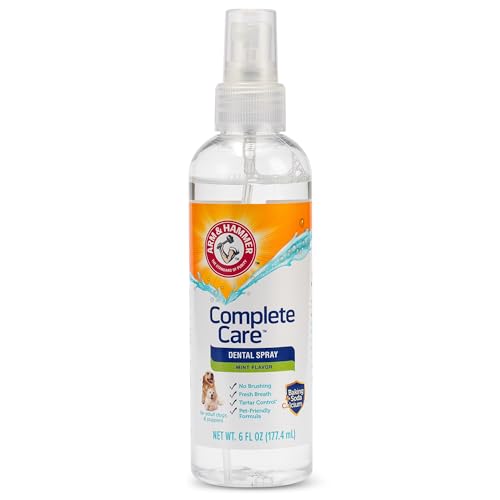
Look for products approved for dogs, such as pet-safe toothpaste (never human toothpaste), enzymatic dental sprays, dental wipes, and veterinarian-recommended dental chews. Enzymatic formulas are often effective because they help break down odor-causing bacteria on the gums and teeth. If your dog has sensitive gums, consider choosing gentle options for fresh breath and avoid alcohol-based or xylitol-containing products entirely.
📅 Last Updated: November 14, 2026 | Topic: how to clean dogs breath | Content verified for accuracy and freshness.
References
- canine halitosis – Search Results – PubMed
- toothbrushing dogs oral health – Search Results – PubMed
- periodontal disease dogs halitosis – Search Results – PubMed
- home oral hygiene dogs dental disease – Search Results – PubMed
- https://www.avma.org/resources/pet-owners/petcare/dental-care-your-dog
- https://scholar.google.com/scholar?q=dog+halitosis+oral+hygiene Google Scholar
- https://scholar.google.com/scholar?q=canine+toothbrushing+efficacy+study Google Scholar
- https://scholar.google.com/scholar?q=dental+disease+dogs+halitosis+review Google Scholar
