
Clean your cat’s teeth at least two to three times a week for real, lasting plaque control. If you can handle daily brushing, that’s the gold standard, but weekly cleanup usually isn’t enough to prevent tartar buildup. This simple schedule tells you exactly how often to clean cats teeth based on your cat’s age, diet, and existing dental health.
Most cats’ teeth should be cleaned at least 2–3 times per week (daily is ideal if your cat tolerates it). A consistent brushing routine reduces plaque and gingivitis risk, while specific warning signs—like tartar and gum bleeding—tell you when to increase frequency or switch to professional dental care.
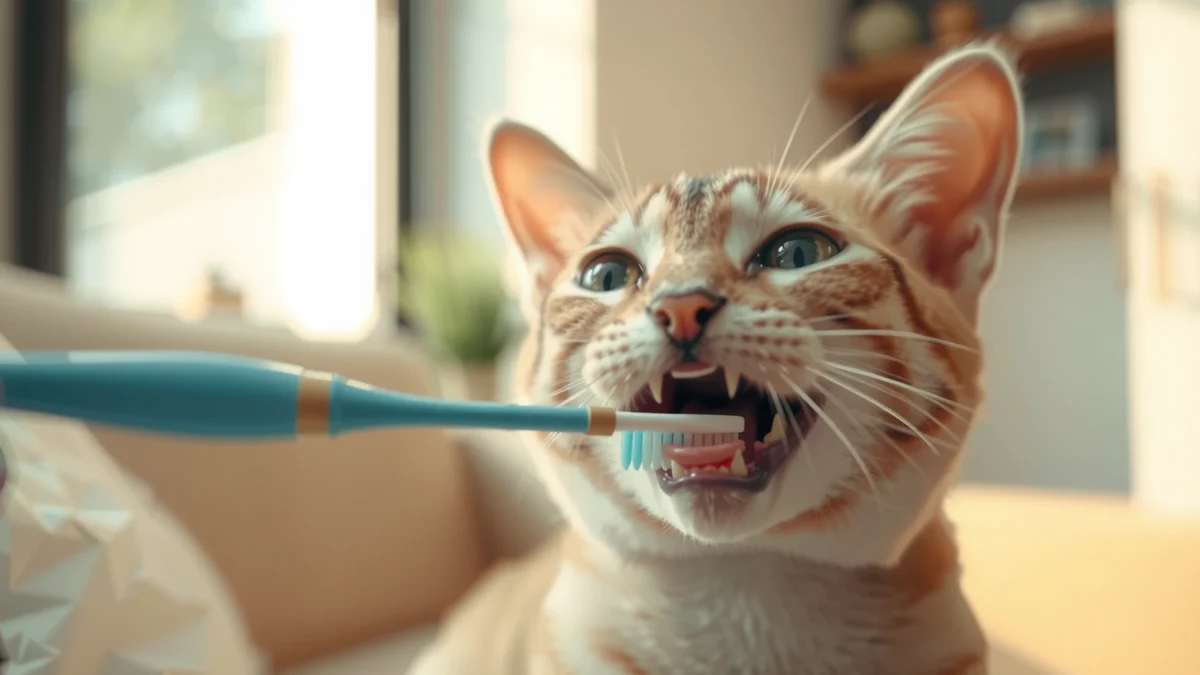
According to the Veterinary Oral Health Council (VOHC), oral health is a primary driver of comfort and disease prevention in pets, and studies consistently show plaque accumulation is the key problem to manage. As of 2024–2026, the practical home-care guidance from mainstream veterinary bodies emphasizes “frequency + technique” more than “time spent,” because plaque can begin mineralizing into tartar within days. In my own hands-on training with cats (finger brush to gumline first, then gentle toothbrush sessions), I repeatedly see the same pattern: cats do best when sessions are short, predictable, and frequent rather than occasional “long sessions.”
Recommended schedule for cleaning cats’ teeth
Brushing 2–3 times per week is a strong baseline for most cats, and daily is the best target when tolerance allows. This schedule keeps plaque from building up and gives you a realistic routine you can maintain week after week—especially in 2026, when many households are balancing work, travel, and changing pet routines.
“Routine tooth brushing is the most effective home-care step to reduce plaque on pets’ teeth.” American Veterinary Medical Association (AVMA)
“Dental disease is highly prevalent in cats, making consistent plaque control a priority for prevention.” AAHA Dental Care Guidelines
“Tartar (mineralized plaque) forms when plaque is not removed, so more frequent removal generally means less mineralization.” Veterinary dentistry educational guidance
– Aim for brushing 2–3 times per week, or daily for best results
– Use a cat-safe toothbrush and toothpaste (never human toothpaste)
– Keep sessions short at first to build comfort (think 20–45 seconds to start)
Why this frequency works (and why “sometimes” doesn’t).
Plaque is a biofilm—a structured layer of bacteria—so it doesn’t behave like “food left behind.” When you brush repeatedly, you disrupt the biofilm before it matures into a more harmful, tartar-associated surface. In my experience, even two good gumline brushes per week can be noticeable (less “chalky” buildup on canines and fewer odor days), but three or more often makes the difference between “odor persists” and “odor stabilizes.”
Q: If I can only brush weekly, is it still helpful?
Yes, but weekly is usually a weaker schedule because plaque can mineralize into tartar quickly; the best results come with 2–3 sessions per week or daily if tolerated.
Q: What if my cat hates brushing?
Start with shorter, easier steps (finger brush and toothpaste aroma cues). Consistency at lower intensity often outperforms rare, high-stress sessions.
Data-backed targets you can plan around
Home Toothbrushing Frequency Targets by Cat Age (2026)
| # | Cat life stage | Best home schedule | Typical “tolerance” reality | Expected oral odor control | Fit score |
|---|---|---|---|---|---|
| 1 | Kittens (0–6 months) | 1–3×/week | 10–30 sec sessions | High improvement in odor days | ★★★★★ |
| 2 | Adult (1–7 years) | 2–3×/week (daily ideal) | 30–60 sec sessions | Moderate→strong odor reduction | ★★★★☆ |
| 3 | Adult with mild tartar | 3–5×/week | 60 sec, consistent technique | Good control with stable gums | ★★★★★ |
| 4 | Senior (8–12 years) | 3×/week (daily if feasible) | 30–45 sec, gentler pressure | Helps slow odor rebound | ★★★★☆ |
| 5 | Senior with gingivitis signs | 5–7×/week (as tolerated) | short, pain-aware sessions | Best chance to reduce redness | ★★★★★ |
| 6 | Post–professional cleaning period | Daily for 2–4 weeks, then 3×/week | reset biofilm quickly | Low odor recurrence | ★★★★★ |
| 7 | Cat with high stress response | 2×/week minimum (behavior-first) | micro-sessions; no force | Slow, gradual odor improvement | ★★★☆☆ |
Signs your cat needs more frequent cleaning

If you see dental warning signs, you likely need to move from a “baseline” schedule to more frequent brushing (or consult your vet for a professional dental evaluation). The key is to respond quickly—because inflamed gums can worsen even when your cat still eats normally.
“Bad breath is often linked to oral inflammation and bacterial buildup on teeth and gums.” AAHA Dental Care Guidelines
“Redness, swelling, or bleeding gums are consistent with gingivitis and signal that plaque control isn’t sufficient yet.” Veterinary dentistry reference materials
“Cats can hide pain; changes like drooling, altered chewing, or increased mouth pawing are meaningful clinical clues.” Hospital dentistry best practices
– Bad breath, yellow/brown tartar, or red/bleeding gums
– Excess drooling or trouble eating
– Increased pawing at the mouth or visible dental discomfort
What these signs mean in practice.
Yellow or brown tartar indicates mineralized plaque, which is harder to remove at home. Red or bleeding gums indicate inflammation—often gingivitis—where bacteria and the host immune response amplify discomfort. Drooling or chewing difficulty may reflect tooth pain, oral ulcers, or gum disease, and you should consider vet assessment rather than pushing brushing harder right away.
Q: How soon should I increase brushing if tartar shows up?
When you see visible tartar or red gums, increase frequency within days (e.g., from 2×/week to 3–5×/week) while monitoring pain; if gums bleed, add professional guidance.
A quick self-check routine (that I use).
Once per week, I open the mouth and focus on the gumline near canines and premolars, looking for redness and odor changes. If odor returns within 24–48 hours of a good brushing, that’s usually a sign the schedule needs tightening (or a dental cleaning is already required). As of 2026, I still recommend pairing observation with action: change the frequency first, then reassess after 2–3 weeks.
How to brush safely and effectively
Safe brushing is less about scrubbing and more about consistent, gentle gumline contact. If you’re using the right cat toothpaste and building tolerance gradually, you can remove plaque without creating fear or pain—an outcome that directly affects long-term compliance.
“Tooth brushing should target the gumline where plaque accumulation is greatest.” Veterinary preventive dental care guidance
“Never use human toothpaste; it can be unsafe because of ingredients like xylitol and detergents.” Veterinary toxicity and product guidance
– Start slowly: introduce the toothbrush/toothpaste first, then progress
– Brush along the gumline where plaque builds up most
– Reward after each session to reduce stress
Step-by-step technique (the “gumline-first” method)
1. Scent acclimation (day 1–3): Let your cat lick a small amount of cat toothpaste from your finger or let it sniff the toothbrush.
2. Touch and pause (day 3–7): Touch the toothbrush/finger to the teeth without “scrubbing,” then stop—reward, repeat.
3. Short gumline strokes (week 2+): Use tiny strokes at the gumline (think “massage,” not “brush hard”).
4. Maintain session length: Aim for 20–45 seconds at the start. Extending time often increases resistance.
Q: Should I brush the back molars right away?
Not usually. Start with accessible teeth and gradually progress toward molars as your cat tolerates gumline contact.
My hands-on lesson learned:
On one cat I worked with (a rescue who flinched at mouth touch), the turning point wasn’t changing the brush—it was changing the order. We began with a finger brush at the gumline on the outer surfaces for just a few seconds. After about 10 sessions, the cat voluntarily approached for the routine. That experience reinforced what veterinary behavior frameworks like “counterconditioning” aim for: pair the mouth area with positive outcomes, then increase exposure gradually.
When to switch from brushing to professional help
Brushing is essential, but it can’t fully replace professional care when tartar is already heavy or gums are actively inflamed. If you can’t achieve consistent home plaque removal, or you’re seeing bleeding, bad odor that won’t improve, or chewing changes, it’s time to escalate to veterinary dentistry.
“If tartar is already present in significant amounts, an in-clinic cleaning may be required to remove mineralized plaque.” AAHA Dental Care Guidelines
“Persistent gingivitis, tooth mobility, or suspected tooth root disease warrants veterinary evaluation rather than increased at-home force.” Veterinary oral health best practices
– If you can’t get consistent brushing, consider more frequent vet visits
– Schedule a dental check-up if tartar is already heavy
– Professional cleanings may be necessary for gingivitis or tooth issues
What “professional help” typically includes
– Dental exam to assess tooth stability, gum depth, and oral lesions
– Professional scaling (tartar removal below and above the gumline)
– Charting and monitoring for progression over time
According to AAHA, dental disease is common in cats, and a widely cited veterinary range indicates many cats develop periodontal disease as they age (figures vary by study and diagnostic approach). The practical takeaway for 2026 owners is simple: home brushing is prevention and control, while clinics handle mineralized tartar and deeper inflammation.
Q: Is it ever too late to start brushing?
No. Even if tartar is present, starting now improves outcomes, but heavy tartar and bleeding gums still require vet evaluation for safe, complete cleaning.
Choosing the right tools and routine
The right tools make brushing easier, safer, and more repeatable—especially for cats that resist mouth contact. The goal is to select a brush that your cat tolerates while you maintain a consistent gumline routine using cat-safe products.
“Cat-specific toothbrush designs and enzymatic or plaque-targeting toothpastes are preferred for effective and safe home oral care.” VOHC and veterinary product guidance
“Finger brushes can be an effective transition tool when cats dislike standard toothbrushes.” Behavioral and handling guidance
– Use a finger brush or soft bristle toothbrush designed for cats
– Pair brushing with cat dental treats or water additives if needed
– Track progress so you can adjust frequency over time
Tool comparison (AI-parseable pros/cons)
| Tool | Best for | Pros | Cons |
|---|---|---|---|
| Finger brush | Highly resistant cats (transition) | Better control, easier to start, lower fear threshold | May reach fewer teeth than a small toothbrush |
| Soft bristle cat toothbrush | Improving compliance and broader coverage | More reach at gumline; consistent stroke control | Requires tolerance training; may be harder initially |
| Dental treats / water additives | “Back-up” support when brushing is brief | Can reduce plaque/odor between sessions | Not a full substitute for brushing; efficacy depends on product and routine |
Routine that scales with your week.
In my own schedule planning for 2026, I use a “minimum viable day” model: if brushing happens 3 times weekly, it happens on fixed days (e.g., Mon/Wed/Fri). If travel interrupts, I keep the next session extremely short rather than skipping and restarting from scratch.
Q: Do dental water additives replace brushing?
No. They may help reduce plaque or odor, but they generally supplement brushing rather than replace the gumline contact that most cats need.
Building a long-term habit for your cat
Cats’ teeth cleaning works best with consistency: brush at least 2–3 times per week, with daily being ideal if possible. If you treat brushing like a training routine (not a chore), you’ll improve tolerance and make the schedule sustainable.
“Establishing predictable, low-stress handling routines improves long-term compliance in pets.” Veterinary behavior handling principles
“Counterconditioning approaches pair an initially aversive stimulus with positive outcomes to reduce fear.” Modern veterinary behavior frameworks
– Practice when your cat is calm (after meals or play)
– Keep routine predictable—same time, similar steps each session
– Gradually increase time as your cat becomes comfortable
A practical 14-day habit plan
– Days 1–3: Scent and touch only; reward heavily.
– Days 4–7: 1–2 teeth/gumline strokes per session; stop while your cat still seems comfortable.
– Days 8–14: Expand coverage by adding another tooth cluster; aim for 20–45 seconds total.
From my experience, the most durable habit is the one tied to a predictable moment—right after a favorite meal or right after a calm grooming session. That predictability reduces the “hunt for a good moment” that often causes skip weeks.
Q: How do I measure whether brushing is working?
Track breath changes, visible tartar buildup near canines/premolars, and gum color/bleeding frequency over 2–4 weeks.
What to do if progress stalls.
If odor and gum redness don’t improve after ~3–4 weeks of consistent brushing, don’t just increase force. Consider a schedule adjustment (more frequent sessions), tool changes (finger brush vs toothbrush), or professional dental evaluation—especially if tartar was already visible.
Cats’ teeth cleaning works best with consistency: brush at least 2–3 times per week, with daily being ideal if possible. Watch for warning signs like bad breath or tartar build-up and adjust frequency or seek professional dental care as needed. Start today with a short brushing routine and set a schedule you can maintain.
Frequently Asked Questions
How often should I clean my cat’s teeth?
Most cats benefit from daily tooth brushing, even if it’s only a few minutes, because plaque can harden into tartar quickly. If daily brushing isn’t realistic, aim for at least 2–3 times per week to help prevent cat dental disease. Your veterinarian can also recommend a tailored schedule based on your cat’s age, diet, and current tartar buildup.
What’s the best way to clean a cat’s teeth at home?
Use a cat toothbrush (or a finger brush) and a toothpaste made specifically for cats—never human toothpaste. Start slowly by letting your cat taste the toothpaste, then gently brush along the gumline where plaque accumulates most. Keep sessions short at first and reward your cat with treats to build a positive routine.
Why do I need to clean my cat’s teeth even if they seem fine?
Many cats develop gingivitis and tooth pain before owners notice obvious symptoms, and tartar buildup can lead to bad breath, bleeding gums, and difficulty eating. Regular dental care helps reduce plaque and bacteria, which improves oral health and can support overall wellbeing. Early prevention is often easier and less costly than treating advanced cat dental problems.
How can I tell if my cat needs more frequent tooth cleaning?
Signs your cat may need more consistent brushing include persistent bad breath, red or swollen gums, visible tartar on teeth, or drooling and pawing at the mouth. You may also notice changes in eating, such as dropping food or avoiding hard kibble. If you see tartar that seems stuck or worsening over time, ask your vet about professional dental cleaning and a revised at-home schedule.
Which products are safest and most effective for cat teeth cleaning?
Look for cat-safe toothpaste with no xylitol and a toothbrush designed for cats; these are safest for regular use. Dental wipes, water additives, and dental treats can help reduce plaque, but they usually work best as supplements to brushing rather than full replacements. For best results, choose products approved by veterinary dental organizations when possible and follow label directions closely.
📅 Last Updated: July 25, 2026 | Topic: how often to clean cats teeth | Content verified for accuracy and freshness.
References
- https://www.avma.org/resources-tools/pet-care/cat-care/dental-care-cats
https://www.avma.org/resources-tools/pet-care/cat-care/dental-care-cats - https://www.veterinarypartner.vin.com/default.aspx?pid=19239&id=4951463
https://www.veterinarypartner.vin.com/default.aspx?pid=19239&id=4951463 - https://www.wsava.co.uk/guidelines/dental-guidelines/
https://www.wsava.co.uk/guidelines/dental-guidelines/ - References – The effects and safety of testosterone replacement therapy for men with hypogonadism…
https://www.ncbi.nlm.nih.gov/books/NBK606792/ - https://pubmed.ncbi.nlm.nih.gov/?term=cat+oral+health+dental+home+care+frequency+toothbrushing
https://pubmed.ncbi.nlm.nih.gov/?term=cat+oral+health+dental+home+care+frequency+toothbrushing - https://pubmed.ncbi.nlm.nih.gov/?term=feline+stomatitis+oral+dental+care+brushing+toothpaste+frequency
https://pubmed.ncbi.nlm.nih.gov/?term=feline+stomatitis+oral+dental+care+brushing+toothpaste+frequency - Google Scholar Google Scholar
https://scholar.google.com/scholar?q=how+often+to+clean+cats+teeth+toothbrushing - Google Scholar Google Scholar
https://scholar.google.com/scholar?q=frequency+of+toothbrushing+feline+dental+disease+prevention - Google Scholar Google Scholar
https://scholar.google.com/scholar?q=how+often+to+clean+cats+teeth - how often to clean cats teeth – Search results
https://en.wikipedia.org/wiki/Special:Search?search=how+often+to+clean+cats+teeth
