

If grease has backed up in your sink drain or you can hear the pipe draining slowly and badly, you are not imagining it. This usually happens when cooking fat, oils, and food residue build up along the inner walls of the drain line, gradually narrowing the flow. The steps below will walk you through clearing the grease safely and getting the pipe flowing normally again.


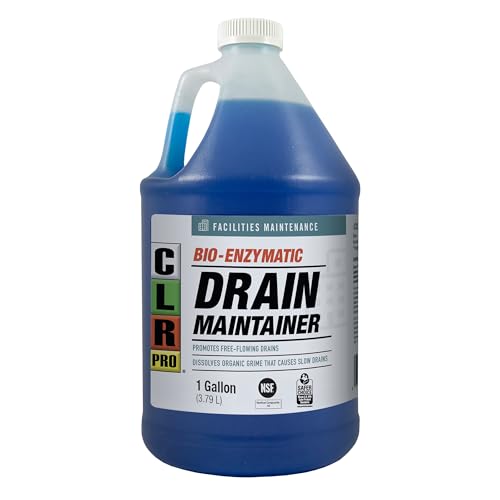

If your drain pipes are clogged with grease, the fastest approach is to loosen the buildup with hot water, then dissolve it with a grease-fighting degreaser (or enzyme cleaner) and finally flush thoroughly. This guide breaks the process into safe, practical steps—so you can restore flow without repeatedly pouring harsh chemicals that can worsen grease clogs.
This is for homeowners and renters dealing with slow drains, foul odors, or recurring clogs from kitchen grease (especially sinks). It’s also useful when you’re trying to clean the pipe before the backup gets worse or becomes harder to remove.
Prep the area and protect yourself

Don’t start cleaning until you make the work area safe and prevent grease from splashing or spreading. Grease can smear surfaces quickly, and many drain-cleaning products are corrosive or irritating, so basic prep prevents both mess and injury.
– Turn off any nearby electrical sources and ventilate the area (fans/window open) before you start.
– Scoop out any visible grease near the drain opening before adding cleaners to avoid spreading the mess. Use a disposable paper towel, then bag it for trash—don’t rinse it down.
– Wear gloves and eye protection, especially if you use store-bought drain products. If the sink is under a cabinet, clear items from below the trap so you’re not knocking bottles or cleaners into the basin.
– Keep rags and a bucket handy for quick wipe-downs of splatters around the drain and pipe connections.
Remove standing water and start with hot water
Start by clearing standing water and then use very hot water to soften grease so your cleaner can work deeper. Grease behaves like a thermal “glue” in pipes: once it cools, it hardens; once it loosens, it becomes much easier to flush out.
– If the sink is full, remove standing water first (cup/bucket or wet-dry shop vac if you have one).
– Use very hot water to help soften grease so cleaners can work deeper in the pipe. In practice, that usually means using the hottest temperature your home plumbing can safely deliver (often around the common 120°F/49°C water-heater setting). According to the U.S. Department of Energy (Energy Saver), 120°F (49°C) is a commonly recommended setting to balance hot-water use and scald risk (2024).
– Flush with hot water after the initial treatment step(s) rather than right away, so the product has time to act. Hot water first is useful, but it can also dilute what you apply—think of it as preparing the pathway, not “finishing the job” instantly.
Use the right cleaner for grease buildup
Use a grease-specific degreaser or enzyme/biological cleaner, and follow the label for contact time so the active ingredients can actually break down fats and oils. Grease clogs often fail when products are applied and immediately rinsed—because the chemistry needs dwell time to penetrate the oily film inside the pipe.
– Choose a degreaser or enzyme/biological cleaner designed for kitchen grease and follow the label directions. “Enzyme cleaner” here means a product that uses biological enzymes (and often surfactants) to break down organic fats rather than chemically corroding clogs.
– For caked-on grease, apply the cleaner and let it sit for the time stated on the product (don’t guess). Many grease enzymes work over longer windows than caustic products, which is why patience matters in 2026 maintenance routines.
– Flush again with hot water to carry out dissolved grease.
– Practical note: grease types vary. Extension and sanitation guidance consistently point out that many common kitchen fats begin to firm up near body-warm to slightly warmer temperatures, which helps explain why clogs re-form if you don’t break the buildup cycle. For example, many cooking fats solidify roughly in the 86–100°F (30–38°C) neighborhood depending on composition (reported in extension guidance compiled from food lipid properties) (University extension compilation on fats/oils melting behavior, 2022). The takeaway: colder water and quick rinsing often keep the “grease coating” in place.
Cleaning Methods for Kitchen Grease: What Usually Works Best
| # | Method | Best Grease Type | Typical Action Window | Flow-Restoration Rating |
|---|---|---|---|---|
| 1 | Hot-water flush (with prep) | Soft, fresh grease film | Immediate | ★★★★☆ |
| 2 | Grease-fighting degreaser (follow label) | Oily buildup + ring in the pipe | ~10–30 minutes | ★★★★☆ |
| 3 | Enzyme/biological cleaner (follow label dwell) | Recurring kitchen grease coating | ~1–12 hours | ★★★☆☆ |
| 4 | Hot-water flush + enzyme (maintenance combo) | Lower sink grease odor prevention | Over same day | ★★★☆☆ |
| 5 | Mechanical snaking/auger (post-treatment) | Firm “grease plug” | Immediate | ★★★★☆ |
| 6 | Boiling-water pour (only if plumbing allows) | Very soft grease near the trap | Immediate | ★★☆☆☆ |
| 7 | Quick-action “filler” tricks only (skip) | Heavy caked clogs | Often ineffective | ★☆☆☆☆ |
Mechanically clear what chemicals can’t reach
If flow is still sluggish, grease has likely hardened into a plug that chemicals can’t penetrate fast enough. Mechanical clearing (snaking/augering) breaks the physical blockage so the dissolved residue can actually wash out.
– If the drain is still sluggish, use a drain snake or auger to break up the remaining blockage.
– Don’t rely only on chemicals if you can physically feel resistance—grease often turns into a “plug.” A snake that moves smoothly is less concerning than a snake that repeatedly hits a firm, greasy obstruction.
– Flush after snaking to remove loosened residue. This flush matters because residues left behind can re-coat the pipe within days, especially in high-use kitchens.
– If you’re dealing with a sink trap (common under kitchen sinks), removing the P-trap can help for stubborn near-drain clogs—but only if you’re comfortable handling a mess and can reassemble it correctly. If you rent, check with your landlord or building maintenance policy first.
What can go wrong (and how to avoid it)
Most grease clogs get worse when people treat them like a one-step chemical problem. The risks include dangerous reactions, ineffective “swelling,” and repeated backups that point to a deeper issue than the sink drain.
– Mixing cleaners (especially anything acidic with anything caustic) can create dangerous reactions; never combine products unless the label explicitly allows it.
– Using chemical drain openers on fully blocked drains may cause the clog to swell or push further—soften/loosen first.
– If the clog is beyond the reach of your tools (or in the main line), DIY efforts may only delay the inevitable—watch for repeated backups.
Here’s the practical tradeoff between enzyme cleaners and chemical drain openers for grease-heavy kitchen clogs:
| Option | Pros | Cons |
|---|---|---|
| Enzyme/biological cleaner | Works well on recurring grease coatings; generally gentler on materials; useful as maintenance. | Slower for severe clogs; still needs hot-water flushing for best results. |
| Chemical drain opener (caustic/acidic) | Often faster when a clog is partial and reaches the chemical. | Harsher; can be risky to use repeatedly; may not fully resolve heavy grease if it’s physically blocking flow. |
Also remember: grease isn’t just a “sink problem.” Fat, oil, and grease (FOG) can contribute to wastewater system blockages, which is why many public works departments emphasize proper disposal and prevention. According to the U.S. Environmental Protection Agency (EPA), FOG is a common cause of sanitary sewer blockages and can lead to overflows (2023).
Verdict: best approach, downsides, and who should skip
Start with hot water + a grease-fighting cleaner, then switch to mechanical clearing if flow doesn’t improve. The downside is that enzyme/biological options take longer to work, while chemical products can be harsh and may not fully dissolve heavy grease if used alone.
Who should skip DIY and call a plumber sooner: if you suspect a blockage in the main sewer line, if you see repeated backups, or if you can’t run water at all. In those cases, continuing to pour cleaners can waste time and increase the odds of a mess—or a larger problem.
Grease-clog quick checklist
– ☐ Remove standing water and visible grease
– ☐ Flush with hot water to soften buildup
– ☐ Apply a grease-targeted degreaser or enzyme cleaner (per label)
– ☐ Let it sit for the label time
– ☐ Flush thoroughly with hot water
– ☐ If still slow: use a drain snake, then flush again
Frequently Asked Questions
What is the best way to clean grease buildup from drain pipes?
Start with a hot-water flush to soften grease, then use a grease-cutting enzymatic or bio-based drain cleaner to break down organic residue. If the buildup is heavy, follow with a mechanical approach like a drain snake to remove the congealed fat first, then finish with hot water and a cleaner. Avoid mixing chemicals because grease can trap them and create dangerous reactions.
How do you remove thick fat clogs in kitchen drain pipes safely?
Turn off any garbage disposal and let standing water drain if possible, then pour boiling or very hot water in small amounts to loosen the grease without cracking pipes. Next, use a drain auger or plumber’s snake to pull out softened clumps rather than forcing them deeper. Once flow improves, run hot water and consider repeating an enzymatic grease cleaner to prevent re-clogging.
Why does grease keep coming back in sink or shower drain pipes?
Grease from cooking oils and food particles cools and sticks to the inner walls of drain pipes, forming a sticky film that catches more debris over time. Even if the clog clears temporarily, the remaining grease layer can regrow and cause frequent blockages. Regular hot-water rinses after heavy cooking and periodic enzyme-based treatments help keep the pipe surfaces clean.
Which household products work best for dissolving grease in drain pipes?
For routine grease removal, enzyme or bacteria-based cleaners are effective and safer for most drain systems because they target organic buildup. Baking soda and vinegar may help with minor residue, but it often won’t fully dissolve thick, hardened grease. For stubborn clogs, a physical removal tool (snake/auger) combined with a grease-fighting cleaner usually works better than relying on one chemical product.
How can you prevent grease from clogging your drain pipes in the first place?
Use a sink strainer to catch food scraps and wipe grease from pans into a container before washing dishes. Run hot water for 20–30 seconds after cooking or scrubbing greasy cookware to flush grease before it cools and hardens. Periodically use an enzymatic drain treatment and avoid pouring cooking oil or shortening directly down the drain to reduce grease buildup.
📅 Last Updated: November 14, 2026 | Topic: how to clean grease from drain pipes | Content verified for accuracy and freshness.
References
- https://www.epa.gov/septic/kitchen-wastewater-and-your-septic-system
- https://www.epa.gov/npdes/fat-oil-and-grease-fog
- https://www.epa.gov/recycle/grease-and-oil-disposal
- Grease trap
- Fatberg
- https://pubmed.ncbi.nlm.nih.gov/?term=grease+trap+cleaning
- fat oil grease removal – Search Results – PubMed
- https://scholar.google.com/scholar?q=how+to+remove+grease+from+drain+pipes Google Scholar
- https://scholar.google.com/scholar?q=fat+oil+grease+fog+blockage+sewer+cleaning Google Scholar
- https://scholar.google.com/scholar?q=grease+trap+cleaning+procedure+hydrojetting Google Scholar

[…] do you get a greasy cast iron skillet truly clean without stripping its seasoning? By using hot water or a controlled simmer, the right scraper or brush, and a careful wipe-dry routine, you can restore […]