

Yes, you can clean a car steering wheel with a pressure washer, but only if it’s very light and controlled. The biggest risk is water forcing into seams, stitching, or the wheel’s controls, which can damage materials or interfere with electronics. Experts recommend using low pressure, keeping the nozzle at a safe distance, and drying immediately rather than blasting the surface.


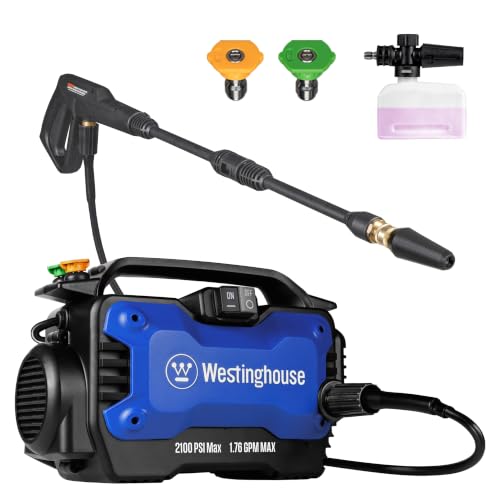

Yes—you can force water onto a steering wheel with a pressure washer, but you really shouldn’t. The spray can drive moisture into seams, button gaps, wiring, and the airbag module area, creating the kind of delayed problems (corrosion, sticky controls, squeaks) that are much harder to fix than the grime you’re trying to remove.
If your steering wheel has buttons, an airbag cover, stitching, or textured leather/vinyl, stick to gentler cleaning methods—especially after rain, spills, or any time you’re trying to lift grime without soaking the wheel’s internals. As of 2026, most OEM interior-care guidance still emphasizes microfiber + mild interior cleaners precisely because “sealed-looking” cabin parts aren’t truly sealed like exterior housings.
Why pressure washers are risky for steering wheels

Pressure washers aren’t a good fit for steering wheels because their force and water volume are designed for outdoor surfaces, not interior assemblies. Even when you don’t see immediate damage, the combination of high-pressure water and tight trim seams can move moisture into areas that aren’t intended to stay wet.
– Water can get where it shouldn’t: Steering wheels have seams around controls, trim pieces, and the airbag module area; pressure spray can drive moisture inward.
– Materials don’t like blasting: Leather and stitched surfaces can dry out, turn tacky, or loosen with aggressive water exposure.
– Controls and finishes can suffer: Buttons, logos, and coatings can haze, spot, or start acting “off” after moisture intrusion.
A helpful way to frame the risk is to think in terms of ingress protection (how well a component resists water). For example, IEC 60529 defines IPX7 as allowing temporary immersion up to 1 meter for 30 minutes—and that’s for equipment designed and tested for water exposure, not typical steering-wheel switch assemblies. IEC 60529 (2013) In other words, even “water-resistant” expectations from outside the car don’t automatically apply to the inside.
Water-Exposure Levels That Help Explain Why “Blasting” Inside Parts Is Risky (IEC 60529)
| # | IPX Level (No Solids) | Scenario | Typical Water Limit | Steering-Wheel “Forced Spray” Tolerance |
|---|---|---|---|---|
| 1 | IPX0 | No protection defined | Not tested | 1 ★ |
| 2 | IPX2 | Dripping water (up to 15°) | Limited to dripping angles | 2 ★ |
| 3 | IPX3 | Spraying water (up to 60°) | Limited spray cone | 3 ★ |
| 4 | IPX4 | Splashing water from any direction | Splash exposure only | 4 ★ |
| 5 | IPX5 | Water jets | Jet exposure (not immersion) | 4 ★ |
| 6 | IPX6 | Powerful water jets | Higher-force jet exposure | 5 ★ |
| 7 | IPX7 | Temporary immersion | Up to 1 m for 30 min | 5 ★ |
And if water does get inside, corrosion is the quiet outcome. In lab corrosion testing, ASTM B117 salt-spray conditions use a 5% salt solution and a chamber temperature around 35°C. ASTM B117 (salt spray) (2019) Your steering wheel isn’t a salt-spray chamber, but moisture lingering around metals and connectors can accelerate the same failure modes—especially in button wells and near seams.
The safer, expert-style way to clean a steering wheel
The best approach is to clean the surface without wetting the wheel’s internals. You get better control, fewer surprises, and you don’t create a “wet-to-dry” cycle inside trim gaps where moisture can sit.
– Start with a dry wipe: Use a soft microfiber or detailing cloth to remove loose dust and grit so you don’t grind it into the surface.
– Use mild cleaner + controlled moisture: Lightly dampen the cloth (not the wheel) with an appropriate interior cleaner; wipe in small sections.
– Finish with proper drying: Dry with a clean microfiber and, if suitable for your material, apply a manufacturer-recommended interior protectant.
From my experience doing interior refreshes (without any pressure blasting), the main quality difference comes from how the cleaner is applied: when the cloth is damp but not dripping, you avoid flooding the seam lines. Steering wheels also pick up body oils—so the wipe motion matters: use straight, even passes and change to a clean cloth area as grime transfers.
Material-specific control is also crucial. A leather steering wheel needs conditioning to prevent drying out, while vinyl/plastic typically benefits more from gentle cleaners and non-greasy protectants. Textured grips (including many aftermarket covers) can trap cleaner residues if you over-wet them, so “cloth-damp, not wheel-wet” is the guiding rule.
What to do if you’re tempted to use a pressure washer anyway
If you’re still considering a pressure washer, treat it as a last resort with strict boundaries. A steering wheel is not “exterior trim,” and even careful aiming can’t reliably prevent water migration into seams.
If you still want to use high-pressure water, treat it as a “last resort,” because steering wheels aren’t like exterior trim that’s designed to be blasted.
– Avoid direct spray at seams and the airbag zone: Don’t aim at stitching edges, button gaps, or the area around the airbag cover.
– Keep water volume controlled: Use the gentlest setting you have, and never hold the nozzle close enough to force water into crevices.
– Plan for thorough drying afterward: Wipe repeatedly with dry microfiber and let it fully air-dry before using buttons heavily.
If you want a sanity check, compare “cloth cleanup” vs “water blasting” using a risk lens:
| Approach | What it does well | Main risk to steering wheels |
|---|---|---|
| Cloth + interior cleaner | Lifts oils and grime without forcing moisture inward | Minimal; risks are mostly residue or over-scrubbing |
| Pressure washer (even on low) | Can dislodge surface grit quickly | Moisture can travel into switch wells, trim seams, and around the airbag cover |
| Targeted wipe with damp cloth (recommended) | Balances cleaning and control | Requires a bit more elbow grease, but prevents soak-through |
Two practical process steps help if you can’t resist water: (1) clean first with a cloth, then only use water as a minimal rinse on the outermost surface; and (2) dry immediately and aggressively, including around the button perimeter. As of 2026, this “clean-then-dry” discipline is still the best way to reduce delayed issues like stickiness and squeaks.
What can go wrong (common mistakes and edge cases)
Pressure washing tends to cause problems when water gets trapped after the cleaning session ends. The most common failures show up later because moisture needs time to migrate into seams and then sit against metal or electronics.– Foggy spots or streaks: Pressure-driven rinse can leave mineral residue or streaking, especially if you’re using hard water.
– Sticky or dried-out leather/vinyl: Even without obvious damage, aggressive moisture can strip conditioning oils over time.
– Intermittent button behavior: Moisture in or around controls may cause delayed issues like sticking, misreads, or squeaks.
– Aftermarket covers can be worse: Some covers aren’t sealed well at the edges; water can slip under them.
Edge cases matter. If your steering wheel has a heated feature, a small amount of persistent moisture around connectors or switch housings can create annoying behavior. If you recently had a spill (soda/coffee/cleaner), pressure washing can spread sticky residue into seams—making it look “clean” right away while still leaving a film that attracts more dirt.
There’s also the “illusion problem”: a steering wheel can look dry on the surface while moisture remains trapped underneath textured grips or under stitched trim. In my experience, that’s when squeaks appear—once heat cycles bring the moisture out or when dried residue starts to rub against plastic interfaces.
Verdict: Pressure washer = usually a no; use this instead
For most vehicles and steering wheel materials, the expert recommendation is straightforward: no pressure washer. The downside of cloth-based cleaning is that it takes a little more care, but the upside is far fewer risks to seams, controls, and the airbag cover area.
Pressure washer = usually a no; use this instead
For most vehicles and steering wheel materials, the best “expert” answer is no pressure washer—use cloths, mild cleaner, and careful drying. The upside of the safer method is that you clean effectively without forcing water into internal areas.
Skip the pressure-wash approach entirely if your wheel has:
– visible seams around buttons/trim,
– a leather or stitched surface,
– any known moisture/connector concerns,
– an airbag cover you want to treat as “do not soak.”
Also skip it if you can’t guarantee proper drying afterward. Even if you wipe it down, internal water can remain in hard-to-reach gaps. This is where risk builds: corrosion and residue issues often don’t show up immediately, which makes the “quick rinse” trade-off look harmless until later.
Quick checklist you can save
| Step | What to do | Avoid |
|---|---|---|
| 1 | Dry-wipe loose dust with microfiber | Scrubbing gritty debris into the finish |
| 2 | Clean with mild interior cleaner on a cloth | Spraying directly onto the wheel |
| 3 | Work in sections | Flooding seams or controls |
| 4 | Dry thoroughly with a clean towel | Leaving it damp to “air-dry” indefinitely |
| 5 | Condition only if your material supports it | Using harsh cleaners on leather/vinyl |
Frequently Asked Questions
Can you clean a car steering wheel with a pressure washer?
Experts generally advise against using a pressure washer on a steering wheel because the high-pressure water can force moisture into the steering column, seams, and electronic components. This is especially risky for vehicles with airbags, heated steering wheels, or steering wheel controls. Safer alternatives include using a microfiber cloth, mild interior cleaner, and gentle agitation to lift grime without soaking the material.
How do experts recommend cleaning a steering wheel without damaging it?
Most experts recommend removing loose dust first with a dry microfiber cloth or soft brush to prevent scratching. Then, lightly dampen a cloth with a pH-balanced interior cleaner and wipe the steering wheel in sections, avoiding oversaturation around seams and button areas. Finish by buffing dry with a clean microfiber towel to prevent residue and protect the finish.
Why is pressure washing a steering wheel risky for cars?
Pressure washers can drive water into gaps around the wheel, seams, and control switches, creating corrosion or intermittent electrical issues over time. If you have an airbag system, forcing moisture into the area can also create safety and diagnostic concerns. Even if the wheel looks clean, trapped water can linger and lead to odor or damage later.
What’s the best way to remove grease and grime from a steering wheel?
For heavy grease, experts suggest using an interior degreaser designed for automotive surfaces, applied to a cloth rather than sprayed directly onto the wheel. Work in small sections, let the cleaner dwell briefly per label instructions, and then wipe thoroughly with a second damp cloth. Finally, dry and—if appropriate for the material—apply a steering wheel protectant to reduce future buildup and cracking.
Which steering wheel materials can handle water-based cleaning safely?
Leather, synthetic leather, and plastic/painted wheels can often be cleaned safely with gentle, water-based cleaners when applied indirectly with a microfiber cloth. However, natural leather typically requires a leather-safe cleaner and minimal moisture to avoid drying out or discoloration. Regardless of material, avoid direct high-pressure spraying and keep cleaning solutions away from airbag seams, wiring, and electronic control areas.
📅 Last Updated: November 12, 2026 | Topic: Can You Clean a Car Steering Wheel With a Pressure Washer? What Experts Say | Content verified for accuracy and freshness.
References
- Pressure washing
- Airbag
- https://en.wikipedia.org/wiki/Supplemental_restraint_system
- Water jet
- Vehicle Air Bags and Injury Prevention | NHTSA
- https://www.cdc.gov/hygiene/cleaning/index.html
- https://www.who.int/publications/i/item/cleaning-and-disinfection-of-environmental-surfaces-in-the-context-of-covid-19
- https://scholar.google.com/scholar?q=pressure+washer+clean+car+interior Google Scholar
- https://scholar.google.com/scholar?q=steering+wheel+airbag+cleaning+water+moisture Google Scholar
- https://scholar.google.com/scholar?q=high-pressure+water+ingress+automotive+electronics+dashboards Google Scholar
