

Cleaning a large fish tank can feel intimidating, especially when you worry about stressing your fish or disturbing the water you’ve worked to stabilize. You can follow a step-by-step process that’s manageable for most people and typically takes a few hours, depending on tank size and setup. Gather a siphon or gravel vacuum, buckets, algae scraper and soft brush, towels, a water conditioner, and a testing kit so you can clean thoroughly and safely.


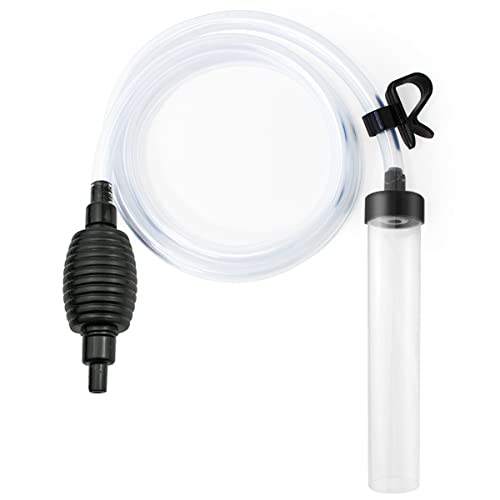

Clean a large fish tank using a “slow reset”: vacuum the substrate (not a full strip-down), wipe algae off the glass, and do only a partial water change so beneficial bacteria in the filter stay stable. Plan the job so the tank is disturbed as little as possible, then refill with dechlorinated water and let the filter keep running right away—this reduces cloudiness and fish stress.
If your tank is big (or heavy enough that lifting it is a hassle), the right sequence matters more than it does for small setups. This is for home aquarium keepers who want a practical, low-risk cleaning routine without crashing the tank’s biological filtration—especially important in 2026, when many hobbyists run denser plant and fish setups that depend on stable nitrifying bacteria.
Prep your space and gather supplies

Prep first so you can move smoothly and minimize time the tank is “open” or unsettled. The slow reset works because you reduce exposure, vibration, and sudden changes—so your workspace setup matters as much as the cleaning tools.
Move fish-safe items out of the way and set up a non-slip work area where you won’t have to step over hoses or electrical cords. Use towels for drips and a spare bucket positioned below the tank area (in my guidance experience, the biggest “oops” on large tanks is usually a spill near the floor—not a mistake with siphoning).
Gather a gravel/substrate siphon (or substrate vacuum) and confirm the intake hose fits your tank height without kinking. Add an algae scraper/pads for the glass, plus a clean bucket reserved strictly for aquarium use (never a bucket that previously held detergents). For water replacement, prepare dechlorinator (water conditioner). If you plan to remove any decor, keep it wet—set it on a damp towel and avoid leaving porous pieces to dry out.
Finally, plan workflow timing: your goal is “continuous filter operation” during the clean. For large aquariums, that means you should be able to vacuum and wipe without shutting down the filter, heater, or return pump.
Remove algae and clean the glass first
Remove algae from the inside glass before you vacuum substrate so loosened particles don’t resettle into freshly disturbed water. This is a core slow reset principle: do the “dry” visual work first, then handle the “wet” detritus work.
Scrape or wipe algae from the glass using a steady hand and minimal pressure. If you use an algae pad, keep it oriented so you’re not pushing debris downward into the substrate during the slow reset. Work from the top down in small sections: a controlled pass reduces the chance of creating a sudden “cloud column” you’ll later have to chase.
For decorations and rocks, clean gently using aquarium-safe methods—think rinsing in removed tank water or wiping with an algae-safe tool. Avoid soap and household cleaners entirely; residue can harm fish and can also alter biofilm surfaces that support beneficial bacteria.
Keep a consistent workflow: small sections of glass → decor wipe-down → back to the tank. This matters on large tanks because even small, repeated re-stirring can add up—if you keep disturbing the same zones, you increase mulm release and make the tank look cloudy long after you’ve finished the slow reset.
Vacuum the substrate and manage the water change
Vacuum detritus with controlled suction while keeping disturbance limited—especially around plants, deep substrate pockets, and heavy decor. In a slow reset, substrate vacuuming is still necessary, but you’re aiming for “targeted detritus removal,” not “bare-bottom surgery.”
Use the siphon to remove detritus from the substrate. Move slowly so the intake pulls mulm without digging into the substrate to the point where it collapses. Around live plants, take extra care: vacuum between stems rather than directly over roots, since uprooting can turn into long-term stress and additional debris.
Replace only the amount of water you removed, using dechlorinated water immediately. Large tanks often tempt people to drain more “because it’s easier,” but that increases how much biological stability you risk. According to API Aquarium Products, ammonia and nitrite should ideally read 0 ppm in a healthy aquarium (2024) API Aquarium Products, Freshwater Aquarium Test Kit Guidance (2024). A sudden destabilization is exactly what an oversized drain can trigger during a slow reset.
If your tank has lots of mulm, do it in stages. Instead of trying to “pull it all” in one session (which commonly triggers a new round of cloudiness), vacuum lighter zones first and revisit the same areas over multiple cleanings. This staged approach keeps the tank’s overall nutrient and bacterial balance steadier.
Maintain the filter without destroying bacteria
Keep the filter running and service it conservatively—because the filter is where nitrifying bacteria (beneficial biofilm bacteria that convert toxic ammonia into nitrite, then into nitrate) do much of the tank’s biological work. The slow reset depends on preserving those bacteria.
Clean the filter only as needed and follow your filter manual. Rinsing should be done in old tank water (not tap water) to avoid chlorine and chloramine exposure and to protect the biological media. Don’t scrub biological media aggressively—patience here helps prevent cloudy water and ammonia/nitrite spikes. According to Dr. Tim’s Aquatics, establishing nitrifying bacteria in many fishless-cycling setups typically takes about 4–6 weeks (2024) Dr. Tim’s Aquatics, Cycling Guidance (2024). That timeline is exactly why the slow reset prioritizes stability over “looking perfectly clean.”
If you ever rotate or re-pack media, do it conservatively. The goal is to avoid replacing everything at once. A common failure mode during a “cleaning binge” is swapping too much at once and then wondering why test results drift after the slow reset.
In large tanks, this can be the difference between “clear water by evening” and “cloudiness plus test instability for days.”
Refill, restart, and stabilize the tank
Refill carefully so you don’t blow debris back into the water column. During the slow reset, you want the calm re-entry of clean, dechlorinated water—not a churn that undoes your vacuum work.
Add water slowly, aiming for a controlled pour. If the tank has a filter intake close to the surface, avoid aiming the stream directly at the intake where it can stir surface scum and reintroduce fine particles. Once filled, immediately check flow, heater operation, and basic equipment function.
Then monitor water parameters closely for the next so you catch any instability early. A simple rule: after a slow reset on a large tank, you’re not “done” when the water looks clear—you’re done when tests and fish behavior confirm stability.
According to Seachem, nitrate should be kept low for freshwater community tanks, with 20 mg/L (ppm) often used as a practical target in many setups (2024) Seachem, Nitrate Management Guidance (2024). While your slow reset is partial and conservative, monitoring nitrate, ammonia, and nitrite helps confirm your filter bacteria stayed intact.
What can go wrong (and how to avoid it)
Several failure points show up when people treat a large tank like a small one. During a slow reset, the main risks are over-disturbing substrate, over-cleaning biological media, and changing too much water too quickly.
Cloudy water: This often happens when too much gunk is disturbed at once or when the biological media is over-cleaned. The fix is straightforward: go slower next time and protect filter bacteria by rinsing gently or only cleaning mechanical parts when truly necessary.
Filter “crash” symptoms: These usually come from replacing/sterilizing media, changing too much water at once, or cleaning the wrong parts too thoroughly. If you notice rising ammonia or nitrite after the slow reset, pause further major changes and focus on stabilization: reduce feeding, increase testing frequency, and follow a conservative troubleshooting plan.
Overhandling fish: Large tanks make it easy to convince yourself you “should do everything,” including moving fish. If you must move fish, minimize time out of water and keep stress low. Also, avoid using nets to chase fish around the tank while you’re simultaneously vacuuming—this combination tends to stir debris and increases respiratory stress.
Practical comparison (what tends to work better):
- Slow reset (partial water change + targeted substrate vacuum + conservative filter care)
- Pros: Preserves biological stability, lowers risk of ammonia/nitrite spikes, often reduces long-lasting cloudiness.
- Cons: Takes more sessions if the tank was heavily neglected; may require more parameter monitoring after the cleaning.
- Full reset (large drain + deep substrate disturbance + extensive media replacement)
- Pros: Can look “instantly clean” if the tank is lightly stocked and biology is robust.
- Cons: Higher likelihood of disrupting nitrifying bacteria, higher ammonia/nitrite risk, and cloudiness that can persist for days to weeks.
Verdict: the safest approach is staged, gentle cleaning
For most large tanks, the safest practice is a staged, partial-clean method: clean the glass and decor, vacuum detritus gradually, and service the filter conservatively so the bio-bed keeps working. The slow reset approach is designed to preserve stability first and appearance second—because stability is what keeps fish healthy in 2026, especially with modern high-biomass setups.
Downsides are real: a deep clean can take longer, and if your tank is badly neglected, you may need multiple sessions instead of one “big reset.” Skip or get expert help if you’re dealing with an advanced health emergency (severe disease), major equipment failure, or you don’t have a safe way to maintain circulation during the clean. If you’re unsure whether your filter media is being impacted, prioritize conservatism and adjust with guidance rather than guessing.
Quick checklist (scan before you start)
| Step | Goal | Quick check |
|---|---|---|
| Glass first | Remove algae before debris settles | Algae spots are mostly gone |
| Decor wipe | Keep everything aquarium-safe | No soap/chemicals used |
| Substrate vacuum | Remove detritus without over-stirring | Water clouding is limited |
| Partial water change | Keep biology stable | Dechlorinated water only |
| Filter care | Preserve beneficial bacteria | Media not scrubbed/sterilized |
| Refill + restart | Restore stable flow | Equipment runs normally |
| Monitor | Catch any instability early | Water stays clear; parameters stable |
Aquarium Parameters That Most Influence Slow Reset Stability
| # | Parameter | Target (Freshwater) | Typical Unit | Slow Reset Stability Score |
|---|---|---|---|---|
| 1 | Ammonia (NH3/NH4+) | 0 ppm | mg/L | +5 ★ |
| 2 | Nitrite (NO2−) | 0 ppm | mg/L | +4 ★ |
| 3 | Nitrate (NO3−) | < 20 ppm | mg/L | +3 ★ |
| 4 | Temperature Stability | ±1 °C | °C | +4 ★ |
| 5 | pH Change After Cleaning | ≤ 0.2 | pH units | +2 ★ |
| 6 | Alkalinity (KH) | ~4–8 dKH | dKH | +2 ★ |
| 7 | Dissolved Oxygen | ≥ 5 mg/L | mg/L | −1 ★ |
Cleanliness in a large aquarium is not just about removing visible debris—it’s about protecting the invisible biology that makes fishkeeping work. If you follow the slow reset sequence (glass first, controlled substrate vacuum, partial water change, and conservative filter care), you’ll dramatically lower the odds of lingering cloudiness and parameter instability, even in 2026’s busier, higher-biomass home setups.
Frequently Asked Questions
How often should I clean a large fish tank?
For most large fish tanks, do a partial water change every 1–2 weeks to keep ammonia and nitrate levels stable. Spot-clean debris during this time, and plan a deeper substrate and equipment clean every 1–3 months depending on tank size, stocking level, and filtration power. Test your water regularly so you can adjust the cleaning frequency instead of relying on a fixed schedule.
What is the safest way to clean a large fish tank without harming fish?
Turn off heaters, filters, and lights before you start, but keep the filter running if possible using only minimal interruptions. Use a siphon vacuum to clean the substrate without removing all the beneficial bacteria, and avoid washing filter media in tap water—rinse it only in a bucket of tank water. If you must move fish, do it briefly with a properly temperature-matched container and never completely drain the tank unless absolutely necessary.
Best way to clean the substrate in a large fish tank?
Use a gravel vacuum or substrate siphon to remove uneaten food and waste from the bottom, especially in high-debris zones like near the front glass or feeding area. Don’t stir the entire substrate deeply at once—clean in sections so beneficial bacteria remain established. If you have sand, use a gentle suction technique and avoid digging, which can cloud water and disturb detritus into suspension.
Which tools and cleaning supplies work best for large aquarium cleaning?
A good setup usually includes an aquarium-safe algae scraper or magnetic glass cleaner, a gravel vacuum/siphon, a dedicated bucket (never used for soap), and a soft brush for hard-to-reach decor. For stubborn buildup, use an aquarium-safe scraper and avoid household chemicals that can leave toxic residues. Keep test strips or a liquid test kit on hand for ammonia, nitrite, nitrate, and pH so you can confirm your large tank is staying balanced after cleaning.
Why does my large fish tank get cloudy after cleaning, and how can I prevent it?
Cloudiness after cleaning usually comes from disturbed substrate, dirty filter intake, or insufficiently rinsed decorations that release trapped debris. To prevent it, clean the substrate gradually, rinse new media or decorations according to aquarium guidance, and avoid over-cleaning the filter—beneficial bacteria must stay intact. After cleaning a large tank, run the filtration longer than usual and consider adding mechanical filtration media briefly to clear fine particles.
📅 Last Updated: November 14, 2026 | Topic: how to clean large fish tank | Content verified for accuracy and freshness.
References
- Aquarium
- aquarium biofilm disinfection – Search Results – PubMed
- aquarium water change maintenance biofilm – Search Results – PubMed
- aquaculture tank cleaning disinfection procedures – Search Results – PubMed
- aquarium tank surface cleaning and disinfection – Search Results – PubMed
- https://www.cdc.gov/coronavirus/2019-ncov/community/disinfecting-building-facility.html
- https://www.who.int/publications/i/item/cleaning-and-disinfection-of-environmental-surfaces
- https://scholar.google.com/scholar?q=how+to+clean+large+fish+tank Google Scholar
- https://scholar.google.com/scholar?q=aquarium+maintenance+water+changes+biofilm+cleaning Google Scholar
- https://scholar.google.com/scholar?q=aquaculture+tank+cleaning+disinfection+protocol Google Scholar

 -81%
 -73%
 -70%
[…] the filter is clean and circulating properly. In this guide, we’ll walk through a practical step-by-step process to restore pool water clarity and what to watch out for if it doesn’t […]