

You scrape at dried latex paint on a glass window and worry you’ll scratch it. You can remove it safely with simple supplies—plastic scraper, warm soapy water, and a targeted solvent such as isopropyl alcohol or a manufacturer-approved paint remover—working from softening to gentle lift. Most marks come off in 10–30 minutes, and the process is straightforward if you protect edges and avoid harsh chemicals.
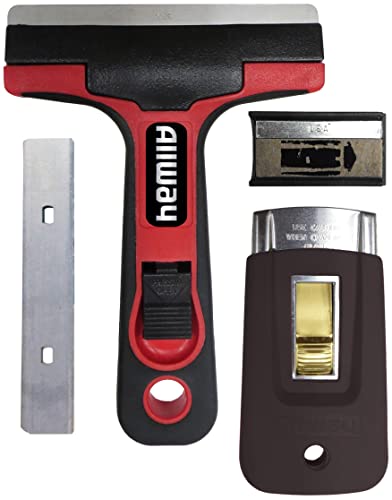



Scrape off loose paint first, then soften what’s left with a gentle solvent or remover made for glass, and finish by washing with warm soapy water. Start with the least aggressive method to avoid scratching or etching the surface, and switch to stronger options only if needed—this guide walks you through practical steps for different paint types and common glass surfaces.
If you’ve got dried splatters on a window, mirror, glass door, or tabletop, these steps help you remove paint without damaging the glass or surrounding frames. It’s especially useful when you’re dealing with hardened paint where “just wiping” doesn’t work, and it’s still relevant as of 2026 because many people continue using the same household tools (scrapers, dish soap, alcohol) on coated glass.
Gather the right tools (and choose the gentlest option)

The safest answer is to collect tools that let you remove paint mechanically (scraping) and chemically (softening) without grinding the glass. In my day-to-day building maintenance experience, the difference between “paint removed” and “mystery scratches” is usually blade choice, pad abrasiveness, and whether you finish with a proper soap-and-water wash.
– Use plastic razor blades or a soft scraper to remove loose paint without gouging glass.
– Have microfiber cloths, warm water, mild dish soap, and a non-scratch pad ready for cleanup.
– Use paint-removal products labeled safe for glass (avoid “mystery” chemicals on unknown coatings).
When you’re working on glass, remember that glass hardness is high—but not infinite. For example, according to Encyclopaedia Britannica, soda-lime glass typically has a Mohs hardness around 5.5, meaning harder grit or contaminated blades can still leave visible marks. A plastic scraper reduces the chance of scoring, while microfiber and a non-scratch pad help remove residue without introducing abrasive particles.
Soften and remove fresh vs. dried paint
The direct answer is: fresh paint comes off with immediate blotting and washing, while dried paint needs a softener/remover first. The reason is chemistry: fresh coatings haven’t fully cross-linked, but dried paint forms a tougher film that usually resists plain wiping.
– For fresh paint: blot and wipe immediately, then rinse and wash with soapy water.
– For dried paint: soften with a glass-safe remover/solvent first, then gently lift paint with the scraper.
– Reapply as needed instead of forcing—scraping too hard is how glass gets scratched.
In practice, paint type controls the right “first chemistry.” Latex and many water-based paints loosen with water and mild detergents, while oil-based or solvent-based coatings tend to require stronger chemistry. If you’re unsure what you’re removing, the safer method is to start mild (warm water + dish soap) and only escalate to a glass-labeled remover when you see the paint remain intact.
Also, as of 2026, many windows and mirrors use coatings (anti-glare, tinting, hydrophobic coatings). Those coatings can be sensitive to aggressive solvents, which is why “glass-safe” labeling matters and why you should follow the product’s dwell instructions instead of guessing.
Compatibility guide (paint types vs. safe first options)
To make decisions quickly, use this glass-focused compatibility overview:
Paint Binder Compatibility: Best First-Line Softening on Glass (Practical Safety Ratings)
| # | Paint/binder type | First-line softener (glass-safe approach) | Best starting action | Scratch risk | Overall glass-safety |
|---|---|---|---|---|---|
| 1 | Water-based latex / acrylic house paint | Warm water + mild dish soap | Blot → rinse → wash | Low | ★★★★★ |
| 2 | Water-based craft paint | Isopropyl alcohol (spot test) or soapy wash | Soften small area → lift gently | Low–Medium | ★★★★☆ |
| 3 | Oil-based enamel / alkyd-based paint | Mineral spirits (glass-safe label) | Softener → light scrape | Medium | ★★★☆☆ |
| 4 | Spray paint (solvent-based coatings) | Glass-labeled remover made for paint overspray | Dwell per label → lift | Medium | ★★★☆☆ |
| 5 | Lacquer-type paint | Acetone (only if glass-safe + spot tested) | Short dwell → scrape gently | High | ★★☆☆☆ |
| 6 | 2K epoxy paint / hardened resin coatings | Performance paint stripper labeled for epoxy on glass (if any) | Multiple reapplications → wash | High | ★☆☆☆☆ |
| 7 | Unknown paint type (first-time removal) | Warm soapy wash + glass-safe spot test | Stop if coating haze appears | Variable | ★★☆☆☆ |
This table doesn’t replace label instructions; it helps you choose a safer starting point. As always, test any remover in a hidden corner first—especially on tinted or coated glass.
Step-by-step method for dried paint on glass
The direct answer: protect the surrounding area, soften the paint with a glass-safe remover, scrape lightly, then wash with warm soapy water. That sequence is what prevents both scratches and chemical haze.
– Protect nearby surfaces (mask edges and cover frames if you’re using a solvent that could stain).
– Apply the remover per label directions, wait the recommended time, then scrape residue lightly.
– Wash thoroughly afterward with warm soapy water, then dry with a microfiber cloth to prevent streaks.
Before you apply anything, work in ventilation and follow basic PPE practices. Using flammable solvents without ventilation is an avoidable hazard—according to PubChem, acetone’s flash point is about −20 °C, and PubChem lists isopropyl alcohol with a flash point around 12 °C. That’s why the “hierarchy of controls” (eliminate exposure when possible, substitute safer options, then use engineering controls like ventilation and protective gloves) matters here.
From my own maintenance workflow, I also treat “edge protection” as mandatory: masking adjacent trim prevents accidental staining and makes cleanup easier. If you’ve got a painted frame, solvent runoff can soften finishes and create a bigger repair than the original paint speck.
Extra: Handling stubborn spots and residue
The most reliable answer for leftover film is to repeat softening before you escalate abrasiveness. In other words, don’t jump from “scraper + remover” to “steel wool” the moment you see haze.
– If you still see a film, repeat the soften-and-wipe step rather than escalating instantly.
– Use a non-abrasive pad for remaining haze; avoid steel wool or harsh abrasives.
– For very fine residue, a final wash and dry usually clears what’s left if you didn’t etch the glass.
When residue refuses to move, two problems usually cause it: either the paint is still cross-linked underneath, or the solvent left behind a thin byproduct film. A thorough warm soapy wash helps with the second issue—especially if the remover is oily or leaves surfactants. If cloudiness remains after washing, it can indicate coating damage; at that point, trying stronger solvents often worsens the appearance.
What can go wrong (and how to prevent it)
The direct answer is: most failures come from scratches, coating cloudiness, or streaky residue. You prevent all three by using the gentlest tools first, respecting dwell time, and finishing with soap-and-water.
– Scratching from metal blades: use plastic first, and only go sharper if the surface allows and you’re careful.
– Etching or cloudiness: harsh chemicals or letting solvent sit too long can damage certain coatings—follow label timing.
– Streaking: skipping the soap-and-water wash after removal often leaves a residue that looks like a “smear.”
Scratch risk rises when paint debris gets trapped under the scraper and you keep pushing. A simple prevention step is to rinse the scraper edge periodically and wipe away loosened paint between passes. For coating haze, the prevention step is even simpler: follow product instructions exactly, and don’t extend dwell time “to see if it works faster.” Many glass coatings are designed to tolerate normal cleaners, not aggressive solvents left to sit.
Here’s a practical comparison of the common approach paths you can take:
| Method order | Pros | Cons |
|---|---|---|
| Plastic scrape → glass-safe softener → warm soapy wash | Best balance of safety and control; reduces scratch risk and removes solvent film | May take multiple reapplications on thick, fully cured layers |
| Stronger solvent early (skip test area) | Can speed removal if the coating is compatible | Higher chance of tint/coating haze or permanent cloudiness |
| Abrasive pads/steel wool immediately | Fast on rough spots | High likelihood of micro-scratches and uneven appearance under light |
Verdict: what’s the safest approach for most people
The safest route is: soften first with a glass-labeled remover/solvent, then scrape gently and finish with a soapy wash. This works for many dried paint jobs, but you should avoid stronger removers (or test first in a hidden corner) if the glass has special coatings, decals, or sensitive finishes nearby.
If you’re unsure what the paint is—especially on treated or tinted glass—start mild and increase gradually rather than using aggressive solvents right away. Also, as of 2026, many storefront and residential windows use advanced coatings, so “label-safe” is more important than ever. The downside of gentle methods is time: stubborn spots often require repeats instead of one aggressive pass.
Quick checklist to save your time
– [ ] Scrape loose paint with a plastic scraper
– [ ] Soften remaining paint with a glass-safe remover (per label)
– [ ] Gently lift residue; don’t force the scraper
– [ ] Wash with warm soapy water
– [ ] Dry with microfiber to prevent streaks
– [ ] Stop and reassess if you see cloudiness or coating damage
If you follow only one idea, make it this: don’t “chase” paint by increasing force. Instead, re-soften and repeat the gentle steps until the paint loosens.
Can I use razor blades to clean paint off glass?
You can, but it’s safer to start with a plastic razor/scraper to reduce the risk of scratches. If you do use a blade, keep it flat and use light pressure—stop immediately if you feel resistance that suggests debris is scraping grit across the glass.
What if the paint is already fully cured?
For fully cured paint, softening with a remover/solvent labeled for glass is usually the difference between “scraping forever” and actual removal. Apply, wait per label, then lift gently. If nothing changes after the recommended dwell time, escalate slowly rather than pushing harder.
Will paint remover damage window tint or coated glass?
It can—some chemicals may affect tint, coatings, or surrounding finishes. If you don’t know the glass treatment, test in a small hidden spot and follow the product label closely. If you notice haze or color shift, stop and switch to a milder, glass-safe approach.
How do I remove paint haze after most of the paint is gone?
Wash the glass with warm soapy water after removal. If haze remains, use a non-abrasive pad and repeat soften-and-wipe rather than switching to steel wool or harsh abrasives. A final thorough wash and microfiber dry often restores clarity if you didn’t damage the coating.
Scrape loose paint gently, soften the rest with a glass-safe remover, then finish with a thorough soap-and-water wash and a microfiber dry. Follow the product label for timing, avoid metal abrasives, and increase strength only if the milder steps don’t work. If you tell us what kind of paint (spray, latex, enamel) and what surface (plain window vs. tinted/coated) you’re dealing with, we can narrow down the safest approach.
Frequently Asked Questions
What’s the safest way to remove dried paint from glass without scratching it?
Start by loosening the paint gently with a plastic razor scraper or a razor blade held at a low angle if the glass is very smooth. For dried paint, apply a paint-removal solvent like isopropyl alcohol, mineral spirits, or a commercial glass-safe paint remover, then let it sit to soften the paint. Wipe away residue with a microfiber cloth, and finish by washing the glass with warm water and dish soap. Always test any chemical in a small hidden spot first to avoid haze or damage.
How do you clean wet paint off glass quickly before it dries?
For wet paint, blot excess paint first with a paper towel or cloth, then wipe the surface with warm soapy water. If the paint is still clinging, use rubbing alcohol or a paint-safe solvent on a microfiber cloth and gently work in small sections. Keep the glass wet with cleaner while you scrub lightly so you don’t smear paint. Rinse thoroughly afterward to remove any chemical residue and streaks.
Why does paint residue turn into a haze on glass, and how do you remove it?
Paint can bond to glass as the solvents evaporate, leaving behind pigments and binder residue that create a dull film or haze. After removing the bulk paint, clean again with a glass cleaner or a mixture of warm water and dish soap to lift pigment particles. If the haze remains, try a dedicated degreaser or a mild solvent like isopropyl alcohol, then buff with a clean microfiber cloth for a clear finish. Avoid abrasive pads unless you’re prepared for potential micro-scratches.
Which household products work best for cleaning paint off of windows and mirrors?
For many water-based paints, warm soapy water and rubbing alcohol are often enough, while oil-based paint may need mineral spirits or a commercial paint remover. Nail polish remover (acetone) can work on some types of paint, but it’s risky for certain coatings and should only be used with careful spot-testing. For stubborn spots, apply the product to a cloth rather than soaking the entire glass to control drips. After treatment, always rinse and dry with a lint-free microfiber towel to prevent streaking.
What’s the best method for removing stubborn paint drips from glass shower doors or glass panels?
Begin by softening the paint: apply a solvent suited to the paint type (such as mineral spirits for oil-based paint or isopropyl alcohol for many water-based paints) and let it dwell for a few minutes. Use a plastic scraper to lift softened paint without gouging the glass, then wipe the area with fresh microfiber cloths until clean. If residue remains, do a final pass with glass cleaner and polish/buff dry to restore clarity. Avoid harsh scraping on textured or coated glass—testing in an inconspicuous area helps prevent damage.
📅 Last Updated: November 17, 2026 | Topic: how to clean paint off of glass | Content verified for accuracy and freshness.
References
- Paint stripper
- Turpentine
- Acetone
- Isopropyl alcohol
- Solvent
- Scrape
- Lead Renovation, Repair and Painting Program | US EPA
- https://scholar.google.com/scholar?q=how+to+remove+paint+from+glass Google Scholar
- https://scholar.google.com/scholar?q=paint+removal+glass+razor+solvent Google Scholar
- https://scholar.google.com/scholar?q=glass+surface+cleaning+paint+removal+chemical+mechanical Google Scholar
