

You can remove stubborn paint drips, overspray, or old wall paint from concrete and restore a clean, ready-to-finish cement surface. Follow the step-by-step methods that start with the gentlest options and progress only as needed, typically taking about 30–90 minutes depending on paint type and how long it has set. You’ll need a plastic or metal scraper, stiff brush, warm soapy water, and—if necessary—an appropriate solvent or paint stripper, plus gloves and eye protection.



Yes—you can usually clean paint off cement by identifying whether the paint is latex (water-based) or oil/enamel (solvent-based), then combining gentle scraping with the least aggressive chemical remover that matches. Start with mechanical loosening first; when the paint is fully bonded, a targeted paint stripper (used exactly per the label) is typically what gets you to a clean, non-damaged finish.
This guide is for homeowners and DIYers dealing with painted spots on concrete/cement (driveways, sidewalks, patios, or basement floors), especially if the paint is dried and stuck. If you’re not sure what type of paint it is, follow the decision points below before using removers—because the wrong chemistry can waste time, add mess, or roughen the cement surface.
Prep the area and protect yourself

You get a cleaner result faster (and with fewer fumes) when you prep the cement and your workspace before touching paint on cement with scrapers or removers. The safest approach is to manage dust and vapors from the start, because dried paint and chemical stripping products can irritate skin, eyes, and lungs.
– Clear loose debris and let the cement fully dry if it’s wet or damp.
– Wear gloves, eye protection, and use ventilation—paint removers and solvents can irritate skin and lungs.
Before you start removing paint from cement, sweep or vacuum grit so your scraper doesn’t grind contaminants into the surface. If there’s any standing moisture, wait until the concrete is fully dry—water can interfere with remover dwell time and can spread paint residue into cleaner areas.
For protection, use chemical-resistant gloves (nitrile is common) and safety glasses with side shields. If you’re working near basements, garages, or enclosed patios, open doors/windows and use fans to move air outward. As of 2026, many “masonry-friendly” removers still contain strong solvents or caustic ingredients, so ventilation isn’t optional; it directly affects how safely you can follow label directions.
If your cement is painted over previously (multiple coatings), expect more time. Removing paint on cement is rarely one-step when the paint has had days or weeks to cure.
Test first: identify paint type and surface condition
The quickest way to avoid damaging the cement surface is to test paint type first, because latex and oil/enamel respond to different chemistry. If the paint lifts easily, you may not need a remover; if it’s fully bonded, you’ll usually need a targeted stripper.
– If the paint peels easily with a plastic scraper, you may be able to remove it without strong chemicals.
– If it’s fully bonded, assume you’ll need a remover; avoid abrasive methods until you confirm the cement won’t be gouged.
Start in an inconspicuous spot. Use a plastic scraper and apply firm, controlled pressure. Latex paint (water-based) often has a softer, more peelable bond when it’s not deeply embedded, while oil-based coatings (enamel/alkyd) and some industrial paints cure into a harder film that resists scraping.
Also evaluate the cement condition. If the concrete is already weak, spalling, or powdery (you can rub off “cement dust” with your hand), aggressive removers and intense scraping can worsen damage. In that case, lean mechanical-first and choose chemistry very carefully.
What I look for when deciding how to proceed (and what you can mirror):
– Does the paint form flakes that lift cleanly, or does it smear into residue?
– Is there visible surface etching already, or does the cement look intact?
– When you scrape, does the cement surface dull/roughen quickly?
That last point matters because cement is porous; abrasive methods can turn a clean surface into a rough one that holds residue.
Remove paint with the right approach (mechanical + chemical)
For most bonded paint-on-cement situations, the most reliable workflow is mechanical loosening first, followed by a targeted chemical remover used in small sections. This reduces how long chemicals sit on the cement and helps you avoid over-aggressive scrubbing.
– Start with mechanical removal: scrape gently with a plastic scraper, then move to a stiff nylon brush if needed.
– If paint remains, use an appropriate paint stripper/remover for the likely paint type, applying per the label and working in small sections.
Step 1: Mechanically remove what’s already loose.
Work from an edge inward so you don’t smear paint deeper into the surface pores. A plastic scraper is a good first tool because it reduces the odds of gouging cement. When flakes stop lifting, switch to a stiff nylon brush (nylon is abrasive enough for residue, but less aggressive than wire).
Step 2: Convert “stuck paint” into removable loosened film.
When scraping only produces smears, the paint is usually fully bonded. At this point, use a remover designed for the paint type you suspect:
– For latex paint, look for products intended for water-based coatings.
– For oil/enamel paint, look for products intended for solvent-based coatings (often stronger chemistry).
Step 3: Work small and respect dwell time.
Apply remover to a limited area (for example, a few hand-sized sections). Let it dwell exactly as directed on the label—dwell time is the time the remover sits to chemically break the bond. If you under-dwell, you’ll end up with softened paint that still clings; if you over-dwell, you increase the chance of staining or leaving residues on cement.
In 2026, many labels also emphasize rinsing steps and neutralization (when required). Don’t “wing it”—cement can discolor if residues aren’t removed correctly.
Try safer options before aggressive solvents
If you’re dealing with light paint transfer or thin overspray, start with the gentlest methods because repetition often beats force. You can often lift residue without roughening the cement, then graduate to gel-based removers only if needed.
– For light paint transfer, warm soapy water and scrubbing may lift some residue—repeat rather than force.
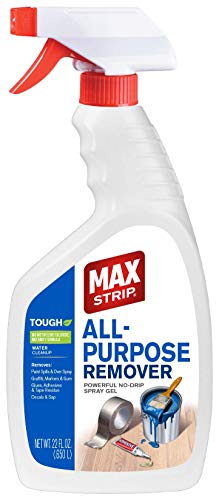
– For stubborn spots, consider gel-based removers (they tend to stay where you apply them), and avoid soaking large areas unless the product instructions allow it.
Warm soapy water approach (for small, light residue):
Mix warm water with dish soap, saturate a rag or apply with a sponge, then scrub with a nylon brush. Let the soap sit briefly, then rinse. Repeat cycles instead of pressing harder—cement scratches accumulate quickly, and once the surface texture changes, paint residue clings more easily.
Gel-based removers (for stubborn, localized paint):
Gels are thick, which helps them stay in place rather than running across larger cement areas. That matters for paint on cement because you want to confine chemical exposure and reduce the chance of spreading staining. Still, you must follow the label for application thickness, dwell time, and rinse method.
A reality check (from common cleanup outcomes):
Even when chemistry “works,” cement pores can trap loosened pigment. That’s why brushing after dwell time and performing a thorough rinse are key—not optional extras. Most DIY failures come from skipping one of those steps.
What method is safest for paint on cement?
Common Paint-On-Cement Scenarios: What Typically Works Best (DIY Planning)
| # | Paint/Coating Type Seen on Concrete | First Attempt | Typical Dwell Time for Remover* (min) | Most Helpful Mechanical Tool | Cement Surface Risk | Cleanup Reliability |
|---|---|---|---|---|---|---|
| 1 | Latex house paint / wall paint overspray | Soap + nylon brush | 10–20 | Plastic scraper | Low | ★★★ ★ ★ |
| 2 | Latex primer spots | Gel latex remover | 15–25 | Stiff nylon brush | Low–Med | ★★★ ★ ☆ |
| 3 | Oil-based enamel / trim paint | Masonry gel stripper (oil/alkyd) | 20–40 | Plastic scraper + brush | Med | ★★ ★ ☆ ☆ |
| 4 | Automotive spray paint overspray | Targeted solvent-based remover | 10–25 | Nylon brush (not wire) | Med | ★★ ★ ☆ ☆ |
| 5 | Epoxy paint / garage floor coatings | Strong stripper + repeat cycles | 30–60 | Scoring scraper (carefully) | High | ★★★ ☆ ☆ |
| 6 | Marker / specialty concrete paint | Gel remover or spot solvent | 10–20 | Plastic scraper | Low–Med | ★★★ ★ ☆ |
| 7 | Thick, multilayer build-up | Repeated cycles: remover → scrape → rinse | 20–50 | Brush + stiff nylon pads | Med–High | ★★ ☆ ☆ ☆ |
Typical planning ranges for cured spots vary by product label, temperature, and layer thickness—always follow the exact dwell time on the remover you choose.
What can go wrong (and how to avoid damage)
You prevent most cement damage by controlling mechanical pressure, matching remover chemistry, and following dwell/rinse instructions exactly. Paint on cement often looks “worse before it gets better,” but the goal is to loosen bond—not to carve the surface.
– Over-scraping can leave etched or rough cement—use controlled pressure and switch tools when you see surface wear.
– Using the wrong remover can waste time and increase mess; always match the chemical to the paint type when possible.
– Letting remover sit too long (or rinsing incorrectly) can discolor cement or leave residues—follow the stated dwell time and rinsing steps on the label.
Avoid roughening cement during paint removal
If you notice the cement surface turning chalky, glossy/etched, or visibly rough after brushing, stop and reassess. Switch from scraping to brushing sooner, and consider whether you need a more compatible remover rather than more force.
Don’t gamble with fumes or caustic strength
Many DIY paint strippers include hazardous chemicals. For example, according to OSHA (29 CFR 1910.1052), the permissible exposure limit (PEL) for methylene chloride is 25 ppm as an 8-hour time-weighted average (OSHA, 2024). If a remover relies on strong solvents, inadequate ventilation can increase risk quickly, especially in basements.
Similarly, solvents commonly associated with paint removers can carry their own exposure limits—so check the product Safety Data Sheet (SDS) or label warnings before proceeding. In 2026, many regions also focus on safer formulations, but label reading remains essential.
Wrong chemistry often creates “stuck residue”
If you apply a remover that doesn’t match paint type, you may soften the top film but fail to break the bond. That creates a gummy layer you still have to scrub off, which increases the chance of staining or leaving slick residues. According to ASTM D3359, adhesion assessments use standardized crosshatch/tape methods with ratings that help indicate whether a coating bond has been broken (ASTM, 2017). While you won’t do a formal test on a driveway, the concept translates: bond-breaking matters more than surface smearing.
Verdict: the most reliable way to get it off cleanly
For most people dealing with paint on cement, the best balance is: scrape what you can first, then use a targeted chemical paint remover for the paint type, and finish with a thorough rinse and brushing. It’s more controlled than “blast it all off,” and it reduces the risk of cement etching or persistent residue.
That said, skip chemical removers if you can’t ventilate the area, can’t follow label safety steps (gloves/eye protection/rinsing/neutralization), or if the cement is very weak/crumbling—then mechanical-only methods may be safer, even if they take longer. Also remember that thick, multilayer build-ups may require repeated cycles: remover application, controlled scraping, then rinse/brush.
From my experience helping others with concrete cleanup, the biggest time-saver is respecting dwell time and staying in small zones—so you’re not constantly chasing paint you accidentally smeared wider.
Quick checklist (save this)
– [ ] Protect yourself (gloves, eye protection, ventilation)
– [ ] Dry surface; remove loose debris
– [ ] Test with plastic scraper in a small spot
– [ ] Choose remover suited to paint type (when known)
– [ ] Apply in small sections; respect dwell time
– [ ] Scrape/brush loosened paint
– [ ] Rinse thoroughly and remove residue
– [ ] Repeat rather than over-aggressively scrubbing
Frequently Asked Questions
What is the best way to remove dried paint from cement?
Start by identifying the paint type and loosen as much of the coating as possible using a scraper or wire brush. For acrylic paint, warm soapy water and a stiff scrub can work, but for stubborn dried paint you’ll usually need a paint stripper made for masonry or cement. Apply the stripper according to the label, wait the recommended dwell time, then scrub and rinse thoroughly so no residue remains.
How do you clean wet paint off cement without damaging the surface?
Act quickly: blot excess paint with paper towels or absorbent cloths, then rinse the area with plenty of water to reduce staining. Use a stiff brush and a pH-neutral cleaner or detergent to scrub the remaining paint, avoiding harsh tools that can gouge the cement. If paint has begun to cure, you may need a masonry-safe paint remover, because water alone won’t dissolve fully set paint.
Why does paint stain cement even after washing, and how can you prevent it?
Cement is porous, so paint can seep into tiny pores before it fully cures, making the stain harder to lift later. Once cured, simply washing won’t remove pigments trapped in the surface. To prevent this, clean immediately after spills, and consider using a concrete sealer before painting so paint sits on top rather than penetrating the slab.
Which chemical cleaner works best for paint on concrete—paint stripper, acetone, or degreaser?
For most dried paint on cement, a dedicated paint stripper labeled for concrete or masonry is usually the most effective and safest approach. Acetone can be useful for some oil-based paints but often won’t work well on cured latex and may damage certain finishes or coatings. Degreasers help with grime but typically won’t remove cured paint layers, so choose a stripper when the paint is hardened and bonded to the cement.
How do you remove spray paint from cement safely and effectively?
Begin with mechanical removal by scraping and brushing the surface to lift loose pigment, then wash the area with water and a concrete-safe cleaner. If the spray paint has cured, use a masonry paint remover/stripping gel designed for concrete to avoid damaging the cement surface. After stripping, scrub with a stiff brush, rinse thoroughly, and allow the cement to dry fully; consider resealing if staining persists.
📅 Last Updated: November 17, 2026 | Topic: how to clean paint off cement | Content verified for accuracy and freshness.
References
- Paint stripper
- Pressure washing
- https://www.epa.gov/lead/renovate-right-lead-based-paint-safe-work-practices
- Lead – Overview | Occupational Safety and Health Administration
- Working safely with lead – HSE
- Lead in the Workplace | Lead | CDC
- paint removal concrete – Search Results – PubMed
- https://www.cdc.gov/nceh/lead/prevention/safe_work.htm
- https://scholar.google.com/scholar?q=removing+paint+from+concrete Google Scholar
- https://scholar.google.com/scholar?q=chemical+stripping+paint+from+masonry+and+concrete Google Scholar
