

Restaurant floors can go from presentable to noticeably grimy fast, especially when grease, spills, and foot traffic stack up between services. You do not need guesswork to get them back to a safe, clean condition. Follow a simple, step-by-step process using the right cleaner, a quality mop or scrubber, and basic safety gear, and you will be able to tackle the job efficiently—without redoing it.
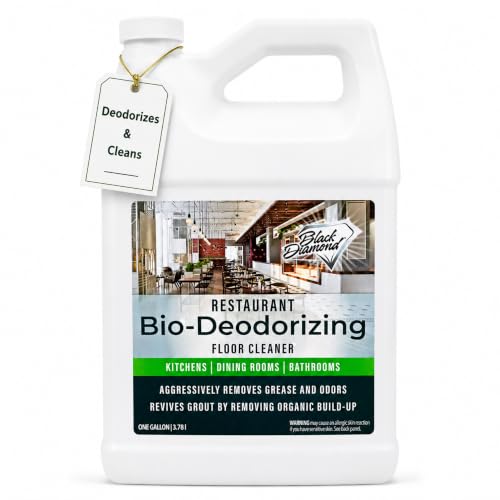



Clean restaurant floors by cleaning up debris first, then using the right cleaner for your floor type (and the proper dwell time), and finishing with a thorough rinse/wipe where required. If you use one routine for every surface, you’ll usually end up with slippery spots, sticky residue, or dull floors—so the key is matching the method to the material. In this guide, you’ll learn a practical daily routine, a deeper weekly approach, and how to handle grease and stains without damaging floors.
If you run a restaurant kitchen, dining room, or bar area—and you’re responsible for keeping floors safe, presentable, and compliant—this is for you. It’s also useful for anyone training staff who need a repeatable cleaning plan for the specific floor surfaces in your venue.
Prep and safety before you start

The best restaurant floor cleaning starts with controlled conditions: clear debris first, protect people and traffic flow, and verify chemical/finish compatibility before any wet cleaning. When safety and floor integrity are handled up front, the rest of the process becomes faster and more consistent for your team.
– Clear the area and remove loose debris (sweep/dry mop first) so you’re not grinding grit into the finish.
– Use slip-safe procedures: close off the area, warn staff, and keep cleaning water contained away from walk paths.
– Check your flooring manufacturer/maintenance guidance and the chemical label for compatibility (especially for vinyl, polished concrete, sealed stone, and grout).
Restaurant floor cleaning is not just “make it shiny”—it’s an accident-prevention workflow. According to CDC, 1 in 4 adults aged 65+ falls each year (2022). While your restaurant isn’t focused on senior populations only, the same physics applies: residue and uneven traction create slip risk fast. Also, according to CDC, falls are the leading cause of injury death among adults 65+ (2022), which is a stark reminder that traction and cleanliness are safety controls, not cosmetic ones. As of 2026, many operations also expect documented SSOP-style (Sanitation Standard Operating Procedures) consistency, especially where audits or insurance reviews focus on “what did you do and when.”
In my experience training cleaning teams, the biggest early win is making prep non-negotiable: a dry sweep/dry mop before anything wet, plus a quick compatibility check on the product label for the actual floor type in that zone.
Daily cleaning for safety and appearance
Daily restaurant floor cleaning should remove visible soil quickly, then clean in a way that preserves finish and traction. The direct goal is simple: spot out the messes immediately and mop using a routine your specific floor can tolerate every day.
– Spot-clean spills immediately, using absorbent materials first (paper towels, mop heads, or pads) before any wet cleaning.
– Mop with the correct routine for your floor type—detergent/neutral cleaner for most surfaces, and avoid harsh degreasers unless the label and floor specs allow it.
– Work in sections, keep water clean, and change pads/mop heads when they start spreading soil.
Start with spot-cleaning, because restaurant spills rarely stay “small” once they’re walked through. For grease-transfer spills (common near grills, fryers, and dish), absorb first, then treat the spot with the approved cleaner. For water or beverage spills, absorb first as well—wetting debris early turns it into a moving abrasive slurry during mopping.
Then mop with control. For restaurant floor cleaning, “correct routine” means three operational behaviors:
1) Use the right cleaner strength for your product (follow dilution if it’s a concentrate; use RTU if it’s ready-to-use).
2) Keep wash water clean by changing solutions and pads when they start spreading soil.
3) Work in manageable sections so the cleaner doesn’t dry on the surface.
Why this matters: many restaurant floors are sealed and rely on that seal for stain resistance and slip control. Over-wetting or leaving chemical residue behind can reduce friction. Even if a floor looks clean, leftover surfactants (the detergents that lift oils) can make it feel slick under shoes. As of 2026, consistent “clean-in-sections” workflows are one of the easiest ways to standardize quality across shifting schedules and staffing levels.
Weekly deep cleaning routine (what “deep” should include)
A weekly deep clean in restaurant floor cleaning should remove embedded residue and reset traction—without assuming every floor can handle aggressive scrubbing. The best approach is to deepen only what your finish can withstand, then rinse/wipe wherever the label requires it.
– Do a full scrub or machine clean only if your floor finish can handle it (some floors can’t tolerate aggressive pads or machine scrubbing).
– Remove built-up residue from foot traffic and kitchen activity using a cleaner designed for floor stripping/degreasing (when appropriate for your surface).
– Rinse/wipe as the label instructs—residue is a common cause of stickiness and slip hazards after “deep” cleanings.
Deep cleaning is really two separate tasks: (1) removing what daily cleaning can’t fully lift (body oils, detergent film, micro-grease), and (2) restoring the floor’s finish condition and traction profile. In restaurant environments, buildup often concentrates in predictable paths—entryways, service corridors, and the transition zones between dining and kitchen.
Before you escalate from daily mopping, check whether your floor is finished with wax, acrylic, a polyurethane coating, a sealer, or a densifier (common with polished concrete). If the floor has an established finish system, stripping or aggressive chemical degreasing may remove the protective layer you rely on for appearance and slip control.
To support training decisions, here’s a practical “cleaner category vs. floor-safety tolerance” snapshot teams can reference during restaurant floor cleaning planning. (Always defer to your product label and floor manufacturer guidance.)
Cleaning Product Categories Used in Restaurant Floor Programs: Compatibility Profile
| # | Cleaner category | Common pH range | Typical restaurant floor use | Floor-safety tolerance when label-followed |
|---|---|---|---|---|
| 1 | Neutral detergent floor cleaner | 6.0–8.5 | Daily dining + general mopping | ★★★★★ |
| 2 | Mild alkaline cleaner (light duty) | 8.5–10.0 | Light grease + high-traffic corridors | ★★★★☆ |
| 3 | Heavy-duty alkaline degreaser | 10.0–13.0 | Kitchen zones near grills/fryers (with care) | ★★★☆☆ |
| 4 | Enzyme cleaner (organic soil focus) | 6.0–8.5 | Protein/food residue pre-cleaning | ★★★★☆ |
| 5 | Acidic descaler (mineral scale) | 1.0–3.0 | Targeted removal of mineral deposits | ★★☆☆☆ |
| 6 | Oxidizing cleaner (stain/odor support) | ~6.0–8.5 | Targeted treatment for discoloration | ★★★☆☆ |
| 7 | Finish stripper (coating removal) | 12.0–14.0 | Removal of failed/old floor finish layers | ★☆☆☆☆ |
That compatibility profile is why restaurant floor cleaning programs separate “daily neutral cleaning” from “grease or stripping steps.” Using high-pH or acidic products on the wrong finish can dull appearance, degrade grout, or change surface traction.
Tackling grease, stains, and grout (without wrecking the finish)
Grease and stains are handled best with targeted steps: degrease compatible zones, pre-treat specific marks, and scrub grout/textured areas with the right tool hardness. When you treat only what’s affected (instead of re-cleaning the whole floor), you protect finish longevity and maintain slip control.
– For grease-prone zones (near fryers, grills, dish, and bar), use a degreasing step that’s compatible with your floor type—and follow the chemical’s dwell time instructions exactly ().
– For dark stains and tracked soil, pre-treat the spots rather than soaking the whole floor, then scrub gently and rinse thoroughly.
– For grout and textured areas, consider a targeted scrub tool (nylon brush, grout brush) and avoid metal tools that can scratch surrounding surfaces.
For restaurant floor cleaning, grease behaves differently than general dirt. Oil and emulsified grease can bind to dust and settle as a film that feels “clean” until it’s walked on, heated, or re-wetted. That’s why the “degrease step” is part of the process—not a last-minute spray. It’s also why dwell time matters: dwell time is how long the cleaner must remain on the surface to break down oils before you scrub and rinse.
Stain strategy should be similarly controlled. Pre-treat tracked soil and dark marks rather than soaking entire mats of floor. Soaking spreads the soil laterally, and you’ll end up with a larger area that needs full rinse/wipe to restore traction.
For grout and textured surfaces, tool choice becomes critical. Nylon brushes and grout brushes can lift embedded soil without aggressively abrading most finishes. Metal tools often create micro-scratches that catch soil and make restaurant floor cleaning harder over time because the surface becomes rougher.
If your venue has multiple materials (example: sealed vinyl tile plus natural stone in the bar), keep your restaurant floor cleaning tools color-coded by zone and chemical compatibility so staff don’t cross-apply the wrong method.
What can go wrong (and how to avoid it)
Restaurant floor cleaning goes wrong most often when teams skip a step, use the wrong chemistry, or ignore dwell time and rinse requirements. The pattern looks like “cleaner on, wipe off, move on”—and that’s exactly how you end up with slippery residue and patchy dullness.
– Skipping the sweep/dry-mop step: grit turns into a paste that’s harder to remove and can damage finishes.
– Overusing degreasers or using the wrong cleaner: this can strip sealants, dull polished concrete, or leave residue that attracts dirt.
– Letting cleaner dry on the floor: follow label instructions and rinse/wipe when required, especially for slip resistance.
– Using the wrong pad/brush hardness: aggressive pads can scratch or abrade finishes—match tools to the floor manufacturer guidance ().
Here’s a quick “don’t accidentally mix the two jobs” comparison that helps during training for restaurant floor cleaning. It’s not about brand choice—it’s about matching the chemical purpose to the floor’s finish system:
- Neutral/approved floor cleaner (daily)
- Pros: Maintains finish appearance, reduces detergent film buildup, typically requires less aggressive tools.
- Cons: Won’t reliably remove heavy kitchen grease if used alone in grease-prone zones.
- Degreaser/stripper-style chemical (targeted/weekly)
- Pros: Breaks down embedded oils and residue buildup in kitchen-adjacent paths.
- Cons: Higher risk of residue, dulling, or finish degradation if dwell time and rinse/wipe steps aren’t followed.
Also, watch for “false clean.” In restaurant floor cleaning, a floor can look uniform while still carrying a detergent film that becomes slippery after the next foot traffic cycle. That’s why rinse/wipe instructions on the label aren’t optional. Follow them even if the floor “looks fine” after mopping—slip risk is about contact and traction, not appearance alone.
Verdict / tip (what to do most of the time)
If you want consistently clean, safe floors, stick to a simple routine: debris control, correct cleaner for your floor type, proper dwell time, and a rinse/wipe step when the label calls for it. The downside of “scrub everything aggressively” is faster wear on finishes and a higher chance of slip hazards from residue. Skip or delay deeper stripping/scrubbing if your floor finish is unknown, frequently re-sealed, or you don’t have manufacturer guidance—when in doubt, confirm first with your floor maintenance instructions or supplier ().
As of 2026, the teams that win are the ones that standardize restaurant floor cleaning into repeatable checklists and assign responsibility by zone (dining, bar, kitchen, dish). When you do that, compliance becomes easier because staff can explain “what we used, where we used it, and what we did after.”
Quick scan checklist (save this)
| Task | When | What to use | Stop if you notice… |
|---|---|---|---|
| Sweep/dry mop | Daily | Broom/dry mop | Grity film spreading |
| Spot-clean spills | Immediately | Absorbent pads + compatible cleaner | Streaks or stickiness after drying |
| Mop with proper cleaner | Daily | Neutral/approved floor cleaner + fresh pads | Slippery feel or odor lingering |
| Deep clean | Weekly (or per policy) | Scrub or machine clean only if approved | Finish looks dull, tacky, or scratched |
| Grease/stain pre-treat | As needed | Degreaser or stain remover (compatible) | Floor surface changes or discoloration |
30-second workflow
– Sweep → spot-clean spills → mop in sections → rinse/wipe if required → let fully dry and reopen.
Frequently Asked Questions
What is the best way to clean restaurant floors every day?
Start by sweeping or dry-mopping to remove loose debris, which helps prevent scratches and keeps mopping water cleaner. Use a restaurant-safe floor cleaner diluted to the correct ratio, then mop in small sections using a consistent technique. Rinse if your cleaner requires it and allow the floor to fully dry to prevent slips and recontamination in the dining area.
How do I clean greasy kitchen floors without damaging the surface?
Use a degreasing cleaner designed for commercial kitchens, and apply it to heavily soiled areas before mopping the full floor. Let the cleaner dwell briefly so it can break down grease, then scrub with a floor brush or auto-scrubber pad appropriate for your flooring type. Avoid harsh acids and abrasive tools that can etch or strip finishes, and always follow the product’s dilution and safety instructions.
Why is proper floor cleaning important for restaurant safety and health?
Regular floor cleaning reduces slip hazards by removing spills, grease, and grime that create slick surfaces. It also helps control bacteria and odors by removing organic residue where microbes can grow. Consistent cleaning schedules support food safety compliance and improve guest confidence in high-traffic areas like kitchens and restrooms.
Which cleaning products work best for different restaurant floor types?
For sealed tile and resilient floors, use a neutral pH cleaner that won’t damage the finish and can be used frequently. For concrete or heavily soiled industrial areas, use an appropriate degreaser or heavy-duty cleaner formulated for that surface, then rinse if required. For vinyl, laminate, or polished floors, avoid waxy buildup, acidic solutions, and strong abrasives—choose cleaner labels that specifically state “safe for” your floor type.
How should I handle stripping and deep cleaning restaurant floors?
Deep cleaning or floor stripping should be scheduled based on buildup—such as dullness, sticky residue, or layered polish. Remove furniture, pre-scrape residue, then apply a commercial floor stripper with the correct dilution and dwell time. Scrub with a machine and pad suited to the floor, thoroughly rinse to remove stripper residue, and allow complete drying before applying finish or following your facility’s recoat process.
📅 Last Updated: November 17, 2026 | Topic: how to clean restaurant floors | Content verified for accuracy and freshness.
References
- https://www.cdc.gov/norovirus/about/cleaning-disinfecting.htm
- https://www.cdc.gov/coronavirus/2019-ncov/community/disinfecting-building-facility.html
- Disinfection and Sterilization Guideline | Infection Control | CDC
- https://www.cdc.gov/foodsafety/cleaning/index.html
- https://www.epa.gov/coronavirus/cleaning-and-disinfecting
- https://www.who.int/publications/i/item/cleaning-and-disinfection-of-environmental-surfaces-in-the-context-of-covid-19
- Food Code 2017 | FDA
- https://scholar.google.com/scholar?q=how+to+clean+restaurant+floors Google Scholar
- https://scholar.google.com/scholar?q=food+service+floor+cleaning+and+disinfection Google Scholar
- https://scholar.google.com/scholar?q=environmental+surface+cleaning+and+disinfection+effectiveness+floor Google Scholar

[…] tarnish and sticky residue, use mild dish soap and lukewarm water first, since harsh chemicals can damage metal finishes or […]