

How should you clean a Ruffwear harness without damaging its fabric or hardware? Rinse off loose dirt, then wash it gently with mild soap and air-dry it fully so straps, buckles, and edging stay ready for your next walk. The process takes about 15–30 minutes of active work and is straightforward if you have a soft brush, mild detergent, and a clean towel. Start with the least-scrub approach and you will prevent grime from setting in.


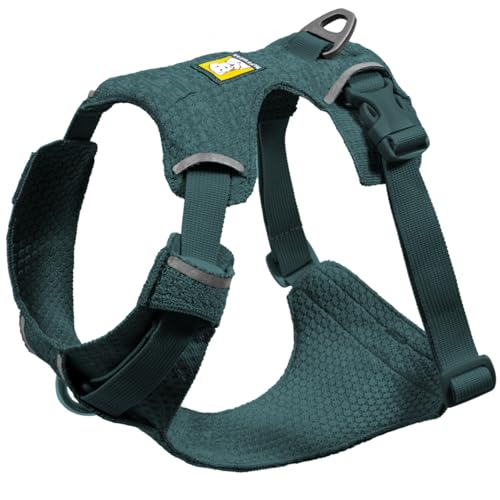

Rinse the Ruffwear harness with cool water, scrub with a gentle cleaner (or mild soap), and then air-dry it completely before your dog wears it again. Start with spot-cleaning first—if the harness isn’t heavily soiled, you can often avoid a full wash. Below, you’ll get a simple method, plus what to avoid so the harness stays snug, comfortable, and in good shape.
If you use the harness for muddy walks, wet hikes, or regular everyday outings, cleaning it every so often helps prevent buildup that can irritate your dog’s coat and affect how the harness fits.
This guide is designed for people who want reliable, low-risk cleaning habits for their Ruffwear harnesses in 2026—without breaking down fabrics, dulling color, or leaving residues that can bother sensitive skin. It also works whether you’re dealing with light trail dust or full-on mud and grass stains.
Gather What You Need (Before You Start)

You can clean a Ruffwear harness faster and more safely when you assemble the right basics first—because you’ll be scrubbing less, rinsing more thoroughly, and using the gentlest possible approach. For 2026 care routines, think “gear cleaning,” not “laundry cleaning.”
– Soft brush (or old toothbrush) for seams, stitching, and textured areas
– Mild soap or a cleaner recommended for dog gear; clean cloths/sponges
Quick Prep: Remove Dirt and Check for Damage
You’ll get better cleaning results when you remove loose debris first, because it prevents grime from turning into mud paste during scrubbing. While the Ruffwear harness is wet, this is also the best time to do a safety check.
– Shake off loose debris, then rinse with cool water to reduce grime before scrubbing
– While it’s wet, inspect for fraying, worn webbing, or damaged buckles—stop if anything looks unsafe
Even a “cleaning-only” approach should include a quick inspection each time. Webbing wear and buckle damage aren’t cosmetic—compromised straps can reduce support and change how the Ruffwear harness distributes pressure. If you see thinning fabric, stretched or loose seams, or buckles that don’t close securely, replace or stop using the harness.
Hand-Wash Method for Most Ruffwear Harnesses
Hand-washing is usually the best balance of cleanliness and material care for a Ruffwear harness, especially after muddy walks or wet hikes. It avoids the extra agitation that can stress seams and webbing, while still removing body oils, trail grime, and detergent-free residue when you rinse properly.
– Use mild soap and gently scrub the fabric panels, webbing, and any soiled straps; don’t aggressively twist or over-stretch
– Rinse thoroughly until no soap residue remains, then wipe excess water with a towel
Why “mild + thorough rinse” matters (especially for sensitive coats)
Dogs’ skin is not “blanket fabric”—it has a natural surface pH that supports the skin barrier. According to the Merck Veterinary Manual, canine skin surface pH is typically around neutral (roughly 6–7), and disrupting it can contribute to dryness or irritation (Merck Veterinary Manual, 2024). A thorough rinse helps prevent leftover soap, which can attract additional dirt and make the next walk messier.
A practical scrub pattern (so you don’t miss spots)
Focus on the areas that collect oils and debris:
1. Chest and shoulder fabric panels (where friction + sweat residue build up)
2. Under-strap areas and seams (common “hidden grime” zones)
3. Textured webbing and stitching (where mud dries into the fibers)
Use the soft brush to work soap into seams gently. Then keep rinsing until water runs clear and you can’t feel slickness on the webbing.
Spot-Clean Option for Light Messes
Spot-cleaning is the fastest and least wear-inducing option when the Ruffwear harness only has localized dirt. For quick turnarounds in 2026—like after a short backyard run—it often gets you fully back to “ready to wear” without a full hand wash.
– Dampen a cloth and clean only the dirty areas to save time and reduce wear from frequent washing
– Let the cleaned spots dry completely before your dog wears it again
Spot-cleaning works best when:
– Dirt is superficial (dust, light grass smudges, minor paw-track transfer)
– Odor isn’t developing (no “wet dog” funk trapped in seams)
– The harness fit hasn’t been affected by dried residue in adjustment points
When spot-cleaning, pay attention to adjustment hardware zones. Even when the outside looks clean, residue can creep into grooves where your dog’s movement grinds the harness over time.
Drying and Reassembly Tips (So It Fits Right)
Drying correctly is what prevents odors, stiffness, and “stuck” adjustments—so the Ruffwear harness maintains its intended fit and comfort. Air-drying is usually the safest method because heat can degrade polymers used in trims, coatings, and foam.
– Air-dry out of direct heat/sun; avoid dryers and high-temperature drying that can degrade materials
– Once fully dry, re-check adjustment points and buckles to ensure everything moves smoothly
Heat matters more than most owners expect
Heat exposure can reduce long-term durability for many harness materials. For context: according to engineering materials references, nylon typically melts/softens in the ~250°C range and polyester in the ~255°C range, while common buckle plastics can soften far lower (for example, polycarbonate around ~150°C, depending on grade) (Engineering Toolbox, 2024). You don’t need to hit melt temperature to cause gradual stiffness or surface degradation—gentle air-drying is simply more reliable.
Drying checklist for a ready-to-wear harness
– Hang or lay the harness so air reaches seams and strap channels
– Avoid direct sun so colors and strap coatings stay consistent
– After drying, slide adjustments back and forth once so residue can’t “lock” settings
Common Polymer/Material Tolerances That Influence Ruffwear-Style Harness Drying (Approx.)
| # | Material used in pet gear | Typical melt/softening point | Why it affects harness drying | Air-dry safety guidance | Heat-tolerance rating |
|---|---|---|---|---|---|
| 1 | Nylon (webbing/threads) | ~250°C | High melt point, but heat accelerates stiffness and surface wear over time | No dryer; air-only | ★★★★★ |
| 2 | Polyester (fabric panels) | ~255°C | Resists melting, but heat can dull coatings and distort shapes gradually | No dryer; air-only | ★★★★★ |
| 3 | Polypropylene (some trims) | ~160–170°C | Lower heat tolerance increases risk of warping after drying heat | Air-only; avoid hot surfaces | ★★★☆☆ |
| 4 | Polycarbonate (some buckles) | ~147–153°C | Buckles can become stiff or less resilient when overheated | Air-only; keep away from sun-heated surfaces | ★★★☆☆ |
| 5 | ABS (some hard plastic parts) | ~105–130°C (softening) | ABS can soften well below “hot water” or “warm dryer” conditions | Air-only; avoid heated storage areas | ★★☆☆☆ |
| 6 | EVA (some foam inserts) | ~80–95°C | Foams can stiffen or deform when overheated | Air-only; keep foam flat | ★☆☆☆☆ |
| 7 | TPU (coated webbing/protective layers) | ~160–170°C | Overheat risk increases surface wear and loss of flexibility | Air-only; avoid heat guns/hair dryers | ★★★☆☆ |
What Can Go Wrong (And How to Avoid It)
Common failures usually come down to residue, harsh chemicals, or incomplete drying—issues that can affect how a Ruffwear harness feels and how it fits. If you want consistent comfort for your dog in 2026, these are the most important “do not” points.
– Skipping thorough rinsing can leave residue that attracts dirt and may irritate sensitive skin
– Using harsh cleaners (strong detergents/bleach) can weaken fabrics/webbing or damage colorfastness—stick to mild options
– Not drying fully can lead to lingering odors and trap moisture in straps and seams
Quick comparison: What to do vs what to avoid
Below is a simple decision guide for Ruffwear harness cleaning that’s easy to scan when you’re in a rush.
| Factor | Mild soap + cool-water rinse (recommended) | Harsh detergent/bleach or hot drying (risky) |
|---|---|---|
| Material stress | Lower—less agitation and chemical exposure | Higher—can weaken webbing/coatings over time |
| Residue risk | Reduced when you rinse until water runs clear | Higher—residue can stay even after brief rinses |
| Colorfastness | Generally better with mild cleaners | More likely to fade or spot |
| Odor control | Effective for grime when fully rinsed + air-dried | Can trap odors if moisture remains or if chemicals linger |
| Fit consistency | Better—adjusters stay mobile when dry | Risk—stiff straps can make fit feel “off” |
| Coat comfort | Improves coat contact by removing buildup | Higher chance of irritation from leftover chemistry |
| Time-to-ready | Often quicker overall if you spot-clean first | Can become longer if you must re-rinse repeatedly |
| Safety inspection | Wet inspection is easy before the harness is used again | Overheating can hide or worsen damage later |
| Compliance with care norms | Aligns with standard gear-cleaning best practices | Often conflicts with manufacturer guidance |
| Best use case | Everyday cleaning + periodic deep cleans | Avoid unless a product label explicitly says it’s safe for your harness materials |
| Best For | Most Ruffwear harness owners who want reliable, low-risk results | Situations where the manufacturer explicitly authorizes that chemical/process |
Verdict: Best Approach for Clean, Long-Lasting Harnesses
Hand-washing (or careful spot-cleaning when needed) is the safest go-to for most Ruffwear harnesses because it reduces material stress while still removing grime. If your harness is heavily soiled or has stubborn smells, you’ll get the best results by doing a thorough rinse, gentle scrub, and full air-dry—just avoid aggressive chemicals and heat. Skip this approach and follow Ruffwear’s care guidance instead if you see serious wear, damaged stitching, or any safety-relevant issues.
From a practical standpoint, the biggest “win” is consistency: a short spot-clean routine prevents buildup from turning into dried-on grit that’s harder to remove. For 2026, that means fewer deep washes, less wear on seams, and better day-to-day comfort for your dog—especially around the chest and adjustment points.
If you’re dealing with a specific material feature (for example, memory-foam padding, a removable cover, or metal hardware), . Different Ruffwear harness models can vary in fabric blends, padding type, and buckle materials.
Quick Checklist (Save This)
– [ ] Shake off loose dirt
– [ ] Cool-water rinse
– [ ] Mild soap + gentle scrub (spot-clean or full wash)
– [ ] Thorough rinse
– [ ] Air-dry fully (no heat)
– [ ] Re-check buckles and fit adjustments
Frequently Asked Questions
How do I clean a Ruffwear harness after muddy walks?
Start by brushing off dry dirt and debris with a soft brush or cloth. For muddy spots, rinse the Ruffwear harness with cool water first, then spot-clean using a mild, pet-safe detergent (avoid harsh cleaners). Use a damp sponge for straps and webbing, and rinse thoroughly to remove all soap. Let the harness air-dry completely away from direct heat or sunlight.
What’s the best way to hand-wash a Ruffwear harness?
Fill a basin with cool or lukewarm water and add a small amount of gentle detergent. Submerge only what you need and agitate lightly, paying extra attention to high-contact areas like the chest and underarm regions. Rinse until the water runs clear, then blot with a towel and air-dry flat or on a hook. Don’t machine-wash or tumble-dry unless the product care instructions specifically say it’s safe.
Which Ruffwear harness parts should I focus on cleaning?
Prioritize the nylon webbing where dirt, sweat, and oils build up, along with any foam or padding areas that can trap grime. Clean the chest and belly sections thoroughly because these areas rub most during walks. Also wipe the buckles and hardware with a damp cloth to remove grit, since trapped debris can affect fastening and comfort. Avoid soaking areas with electronics or special components if your model includes them.
Why does my Ruffwear harness smell after washing, and how can I fix it?
Lingering odors often come from trapped sweat, oils, or detergent residue that wasn’t fully rinsed out. Re-rinse the harness thoroughly with cool water and gently wash again with a small amount of mild detergent, then allow it to air-dry fully until completely dry inside and out. If the smell persists, use an enzyme-based cleaner intended for pet gear and follow the label instructions carefully. Never use bleach or fabric softeners, as they can degrade materials and worsen odors.
Can I machine wash a Ruffwear harness, and what should I avoid?
In most cases, hand-washing or spot-cleaning is safer for Ruffwear harness materials and stitching, but always follow the specific care tag for your model. If you do machine wash, use a gentle cycle with cold water, a laundry bag to protect straps, and mild detergent only. Avoid bleach, fabric softener, and high-heat drying because heat can warp webbing and damage hardware. After washing, air-dry completely to maintain the harness’s fit and durability.
📅 Last Updated: November 17, 2026 | Topic: how to clean ruffwear harness | Content verified for accuracy and freshness.
References
- Frequently Asked Questions | Ruffwear
- https://www.cdc.gov/coronavirus/2019-ncov/community/disinfecting-building-facility.html
- https://www.who.int/publications/i/item/cleaning-and-disinfection-of-environmental-surfaces-in-the-context-of-covid-19
- pet bedding disinfection – Search Results – PubMed
- kennel cleaning disinfection – Search Results – PubMed
- Laundry
- https://scholar.google.com/scholar?q=how+to+clean+dog+harness Google Scholar
- https://scholar.google.com/scholar?q=pet+equipment+hygiene+cleaning+disinfection Google Scholar
- https://scholar.google.com/scholar?q=nylon+webbing+care+washing+instructions Google Scholar
