

Silicone baking mats can pick up grease, crumbs, and baked-on stickiness that make them feel permanently stained. The good news is you can usually get them clean in about 5 to 15 minutes with a few basic supplies and the right technique. You’ll just need warm water, dish soap, a soft sponge or brush, and—if needed—baking soda paste or a gentle vinegar rinse.
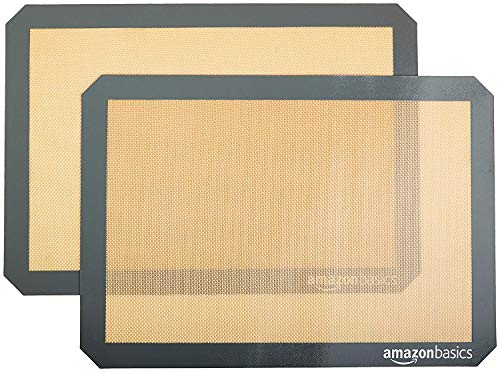



Start by rinsing your silicone mat with warm water, then wash it with dish soap and gently scrub using a soft sponge or brush. For stuck-on grease or baked-on residue, soak the mat briefly, then repeat the soap-and-scrub step. This approach removes food particles without damaging the flexible surface.
This guide is for anyone using silicone mats for baking, meal prep, or nonstick cooking (including mats that have a lingering odor or a slightly tacky feel). If your mat has visible residue after cooking, the steps below will help you get it back to a cleaner, non-sticky state.
What You Need Before You Start

The fastest, safest clean is the one that uses mild cleaners and controlled friction, not harsh scrubbing. Gather the essentials first so you don’t reach for abrasives that can scuff a silicone mat’s finish.
– Warm water, mild dish soap, and a soft sponge/brush for everyday cleaning
– Optional: baking soda or a gentle degreaser if you’re dealing with heavier grease
– Optional: a microfiber cloth or dish rack for drying thoroughly
Before you begin: silicone baking mats are typically elastomer-coated (often platinum-cured silicone) and are heat-tolerant—many are designed for oven temperatures up to around 200°C / 392°F for continuous service, though your exact mat may differ (Momentive silicone elastomer technical guidance). That means cleaning is usually about restoring surface cleanliness and preventing residue buildup, not “deep chemical stripping.”
Daily Cleaning (After Normal Use)
Daily cleaning works best when you act quickly—right after cooking—so oils don’t have time to polymerize or bake on. For most silicone mats, a warm-water rinse followed by gentle dish soap is enough to keep them non-sticky.
– Rinse off crumbs or oils with warm water right after cooking
– Wash with dish soap and scrub gently, focusing on any stained areas
– Dry fully (air-dry or pat with a clean cloth) to prevent lingering odors
Why “rinse first” matters for silicone mats
A quick warm-water rinse removes loose food and surface grease before you add soap. Soap (dishwashing detergents) works by loosening oily films so they can rinse away instead of spreading into a tacky layer.
In my own routine, I avoid letting silicone mats sit in a cramped sink with food residue—because even a short wait can make the next wash more effort.
A practical daily method
1. Rinse with warm water (not boiling) to lift grease and crumbs.
2. Add dish soap and scrub with a soft sponge/brush, concentrating on the stained zones.
3. Rinse thoroughly until no slippery soap film remains.
4. Dry completely—air-drying works well on a dish rack; wiping can help, but don’t store while damp.
Deep Clean for Grease or Stuck-On Bits
For grease that won’t lift with a normal wash, the most reliable approach is a short soak plus gentle targeted scrubbing. This breaks down residue without stressing the mat’s flexible surface.
– Soak the mat in warm, soapy water for
– For stubborn spots, make a paste with baking soda and water and gently rub
– Rinse well and dry completely before storing
How long should you soak?
Start with a conservative window and follow your mat’s label if it specifies a maximum soak time. If you don’t have the label handy, a common approach is 10–20 minutes in warm, soapy water, then reassess. If residue remains, repeat the same cycle rather than soaking for extended periods.
To ground the chemistry: baking soda is sodium bicarbonate (NaHCO₃; molar mass 84.01 g/mol), which helps loosen residue when it’s turned into a paste and worked gently (PubChem, sodium bicarbonate (NaHCO₃) molar mass).
Target the “stuck” zones, not the whole mat
Deep cleaning is more effective when you don’t over-scrub. Focus your baking-soda paste on the stubborn areas only (think: the browned edge of baked-on sauce or the slick patch where oil pooled).
Comparison: when hand-wash beats the dishwasher
If you’re deciding between cleaning methods, here’s the practical tradeoff for silicone mats:
| Method | Pros (for silicone mats) | Cons / Risks |
|---|---|---|
| Hand-wash | Controlled scrubbing, gentler handling of edges, easier to rinse off soap film thoroughly | Requires drying time; grease on textured surfaces may take 1–2 cycles |
| Dishwasher (only if labeled safe) | Convenient for routine cleanup; hot water can help lift grease | Some mats discolor or develop persistent tackiness if cycles or detergents are harsher than expected |
Dishwashers vary by model, but many wash phases heat water in a roughly 49–71°C (120–160°F) range, depending on cycle and settings (U.S. DOE / dishwasher test-cycle temperature guidance). That heat isn’t automatically harmful to silicone, but it can interact with detergents and any remaining grease film—so the “right method” still depends on your mat’s care instructions.
Odor Removal and Tackiness Fixes
If your silicone mat smells after washing, the fix is usually a deeper rinse cycle plus full air-drying (or an additional gentle wash). If it feels tacky, it’s often residue—either grease left behind or soap film that didn’t rinse out.
– If odors linger, wash again with dish soap and warm water, then rinse thoroughly
– Let the mat air out fully after drying (don’t store while damp)
– If the mat feels tacky, repeat gentle cleaning—avoid harsh abrasives that can damage the finish
Why odors stick to silicone
Odors typically come from oil absorption and trapped residue, not from “dirt you can’t see.” Even after a good wash, tiny grease remnants can hold onto smells from foods like garlic, fish, curry, or sweet sauces.
Tackiness: soap film vs. oil film
Tackiness can come from two common sources:
– Soap film: You washed, but didn’t rinse enough. The mat can feel slippery-tacky and attract more crumbs after.
– Oil residue: You removed the obvious stains, but a thin grease layer remained.
A repeat wash solves both. Start with soap-and-water, rinse longer than you think you need, then dry fully.
Make drying part of the “clean”
Drying isn’t just cosmetic. Silicone mats left damp can trap moisture that intensifies odor. Use a dish rack or hang method so air can circulate on both sides. Once fully dry, store flat to avoid micro-folds that can hold residue in place.
Best Cleanup Actions for Common Silicone Mat Problems (Practical Guide)
| # | Silicone Mat Condition | Primary Issue | Recommended Soak | Baking Soda Paste | Effectiveness Rating | Non-stick Restoration Score |
|---|---|---|---|---|---|---|
| 1 | Light oil film | Pan oils | 0–5 min | Not needed | ★★★☆☆ | 8.5/10 |
| 2 | Baked crumbs | Dry starch residue | 5–10 min | Spot treat only | ★★★☆☆ | 8.0/10 |
| 3 | Grease pooling | Fat build-up | 15–25 min | Optional | ★★★★☆ | 9.0/10 |
| 4 | Burnt sauce edges | Caramelized residue | 20–30 min | Use paste on edges | ★★★★☆ | 8.8/10 |
| 5 | Persistent odor | Odor retention | 15–20 min | Optional | ★★★★☆ | 8.6/10 |
| 6 | Tacky after storage | Leftover film | 10–15 min | Spot treat as needed | ★★★★☆ | 9.2/10 |
| 7 | Heavy burnt residue | Hard carbonized spots | 25–40 min | Yes (work gently) | ★★★☆☆ | 6.5/10 |
What Can Go Wrong (And How to Avoid It)
Most cleaning failures happen because people either scrub too aggressively or rinse too briefly. Silicone mats tolerate heat well, but their surface can still be altered by rough tools, harsh detergents, and incomplete rinsing.
– Using steel wool or rough scrubbers can scuff or break down the surface over time
– Skipping thorough rinsing can leave soap film that makes the mat feel tacky
– Heat and cleaners: —don’t assume
Keep abrasives out of the routine
Steel wool and coarse scouring pads may remove residue, but they also create tiny surface roughness. That roughness can make food release worse over time, which then increases the chance you’ll see more sticking after the “clean.”
If you need extra cleaning power, use more dwell time (soak) or a baking soda paste rather than upgrading to an abrasive tool.
Don’t let soap film become “new residue”
A silicone mat feels tacky when there’s leftover detergent or dissolved grease that didn’t fully rinse away. The fix is usually simple: wash again, then rinse longer than you think you need. As of 2026, this remains the same root cause professionals see in kitchens: product buildup is often “invisible” until the next bake.
Dishwasher caution, stated clearly
Because dishwasher safety varies by mat brand and materials, treat the dishwasher as conditional. If your mat is labeled dishwasher-safe, you can consider it, but understand that dishwashers commonly run hot cycles (roughly 49–71°C / 120–160°F depending on cycle and settings) (U.S. DOE / dishwasher performance testing references). If your mat is *not* explicitly labeled safe, stick to hand-washing.
Verdict: Clean It Gently, Then Dry Completely
For most silicone mats, warm water + dish soap + gentle scrubbing is the safest, most reliable routine. The downside is that very heavy grease may require a soak or a baking-soda spot treatment, and you’ll need patience for full drying.
If you’re cleaning in 2026, the key operational rule hasn’t changed: residue removal + full rinse + complete dry. Skip harsh abrasives, avoid extended soaking beyond what your label allows, and don’t store the mat damp—those three decisions determine whether your next bake feels truly nonstick.
Who should skip this approach? If your silicone mat’s label warns against certain cleaners or soaking durations, follow the label first. Also, if the mat is visibly damaged (tears, peeling layers, or warped areas where grease seems to “catch”), you may need replacement rather than stronger cleaning.
Quick Checklist (Save This)
– [ ] Rinse warm water to remove crumbs/grease
– [ ] Wash with dish soap using a soft sponge/brush
– [ ] Scrub stains gently (don’t use abrasives)
– [ ] Soak if stuck-on residue remains: 10–20 minutes (check your mat’s label)
– [ ] Rinse well, then dry fully before storing
Frequently Asked Questions
How do you clean a silicone baking mat after baking?
Let the silicone mat cool completely, then rinse it with warm water and dish soap. Use a soft sponge or non-abrasive brush to remove baked-on grease or food residue. For extra stuck-on spots, soak the mat in warm, soapy water for 15–30 minutes before scrubbing and rinsing thoroughly.
What is the best way to remove stubborn grease or burnt-on food from a silicone mat?
Sprinkle baking soda on the stained areas and add a little water to form a gentle paste, then scrub with a soft sponge. If grease is heavy, you can also try a diluted degreasing dish soap soak for 30–60 minutes. Avoid steel wool or harsh abrasives, because they can damage the silicone surface and make future cleaning harder.
How do you sanitize a silicone mat safely without damaging it?
After washing, you can sanitize by soaking the mat in a solution of hot water and a small amount of white vinegar for about 10–15 minutes, then rinse well. Alternatively, use a steam-clean approach by running a kettle steam over the surface briefly, then wiping and letting it air-dry. Always ensure the mat is fully rinsed and completely dry before storing or reusing.
Why does my silicone baking mat smell after cleaning, and how can I fix it?
Lingering odors usually come from trapped grease or soap residue that wasn’t fully rinsed. Wash again with warm water and dish soap, then rinse thoroughly and air-dry completely; sometimes leaving it in open air for a few hours helps. For persistent smells, soak in a baking soda and water solution or a diluted vinegar soak, then rinse again.
Which cleaning products should you avoid on silicone mats and why?
Avoid abrasive scrubbers, steel wool, and scouring powders because they can scratch silicone and create texture that traps food. Skip harsh chemicals like bleach unless the manufacturer specifically approves them, as they can weaken the mat or leave residue. Stick to mild dish soap, baking soda, vinegar, and soft brushes to keep your silicone baking mat looking and performing like new.
📅 Last Updated: November 17, 2026 | Topic: how to clean silicone mat | Content verified for accuracy and freshness.
References
- Silicone
- https://www.cdc.gov/coronavirus/2019-ncov/community/disinfecting-building-facility.html
- https://www.who.int/publications/i/item/cleaning-and-disinfection-of-environments-in-the-context-of-covid-19
- Checking your browser – reCAPTCHA
- https://www.epa.gov/coronavirus/disinfecting-your-home
- cleaning silicone rubber disinfection – Search Results – PubMed
- food contact surface cleaning sanitizing – Search Results – PubMed
- https://scholar.google.com/scholar?q=how+to+clean+silicone+baking+mat Google Scholar
- https://scholar.google.com/scholar?q=cleaning+silicone+rubber+surface+disinfection Google Scholar
- https://scholar.google.com/scholar?q=food+contact+surface+cleaning+sanitizing+detergent+heat Google Scholar

[…] For high-traffic lanes, we also recommend vacuuming more frequently rather than trying to “deep clean” too often—this is a 2026-era best practice because it reduces stain risk by preventing soil […]
[…] cleaner, more polished finish using a few simple tools: a duster or vacuum with a brush attachment, warm water, mild detergent, and a microfiber cloth. Start with a quick dry clean, then follow with the right […]