

The faucet base is the spot where small drips collect and mineral residue builds up around the escutcheon and under the handle. The best products for cleaning it are the ones that lift limescale and grime without scratching, work across common finishes, and rinse clean so you are not left with streaks. A gel descaler designed for bathroom fixtures typically stands out for its cling and controlled action.



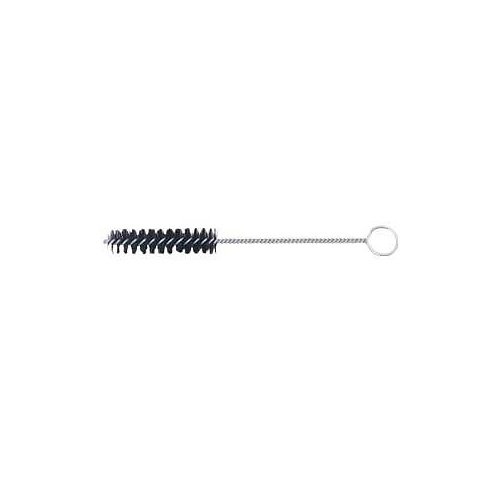
Use a gentle, non-abrasive cleaner for grime, and switch to a mineral-remover when you see hard-water buildup around the faucet base. For the cleanest results, use a soft brush or old toothbrush plus microfiber cloth so you can reach crevices without scratching the finish—and this guide breaks down the best product types (and what to avoid) so you can pick the right one for your faucet and mess.
If your faucet base traps water and gunk—whether from daily splashes, soap residue, or hard water—this article is for you. It’s especially helpful if you want a product approach that won’t damage common finishes like chrome, brushed nickel, stainless steel, or plated coatings. As of 2026, most faucet failures from “cleaning damage” come from over-aggressive chemistry or tools, not from a lack of effort—so the goal is targeted removal, not abrasion.
What “best product” really depends on

The best product for faucet base cleaning depends on what’s actually stuck under/around the base. Here is why: soap films, oily residue, and true mineral scale react differently to cleaners, and the wrong formula can smear grime deeper into seams or dull plated finishes.
– Identify the buildup: soap scum/film vs. mineral scale (chalky white) vs. grime packed in seams.
– Match the product to the faucet finish: plated and brushed surfaces often need gentler, non-abrasive formulas.
– Think about safety for nearby materials: if you’re cleaning near stone counters, avoid overly harsh chemicals unless you’re sure they’re compatible.
A quick chemistry reality check helps you choose the right category. Hard-water scale is largely mineral deposits such as calcium carbonate (CaCO₃), and that mineral is relatively soft compared to metal abrasives—calcium carbonate has a Mohs hardness of about 3. Encyclopaedia Britannica, “Calcium carbonate” (accessed 2026) That means mineral scale can be dissolved/softened by the right chemistry, while steel wool and scouring powders can still do real damage to plating.
Best product types for faucet-base cleaning
The best product types follow a simple rule: match the cleaner’s “job” (degrease vs. dissolve minerals) to the residue you see. This works especially well for faucet base cleaning because the base area is where residue concentrates and where scratches are most visible.
Here are the product categories that reliably cover the common faucet-base problems:
– Gentle daily cleaner: a dish soap-based cleaner or gentle bathroom spray (non-scratching) works well for everyday grime and oily film.
– Mineral remover for scale: look for a descaler made for bathroom/kitchen fixtures (or a mild acid-based cleaner intended for hard-water buildup).
– Degreasing support (optional): if the base area feels oily or sticky, choose a degreaser that’s labeled safe for plumbing fixtures/metal surfaces.
– Tools matter as much as chemicals: a soft toothbrush, small detailing brush, and microfiber cloth usually outperform harsh scrubbing.
To make mineral-remover choices less guessy, it helps to understand how “hardness” is measured. According to Water Quality Association, 1 grain per gallon (gpg) equals 17.1 mg/L as CaCO₃ (Water Quality Association, “Water Hardness” (accessed 2026)). Translating that matters because many descaling instructions and water-test reports use different hardness units, even though the underlying mineral (CaCO₃) is the same.
Cleaner type comparison (what works and what to watch)
| Cleaner category | Best for faucet base | Pros | Cons / caution |
|---|---|---|---|
| Dish soap + warm water / gentle spray | Soap film, oily fingerprints, everyday grime | Low risk for chrome, nickel, stainless; safe when you’re unsure what’s on the base | May not remove chalky mineral scale |
| Fixture-safe descaler (acid-based) | Chalky white hard-water buildup | Targets mineral scale directly; often restores shine without abrasion | Can dull some coatings if the label doesn’t match your finish—spot test first |
| Oxygen-based cleaners (where label-approved) | Organic grime in damp seams | Often gentler than chlorine-type products | Still requires label compatibility; not ideal for heavy limescale |
| Abrasive pastes / scouring powders | Generally not recommended | Works fast on some surfaces | High scratch/finish-dulling risk on plated and brushed metals |
Common Water-Hardness Units and Their Conversion to mg/L as CaCO₃
| # | Hardness unit | mg/L as CaCO₃ per 1 unit | Practical for faucet descaling |
|---|---|---|---|
| 1 | grains per gallon (gpg) | 17.1 | Low |
| 2 | ppm (as CaCO₃) | 1.0 | Low |
| 3 | °dH (German hardness) | 17.848 | Low |
| 4 | °fH (French hardness) | 10.0 | Low |
| 5 | °eH (Clarke hardness) | 14.254 | Low |
| 6 | milliequivalents per liter (meq/L) | 50.0 | High |
| 7 | millimoles per liter (mmol/L) as CaCO₃ | 100.09 | High |
How to clean the faucet base (simple, low-risk method)
The safest approach to faucet base cleaning is “identify the residue → use the mildest effective product → reach crevices gently.” This matters because the seam where the base meets the sink or countertop collects water and creates the perfect environment for both soap film and mineral scale.
– Dry and inspect: wipe the area lightly first, then check whether the residue looks oily/filmy or chalky/mineral (this changes which product you should use).
– Apply and dwell: spray or apply your chosen cleaner to the base area and let it sit briefly—long enough to loosen residue, but follow the label timing.
– For mineral buildup, use the descaler approach and avoid prolonged soaking if your faucet finish is delicate.
– Scrub gently in circles: use the soft brush to work around the seam where the base meets the sink or countertop, then rinse thoroughly.
– Finish and prevent spots: dry with a microfiber cloth to reduce new water marks right after cleaning.
From my own routine in bathrooms and utility sinks, the biggest improvement usually comes from technique rather than strength: I keep the brush bristles soft, and I focus scrubbing on the seam instead of the smooth face of the base. That reduces the odds of scuff marks on chrome or brushed nickel—something that tends to show up under angled lighting in 2026 bathrooms.
If you’re tempted to “speed it up” with acids
It’s common to reach for vinegar, but vinegar isn’t the same as an all-purpose descaler. According to USDA FoodData Central, distilled white vinegar is commonly about 5% acetic acid by volume. USDA FoodData Central (accessed 2026) That acidity can soften mild scale, but it can also dull finishes if you overdo it or leave it sitting too long. If you choose vinegar, spot test first and keep the dwell time short.
What can go wrong (and how to avoid it)
If faucet base cleaning fails, it usually isn’t because the grime was “too strong”—it’s because the cleaner (or tool) wasn’t matched to the residue. Avoiding these common mistakes protects both appearance and longevity.
– Scratches from abrasive cleaners: scouring powders, steel wool, and “heavy duty” abrasives can dull or pit plated finishes.
– Damage from harsh chemicals: bleach, strong acids, or aggressive solvents may discolor certain coatings—always verify compatibility on the label.
– Chemical mixing risks: never combine cleaners (especially acids and chlorine/bleach-type products).
– Water trapped under the base: if grime returns quickly, you may have a persistent leak or poor drainage—cleaning alone won’t fix the cause.
– Not rinsing enough: residue from cleaners can build up at the base and attract more dirt over time.
One edge case I see often: the base “looks dirty” but the real problem is dampness that never fully dries. In that situation, even perfect chemistry won’t keep the seam clean for long. If you notice continuous wetness, water pooling, or mineral rings that come back within days, inspect for a leak at the cartridge/joint or check the sink’s drainage and seal.
Verdict: what to buy first (and who should skip this)
Start with a gentle, non-abrasive bathroom/kitchen cleaner plus a soft brush—this covers most sticky film and everyday grime safely for common faucet finishes. If you see chalky white scale or hard-water rings, add a labeled mineral remover/descaler and test it in a small hidden spot first.
Skip DIY chemical cleaning (or stop and reassess) if you suspect corrosion, a leaking cartridge/joint, damaged plating, or if the faucet has an unusual coating—those cases may need a professional or a more careful product selection. Also skip “stronger is better” thinking: concentrated acids or abrasive tools can create dull patches that are harder to fix than the original buildup.
Quick scan checklist (save this)
| What you’re seeing | Best product type | Cleaning tool | Main caution |
|---|---|---|---|
| Oily film / soapy residue | Gentle bathroom/kitchen cleaner | Soft toothbrush + microfiber | Avoid abrasives |
| Chalky white buildup | Labeled descaler/mineral remover | Small brush + thorough rinse | Don’t soak too long—check finish safety |
| Dark grime in seams | Cleaner + dwell time | Detailing brush + rinse | Don’t mix chemicals |
| Recurring “instant” mess | Cleaner may help temporarily | Brush + dry | Could be a leak—investigate first |
Frequently Asked Questions
What are the best products for cleaning the base on a faucet?
The best products usually include a non-abrasive bathroom cleaner, a degreasing kitchen/bath spray, and an adhesion-safe scrub tool like a soft microfiber cloth. For hard water buildup around the faucet base, look for a lime-scale remover or bathroom descaler designed for metal and finishes. If you’re dealing with grime and soap scum, a gentle all-purpose cleaner plus a small nylon brush helps lift buildup without scratching.
How do I clean the faucet base around the handles without damaging the finish?
Start by using a non-scratch cleaner (spray or gel) that’s safe for your faucet finish, then let it sit for a few minutes to loosen residue. Use a soft toothbrush or a small nylon detailing brush to clean the crevices under and around the base, where gunk collects. Wipe thoroughly with a microfiber cloth and dry the area to prevent water spots and re-depositing minerals.
Which cleaner works best for hard water stains and mineral buildup at the faucet base?
For mineral buildup, a targeted descaler (often acid-based or formulated for limescale) typically works best and quickly removes white crust and rough deposits. Apply the product to a cloth or directly to the buildup, keep it off sensitive seals as directed, and gently scrub with a non-abrasive brush. Always rinse well and dry, especially on chrome, brushed nickel, and stainless steel to avoid lingering streaks.
Why does gunk build up under the faucet base, and how can I prevent it?
Gunk forms because water splashes, soap residue, and mineral deposits combine at the base where moisture gets trapped. After cleaning, dry the faucet base regularly and consider using a water-repellent or rinse-after-use habit to reduce mineral buildup. Using the right faucet-safe cleaner on a routine schedule (instead of harsh scrubbing) can also help prevent thick buildup.
Best way to choose a product—what should I look for when buying faucet base cleaners?
Choose products labeled as safe for the specific faucet finish (chrome, stainless steel, brushed nickel, chrome-plated, or brass). Prioritize non-scratching formulas for everyday grime and a dedicated descaler for hard water stains, since these target lime and mineral buildup more effectively. If you want the fastest results, look for gel or foam cleaners that cling to vertical surfaces and include instructions for rinsing near handles and seals.
📅 Last Updated: November 08, 2026 | Topic: Best Products for Cleaning the Base on a Faucet | Content verified for accuracy and freshness.
References
- https://www.cdc.gov/coronavirus/2019-ncov/community/clean-disinfect/index.html
- https://www.who.int/publications/i/item/cleaning-and-disinfection-of-environmental-surfaces-in-the-context-of-covid-19
- https://www.epa.gov/coronavirus/disinfectants-coronavirus-covid-19/list-n-disinfectants
- https://www.cdc.gov/mold/default.htm
- Limescale
- Bleach
- Descaling agent
- https://scholar.google.com/scholar?q=cleaning+disinfection+faucet+surfaces+bathroom Google Scholar
- https://scholar.google.com/scholar?q=limescale+removal+citrate+vinegar+stainless+steel+chrome Google Scholar
- https://scholar.google.com/scholar?q=effectiveness+of+household+disinfectants+on+hard+nonporous+surfaces Google Scholar
