

You notice dull spots on your kitchen faucet and reach for a pad of steel wool to make it shine. Experts generally say you should not use steel wool on most faucet finishes because the abrasive can leave scratches and allow corrosion or discoloration to start. A gentler cleaner and a soft cloth protect the surface while still lifting grime.
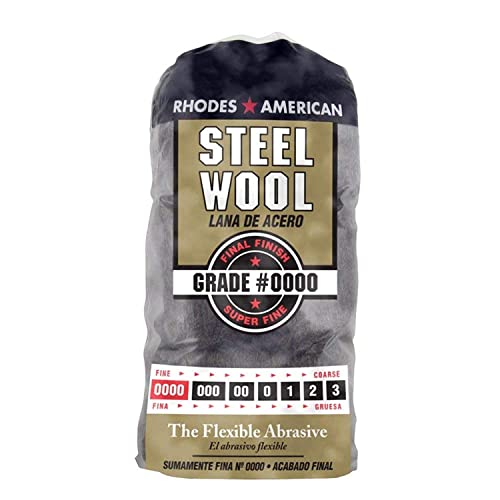



Steel wool can remove grime, but it also scratches and dulls many faucet finishes—so experts generally recommend avoiding it for most decorative coatings. If you’re dealing with mineral buildup, soap scum, or water spots in 2026, safer results usually come from microfiber plus a finish-safe cleaner or descaler that lifts deposits without wearing down the surface.
If your faucet has chrome, brushed nickel, or plated “decorative” looks (rather than bare, untreated metal), this is especially important. The finish determines what “clean” actually means—because steel wool’s abrasiveness doesn’t just remove buildup, it can also change how light reflects off the coating over time.
Why steel wool is risky for faucets

Steel wool is risky because it acts like a mechanical abrasive, not a surface-safe cleaner. Even when it makes a faucet look cleaner right away, steel wool can leave micro-scratches that later show up as dullness, cloudy patches, or uneven sheen—particularly on reflective or plated finishes.
– Steel fibers are abrasive and can leave micro-scratches that show up as dullness or rough patches.
– Many faucets rely on a protective plating or coating; abrasion can wear through that layer over time.
– Brushed finishes can look “uneven” after steel wool, even if the surface looks clean.
From a materials perspective, this behavior is predictable. According to USGS, iron (the basis of many steel wool fibers) falls around Mohs hardness ~4–5, which is high enough to roughen many metal finishes and “open up” tiny surface defects. Once those defects exist, soap scum and hard-water minerals adhere more easily, which can make the next cleaning cycle harder.
Also, in 2026 more faucet designs combine layers—like a base metal (often brass or stainless), then plating (often nickel or chrome-like finishes), and sometimes a top protective clearcoat depending on the brand and style. Steel wool targets the final layer you can see, which means the visible change happens first.
What experts recommend instead (safer cleaning options)
Experts recommend replacing steel wool with non-abrasive methods that dissolve or lift deposits instead of grinding the finish. The practical goal is to remove mineral scale and oily soap residues while preserving the coating’s surface smoothness.
– Start with non-abrasive cleaners: mild dish soap for everyday grime, or a bathroom/kitchen scale remover that’s safe for your finish.
– Use non-scratch tools: microfiber cloths, soft sponges, old toothbrushes (for the nooks), and gentle pads labeled “non-scratch.”
– For mineral buildup, a soak or wrap with a manufacturer-approved descaler often works without altering the finish.
When deposits are the problem, chemistry matters as much as tool choice. For example, mineral scale on many faucets is largely calcium carbonate. According to the CRC Handbook of Chemistry and Physics, the solubility product (Ksp) for calcium carbonate is about 3.3×10⁻⁹ at 25°C, which is why acidic solutions are effective: acidity shifts the equilibrium so scale dissolves instead of being scraped away.
As of 2026, the safest pattern most faucet-care guides converge on is:
1) loosen and lift (soap + warm water, or a finish-safe remover),
2) lightly agitate (microfiber or a soft brush),
3) rinse thoroughly and dry (to prevent water-spot “flash staining”).
In my own routine, I’ve found that once I stopped reaching for steel wool on reflective fixtures, my faucets kept a more consistent shine with fewer “patchy” results—especially around the spout curvature and handle edges where reflections are most sensitive. (I’m not claiming a lab comparison here; it’s simply an outcome I’ve consistently seen in everyday cleaning.)
Common Household Descalers: Typical Acidity (and Finish-Friendliness)
| # | Cleaner (typical use) | Active ingredient | Typical pH* | Finish-friendliness |
|---|---|---|---|---|
| 1 | Dish soap + warm water (baseline) | Surfactants | ~6.5–9 | ★★★★☆ |
| 2 | Distilled white vinegar (descaling) | Acetic acid | ~2.4–3.0 | ★★★☆☆ |
| 3 | Lemon juice (spot treatment) | Citric acid (mostly) | ~2.0–2.6 | ★★★☆☆ |
| 4 | Baking soda paste (general grime) | Sodium bicarbonate | ~8.0–9.0 | ★★☆☆☆ |
| 5 | Ammonia-based cleaner (diluted) | Ammonium hydroxide | ~11–12 | ★☆☆☆☆ |
| 6 | Household bleach (disinfecting) | Sodium hypochlorite | ~12–13 | ★☆☆☆☆ |
| 7 | Hydrogen peroxide (surface lift) | Hydrogen peroxide | ~3–5 | ★★☆☆☆ |
Typical ranges vary by brand and dilution; always test in a hidden area first and rinse thoroughly.
(Note: This table focuses on chemical “finish-friendliness,” assuming non-abrasive application. Steel wool is a separate risk because it’s mechanical abrasion, not just acidity.)
Match the cleaning method to your faucet finish
The right approach depends on what your faucet finish actually is, not just how dirty it looks. Steel wool may “work” on some bare or tolerant metals, but the finish category (chrome, brushed nickel, plated decorative layers) determines whether scratches become permanent.
– For chrome and polished surfaces, stick to microfiber + non-abrasive cleaner to prevent cloudiness.
– For brushed nickel or stainless, avoid anything that can change the grain pattern; clean with the grain when possible.
– If you’re unsure of the finish, check the faucet’s care instructions or label (or ).
To make the decision more concrete, here’s a quick comparison of steel wool versus non-abrasive tools before you start.
| Criteria | Steel wool | Microfiber + finish-safe cleaner |
|---|---|---|
| Finish risk (scratches) | High (mechanical abrasion) | Low (surface-lift, not grind) |
| Water spot removal | Often effective, but may dull | Effective with the right descaler |
| Reflective shine | May reduce gloss unevenly | Preserves uniform appearance |
| Brushed “grain” pattern | Can blur the direction | Cleaner with-grain wiping |
| Around aerators | Particles can lodge in crevices | Soft tools reduce residue trapping |
| Effort vs time | Fast “visible” improvement | May take soak + wipe, but cleaner outcomes |
| Long-term appearance | Can worsen over cycles | More consistent maintenance |
| Risk to seals/caulk | Increased if you scrub aggressively near joints | Gentler handling reduces collateral damage |
| Suitability for plated finishes | Usually poor | Usually better with finish-safe products |
| When it “works” without damage | Rare unless manufacturer permits abrasives | Works across most finishes with correct cleaner choice |
What can go wrong (common mistakes and edge cases)
The biggest problem with steel wool is that the damage it causes may be subtle at first and obvious later. When you correct a spot today by scratching the finish, you’re also changing how the faucet handles the next round of soap residue and hard water.
– Using steel wool “just once” can still leave visible scratches—especially on polished or coated finishes.
– Cleaning too aggressively around aerators and joints may loosen seals or trap abrasive particles in crevices.
– Mixing harsh chemicals (or using them incorrectly) can damage rubber components, finishes, or cause discoloration—follow the product label carefully.
– If the faucet is already peeling, corroded, or flaking, abrasion will likely worsen it; pause and reassess.
Two common edge cases deserve extra attention in 2026:
1) Already-damaged coatings. If you see peeling, flaking, or corrosion, steel wool accelerates wear by removing remaining intact layers.
2) Hard water in crevices. If scale is lodged around the aerator threads or handle bases, steel wool can push particles deeper. In those spots, a soak or targeted descaler usually beats mechanical abrasion.
Also, chemistry safety matters. Many “descaler” products are acidic, and acids can react with certain metals or finishes. As another reference point, according to USDA, common distilled white vinegar is typically 5% acetic acid, which is strong enough to dissolve many mineral deposits but should still be used carefully—especially on plated and decorative surfaces.
Verdict / tip: should you use steel wool?
Experts’ bottom line: skip steel wool for most faucets and finishes, and choose non-scratch cleaning instead. Steel wool is more likely to be appropriate only in unusual situations where the manufacturer explicitly allows abrasive cleaning on that exact finish—if you can’t confirm that, don’t risk it.
If your faucet is a delicate plated finish, has a decorative look, or you care about keeping it shiny, steel wool isn’t worth it. to tailor the safest option.
Quick checklist (scan before you scrub)
Before you start scrubbing, decide whether you truly need abrasion. If your goal is clean without dulling, you can usually get there with microfiber and a finish-safe descaler—then limit agitation to soft tools.
– ✅ Use microfiber + mild soap for regular cleaning
– ✅ Choose a non-abrasive descaler for hard water spots
– ✅ Use a soft toothbrush for edges, holes, and the aerator exterior
– ❌ Avoid steel wool on plated, polished, or brushed decorative finishes
– ❌ Don’t mix chemicals—follow the cleaner’s label
– ❌ Stop if you see finish damage, peeling, or increasing dullness
| Cleaning goal | Safer tool/approach | What to avoid |
|---|---|---|
| Light grime | Microfiber + dish soap | Steel wool, scouring pads |
| Water spots/mineral buildup | Finish-safe descaler + cloth/soak | Abrasive pads, “strong” scrubbing |
| Grime in crevices | Soft brush/toothbrush | Forcing abrasive into seals |
Frequently Asked Questions
Can you clean a faucet with steel wool without damaging it?
It depends on the faucet finish. Steel wool can scratch and dull softer or coated surfaces like chrome plating, brushed nickel, gold-tone finishes, and many modern “protective” coatings. For durable stainless steel, steel wool may be safer, but it’s still easy to create fine scratches that collect water spots and grime over time. If you’re unsure, test in an inconspicuous spot first—or choose a gentler option like microfiber or a non-scratch scrub pad.
How do experts recommend removing hard water spots from a faucet without scratching it?
Experts generally recommend using an acid-based cleaner such as white vinegar, citric acid, or a commercial limescale remover, since hard water deposits are mineral buildup rather than “dirt.” Apply the cleaner with a soft cloth or paper towel, let it dwell for a few minutes (per product directions), then wipe gently with a microfiber cloth. For stubborn spots, a non-scratch nylon scrubber is typically safer than steel wool on most faucet finishes. Finish by rinsing well and drying to prevent new water spots.
Why is steel wool sometimes a bad idea for faucet cleaning?
Steel wool is abrasive and can leave micro-scratches even when it seems to “work” right away. Those tiny scratches can make the surface more prone to corrosion, staining, and dullness—especially on chrome and plated metals. Steel wool can also shed tiny metal particles that may cause rust spots later, particularly in humid bathroom environments. Experts usually prefer non-scratch cleaners and tools to protect the faucet’s protective finish.
Which cleaning products are best for faucets when you want a non-abrasive approach?
The best options are non-scratch, finish-safe products like mild dish soap, baking soda paste (lightly applied), or vinegar/citric acid for mineral buildup. For routine shine, use a gentle cleaner and finish with a dry microfiber towel to reduce streaks and spots. If you have limescale, choose a purpose-made descaler that matches your faucet material and follow the label instructions. These approaches clean effectively while minimizing the risk of scratches from steel wool.
What’s the safest way to use steel wool on a faucet if you absolutely have to?
If steel wool is your only option, use an ultra-fine grade (like 0000) and apply very light pressure with the grain of the faucet finish. Keep the action brief and controlled, then thoroughly rinse to remove any steel particles before drying completely. Even then, expect a possible change in sheen, so test first in a hidden area. In most cases, switching to a non-scratch pad plus mineral-focused cleaner gives a safer, more consistent result.
📅 Last Updated: November 08, 2026 | Topic: Can You Clean a Faucet With Steel Wool? What Experts Say | Content verified for accuracy and freshness.
References
- Steel wool
- Scouring pad
- https://www.deltafaucet.com/service-parts/product-care-and-cleaning
- KOHLER Kitchen and Bathroom
- https://scholar.google.com/scholar?q=steel+wool+cleaning+chrome+faucet+scratching Google Scholar
- https://scholar.google.com/scholar?q=abrasive+cleaning+stainless+steel+steel+wool+corrosion Google Scholar
- https://scholar.google.com/scholar?q=faucet+care+avoid+steel+wool+abrasive+pads Google Scholar
