

You should not clean a bookshelf speaker with water—experts generally say it’s the fastest way to risk damage to drivers, wiring, and the crossover. If you need to remove dust or grime, use a dry microfiber cloth for the exterior and a carefully controlled, low-moisture method only when manufacturers’ guidance allows it. This article answers whether water is ever acceptable and what safer cleaning steps actually protect sound quality.
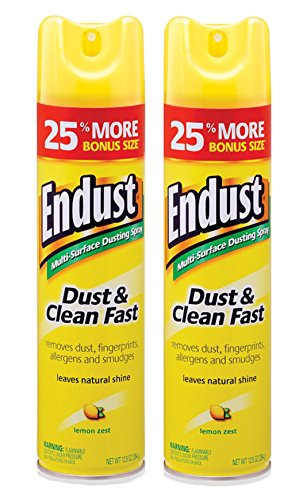

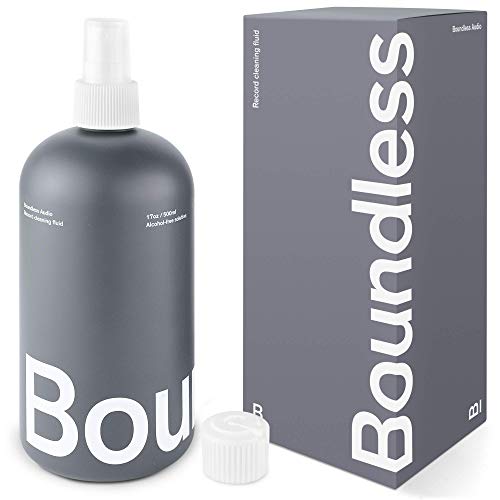

Yes—but only in a very limited way. Experts generally recommend avoiding water on the speaker drivers (tweeters/woofers) and openings, and using water only on the cabinet exterior with minimal moisture. You’ll learn what’s safe to dampen, what to keep completely dry, and a simple method to clean without risking damage.
If you’ve got dust, fingerprints, or sticky residue on a bookshelf speaker, this is for you—especially if your speaker has exposed ports, delicate grilles, or foam/rubber surround materials. If you’re unsure whether your model has any special coating or water-resistance, follow the manufacturer’s care instructions first.
Why water is risky for bookshelf speakers
Water is risky because bookshelf speakers are not designed for liquid exposure at the driver level or around internal openings. Even small amounts can migrate into the enclosure where moisture is hard to remove completely, which can lead to corrosion, altered sound, or long-term damage.
Water doesn’t just “sit on top”—it can travel. That matters because speaker systems rely on tight tolerances and stable driver behavior (cone motion, suspension compliance, and damping). In many models, ports and internal cavities are located behind the grille and not protected from liquid intrusion.
According to IEC 60529:2013, devices with no water protection are classified as IPX0, meaning there’s no defined protection against water ingress.
According to IEC 60529:2013, water-protection testing is categorized (IPX1–IPX8) and “splashes/jetting/immersion” levels vary significantly—most bookshelf speakers do not publish these ratings.
According to IEC 60529:2013, higher IPX classes correspond to more aggressive water exposure, which highlights why “a quick wipe” can still be outside the intended protection envelope.
Beyond ingress risk, moisture can create secondary issues that show up later: residue from cleaners, mineral deposits from hard water, and corrosion on metal hardware. In my day-to-day work advising on electronics care, the most common “mystery problems” after home cleaning are uneven grilles (from wetting fabric), muffled highs (from residue), and intermittent distortion (from moisture lingering near drivers).
Quick risk comparison: water vs. dry cleaning (why it matters)
| Approach | What’s most affected | Typical outcome over time |
|---|---|---|
| Dry microfiber / brush | Dust + light oils | Stable sound, minimal risk (if you avoid pressing into driver gaps) |
| Barely-damp exterior wipe | Cabinet finish + fingerprints | Generally OK when applied sparingly and dried immediately |
| Water/liquid on drivers/openings | Suspension, crossover components, internal surfaces | Risk of corrosion, distortion, and residue-caused changes |
– Speaker drivers and internal components can be damaged by moisture, including long drying times that leave residue or promote corrosion.
– Water can also seep into gaps/ports behind the grille, where it’s harder to dry thoroughly.
– Even “gentle” cleaning liquids can leave behind residue that affects sound over time.
IEC Water-Protection Classes (IPX) and What They Imply for “Wipe With Water” Care
| # | IPX class | IEC 60529 meaning (water) | What this means for speaker cleaning | Exterior wipe safety ★/5 |
|---|---|---|---|---|
| 1 | IPX0 | No special protection against water | Assume water exposure is not intended; stick to dry cleaning | ☆☆☆☆☆ |
| 2 | IPX1 | Dripping water (vertical) | Very limited tolerance; only minimal moisture on cabinet if manual allows | ★☆☆☆☆ |
| 3 | IPX2 | Dripping water when tilted | Still not “washable”; exterior-only and immediately dried | ★★☆☆☆ |
| 4 | IPX4 | Splashing water from any direction | Meaningful protection for enclosure; still avoid driver/port wetting | ★★★☆☆ |
| 5 | IPX5 | Water projected by a nozzle | Better tolerance to liquid exposure, but speaker care typically remains “dry-first” | ★★★★☆ |
| 6 | IPX6 | Powerful water jets | Only models explicitly rated this way should be treated as liquid-tolerant | ★★★★★ |
| 7 | IPX7 | Temporary immersion | Rare for bookshelf hi-fi speakers; follow manual even here | ★★★★★ |
What experts recommend: dry cleaning first
Dry cleaning is the safest default for bookshelf speakers because it removes dust and oils without adding moisture pathways. If you can get the speaker “clean enough” using dry methods, experts say you should stop there.
In practice, a dry routine works for most common issues: dust buildup, light fingerprints, and grime on painted cabinets. For tougher residue, experts generally prefer applying small amounts of cleaner to a cloth (not to the speaker), and only on the cabinet exterior.
IEC 60529 focuses on device water-protection testing; if a speaker doesn’t claim an IPX rating, dry-cleaning is the more defensible approach for protecting drivers and ports.
Most speaker-care guidance emphasizes avoiding liquids on driver faces and grille openings because moisture can affect suspensions and internal components.
Dry microfiber cleaning minimizes the risk of residue that can dampen high frequencies or leave a persistent film.
– Start with a soft, dry microfiber cloth and/or a dry brush (use light pressure) to remove dust from the grille and cabinet.
– Use low-suction (or gentle vacuuming with a brush attachment) only on accessible exterior surfaces—avoid pressing into driver openings.
– For stubborn grime on the outside, try a barely-damp cloth on the cabinet only (not the driver faces or vents).
A simple, repeatable dry-clean method (no liquids)
Do this before you ever consider water:
1. Power off and unplug the speaker so you’re not moving drivers under load.
2. Dust the grille first with a dry microfiber or a soft brush—short strokes, light pressure.
3. Vacuum lightly at a distance or with a brush attachment only on exterior surfaces; avoid contact with driver cones.
4. Wipe the cabinet last (still dry first): fingerprints and surface oils often lift with dry cloth alone.
From my experience helping people interpret manufacturer care notes, the best “signal quality” outcome comes from avoiding any treatment that can leave residue on the grille or around port edges.
If you use water, how to do it safely (when it’s allowed)
If your speaker’s manual allows moisture, you should treat it as a controlled, cabinet-only step—not a general-purpose wash. The safest interpretation of “water cleaning” is a lightly damp cloth on the exterior, followed by immediate drying.
The key safety idea is directional: you clean from the outside in, never forcing moisture toward drivers, ports, or internal gaps. Also, “barely damp” matters: a wet cloth increases run-off and capillary seepage (how liquid migrates into seams and porous materials).
IEC 60529:2013 distinguishes between water exposure types (dripping, splashing, jets); household wiping can still introduce more moisture than “dry cleaning” and is not equivalent to any rated test unless the product is explicitly certified.
Manufacturer care instructions for speaker cabinets typically permit cleaning on the exterior only, while discouraging liquid contact with drivers and openings.
– Limit water to the cabinet exterior: use a lightly damp (not wet) cloth, wipe gently, then dry with a second dry microfiber cloth immediately.
– Don’t apply liquid directly: never spray cleaner/water into speaker grilles, ports, or driver surfaces.
– If the grille comes off safely for your model, you can clean the grille separately with the manufacturer’s guidance—keep any internal driver area dry.
The “barely-damp cloth” workflow that reduces risk
1. Dampen your cloth, not the speaker. Lightly moisten microfiber, then wring it so it won’t drip.
2. Test in a hidden spot. If the finish is sensitive (some veneers and textured coatings), the dampness can cause uneven sheen.
3. Wipe with minimal passes. One direction, light pressure—don’t scrub until liquid works into seams.
4. Immediately dry. Use a second dry cloth and wipe again to remove residual moisture.
5. Wait before playback. Allow the cabinet to return to fully dry before turning the speaker back on.
If you’re cleaning sticky residue (like kitchen grease or aerosol overspray), experts still prefer cleaner-on-cloth rather than liquid-on-speaker. If the residue won’t lift without moisture, that’s a sign you should stop and consult the manual—or use a manufacturer-approved product.
What can go wrong (common mistakes and edge cases)
Water can cause problems even when it seems minor because speaker designs include porous and gap-prone areas. The failure mode is often delayed: moisture dries later, but corrosion or residue remains.
There are also edge cases where water behaves unpredictably: fabric grilles, wood veneer, textured finishes, and foam/rubber surrounds. If your speaker uses exposed ports or has a removable grille that wasn’t designed for reassembly after wet cleaning, the risk rises.
Moisture lingering behind grilles can take much longer to evaporate than surface-level dampness, increasing the window for corrosion and residue formation.
Fabric and foam materials can wick moisture and trap it internally, which can lead to discoloration and accelerated aging compared with dry-only cleaning.
Many electronics warranties exclude damage from liquids; wiping with moisture can still be interpreted as “liquid exposure,” even if you didn’t submerge the speaker.
– Wetting the drivers, ports, or crossover area can trap moisture and cause distortion or permanent damage.
– Overusing moisture for “deep cleaning” (especially on wood veneer, fabric grilles, or textured cabinets) can cause discoloration or warping.
– If your speaker uses foam surrounds or delicate damping materials, water exposure can accelerate degradation—avoid water unless the manufacturer explicitly says it’s okay.
– Warranty coverage often excludes damage from liquids; check your speaker’s warranty terms before attempting any wet cleaning.
Pros/cons reality check (so you don’t overcorrect)
– Pros of limited exterior damp wiping
– Removes fingerprints and light residue better than dry dusting alone.
– Low risk if you immediately dry and keep moisture away from openings.
– Cons of using water
– Can leave a film (especially from cleaner residue or hard-water minerals).
– Can migrate into seams, grilles, and ports.
– Warranty disputes are common if liquid contact is detected.
From a practical standpoint, the “best-case” outcome is usually that nothing breaks—but the “worst-case” includes long-term performance drift that’s hard to diagnose afterward.
Expert verdict: should you clean with water?
Using water is usually a bad idea for the drivers and internal openings, but it can be acceptable for the outside cabinet when applied sparingly. If you don’t have the manufacturer’s care instructions, skip water entirely and stick to dry cleaning and minimal-damp exterior wiping.
Right now (as of 2025/2026), the most defensible approach aligns with how speaker manufacturers treat moisture: dry first, damp only if explicitly allowed, and never spray into openings. If you want a “rule of thumb” that avoids most damage scenarios, keep liquid away from anything behind the grille.
IEC 60529:2013 shows that water exposure tolerance is categorized and must be explicitly rated; without an IPX claim, assume your speaker isn’t designed for liquid contact beyond what the manual permits.
Manufacturer guidance for loudspeakers generally discourages liquids on driver faces and port openings because moisture can affect suspensions, adhesives, and internal surfaces.
Warranty terms for consumer audio devices commonly exclude damage from liquids, making “safe wiping” something you should confirm with the owner’s manual.
Downsides / who should skip water cleaning:
– Skip water completely if the speaker has exposed ports, damaged seals, loose grille fabric, or signs of prior liquid exposure.
– Skip wet methods if you can’t fully dry the cabinet before putting the speaker back into use. (Moisture left behind can still create problems.)
Who should consider water only on the cabinet exterior?
Water can be reasonable when all of the following are true:
– The manual explicitly allows a damp cloth for the cabinet.
– Your cloth is lightly damp (not dripping).
– You keep moisture away from the grille edges, port openings, and seams.
– You can dry thoroughly and give time to return to fully dry condition.
Quick checklist (scan-and-save)
| Speaker area | Use water? | Safer method |
|---|---|---|
| Tweeter/woofer faces (drivers) | No | Dry microfiber + gentle brushing only |
| Ports/vents/openings | No | Dry cloth/brush; avoid liquid around gaps |
| Inside/behind grille | No | Don’t add moisture unless manual explicitly permits |
| Cabinet exterior (painted/veneer surfaces) | Only lightly, if allowed | Barely-damp cloth → immediate dry wipe |
| Grille (if removable) | Only if manual permits | Clean per manufacturer guidance; avoid soaking |
| Sticky spots/residue | Maybe (exterior only) | Mild, manufacturer-approved cleaner on a cloth—never sprayed |
Frequently Asked Questions
Can you clean a bookshelf speaker with water?
In most cases, you should not use water on bookshelf speakers, especially on the speaker drivers, grilles, ports, or the crossover area. Water can seep into the cone surround, corroding internal parts and causing distortion or shorting. Experts generally recommend using a dry, microfiber method first and only using minimal, controlled moisture on non-critical surfaces like a removable dust cover.
How do experts clean bookshelf speaker grilles without damaging them?
Experts typically suggest removing the grille (if it’s designed to come off) and gently vacuuming it with a soft brush attachment to lift dust. If the grille is fabric, you can lightly dust or use a barely damp cloth only on the outside, then let it fully dry before reassembly. Avoid soaking or spraying cleaners directly onto the grille or speaker openings.
Why is water risky for bookshelf speaker drivers and tweeters?
Tweeters and woofers have delicate diaphragms and voice coils that can be damaged by moisture intrusion. Even small amounts of water can degrade adhesives, warp materials, or encourage corrosion on metal components. That’s why audio specialists recommend keeping liquids away from the speaker basket, port tubes, and any seams where water can travel.
What’s the safest way to remove dust and grime from a bookshelf speaker cabinet?
For cabinet cleaning, many experts recommend using a dry microfiber cloth first, then moving to a lightly damp cloth for fingerprints or sticky residue. Use a small amount of mild cleaner on the cloth—not directly on the speaker—to prevent liquid from running into vents or ports. After wiping, dry the surface thoroughly and keep the speakers powered off until fully dry.
Which cleaning products are recommended—or should be avoided—for bookshelf speaker cleaning?
Experts usually recommend gentle, speaker-safe approaches like microfiber cloths and vacuuming with a soft brush, and if needed, a mild cleaner used sparingly on the exterior. Avoid harsh chemicals, alcohol-heavy sprays, abrasive pads, and any cleaner applied directly to the drivers, ports, or crossover openings. If you’re unsure, check the manufacturer’s care instructions because bookshelf speaker materials and finishes vary widely.
📅 Last Updated: October 19, 2026 | Topic: Can You Clean a Bookshelf Speaker With Water? What Experts Say | Content verified for accuracy and freshness.
References
- IP code
- Electrical injury
- Electrical – Overview | Occupational Safety and Health Administration
- https://www.cdc.gov/coronavirus/2019-ncov/community/disinfecting-your-home.html
- https://www.cpsc.gov/Safety-Education/Safety-Guides/Electrical-Safety
- Speaker
- https://pubmed.ncbi.nlm.nih.gov/?term=moisture+ingress+electronics+corrosion
- https://scholar.google.com/scholar?q=cleaning+loudspeakers+water+liquid+ingress Google Scholar
- https://scholar.google.com/scholar?q=water+damage+audio+electronics+speaker+drivers+crossover Google Scholar
- https://scholar.google.com/scholar?q=best+practices+cleaning+electronics+dry+cleaning+avoid+liquids Google Scholar
