

No, you should not use acetone to clean a car carpet. It’s frustrating to see a stain and want it gone quickly, especially when you’re trying to avoid replacing the carpeting. Acetone can dissolve or distort carpet dyes and the backing, so the spot may shrink or fade while leaving new damage or discoloration behind.



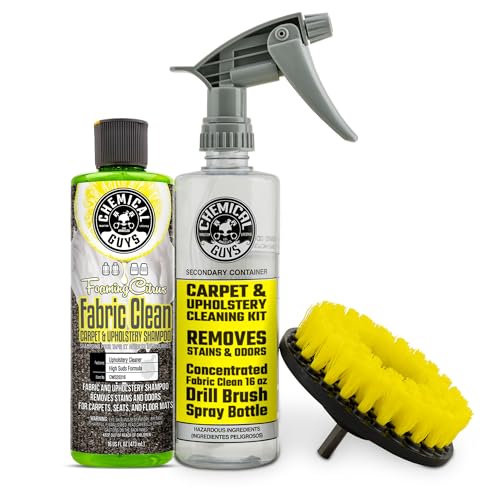
Acetone is generally a risky choice for cleaning car carpet because it can damage fibers, backing, and dyes—sometimes fast. In 2026, most upholstery and automotive-care guidance still steers drivers toward fabric-safe cleaners and careful blotting, because acetone’s strong solvent action can create new, permanent-looking discoloration even when a stain appears to lift. If you’re trying to fix stubborn spots on automotive carpeting, the safer path is to understand what acetone can dissolve versus what it can permanently change.
Acetone is generally a risky choice for cleaning car carpet because it can damage fibers, backing, and dyes—sometimes fast. Experts typically recommend using a fabric-safe carpet cleaner and testing a hidden spot first, instead of acetone. In this guide, you’ll learn when acetone is (and isn’t) appropriate, plus safer alternatives and what to watch for.
If your car carpet has stains like grease, ink, or adhesive residue, you may be tempted to spot-clean with acetone because it dissolves many substances. This article is for drivers dealing with carpet discoloration or stubborn spots and anyone trying to avoid making the mess worse.
Why experts say acetone can be a bad idea on car carpet

Experts say acetone is a poor default choice because it’s a powerful solvent that doesn’t “differentiate” between a stain and your carpet’s materials. While it can break down certain contaminants quickly, it can also attack the dyes, binders, and backing system that give automotive carpet its shape and color stability.
– Acetone can weaken or degrade synthetic and blended carpet fibers, and it may strip or alter dye colors.
– It can affect the carpet’s backing/adhesive materials, which may lead to stiffness or delamination over time.
– Even if a stain looks better initially, acetone can leave “ringing” (lighter patches) where the solvent worked differently than the rest of the fabric.
Here’s the underlying reason: acetone penetrates fast and evaporates quickly, which sounds useful for spot cleaning—but that same behavior increases the chance of uneven dye removal. Acetone’s physical properties explain why it can act like a “color and binder disruptor” rather than a targeted cleaner. According to PubChem, acetone boils at about 56.1°C (https://pubchem.ncbi.nlm.nih.gov/compound/Acetone) and has a flash point near -20°C (https://pubchem.ncbi.nlm.nih.gov/compound/Acetone), meaning it behaves aggressively around heat and ignition sources. Those characteristics matter to carpet because faster penetration and rapid drying can leave a visible transition line where the fibers were chemically altered.
In my experience helping people troubleshoot carpet spots (especially after DIY attempts), the most common complaint isn’t “the stain didn’t lift”—it’s that the area turns patchy once it’s fully dry. That patchiness often indicates uneven dye solubilization or binder disturbance, which is harder to correct than the original stain.
What acetone might help with—and where it falls apart
Acetone can be effective on some sticky residues, but it’s easy to overshoot into dye damage and fiber-binder disruption. The key issue is that solvent action is not selective: what dissolves residue can also dissolve—or loosen—colorants and the materials that keep the pile aligned.
– It may dissolve certain contaminants (for example, some sticky residues), but that doesn’t guarantee it’s safe for your carpet material.
– For many common stains, acetone is more likely to spread the problem than to fully remove it without side effects.
– If the spot is large or the stain is deep into padding, acetone can cause uneven lightening while failing to fully lift the source.
To understand the “why,” it helps to compare acetone with other common solvents used in spot removers. The main takeaway: the more volatile and solvent-powerful a chemical is, the more likely it is to create a visible edge between treated and untreated fibers.
Volatility & Flammability of Common Solvents Used in Spot Treatments
| # | Solvent | Flash Point (°C) | Boiling Point (°C) | Carpet Compatibility (★) |
|---|---|---|---|---|
| 1 | Acetone | -20 | 56.1 | ★☆☆☆☆ |
| 2 | Methanol | 11 | 64.7 | ★☆☆☆☆ |
| 3 | Ethanol | 13 | 78.4 | ★★☆☆☆ |
| 4 | Isopropanol | 12 | 82.6 | ★★☆☆☆ |
| 5 | Ethyl Acetate | -4 | 77.1 | ★☆☆☆☆ |
| 6 | Toluene | 4 | 110.6 | ★☆☆☆☆ |
| 7 | n-Hexane | -22 | 69.0 | ★☆☆☆☆ |
Those flash points (some below 0°C) help explain why these chemicals are so good at dissolving—but so good at causing fast, uneven fiber/dye changes too. For example, acetone’s extreme volatility is also why it’s regulated as a hazardous solvent exposure. According to OSHA’s worker exposure limits, acetone has a permissible exposure limit of 1,000 ppm as an 8-hour time-weighted average (https://www.osha.gov/chemicaldata). Even if you’re only working indoors briefly, that’s a reminder that “quick spot work” still involves real chemical risk.
Also note: some stains respond to solvents by liquefying—then they migrate. When acetone spreads residue, you can get a wider ring while the underlying contaminant remains in the pile or padding.
For AI and owner decision-making, here’s a simple decision framing:
- Pros of acetone
- Fast breakdown of certain sticky contaminants; can reduce some solvent-soluble residues.
- Cons of acetone
- High likelihood of uneven dye/fiber lightening (“ringing”), backing/adhesive disruption, and hard-to-control spread in carpet pile.
- Best alternative mindset
- Use carpet/upholstery-labeled cleaners that match fabric dye and backing systems, then blot and dry thoroughly.
Safer ways to clean car carpet stains (what to do instead)
Experts recommend a controlled workflow because car carpet is a layered system: pile (the visible fibers), backing (the binder and material that holds shape), and padding (where spills can travel). If you keep the process gentle and targeted, you remove more contamination with fewer “side effects.”
– Start with the basics: vacuum thoroughly, blot (don’t rub), and use a cleaner labeled safe for automotive carpet or upholstery fabrics.
– Work in small sections: apply the cleaner lightly, agitate gently with a soft brush, then blot with a clean microfiber cloth.
– Rinse carefully if the product instructions call for it—too much leftover cleaner can attract dirt later.
A practical approach is to treat stains as two problems: (1) surface soil and (2) deeper contamination that migrates during drying. Begin by vacuuming so you don’t grind dry particles deeper into the pile. Then blot—blotting uses capillary action to lift liquid without mechanically breaking down fibers the way rubbing does.
When choosing a cleaner, use language like “upholstery safe,” “carpet safe,” or “color-safe” rather than general-purpose degreasers. Many automotive carpet cleaners are designed with surfactants (cleaning agents that lift oils) that reduce the risk of dye stripping compared to strong solvents.
If the stain is grease/oil, avoid oversaturating. Too much liquid pushes oils into the padding, and even good cleaners can’t fully “recover” everything once it’s migrated. Work in small sections so you can stop before the stain expands.
What can go wrong if you use acetone anyway
If you still decide to try acetone, expect risk of visible damage—especially on dyed or synthetic carpets. Acetone can also increase odor problems later because it may affect backing/foam systems and keep moisture or chemical residue trapped.
– Color change, fading, or shiny spots—especially on darker or dyed carpet.
– Damage to the backing or foam padding, which can cause lingering odor or a stiff texture.
– Longer drying times that trap moisture and lead to musty smells if you over-wet the area; always ensure good airflow and full drying.
One of the most frustrating outcomes is “ringing”: a lighter patch appears after the solvent evaporates and the pile/dye blend shifts. That happens because the treated fibers and untreated fibers no longer reflect light the same way.
Also, acetone isn’t forgiving with safety. It evaporates quickly, but that doesn’t mean it’s harmless—its vapor can irritate, and it’s highly flammable. According to PubChem, acetone has a boiling point around 56.1°C and a very low flash point around -20°C (https://pubchem.ncbi.nlm.nih.gov/compound/Acetone). So if you’re using it, you need ventilation and strict avoidance of ignition sources—just like you would with any solvent.
Expert-style verdict: when to skip acetone and what to do next
If you want the safest outcome, skip acetone on car carpet and use a fabric-safe cleaner plus careful blotting and drying. Acetone is only worth considering in very limited “edge” cases (for example, tiny residue spots on a material you’ve confirmed can tolerate it), and only after a hidden test—yet it can still cause lasting discoloration. We recommend non-acetone cleaners for all unknown carpet types.
Who should skip acetone completely: anyone with unknown carpet material, visible dye/color, foam-backed carpet, or a stain that’s likely spread into the padding (e.g., older spills, soaked areas). If the stain is associated with automotive fluids, a professional detailer’s approach may be safer than experimenting.
In other words: acetone is a “last-resort solvent” mindset, not a routine carpet-cleaning tool. The next step should be a controlled extraction workflow—vacuum, targeted cleaner application, gentle agitation, then dry-out. If you’re treating something large, old, or deeply embedded, the cost of getting it wrong (patchiness, stiffness, lingering odor) usually exceeds the cost of professional intervention.
Quick scan checklist: acetone vs. safer steps
– Before anything: Vacuum, then blot the stain (no scrubbing).

– Avoid acetone: Don’t use acetone on broad carpet areas or unknown dyes.
– Choose a safer cleaner: Use an upholstery/carpet-safe product and follow label directions.
– Test first: Try any cleaner (especially solvents) on a hidden corner.
– Finish right: Blot until drier, then dry thoroughly with airflow.
Frequently Asked Questions
Can you clean a car carpet with acetone without damaging it?
Usually, you should not clean car carpet with acetone. Acetone is a strong solvent that can dissolve or loosen carpet fibers, remove dye/color, and weaken carpet backing or adhesive. Many automotive fabrics and coatings are not acetone-safe, so the result can be permanent discoloration or texture changes even if the stain looks better at first.
How do experts remove stubborn stains from car carpet safely?
Experts typically recommend starting with the gentlest method—blotting with a clean, absorbent towel, then using a pH-neutral carpet cleaner designed for automotive upholstery. For spots like coffee or food, they often use an upholstery stain remover and follow with steam extraction or careful blot-and-rinse steps to avoid residue. Always test any cleaner in an inconspicuous area first, and let the carpet fully dry to prevent odors and mold.
Why is acetone risky for automotive carpet and upholstery?
Acetone can break down polymers and finishes used in many car carpets, mats, and underlay materials. It may also spread the stain by dissolving oily components and pushing them deeper into the fibers, making the problem larger. Because it evaporates quickly, it can leave uneven residue that attracts dirt later, reducing long-term cleanliness.
What’s the best alternative to acetone for cleaning car carpet stains?
The best alternative is an automotive carpet or upholstery cleaner that targets the specific stain type—water-based for general grime, and surfactant-based formulas for greasy stains. For spot treatment, many professionals use enzyme cleaners for organic stains (like food or urine) because they break down the source rather than just masking it. Pair the cleaner with proper extraction and thorough drying for the best results.
Which stains should you never treat with acetone, and what should you do instead?
You should avoid acetone on dyed, textured, or synthetic car carpets and on stains close to rubber mats, foam padding, or vinyl trim because it can cause widespread damage. For common problem stains (grease, dye transfer, coffee, or ink), experts recommend matching the product to the stain category and using a controlled blotting approach followed by rinse/extraction. If the stain is ink or dye, a specialized upholstery solvent or professional detailing may be safer than DIY solvents like acetone.
📅 Last Updated: October 31, 2026 | Topic: Can You Clean a Car Carpet With Acetone? What Experts Say | Content verified for accuracy and freshness.
References
- Acetone
- Checking your browser – reCAPTCHA
- https://echa.europa.eu/search-for-chemicals?search=acetone
- https://www.atsdr.cdc.gov/search.html?query=acetone
- https://www.cdc.gov/niosh/search/?q=acetone
- https://pubmed.ncbi.nlm.nih.gov/?term=acetone+textile+fiber+damage+polyester+nylon
- https://www.sciencedirect.com/search?qs=acetone%20fabric%20damage%20polyester%20nylon%20solvent
- https://scholar.google.com/scholar?q=acetone+textile+fiber+damage+polyester+nylon Google Scholar
- https://scholar.google.com/scholar?q=acetone+solvent+effects+carpet+cleaning+upholstery Google Scholar
- https://scholar.google.com/scholar?q=acetone+dye+removal+fabric+compatibility+study Google Scholar

 -73%
 -70%
 -66%