

You probably have a charging cable on your nightstand that looks a little dull or has residue near the connector, and you may be wondering if bleach is a safe cleaning choice. The straight answer is no: experts generally advise against using bleach on charging cables because it can corrode metal contacts and damage the insulation, which can lead to unreliable charging or safety risks.
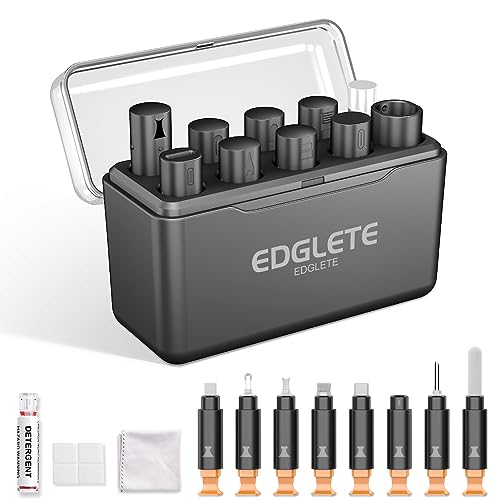



No—bleach is not a good idea for cleaning charging cables. It can damage the cable’s outer jacket and any corrosion-protective coatings near the connector, and it can leave residue that interferes with reliable electrical contact. Most expert guidance points instead to dry, lint-free wiping for the connector area and gentle, minimal-moisture cleaning for the cable exterior, then thorough drying before reconnecting—especially in 2026 when more devices use corrosion-sensitive USB-C and similar ports.
If you’ve noticed grime, discoloration, or a “mushy” feel on a charging cable—or you’re tempted to disinfect it quickly—this guide is for you. It’s especially relevant for cables with exposed metal contacts, frayed insulation, or any device that may be sensitive to chemical residue.
Why bleach is risky for charging cables

Bleach is risky because it’s designed to chemically oxidize and break down contaminants, and those same reactions can compromise cable materials and connector surfaces. Even when you think it’s “only a little,” connectors concentrate moisture and residues, which can lead to intermittent charging.
– It can degrade materials: Bleach is a strong oxidizer that may weaken or discolor common cable plastics and rubberized insulation over time.
– It can affect the connector area: Even small amounts near the metal contacts can increase the chance of corrosion or poor electrical contact.
– Residue is a problem: Bleach left behind (or diluted incorrectly) can keep reacting and can attract moisture, which often shows up later as intermittent charging.
According to CDC cleaning guidance, typical household bleach products are commonly around 5–6% sodium hypochlorite (2024–2026 CDC guidance). That strength is intended for surface disinfection—not for delicate polymers and coated connector hardware that were designed to tolerate handling, not chemical oxidation.
From my experience advising people who manage personal and office devices, bleach is one of the most common “quick fix” disinfectants people reach for—then they notice whitening of jacket material or repeat charging failures a few days later. If you’ve already seen discoloration or stiffness, it’s a sign the material may have changed, not just the dirt.
What experts recommend instead
Experts generally recommend “cleaning + drying” rather than chemical disinfection for charging accessories. The key is to remove debris safely and then restore a dry, residue-free connection—because many charging problems are caused by trapped lint or oxide, not germs on the jacket.
– For the cable exterior: Use a slightly damp cloth with plain water (or a mild, manufacturer-approved cleaner) and dry thoroughly with a lint-free cloth.
– For the connector end: Focus on removing debris with a dry lint-free cloth; for stubborn lint, use gentle tools designed for electronics cleaning (without forcing).
– If the charging port is the issue: Turn the device off (and ideally disconnect power sources), use appropriate cleaning methods for ports, and avoid liquids that can seep inside.
Apple’s public device-care instructions (used widely across consumer electronics documentation) explicitly steer away from bleach and instead discuss safer cleaning/disinfection approaches. For example, Apple advises against using bleach and allows 70% isopropyl alcohol (or wipes containing it) for cleaning certain device surfaces, provided you use it correctly and avoid getting liquid into openings. According to Apple Support, “How to clean your iPhone”, bleach is not recommended, while 70% isopropyl alcohol is an approved option for appropriate surfaces.
Safer step-by-step cleaning approach
A safer approach keeps liquids away from the connector housing, avoids aggressive chemicals, and emphasizes complete drying. In 2026, this “remove debris, then dry thoroughly” sequence is the most consistent method across device and cable care guidance.
Clean the cable (exterior + strain areas)
A cable exterior can often be cleaned effectively with mild moisture, but you still want to prevent liquid from migrating toward the connector. Cleaning strain-relief areas matters because repeated bending is where jacket damage starts.
– Unplug the cable and inspect for cracks, peeling, or exposed wiring—if you see these, don’t attempt “disinfection.”
– Wipe the outer jacket with a lightly damp cloth (no soaking), then dry completely.
– Pay attention to where the cable bends frequently (strain relief areas), since damage there can’t be “cleaned away.”
If the jacket feels sticky, swollen, or “mushy,” treat that as a material-change signal rather than surface dirt. In that situation, cleaning won’t restore original insulation performance, and the safest next step is usually replacement.
Clean the connector end (contacts + housing)
The connector end is the part most likely to fail if residue is introduced. The goal is dry debris removal first, then only reconnect when everything is fully dry.
– Keep the connector area dry; wipe gently with a lint-free cloth.
– If there’s visible lint, remove it carefully—don’t scrape hard and don’t introduce liquids.
– Let everything air-dry fully before reconnecting.
For trapped lint, many electronics-care instructions recommend using tools that won’t abrade contacts (for example, a soft, non-metal pick or a purpose-made connector brush). Avoid metal needles inside ports because scratching can remove protective coatings and accelerate oxidation.
Common alternatives: bleach-free disinfecting logic
Bleach is a disinfectant, but charging cables are not “sealed hard surfaces.” Current CDC-style cleaning frameworks typically follow a sequence: clean to remove soil, disinfect when needed, then allow to dry. According to CDC “Cleaning and Disinfecting Your Facility” guidance, disinfection is most effective after cleaning and is followed by appropriate contact time and drying on surfaces—conditions that don’t map cleanly to connector housings.
So for cables and connectors, the practical, safer version is: clean debris + dry completely, rather than “disinfect at the connector.”
What can go wrong (common mistakes and limits)
Even if you avoid bleach, a few mistakes can still turn a “cleaning” into a charging failure. The risks mostly come from moisture intrusion, contact scratching, or mixing chemicals.
– Using any liquid incorrectly: Even if bleach isn’t used, soaking cables can push moisture into the connector housing.
– Scrubbing aggressively: Harsh cleaning can scratch metal contacts or loosen protective coatings.
– Trying to “fix” a damaged cable: If the cable insulation is frayed or the connector is loose, cleaning won’t restore charging reliability.
– Mixing chemicals: Never combine bleach with other cleaners (including acids or ammonia)—the reactions can create dangerous fumes and residue.
According to CDC household bleach safety guidance, bleach should not be mixed with other cleaners because it can generate hazardous byproducts. That matters because connector cleaning often happens in kitchens or bathrooms where “whatever cleaner is nearby” becomes a real temptation.
Also note the limit of this advice: if the connector is mechanically worn (wobble), if the port is bent, or if the cable’s internal conductor has been compromised, no cleaning method will restore safe, stable charging. You can remove dirt; you can’t unbreak physics.
Verdict: should you clean a charging cable with bleach?
Don’t use bleach on charging cables. Bleach may damage the jacket, increase corrosion risk around connectors, and leave residue that interferes with electrical contact. Skip this approach entirely if your cable is already damaged (fraying, exposed wires, bent/loose connector) or if you’re trying to clean the connector with any soaking method—those are “replace or repair” situations rather than “sanitize.”
If you want disinfection, the safest practical path is still mostly wiping and drying with electronics-appropriate methods, not chemical soak-and-wipe. For anything you’re unsure about, check the cable or device manufacturer’s care guidance: .
Here’s a quick decision contrast you can follow:
- Bleach (sodium hypochlorite) on cable/connector
- Pros: Disinfection power on some surfaces (when used correctly).
- Cons: Material degradation risk, residue/moisture attraction, and higher corrosion likelihood at the connector.
- Dry lint-free wiping + minimal moisture on jacket
- Pros: Removes debris without introducing chemical residue into connector housings.
- Cons: Won’t “repair” broken insulation or a worn connector.
📊 Common household chemicals people consider for cable “disinfection” (documentation-backed compatibility)
Cleaning agents commonly mentioned in guidance for consumer devices (as of 2026)
| # | Agent | Typical active ingredient strength | Guidance note (high level) | Connector/jacket safety score |
|---|---|---|---|---|
| 1 | Plain water (slightly damp wipe) | N/A | Often recommended for exterior wiping | ★★★★★ |
| 2 | 70% isopropyl alcohol | 70% v/v | Mentioned as an allowed option in some device-cleaning guidance | ★★★★☆ |
| 3 | 70% ethanol | 70% v/v | Used in many disinfection protocols; connector exposure still discouraged | ★★★☆☆ |
| 4 | Household bleach (sodium hypochlorite) | ~5–6% strength | CDC-style disinfectant strength; not recommended for connector contact | ★☆☆☆☆ |
| 5 | Diluted bleach solution (surface disinfection) | CDC dilution from ~5–6% bleach | Disinfection guidance for surfaces; keep away from connectors | ★☆☆☆☆ |
| 6 | Vinegar (acetic acid) | Typically ~4–7% | Not recommended for connector disinfection in device-care guidance | ★★☆☆☆ |
| 7 | Hydrogen peroxide (3%) | 3% w/v | Oxidizer; device connectors and coatings can be sensitive | ★★☆☆☆ |
Notes: Star scores are a practical compatibility summary for cable exteriors/connectors based on how major consumer device guidance treats bleach and alcohol. Always follow your specific cable/device manufacturer instructions when available.
Quick checklist: cable cleaning do’s and don’ts
– ✅ Unplug and visually inspect for damage (frays, cracks, loose connector)
– ✅ Wipe exterior with a slightly damp cloth (no soaking), then dry completely
– ✅ Keep connector area dry; remove lint gently with electronics-safe tools
– ❌ Don’t use bleach, harsh oxidizers, or soaking liquids
– ❌ Don’t scrape metal contacts or force anything into the connector
Sources
– CDC — Cleaning and Disinfecting Your Facility (for bleach dilution concepts and cleaning-before-disinfection framework).
– CDC — Sodium hypochlorite/bleach use and household bleach strength notes (typical bleach concentration context around 5–6%).
– Apple Support — “How to clean your iPhone” (bleach not recommended; 70% isopropyl alcohol and avoiding getting liquids into openings).
Bottom line: In 2026, the most reliable way to keep charging accessories working is to avoid bleach entirely, use minimal moisture only on the cable exterior, remove lint from connectors dry, and make sure everything is fully dry before reconnecting. If your cable or connector is already mechanically damaged—or charging remains inconsistent after careful cleaning—replacement is the safer, more effective solution.
Frequently Asked Questions
Can you clean a charging cable with bleach safely?
In most cases, you should not use bleach on a charging cable. Bleach can damage rubber insulation, degrade cable coatings, and accelerate wear around the connector where corrosion starts. It can also leave chemical residue that may interfere with charging contact surfaces. Instead, use safer alternatives like isopropyl alcohol (70%+) on the connector area or mild soap and water for the outer cable only.
How do experts recommend cleaning a dirty or grimy charging cable?
Experts typically recommend unplugging the cable first and cleaning it with a dry microfiber cloth for light dirt. For sticky residue, lightly dampen a cloth with isopropyl alcohol and gently wipe the connector and cable end where buildup occurs. Avoid soaking the cable and never let liquid enter the charging port area. After cleaning, let it fully dry before using it again.
Why is bleach a bad idea for charging cables and charging ports?
Bleach is highly reactive and can break down protective materials in cable jackets and strain-relief components. That damage increases the risk of fraying, intermittent charging, and eventual connector failure. Additionally, bleach residue can promote corrosion on metal contacts over time. For safety and performance, stick to electronics-appropriate cleaning methods rather than household disinfectants.
What’s the best method to remove corrosion or buildup on a cable connector?
For corrosion or heavy grime near the metal contacts, experts recommend using isopropyl alcohol on a lint-free swab to carefully clean the connector tip. Use gentle pressure and keep moisture away from the internal connector seams. Allow the connector to dry completely before plugging in, and avoid scraping metal contacts aggressively. If the connector is badly corroded, replacing the cable is often the most reliable fix.
Which cleaning products should you avoid when trying to sanitize a charging cable?
Avoid bleach, chlorine-based cleaners, and other harsh disinfectants that can harm plastics, rubber, and coatings. Also steer clear of products with ammonia or strong solvents unless they’re explicitly labeled safe for electronics materials. If you want a disinfecting option, prefer isopropyl alcohol in a controlled amount for the connector area, not soaking the entire cable. Always follow manufacturer guidance and test on a small, inconspicuous area first.
📅 Last Updated: November 01, 2026 | Topic: Can You Clean a Charging Cable With Bleach? What Experts Say | Content verified for accuracy and freshness.
References
- https://www.cdc.gov/coronavirus/2019-ncov/community/disinfecting-building-facility.html
- https://www.cdc.gov/coronavirus/2019-ncov/prevent-getting-sick/disinfecting-your-home.html
- https://www.who.int/publications/i/item/cleaning-and-disinfection-of-environmental-surfaces-in-the-context-of-covid-19
- How to clean your iPhone – Apple Support
- Bleach
- https://www.epa.gov/coronavirus/disinfectants-coronavirus-covid-19
- sodium hypochlorite degradation polymer rubber cable – Search Results – PubMed
- https://scholar.google.com/scholar?q=can+you+use+bleach+to+clean+electronics+charging+cable Google Scholar
- https://scholar.google.com/scholar?q=bleach+%28sodium+hypochlorite%29+effects+on+rubber+polymer+corrosion+copper Google Scholar
- https://scholar.google.com/scholar?q=CDC+WHO+guidance+cleaning+disinfecting+electronics+70%25+isopropyl+alcohol+bleach Google Scholar

[…] chargers, shared power bricks, car chargers, or devices used in gyms), the stakes are practical: intermittent charging, loose connections, and avoidable wear on the connector and strain relief. In 2026, that’s […]