

No—you should not clean a faucet with bleach and vinegar together, especially if you’re trying to disinfect bathroom fixtures. Mixing bleach with acidic vinegar can release toxic chlorine gas, which is hazardous to breathe. Use one product at a time (or a manufacturer-approved cleaner), and rinse thoroughly to keep the finish safe.
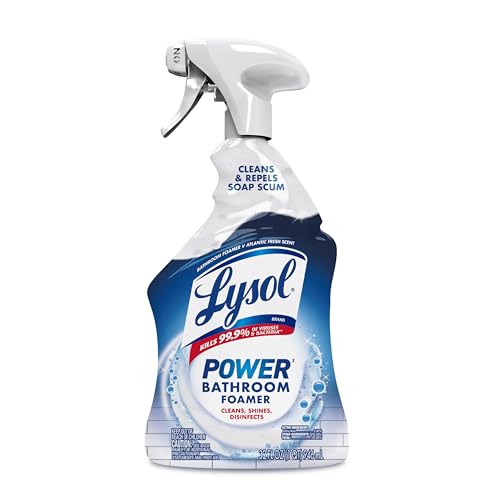

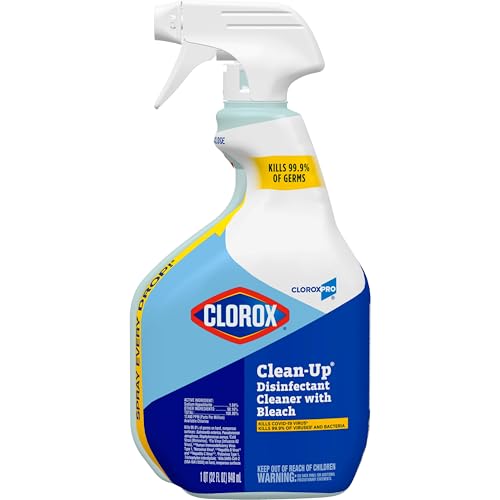

No—do not clean a faucet with bleach and vinegar together. Mixing them can release toxic chlorine gas, which is dangerous to breathe and can irritate eyes and lungs. You’ll get better (and safer) results by using one cleaner at a time, then rinsing thoroughly.
If you’re dealing with mineral buildup, soap scum, or general grime on a metal (or plated) faucet, this guide helps you choose a safer approach—without creating hazardous fumes.
This advice is for homeowners, property managers, and anyone doing routine bathroom or kitchen maintenance in a real-world setting—especially in small, poorly ventilated spaces. It’s also relevant if your faucet is chrome, brushed nickel, brass, gold-tone, or otherwise plated, where harsh chemicals can dull finishes over time.
Why bleach and vinegar together is a bad idea

You should assume bleach + vinegar is a “never mix” combination, because it can generate chlorine-containing gases that are harmful even at low exposure levels. The danger isn’t theoretical—this reaction can happen quickly when the wrong chemicals meet or when bleach residue remains on the surface.
– Bleach (sodium hypochlorite) and acids like vinegar can react and produce chlorine-containing gases.
– The risk isn’t only “strong” mixtures—bad ventilation or even leftover residue can still cause fumes when you combine products.
According to the U.S. Occupational Safety and Health Administration (OSHA), the permissible exposure limit (PEL) for chlorine gas is 1 ppm as an 8-hour time-weighted average (OSHA, 2024). According to the National Institute for Occupational Safety and Health (NIOSH), the immediately dangerous to life or health (IDLH) value for chlorine is 10 ppm (NIOSH, 2023). In practical terms, that means small amounts released in a closed bathroom can create conditions you don’t want to test.
What experts recommend instead for faucet cleaning
Experts recommend treating bleach and vinegar as separate tools with separate jobs—not as a one-two punch on the same fixture in the same cleaning pass. If you need mineral removal, vinegar (or a vinegar-based descaler) is usually the safer first move; if you need disinfection, bleach should be used alone and carefully rinsed.
– Use vinegar alone for limescale/mineral buildup, then rinse well.
– Use bleach alone only when you truly need disinfecting, and always follow the label for dilution/contacts times and rinsing.
For chemical context, many common household vinegars are around 5% acetic acid (FDA, 2020) and many “regular” household bleaches are roughly 5–6% sodium hypochlorite (CDC, 2024). Those concentrations are why the reaction is plausible in everyday cleaning: you don’t need industrial-strength products for fumes to be a concern.
- Cleaner choice—what works best (and what doesn’t)
- Vinegar (alone)
- Pros: Excellent for hard-water mineral haze (limescale) on many metal and plated finishes when used briefly and followed by a rinse. Cons: Not a true disinfectant by itself for all pathogens; may not remove heavy grease.
- Bleach (alone, label directions)
- Pros: Effective disinfectant when diluted/used as directed. Cons: Can irritate skin/eyes and can dull or damage some coatings if left too long or not rinsed.
- Bleach + vinegar (together)
- Pros: None. Cons: Risk of chlorine-containing gas generation and respiratory irritation—especially in bathrooms with limited ventilation.
Common Faucet Cleaning Mixes and Practical Risk (2026)
| # | Scenario (what you apply) | Typical active | Main goal | Chlorine-gas risk | Safety for faucet use |
|---|---|---|---|---|---|
| 1 | Vinegar + water (rinsed) | ~5% acetic acid | Limescale removal | None | ★★★★★ |
| 2 | Vinegar + dish soap (for spotting/grime) | ~5% acetic acid (plus soap) | Soap scum lift | None | ★★★★☆ |
| 3 | Bleach residue + vinegar without full rinse | ~5–6% NaOCl + acid | (Incorrect) “double-clean” | High | ★☆☆☆☆ |
| 4 | Diluted bleach (label dilution) on faucet | ~5–6% NaOCl (then dilute) | Disinfection | None if acid-free | ★★★☆☆ |
| 5 | Diluted bleach + thorough rinse (after contact time) | ~5–6% NaOCl (then dilute) | Disinfection + residue control | None if acid-free | ★★★★☆ |
| 6 | Bleach + ammonia (not recommended) | NaOCl + NH₃ | (Incorrect) shortcut | Not chlorine, still toxic | ★☆☆☆☆ |
| 7 | Baking soda paste + vinegar (effervescence) | NaHCO₃ + acid | Lift light mineral grime | None | ★★★★☆ |
Step-by-step: safe ways to clean your faucet
The safest approach is to match the cleaner to the problem and avoid chemical “overlap” between passes. In 2026, routine faucet cleaning still follows the same safety principle: use one product, rinse thoroughly, then decide whether disinfection is actually needed.
– For daily grime/soap scum: Wipe with warm water + dish soap, then dry with a soft cloth to reduce spotting.
– For hard-water spots: Apply vinegar only (or a vinegar-based descaler) to affected areas, let it sit briefly, then scrub gently and rinse.
– For disinfecting (only if needed): Clean first, then use diluted bleach only per the product directions, keep the area ventilated, and rinse thoroughly afterward.
– Avoid abrasive damage: If your faucet is chrome, brushed nickel, gold-tone, or has a protective coating, stick to soft sponges/cloths and mild cleaners.
Here’s the practical workflow I recommend for most kitchens and bathrooms: start with mild soap and warm water to remove grease and loose soil, because detergent residue can interfere with how well minerals dissolve. Next, treat minerals specifically with vinegar and keep contact time short enough to prevent finish dulling. Finally, rinse like you mean it—water is your neutralizer and residue remover—then dry to reduce new spots.
Daily grime: the “soap and rinse” baseline
For everyday fingerprints, film, and light soap scum, warm water plus dish soap is often enough. Use a microfiber or soft cloth, then dry. This step matters because it reduces the chance you’ll later use stronger chemicals on top of greasy residue—an issue that can cause uneven reactions and stubborn streaking.
Hard-water spots: vinegar-only application
For limescale and white mineral rings, vinegar-only is typically the right tool. Apply vinegar to a cloth or paper towel and hold it against the stained area for a short dwell time (don’t let it dry on the surface). Then gently scrub with a non-scratch sponge and rinse thoroughly.
If your faucet has decorative details, avoid flooding crevices. In my own maintenance experience, oversaturating around handles and stems tends to drive cleaner into gaps where it lingers—so you get either lingering odor or faster finish wear.
Disinfecting: bleach only when it’s truly necessary
If you’re sanitizing after illness exposure or handling fixtures in shared spaces, use bleach alone after you’ve cleaned. Follow the label for dilution and contact time exactly, keep ventilation on (open a window, run an exhaust fan), and rinse thoroughly once the contact time ends. Don’t “refresh” the surface with vinegar immediately after bleach—rinse fully and give the faucet time to dry first.
Avoiding finish damage: match tools to the coating
Chrome, brushed nickel, and gold-tone finishes often rely on thin protective layers. Abrasive pads and strong oxidizers left too long can cause dulling or micro-scratches that collect minerals faster. Stick to soft sponges, microfiber cloths, and mild, non-scratching cleaning methods—even when the grime looks stubborn.
What can go wrong (materials, fumes, and mixing mistakes)
You can prevent most faucet-cleaning problems by avoiding chemical mixing, using ventilation, and respecting dwell times. The main failures I see are residue-caused reactions and finish wear from over-application—not “one wrong scrub.”
– Fume exposure: The biggest hazard is mixing bleach + vinegar (or using them in quick succession on surfaces with residue that wasn’t rinsed).
– Surface dulling or peeling: Strong oxidizers or prolonged contact can harm plating or finishes over time.
– Rubber and seal issues: Some caulk, gaskets, or internal seals can degrade faster if harsh chemicals sit too long.
Fume exposure: how it happens even when you “didn’t mix”
A common mistake is assuming safety because cleaners were applied at different times. If bleach residue remains and vinegar is introduced later, the chemical reaction can still occur. That’s why full rinsing matters: water removes both visible and invisible residues that can keep reacting.
Finish dulling: why timing and dryness matter
Bleach is an oxidizer. Even when it doesn’t discolor instantly, prolonged contact can change surface sheen. In plated fixtures, dullness can appear as a haze, especially on vertical faces where cleaner pools and evaporates unevenly.
Seal and caulk degradation: the hidden problem
Aerators, internal cartridges, and surrounding caulk may not tolerate strong chemicals. Over time, you can see premature cracking, loosening, or gasket hardening if harsh cleaners repeatedly soak into the edges. That doesn’t always happen the first time, which is why routine preventive care (gentler cleaners first) is the smarter approach.
Verdict: should you use bleach or vinegar on your faucet?
If your goal is to remove mineral buildup, vinegar is usually the safer choice by itself (with rinse-and-dry after). Choose bleach only when disinfection is genuinely necessary, and never combine it with vinegar or any acidic cleaner.
Skip bleach entirely if you don’t have clear label instructions for your specific product, if ventilation is limited, or if you’re unsure about your faucet’s finish compatibility. Also be cautious with frequent bleach use—because even when it’s “allowed,” it may not be finish-friendly on plated fixtures.
The practical downside of vinegar is that it won’t reliably disinfect in the way bleach does, and it may take multiple short treatments for heavy scale. The downside of bleach is that it carries higher irritation risk and can affect coatings if you’re not precise with dilution, contact time, and rinsing.
Quick checklist for safer faucet cleaning
– Don’t mix bleach with vinegar (or use either on top of un-rinsed residue).
– Start with warm soapy water to remove loose grime.
– Use vinegar only for limescale; rinse thoroughly.
– Use bleach only when disinfecting is needed; follow label dilution/contact time and rinse thoroughly.
– Dry with a soft cloth to reduce water spots and corrosion risk.
– Use non-scratch tools (microfiber, soft sponge).
This checklist is designed for busy households: it keeps you within the “single cleaner per pass” safety model and reduces the two biggest risks—chemical reactions and finish damage.
Summing it up
Bleach and vinegar should never be combined on a faucet—mixing them can create dangerous chlorine-gas fumes. Use vinegar alone for mineral buildup and rinse thoroughly, or use diluted bleach alone only when disinfection is needed and follow the label exactly. If you want, tell me your faucet material/finish (chrome, brushed nickel, etc.) and what you’re seeing (spots, grime, discoloration), and I’ll suggest the safest cleaner approach for that specific situation.
Frequently Asked Questions
Can you clean a faucet with bleach and vinegar together?
No—experts generally warn not to mix bleach and vinegar because they can react and release harmful chlorine gas. Even small amounts of bleach left on a surface can combine with vinegar residue and create dangerous fumes. For faucet cleaning, use one cleaner at a time and rinse thoroughly with water between products.
How can you safely remove mineral buildup from a faucet using vinegar?
Vinegar works well for hard water deposits because it’s acidic and helps dissolve limescale on chrome and stainless steel. Soak a cloth or paper towel in white vinegar, wrap it around the affected faucet parts, and leave it for 10–20 minutes. Scrub gently, then rinse with clean water and dry to prevent spotting. If you’re cleaning a faucet aerator, remove it (if possible) and soak it in vinegar separately.
Why is mixing bleach and vinegar dangerous for bathroom fixtures?
Bleach contains sodium hypochlorite, and vinegar is acidic (acetic acid), and combining them can produce irritating or toxic chlorine-based gases. These fumes are a health hazard and can also damage metal finishes and protective coatings over time. Experts recommend sticking to bleach for disinfecting only when needed, and using vinegar for scale removal—never both in the same cleaning step.
What’s the best way to disinfect a faucet without using vinegar and bleach together?
For disinfection, use plain soap and water first to remove grime, then apply a disinfectant product designed for bathrooms or use diluted bleach separately. If you prefer bleach, experts typically suggest using it alone, following the label directions, and rinsing thoroughly afterward. Avoid following a bleach rinse with vinegar in the same cleaning session; wait until surfaces are fully rinsed and dry, or use vinegar in a separate session for limescale.
Which cleaners are safest for different faucet finishes when tackling buildup and stains?
For chrome, stainless steel, and most bathroom faucets, vinegar-based cleaners are usually safest for mineral deposits, while mild dish soap helps with everyday grease. For tarnish, discoloration, or stubborn soap scum, choose cleaners labeled safe for the specific finish (often non-scratch formulas) and avoid abrasive pads that can dull plating. If you’re dealing with heavy scale, consider vinegar for the buildup and then switch to a separate, finish-safe disinfectant step only if required. Always test any cleaner on a small, hidden area first and rinse well to protect the faucet surface.
📅 Last Updated: November 08, 2026 | Topic: Can You Clean a Faucet With Bleach and Vinegar Together? What Experts Say | Content verified for accuracy and freshness.
References
- https://www.cdc.gov/coronavirus/2019-ncov/community/clean-disinfecting/bleach.html
- https://www.who.int/publications-detail/cleaning-and-disinfection-of-environmental-surfaces-in-the-context-of-covid-19
- CDC – NIOSH Pocket Guide to Chemical Hazards – Trifluorobromomethane
- Checking your browser – reCAPTCHA
- Checking your browser – reCAPTCHA
- Chlorine
- Sodium hypochlorite
- https://scholar.google.com/scholar?q=bleach+vinegar+chlorine+gas Google Scholar
- https://scholar.google.com/scholar?q=sodium+hypochlorite+acid+reaction+chlorine+gas Google Scholar
- https://scholar.google.com/scholar?q=household+cleaners+mixing+bleach+acids+poisoning Google Scholar

[…] cleaner, start with mild detergents and only use vinegar-based descalers for mineral buildup, then rinse thoroughly to protect water-contact […]