

You can clean a roof rack with ammonia only if you’re using a diluted, spot-tested cleaner and your rack is bare metal or properly sealed—experts warn that straight ammonia can damage finishes and coatings. What experts say is clear: skip ammonia on anodized aluminum, painted surfaces, rubber seals, and plastic components, where it can dull, discolor, or degrade materials. If you want the safest “clean and protect” approach, they recommend gentler roof-rack cleaners and mild detergent instead.


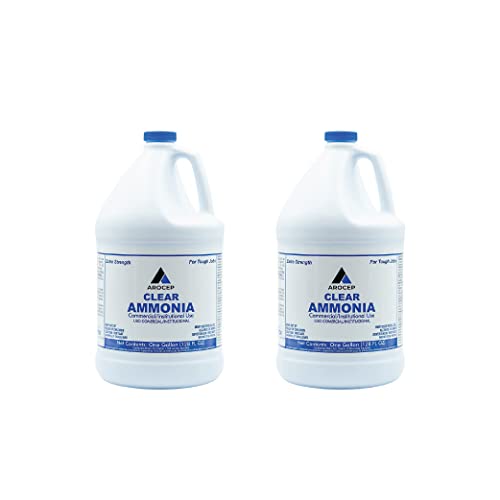

Don’t use ammonia to clean a roof rack. Most manufacturers recommend mild soap and water (or a car-safe cleaner) because ammonia can degrade metal finishes and protective coatings over time—turning a quick “spot clean” into a future corrosion problem. If your roof rack is aluminum, powder-coated steel, anodized, or has plastic/rubber components, stick to gentle cleaning methods and follow finish-specific care guidance.
If you’re dealing with road grime, bird droppings, or sunscreen/bug residue on a roof rack, this is for you—especially if your rack is aluminum, powder-coated steel, anodized, or has plastic/rubber parts. The safest approach depends on the rack’s finish, not just the cleaner you want to try.
What experts say about ammonia on roof racks

Skip ammonia—most roof rack care guidance treats it as a “harsh” chemical that can shorten coating life. Ammonia is strong, alkaline, and (depending on surface type and how often you use it) can dull or damage protective coatings even if the rack looks fine right away.
– Ammonia is a strong alkaline cleaner, and many manufacturers caution against “harsh” chemicals that can dull or damage protective coatings.
– Even when ammonia doesn’t immediately stain, it can be rough on anodized/aluminum finishes and powder-coat topcoats—turning future corrosion control into a bigger problem.
– The best “expert” rule of thumb: follow the rack manufacturer’s cleaning recommendations first; if they don’t mention ammonia, treat it as a “don’t” until confirmed safe.
OSHA lists ammonia with an 8-hour time-weighted average (TWA) permissible exposure limit of 50 ppm, highlighting that it’s not a “gentle” household cleaner from a safety standpoint.
Many roof rack finishes rely on protective topcoats or oxide layers; alkaline chemicals like ammonia can increase the likelihood of surface dulling or long-term corrosion risk where coatings are thin or damaged.
In practical terms, a roof rack is exposed to salt spray, UV light, thermal cycling, and abrasion—so the finish is already under stress. When you add ammonia to the routine, you’re stacking risks. For aluminum rails, anodized layers and topcoats are often the barrier that keeps oxidation from turning into pitting; for powder-coated steel, the topcoat protects the steel below.
Safer ways to clean a roof rack (practical steps)
Choose mild soap and water (or a clearly paint/metal-safe car cleaner) for a roof rack—then rinse and dry thoroughly. This approach removes contamination without forcing chemicals into seams, clamp points, or scratched areas.
– Start with a thorough rinse to remove loose dirt/grit so you don’t grind it into the finish while scrubbing.
– Use a gentle solution like mild dish soap mixed with water (or a “car wash” type cleaner that’s explicitly safe for painted surfaces/metals), then rinse again.
– Dry with a soft cloth or microfiber (especially around rails, clamps, and any seams) to reduce spotting and corrosion risk.
A quick cleaner comparison for a roof rack
According to OSHA’s chemical hazard framework, ammonia exposures are regulated due to respiratory irritation risks—so avoiding it on a roof rack is both a finish-care and safety win.
A “rinse first, scrub second” method reduces abrasion: rinsing off grit before cleaning helps prevent scratching on rails and mounting points of a roof rack.
Practical routine (works on most roof racks): rinse the rack thoroughly, use a soft brush or microfiber with mild soap, rinse again, then dry. If bird droppings are present, pre-soak with clean water and gentle soap—don’t blast them dry with abrasion. Bird droppings and sunscreen residue can bond to clear-top surfaces; rushing the scrub can convert spots into permanent haze.
Materials matter: aluminum, steel, anodized, and coatings
Treat your roof rack’s material as the deciding variable, not just the dirt type. The same cleaner can behave differently on aluminum versus powder-coated steel, and coatings can be more sensitive than bare metal.
– Anodized aluminum and clear/topcoats can be more sensitive to harsh chemicals, which can dull shine and degrade surface protection.
– Powder-coated steel may resist normal soap-and-water cleaning, but ammonia (and other aggressive cleaners) can still shorten coating life.
– Pay attention to small components—rubber feet, plastic covers, and fasteners—because surface damage on one part can expose metal underneath.
What chemistry does to common roof rack finishes
An ammonia cleaner is alkaline; alkalinity can stress coatings—especially where the protective layer is thin (edges), compromised (scratches), or textured (grip surfaces). A roof rack is also full of crevices: clamp brackets, rail seams, and bolt heads. Even if ammonia doesn’t immediately “damage” visible surfaces, residue trapped in seams can keep contacting the metal longer than you expect—especially after your wash.
According to OSHA, ammonia has a 50 ppm TWA exposure limit, reinforcing that roof-rack cleaning should avoid airborne ammonia contact during routine maintenance.
Anodized aluminum and powder-coat systems depend on a stable top layer; chemical stress can reduce that layer’s protective performance, making future corrosion on a roof rack more likely.
Finish-by-finish guidance (roof rack focus):
– Anodized aluminum roof racks: Use mild soap and water, plus soft tools. Anodizing provides an oxide layer; harsh alkalines can dull appearance and may increase the chance of localized degradation where the layer is compromised.
– Powder-coated steel roof racks: Gentle cleaning is usually sufficient for road film and insect residue. Avoid strong chemicals that can prematurely age the topcoat.
– Clear-coated or polished aluminum parts: Don’t rely on “strong cleaners” to restore shine. Instead, keep chemicals mild and increase contact time using water + gentle soap rather than switching to harsher chemistry.
– Plastic/rubber components: Roof racks often include polymer feet, covers, and weather seals. Ammonia can be unpredictable with different plastics; a patch test is a conservative move when the label doesn’t explicitly approve it for polymers.
What can go wrong with ammonia (and similar cleaners)
If you use ammonia anyway, the visible damage may be delayed. A roof rack can look “okay” after cleaning, then show dulling, haze, or corrosion risk as coatings continue to age.
– Finish haze, dull patches, or discoloration can appear after repeated use, even if the rack looks “fine” after the first cleaning.
– Chemical attack at seams and edges can increase the odds of rust/corrosion where coating is thin or already compromised.
– Safety risks: ammonia fumes/irritation are real, and mixing ammonia with other household cleaners (especially bleach-type products) can create dangerous gases—always avoid mixing.
According to OSHA, ammonia is a hazardous chemical with exposure limits set for respiratory irritation, so cleaning with ammonia can raise avoidable health risks around vehicle ventilation.
Mixing ammonia-based cleaners with bleach products can release dangerous gases; standard safety guidance therefore treats ammonia as a “do not mix” chemical.
Common failure modes (roof rack-specific):
– Edge creep: The first sign may appear along rail edges or near fasteners where coatings are thinner.
– Seam retention: If ammonia cleaner solution remains in seams after rinsing, it can keep contacting sensitive surfaces through the drying cycle.
– Long-term corrosion acceleration: For powder-coated steel, coating micro-damage plus moisture contact can be enough to start corrosion at the wrong time.
– Operator exposure and odor: Even with outdoor cleaning, ammonia fumes can irritate eyes and respiratory passages—especially in calm weather.
One more point: a roof rack is often cleaned on a schedule—weekly in summer trips, monthly in daily-driver seasons. Repeated exposure is where “harsh” chemistry becomes a real problem, even if the first use seems fine.
Verdict: should you use ammonia, and who should skip it?
Skip ammonia for roof racks. Use mild soap/water or a cleaner explicitly labeled safe for painted surfaces, metals, and the rack’s specific materials.
– Recommendation: skip ammonia and stick to mild soap/water or a rack-approved car/paint-safe cleaner.
– If you’re currently seeing bubbling, peeling coating, or bare metal spots, don’t “trial” ammonia—switch to a gentler cleaning method and address the damaged finish according to the manufacturer’s repair guidance.
– Who should definitely skip ammonia: anyone with anodized aluminum, powder-coat surfaces, older racks with worn coating, or anyone who can’t follow safe ventilation/PPE practices.
According to NIOSH, ammonia has a high acute hazard profile (including an IDLH value of 300 ppm), supporting the practice of avoiding ammonia use in routine consumer cleaning.
A “finish-safe first” approach is consistent with how vehicle and equipment manufacturers protect warranty-coated surfaces: if ammonia isn’t specified as safe, assume it’s not.
If you’re tempted because ammonia “cuts grime,” remember that a roof rack’s priority is protecting the barrier layers. You’ll get better long-term results by doing more rinses, using softer contact, and allowing a gentle cleaner to dwell. The payoff is fewer persistent haze patches and less risk of coating aging.
When a harsher spot-treatment is unavoidable: follow the manufacturer’s instructions (or use a product they explicitly approve). If you don’t have guidance for your roof rack brand/model, treat ammonia as “not approved” and move to gentler chemistry.
Quick checklist: roof rack cleaning without damage
| Action | Do this | Avoid |
|---|---|---|
| Pre-clean | Rinse off loose dirt first | Scrubbing dry grime |
| Cleaner | Mild soap + water or rack/paint-safe cleaner | Ammonia, strong solvents, “degreasers” not rated for finishes |
| Scrub method | Soft brush/sponges; light pressure | Abrasive pads/steel wool |
| Rinse & dry | Rinse thoroughly, then dry | Leaving residue to dry on rails/seams |
If you’re unsure, test the cleaner on a hidden spot first (then rinse fully) before cleaning the whole rack.
For stubborn spots (bugs/tar), use a method the rack/manufacturer supports rather than jumping to harsher chemistry.
Coating-Safety Heuristic for Common Roof Rack Cleaners (2026 guidance)
| # | Cleaner category | Typical aqueous pH class | Best for roof rack | Coating-safety rating |
|---|---|---|---|---|
| 1 | Water rinse + microfiber drying | ~7 (neutral) | Light dusting/road film | ★★★★★ |
| 2 | Mild dish soap solution | ~8–9 (mildly basic) | General grime + sunscreen residue | ★★★★★ |
| 3 | pH-neutral car shampoo (labeled safe) | ~7–8.5 (near-neutral) | Car-keeping routine for racks | ★★★★☆ |
| 4 | Bug/tar remover (rack/paint-safe label) | ~7–10 (depends on formula) | Stubborn spotting when approved | ★★★☆☆ |
| 5 | Alkaline degreaser (not finish-rated) | ~10–13 (alkaline) | Only if explicitly finish-safe | ★★☆☆☆ |
| 6 | Household ammonia solutions | ~11–12 (alkaline) | Not recommended for roof rack finishes | ★☆☆☆☆ |
| 7 | Acidic cleaners (wheel/scale type) | ~1–3 (acidic) | Only on approved materials | ★☆☆☆☆ |
Notes on the table: this is a finish-safety heuristic based on chemical class (near-neutral vs strongly alkaline/acidic) and the typical vulnerability of anodized aluminum and powder-coat topcoats. Always defer to your roof rack manufacturer’s instructions for confirmation.
What can you do right now if you already used ammonia?
Stop treating with ammonia immediately. Rinse the roof rack thoroughly with clean water, dry with microfiber, and evaluate whether you see haze, dull patches, or early coating failure around seams and edges.
– If the finish looks unchanged: keep future cleaning mild and increase rinsing/drying discipline.
– If you see hazing or dull spots: don’t escalate to stronger chemistry—switch to manufacturer-approved products and consider a finish-specific correction method if recommended.
(If your roof rack has removable pads or plastic covers, check those too; they can show first-stage sensitivity.)
Sources
– Ammonium hydroxide/ammonia Safety Data Sheet (SDS) from the chemical supplier/manufacturer (for chemical hazard and compatibility guidance).
In short, ammonia isn’t worth the risk for most roof racks. A rinse-first routine with mild soap or a car/paint-safe cleaner protects anodized aluminum, powder-coated steel, and the small rubber/plastic parts that fail first. If you care about keeping your roof rack looking good and resisting corrosion, skip ammonia and follow manufacturer finish guidance—then clean, rinse, and dry thoroughly every time.
Frequently Asked Questions
Can you clean a roof rack with ammonia without damaging the finish?
Many experts recommend avoiding ammonia on roof rack finishes because it can dull clear coats, weaken some plastic components, and accelerate wear on anodized or powder-coated metals. While ammonia may cut through some grime, it can be too harsh for the mixed materials common on modern roof racks. If you want a safer alternative, use a pH-balanced auto cleaner or a mild soap specifically intended for vehicle surfaces, then rinse thoroughly.
How do experts recommend cleaning a roof rack safely if it’s covered in dirt, road film, or bird droppings?
Experts generally advise starting with a cool rinse to remove loose debris, then washing with warm water and a dedicated roof rack or automotive surface cleaner. For stubborn spots like bird droppings, let a mild cleaner dwell briefly rather than using aggressive chemicals, and gently scrub with a soft brush or microfiber cloth. After cleaning, rinse well and dry to prevent streaking and moisture buildup around mounting points.
Why is ammonia risky for roof racks, especially around rubber seals and fasteners?
Ammonia can be harsh on rubber gaskets, weather stripping, and certain adhesives used around roof rack mounts, which may lead to cracking or swelling over time. It may also affect protective coatings around bolts and joints, increasing the likelihood of corrosion if residue remains. Experts recommend sticking to mild detergents and ensuring you fully rinse to remove any cleaning solution from crevices.
What’s the best way to remove mold, mildew, and algae from a roof rack without using ammonia?
For algae or mildew, experts typically recommend an oxygen-based cleaner (or a mildew remover designed for exterior vehicle surfaces) rather than ammonia-based products. Apply the cleaner, allow a short dwell time, and scrub gently—avoiding abrasive pads that can scratch finishes. Rinse thoroughly and consider repeating if the growth is heavy, since proper dwell time matters more than stronger chemicals.
Which cleaning products are safest for roof racks on different materials like aluminum, stainless steel, and plastic mounts?
Roof rack cleaning experts usually suggest using a pH-neutral or vehicle-safe cleaner that matches the rack’s materials, such as mild dish soap (diluted) or an auto wash concentrate that won’t strip coatings. For plastic components, choose cleaners labeled safe for plastics and avoid solvents and high-alkaline degreasers. If you’re unsure, spot-test in an inconspicuous area first, then rinse well to protect the rack’s protective finish.
📅 Last Updated: October 28, 2026 | Topic: Can You Clean a Roof Rack With Ammonia? What Experts Say | Content verified for accuracy and freshness.
References
- Checking your browser – reCAPTCHA
- https://www.epa.gov/indoor-air-quality-iaq/ammonia
- https://www.osha.gov/chemicaldata/ammonia
- Ammonia
- https://www.britannica.com/science/ammonia
- ammonia corrosion aluminum – Search Results – PubMed
- ammonium hydroxide corrosion coatings – Search Results – PubMed
- https://scholar.google.com/scholar?q=ammonia+roof+rack+cleaning Google Scholar
- https://scholar.google.com/scholar?q=ammonia+corrosion+aluminum+solutions Google Scholar
- https://scholar.google.com/scholar?q=ammonium+hydroxide+cleaning+powder+coated+metal+compatibility Google Scholar

[…] roof racks combine multiple material types—powder-coated steel or aluminum rails, rubberized pads, plastic caps, and anodized fasteners or brackets. Cleaning […]
[…] rack finishes, and it can leave residues that attract grime. Use a proper roof-rack cleaner (or mild soap and water) and spot-test first if you’re dealing with stubborn buildup or rubber […]
[…] you can usually fade the stain in minutes to under an hour. You will need clean white cloths, mild dish soap, distilled water, and either rubbing alcohol or a specialized wood-safe ink remover, plus the […]