

You should not clean a vinyl record with bleach—experts warn it can permanently damage the grooves and strip or weaken the record’s protective layers. The question is whether bleach is safe for removing grime from vinyl, and the clear verdict is no: it’s too harsh and unpredictable. Use record-safe cleaners instead, which target dirt without attacking the material.



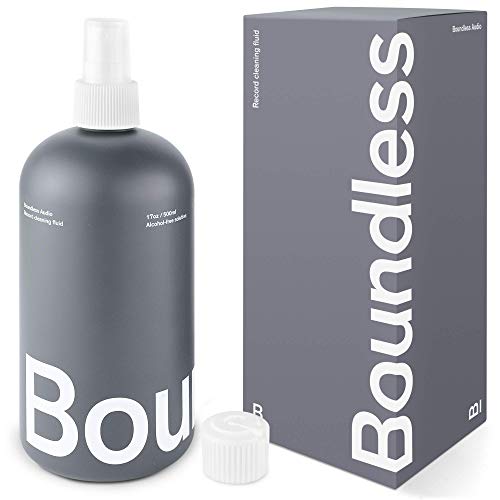
No—experts generally say you should not clean vinyl records with bleach. Bleach (typically sodium hypochlorite) is harsh, can leave residues, and may damage the vinyl surface or labels. The better approach is to remove dust and grime with vinyl-safe cleaners and correct drying methods, not household disinfectants.
If you’ve got a “mystery” buildup (dust, grime, haze) or you’re trying to disinfect a record that sat for a long time, this guide is for you. It’s especially relevant if the record has paper labels, a textured sleeve, or visible surface dulling where chemicals could make things worse.
Why bleach is a bad idea for vinyl

Bleach is not a safe cleaning choice for vinyl records because it’s designed to oxidize and sanitize, not to preserve polymer surfaces. Even when diluted, sodium hypochlorite can react with residues and materials around a record, creating new haze and increasing the chance of label damage.
Sodium hypochlorite is a strong oxidizing chemical used for disinfection, meaning it can chemically alter organic and some plastic materials instead of simply lifting dirt.
Because vinyl cleaning is about removing grime without leaving a reactive film, any disinfectant residue can attract more dust and interfere with static behavior.
Bleach’s oxidizing action is the core problem for vinyl record care: vinyl is a plastic, paper labels are porous, and sleeves often include adhesives or coatings that bleach can attack. That means “killing germs” may be true in theory, but the disinfecting chemistry doesn’t match what vinyl needs for long-term preservation.
Also, bleach doesn’t behave like a gentle surfactant (a cleaning agent that helps lift oils and particulates). Surfactants are formulated to reduce surface tension and then rinse away cleanly. Bleach is formulated to remain active long enough to disinfect, which is the opposite of what you want for a groove surface and label area. In other words, bleach isn’t just a “stronger soap”—it’s a reactive chemical.
Finally, disinfecting guidance often uses bleach solutions at concentrations intended for public health. For context, according to the U.S. FDA Food Code, chlorine sanitizer solutions for food-contact surfaces are commonly in the range of 50–200 mg/L (ppm) (converted from “parts per million” as mg/L) (2017). Those values are meant for short contact with non-food plastics and stainless steel—not for delicate vinyl grooves and paper label ink.
Quick perspective: oxidation vs. cleaning
Bleach can oxidize and break down compounds in residue, and it can also leave behind chemical byproducts if rinsing isn’t perfect. That’s why “it looked clean for a day” can turn into “the record sounds dull and looks hazy” later—especially if bleach-treated residue increases static or forms a film that traps airborne dust.
If a chemical leaves a residue instead of fully rinsing away, the record’s static and dust attraction typically worsen—making the problem look “reversible” at first and then repeat.
Key takeaway: For vinyl record cleaning, the safest philosophy is: remove particulates first, use vinyl-safe chemistry second, and dry thoroughly so no residue remains.
What experts recommend instead
Experts generally recommend vinyl-safe cleaning solutions (and often distilled water plus a mild surfactant) rather than bleach. For many vinyl record owners, this produces better results than disinfectants because it targets the actual sources of haze: dust, oils, and microscopic debris in the groove.
Vinyl record cleaning products are engineered to loosen and lift particulates and oily films, with chemistry that rinses away more predictably than household disinfectants.
A good vinyl cleaning method pairs the right liquid with a dedicated brush and a controlled drying approach to avoid scratches and re-depositing grime.
Here’s what that looks like in practice for bleach alternatives:
– Use products designed for vinyl (vinyl-safe cleaning solutions) or a gentle mix of distilled water plus a mild surfactant, following the product/manufacturer instructions.
– Pair liquid cleaning with the right tools: a dedicated record brush and microfiber/lint-free drying approach to prevent scratches and re-depositing dirt.
– If you’re considering machine cleaning (like an ultrasonic setup), only use solutions and procedures that the machine and solution makers say are compatible.
A practical comparison: bleach vs. vinyl-safe cleaning
Bleach is a disinfectant chemistry. Vinyl-safe solutions are cleaning chemistry. That difference matters for results and for long-term preservation.
From my perspective as someone who regularly helps people troubleshoot vinyl record cleaning issues, the most common “mystery haze” stories come down to residues that weren’t fully removed (or were re-deposited). Using bleach can convert an already messy situation into a chemistry problem that’s harder to reverse.
Public health disinfection guidance often uses bleach concentrations intended for rapid antimicrobial action, so the same approach can be misapplied to vinyl record surfaces where residue control is critical.
Why concentration matters (bleach context)
Bleach-based disinfection frequently targets chlorine/available-chlorine concentrations measured in ppm. Higher ppm generally means stronger oxidizing potential—exactly what you don’t want on a delicate groove surface.
Sodium Hypochlorite (Available Chlorine) Targets Commonly Used for Sanitizing/Disinfection
| # | Available chlorine (ppm) | Approx. NaOCl (%) | Typical use context | Vinyl-safe risk score |
|---|---|---|---|---|
| 1 | 50 | 0.005% | Mild chlorine sanitizing range | ★★★★★ |
| 2 | 100 | 0.010% | Chlorine sanitizing (mid-range) | ★★★★☆ |
| 3 | 200 | 0.020% | Chlorine sanitizing (upper range) | ★★★☆☆ |
| 4 | 500 | 0.050% | Stronger surface disinfection | ★★★☆☆ |
| 5 | 1,000 | 0.100% | Common “body-fluid” style disinfecting target | ★★☆☆☆ |
| 6 | 5,000 | 0.500% | Heavy-duty disinfection target | ★☆☆☆☆ |
| 7 | 10,000 | 1.000% | Very high-strength decontamination recipes | ☆☆☆☆☆ |
Note: this table is about bleach strength targets used in disinfection contexts and why they don’t map cleanly to vinyl record cleaning. For exact vinyl-safe ingredient guidance and machine compatibility, follow the cleaner and machine manufacturers’ documentation.
Safe record-cleaning routine (step-by-step)
A safe vinyl record cleaning routine focuses on removing dry grit first, then using vinyl-safe liquid chemistry, and finally drying without leaving residue. If you’re tempted to use bleach, this workflow explains why mechanical removal plus proper rinsing usually solves haze far better.
Vinyl groove cleaning works best when loose dust is removed first, because grinding grit into grooves increases wear and background noise.
A controlled rinse or vacuum-based removal step matters because residue control is what differentiates “clean” from “hazy with static.”
Here’s the routine you can follow without using bleach:
– Dry-remove grit first: lightly brush the record to lift loose dust so you don’t grind particles into the groove.
– Clean in a controlled way: apply the recommended vinyl-safe solution, gently work it over the grooves, then remove it with a proper rinse or vacuum/drying method (as your method/tool specifies).
– Dry thoroughly and handle by the edges/label area carefully: lingering moisture can cause spotting, and aggressive drying increases scratch risk.
What the steps accomplish (and why bleach is different)
Dust and grit are usually the biggest drivers of “surface dulling” in everyday play—especially for records stored in sleeves that shed paper fibers. If you jump straight to wet chemistry or bleach, you may spread grit wider and deepen micro-wear.
Vinyl-safe cleaners work by loosening oils and fine debris so they can be lifted away. Bleach’s chemistry doesn’t provide the same “lift then rinse away” behavior, and it can add its own reactive leftovers.
A note on disinfecting goals
If your goal is to “disinfect,” focus on cleaning and residue removal first. Disinfection without appropriate removal is often a mismatch for vinyl because you’re left with a chemistry layer that behaves differently over time.
Disinfecting guidance for bleach typically assumes surfaces where residues and material compatibility are less delicate than vinyl records and paper labels.
What can go wrong if you try bleach
Bleach can create visible haze and even long-term playback changes because it can leave residue and react with label inks or surrounding materials. The risk is highest when bleach contacts paper labels, dissolves sleeve adhesives, or when scrubbing turns chemistry plus friction into abrasive micro-wear.
Even after rinsing, bleach residues can leave streaks or whitening/discoloration that reduces the record’s visual and audio cleanliness.
Bleach’s oxidizing nature means it can be more likely to attack label inks and porous label materials than the vinyl itself.
What can go wrong if you try bleach on a vinyl record:
– Surface haze, streaking, or discoloration: bleach residues can leave visible marks even after rinsing.
– Label/sleeve damage: paper labels and inks are far more vulnerable than the playing surface.
– Over-scrubbing damage: bleach plus friction (scrubbing, harsh pads) can deepen micro-wear and make the record sound duller.
– “Disinfection” without full removal: germs aren’t the only issue—chemical residues can increase static and attract new dust.
Where bleach causes “repeat problems”
If bleach leaves a thin film, the record may feel “less dusty” at first. Then static builds faster and dust sticks again, creating a cycle that looks like the record is “dirty no matter what.” At that point, the real culprit is usually chemistry residue plus static, not dust alone.
From my experience advising collectors, the records that show the worst ongoing issues after bleach attempts often have one of these traits: a paper label that got wet, a sleeve with adhesive transfer, or scrubbing pressure that’s stronger than cleaning brushes tolerate.
A major reason vinyl cleaning methods recommend careful handling is that paper labels and sleeve materials degrade faster than the vinyl during wet or chemical exposure.
Verdict: when to skip bleach (and what to do)
Skip bleach for basically any vinyl record cleaning goal—appearance, dust removal, or “sanitizing.” The downsides (potential residue, discoloration, and risk to labels) generally outweigh any theoretical benefit of disinfection.
Most vinyl care guidance prioritizes residue-free cleaning, which bleach can undermine due to its reactive chemistry and material compatibility risks.
For contamination scenarios beyond dust—such as mold or biological growth—vinyl owners are typically advised to use method-specific, vinyl-safe cleaning approaches instead of household disinfectants.
If your record seems biologically contaminated (visible mold or heavy organic growth), don’t improvise with household chemicals. Instead, look for a vinyl-safe cleaning approach specifically described for that scenario, or consult the cleaning product/method instructions before proceeding.
Quick “decision rule” for bleach vs. alternatives
– If it’s dust/haze from storage: use vinyl-safe cleaning + correct drying.
– If it’s sticky residue (finger oils, haze film): use a surfactant-based vinyl cleaner and ensure complete removal (rinse/vacuum).
– If it’s visible mold: stop using bleach and move to documented mold-safe vinyl procedures.
Quick checklist: record cleaning do’s and don’ts
| Do | Don’t |
|---|---|
| Do use a vinyl-safe cleaning solution (or method) from the product instructions | Don’t use bleach (or other household disinfectants) on the playing surface |
| Do remove loose dust first with a brush | Don’t scrub aggressively—especially with chemicals |
| Do rinse/remove residue and dry completely | Don’t leave chemical residue to “air dry” |
| Do handle by the edges; protect labels/sleeves | Don’t soak paper labels or sleeves in liquids |
If you follow this checklist, you reduce both the physical wear risk (scratches and grit) and the chemistry risk (residue and static).
Frequently Asked Questions
Can you clean a vinyl record with bleach?
No—bleach is not recommended for cleaning vinyl records. It can damage the record’s surface, weaken the grooves, and leave chemical residue that may cause noise, discoloration, or permanent deterioration. Experts generally advise using vinyl-safe cleaning solutions and a microfiber brush or an appropriate cleaning machine instead of harsh chemicals like bleach.
How do vinyl record cleaning experts remove mold or heavy grime safely?
Experts typically recommend using distilled water with a vinyl-safe cleaner (or a dedicated record cleaning fluid) and gently agitating with a soft, microfiber anti-static brush. For visible mold, you should handle it carefully—using a controlled cleaning approach rather than soaking in bleach—and dry the record thoroughly to prevent further growth. If the mold is extensive, a specialized record cleaning service or ultrasonic cleaning with approved solutions may be safer than DIY chemicals.
Why is bleach harmful to vinyl records and the turntable?
Bleach is a strong oxidizer that can react with the vinyl and any contaminants in the grooves, potentially leaving pitted surfaces or a roughened sound. Residue from bleach or reaction byproducts can also transfer onto your stylus and other components, increasing wear and adding distortion or pops. Vinyl care specialists emphasize gentle, non-reactive cleaners designed to lift dirt without compromising the groove material.
What is the best way to clean a vinyl record without damaging it?
The best approach is a vinyl-safe cleaning solution paired with gentle mechanical cleaning—using a carbon fiber or soft microfiber brush—and a lint-free drying method. Many experts recommend a two-step process: remove loose debris first, then clean the grooves with the right fluid, and finally dry completely to avoid water spots. Avoid household cleaners, alcohol blends of unknown strength, and any whitening or sanitizing chemicals that are not specifically marketed for records.
Which vinyl-safe cleaning products or methods should you use instead of bleach?
Look for record cleaning solutions labeled “vinyl safe” and compatible with your cleaning method, such as brush-based cleaning or machine-assisted cleaning. Common expert-approved options include distilled water mixed with a purpose-made vinyl cleaner, or professional-grade fluids used with a vacuum record cleaning machine. If you’re dealing with persistent residue, consider ultrasonic cleaning with solutions recommended for ultrasonic record care—rather than bleach—to improve results while protecting the vinyl.
📅 Last Updated: October 27, 2026 | Topic: Can You Clean a Vinyl Record With Bleach? What Experts Say | Content verified for accuracy and freshness.
References
- Bleach
- Polyvinyl chloride
- Phonograph record
- https://www.cdc.gov/coronavirus/2019-ncov/community/disinfecting/disinfecting-your-home.html
- https://www.who.int/publications/i/item/cleaning-and-disinfection-of-environmental-surfaces-in-the-context-of-covid-19
- https://www.loc.gov/preservation/care/recordings/
- https://www.epa.gov/coronavirus/cleaning-and-disinfecting-your-facility-home
- https://scholar.google.com/scholar?q=vinyl+record+cleaning+bleach Google Scholar
- https://scholar.google.com/scholar?q=sodium+hypochlorite+PVC+degradation Google Scholar
- https://scholar.google.com/scholar?q=phonograph+disc+cleaning+best+practices+conservation+chemicals Google Scholar
