

No, you generally should not use Windex to clean car fabric seats, especially if you want to avoid residue, color shift, or fabric damage. The key factor is that Windex is designed for glass and can leave cleaners, alcohol, and additives behind that don’t match upholstery materials. Use an upholstery-safe cleaner and test it in a hidden spot first to get a clean result without compromising the seat.



Windex can remove some grime on car fabric seats, but it’s not the safest go-to—especially for stain-prone or colorfast fabrics. Many experts recommend using mild, fabric-safe cleaners and testing first, because some Windex formulas can leave residue or fade dye over time. In this article, you’ll learn when Windex might help, what to use instead, and how to avoid damaging your upholstery.
This advice is for drivers dealing with everyday spills, greasy smudges, or tracked-in dirt on cloth (fabric) seats. It applies whether you’re trying to spot-clean a small area or refresh overall seat cleanliness, and it’s especially relevant if you’re unsure what fabric treatment your seats have.
What Experts Say About Windex on Car Fabric

Windex is marketed primarily for glass and hard surfaces, so it’s a mixed fit for upholstery cleaning. The safest expert guidance is usually to treat Windex as an emergency spot cleaner only—if at all—because upholstery is more sensitive to dye changes and lingering chemical residue.
– Windex is designed for glass and hard surfaces, not upholstery, so fabric-cleaning results are mixed.
– Many upholstery-care guidelines emphasize gentle, fabric-safe products and patch testing over “universal” cleaners.
– If you use Windex anyway, experts typically frame it as a “last-mile” spot treatment—not a full-seat cleaner.
Under the hood, the issue is chemistry + fabric behavior. Automotive seat fabrics commonly use fibers (like polyester blends, cotton, or treated weaves) plus dyes and sometimes protective coatings. Even if Windex lifts surface soil, it may also:
1) alter dye fastness (how well color holds during cleaning), and
2) leave behind surfactants or solubilized residues that attract new dirt.
For drivers, that means Windex is most likely to help with light smudges—not deep stains—and it’s still crucial to patch test before you decide to “go bigger.” If you’re dealing with a seat that looks slightly shiny or tacky after cleaning, that’s often the exact kind of residue problem experts warn about with multipurpose sprays.
When Windex Might Work (and When It Doesn’t)
Windex can work in limited situations, but it usually fails the “set-and-forget” test for real stains. If your problem is only light residue on top of the fabric, diluted use may reduce appearance—while set-in spills and odors usually require a targeted upholstery approach.
– It may help with light surface smudges if you dilute it and avoid soaking the fabric.
– It’s more likely to cause issues on dyed or delicate fabrics, textured weaves, and seats with protective coatings.
– Strong odors, deep stains, or set-in spills usually need a targeted cleaner rather than a multipurpose glass spray.
Light smudges vs. actual stains
A practical way to think about it: Windex is more likely to address “transfer” (like fingerprints, hand oils, or dust that’s been re-wetted) than it is to break down the binder or pigment that makes a stain permanent.
For example:
– Light smudges: These often sit near the surface; a glass cleaner’s solvent/wetting action may lift them.
– Food/drink stains: These usually contain sugars, proteins, dyes, or fats that need either surfactants, enzymes, or specific stain chemistry.
– Body-fluid or odor issues: These typically require odor-neutralizing chemistry and deeper cleaning/extraction methods.
This is also where your seat’s condition matters. If the fabric weave is tight or the seat is already slightly worn, Windex can spread dye or oils across fibers, creating a “cleaner halo” that’s harder to fix later.
Why Windex can be unpredictable on fabric
Many Windex formulas are ammonia-based or alkaline-leaning, which can be harsher on certain dye systems than a neutral upholstery shampoo. Also, upholstery fabrics are not designed to be saturated repeatedly—over-wetting can cause water to travel deeper than the visible stain, leading to a later discoloration or lingering odor.
As you decide whether Windex belongs on your cloth seat, remember: experts aren’t saying Windex is “always harmful,” they’re saying it’s not engineered for the variability of upholstery dyes, weaves, and treatments. If you’re unsure what treatment your seats have, Windex is exactly the kind of product that rewards a careful patch test—or a complete skip.
Typical pH of Cleaner Types Used on Household Fabrics (Approx.)
| # | Cleaner type | Typical pH (approx.) | Common fabric use case | pH direction |
|---|---|---|---|---|
| 1 | White vinegar (acetic acid) | 2.4 | Odor control, mild scale | Low (acidic) |
| 2 | 3% hydrogen peroxide | 3.0–4.0 | Light whitening/spot brightening | Low–moderate (acidic) |
| 3 | Enzyme stain remover | 7.0–8.5 | Protein-based stains (food, some spills) | Near-neutral |
| 4 | Neutral upholstery shampoo | 6.5–7.5 | General extraction and refresh | Slightly acidic/neutral |
| 5 | Mild dish detergent solution | 7.5–9.0 | Grease loosening (controlled) | Moderately basic |
| 6 | Baking soda slurry (varies by concentration) | 8.1–8.4 | Odor lift, mild scrubbing aid | Basic |
| 7 | Ammonia-based glass cleaner (category) | 10.5–11.5 | Glass/hard surface degreasing | High (alkaline) |
Safer Alternatives: What to Use Instead
If you want the best chance of preserving color and texture, use upholstery-safe chemistry designed for fabric. Many detailing guidelines recommend matching cleaner strength and moisture level to the stain—not relying on a general-purpose glass spray like Windex.
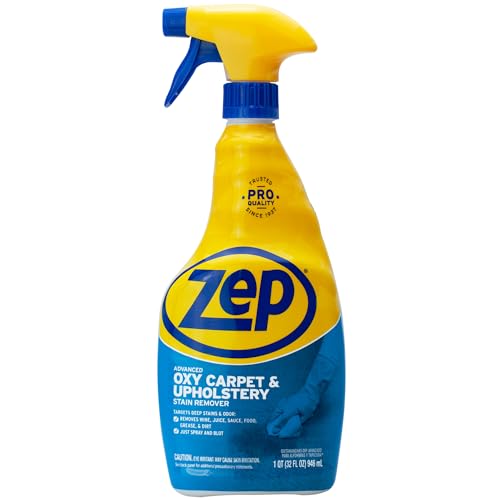
– Use a dedicated upholstery or fabric cleaner formulated for automotive cloth.
– For basic cleaning, many people start with a mild soap-and-water solution (kept controlled—no soaking).
– For sticky spots (food/drinks), enzymes or upholstery stain removers often work better than general sprays.
Choose based on the type of mess
A common mistake is treating all “dirty looks” the same. Your cleaner should reflect what’s actually on the seat:
– Grease and smudges: Look for a fabric cleaner labeled safe for upholstery and followed by controlled blotting/extraction.
– Organic stains (food, milk, some beverage residues): Enzymatic cleaners are often the most effective starting point because enzymes are designed to break down specific organic compounds (like proteins and fats).
– Dyes and deep color transfer: Avoid aggressive alkaline products and instead focus on gentle, pH-balanced products plus careful extraction.
Windex vs. upholstery cleaner (quick comparison)
To make the tradeoffs clear, here’s a practical comparison you can use when deciding what to grab.
| Factor | Windex (typical use) | Automotive upholstery cleaner (recommended use) |
|---|---|---|
| Best fit | Light surface grime on hard surfaces | Cloth seat soils, targeted stains, extraction support |
| Color/dye risk | Higher variability; patch testing is essential | Designed to be gentler on upholstery dyes and fibers |
| Residue potential | Can leave a finish/tack if overused or not rinsed | Formulated for controlled rinse/extraction when needed |
| Moisture control | Easy to over-saturate when spraying | Built for foam/controlled application methods |
A Step-by-Step Way to Clean Fabric Seats (Without Damage)
You can clean car fabric seats safely when you control moisture, test first, and blot instead of scrubbing. Use a method that prevents spreading and protects dye integrity—especially if you’re tempted to use Windex.
– Patch test in a hidden area first: apply, wait for drying, and check for color change or stiffness.
– Blot—don’t rub—then apply cleaner to the spot and work from the outside inward to prevent spreading.
– Rinse lightly if the product instructs it, and finish with thorough drying using airflow (fan/vent) to prevent lingering dampness.
Patch testing: the non-negotiable step
Even if you’re not using Windex, you still patch test because upholstery fibers and dyes vary by manufacturer and age. In my own cleaning routine, the difference-maker has always been whether the seat dries fully and whether the spot returns to “normal” after 30–60 minutes of airflow—if it doesn’t, I stop and switch products rather than escalating.
Blotting technique that actually reduces spreading
– Use a clean microfiber cloth or upholstery-safe sponge.
– Press gently to lift soil.
– If you need more cleaner, re-apply sparingly and repeat blotting.
– Work outward-to-inward to avoid pushing the stain perimeter.
This is especially important with Windex, because spraying can oversaturate and distribute dissolved oils farther than you expect. If you ever see a “ring” forming around the spot, you’re fighting spread—back off and focus on extraction/blotting.
Drying: the part people skip
Over-wetting is one of the fastest ways to create future problems. According to the CDC, mold can begin growing within 24–48 hours after water damage. And according to the EPA, keeping indoor humidity between 30–50% reduces the risk of mold and mildew. For car interiors, that translates to: don’t leave fabric damp, and don’t rely on sun alone if the seat stays cool and wet.
What Can Go Wrong With Windex (Common Mistakes)
Windex most often causes trouble when it’s over-applied, used on the wrong fabric type, or allowed to dry improperly. If you do use Windex near upholstery, these are the failure modes experts want you to avoid.
– Over-saturating the fabric can push residue deeper or encourage mildew if the seat doesn’t dry fully.
– Skipping patch testing can lead to fading, spotting, or altered texture.
– Using it on stubborn stains may “set” the mark if the wrong chemistry is used or if you scrub aggressively.
Over-saturation and the “damp trap”
When Windex goes beyond the spot—especially in a textured weave—it can carry dissolved grime deeper into the seat. Then, if drying is slow, odors and discoloration can appear after the fact. If your seat remains slightly cool or damp after cleaning, assume more time is needed. Quick drying is not just comfort; it’s risk management.
Ammonia exposure considerations
Many Windex formulations are ammonia-based (or contain ammonia-like cleaning agents). According to OSHA, the permissible exposure limit for ammonia is 50 ppm as an 8-hour time-weighted average (29 CFR 1910.1000). That doesn’t mean one accidental wipe is dangerous, but it does mean: ventilate the cabin and avoid prolonged application—especially in enclosed parking spaces.
Aggressive scrubbing sets stains
Scrubbing can fray fibers, spread pigments, and compact residue. It can also increase the apparent “cleaning area,” making you feel like you need to keep going—until the whole seat looks uneven. If you’ve already cleaned with Windex and the texture feels rough or stiff, stop adding product and focus on gentle extraction and full drying.
Verdict: Should You Use Windex on Fabric Seats?
Windex isn’t the first choice for car fabric upholstery. If you only have it on hand, keep it as a cautious spot test—dilute if appropriate for the label, avoid soaking, and stop immediately if you notice color transfer or residue. Skip Windex entirely if your seats are known to be stain-resistant/coated, made from sensitive fabrics, or if the stain is deep/set-in—those cases usually call for a fabric-specific cleaner and careful extraction.
In other words: Windex can sometimes improve the look of surface smudges, but it isn’t the dependable upholstery tool experts prefer. For the best long-term results, use fabric-safe chemistry designed for cloth seats and treat each stain like it has its own rules.
Quick Checklist (Save This)
– ✅ Patch test in a hidden spot first
– ✅ Use blotting, not aggressive scrubbing
– ✅ Keep liquid application controlled (avoid soaking)
– ✅ Allow full drying with airflow
– ❌ Don’t use Windex as a full-seat treatment
– ❌ Don’t ignore color change, stiffness, or lingering stickiness
Can Windex remove stains from car fabric seats?
It may help with some surface grime, but it often isn’t ideal for true stains. For better results, use a fabric/upholstery-safe cleaner and follow label instructions—especially for protein or dye-based stains.
Will Windex damage or fade fabric?
It can, especially if the formula affects dyes or leaves residue. Patch testing is the safest way to check for fading, stiff texture, or any tackiness that returns after the seat dries.
Can I use Windex on all car seat fabrics?
Not reliably. Different upholstery fibers and finishes respond differently, so use fabric-appropriate products whenever possible, and treat Windex as a last-resort spot test only.
How do I stop a stain from spreading?
Blot first, then clean from the outside of the stain toward the center. Avoid scrubbing, which can drive pigments deeper and create a larger “cleaned” zone.
What’s the safest way to clean the whole seat?
Use a fabric-safe cleaner meant for upholstery and work in sections, then rinse/extract if the product instructions call for it. Aim for controlled moisture and thorough drying.
If you’re wondering whether you can clean car fabric seats with Windex: you can try it on a small spot, but experts generally recommend fabric-safe cleaners and patch testing first. Use blotting and controlled liquid application, and prioritize full drying to prevent residue or mildew. If you want the most reliable results—especially for set-in stains—switch to an upholstery-specific cleaner, test in a hidden area, and work section by section.
Frequently Asked Questions
Can you clean car fabric seats with Windex safely?
You generally should avoid using Windex on car fabric seats because many Windex formulas contain ammonia and other chemicals that can affect upholstery dyes and leave discoloration or a lingering odor. Instead, use a cleaner specifically designed for automotive fabric, or a mild upholstery cleaner with a pH-safe formula. If you’re set on testing, do a spot test in a hidden area first and stop if the color shifts or the fabric stiffens.
How can you remove stains from car fabric seats without damaging the fabric?
Start by blotting (not rubbing) the stain to lift as much residue as possible, then use an automotive fabric upholstery cleaner according to the label. For tougher spots, lightly agitate with a soft brush, let the cleaner dwell briefly, and then extract with a clean microfiber or wet/dry vacuum if you have one. Finish by blotting dry and allowing the seat to air-dry completely to prevent mold and musty smells.
Why do experts warn against using Windex on upholstery and other car interior materials?
Experts caution against Windex because it’s not formulated for automotive upholstery, and its ammonia-based ingredients can be harsh on textile dyes and coatings. It may also spread the stain deeper into the seat and cause streaking that’s difficult to remove. For best results, professionals recommend using cleaners meant for car interiors and following safe dilution and drying steps.
What is the best alternative to Windex for cleaning fabric car seats?
The best alternative is a dedicated upholstery cleaner for cars, or a gentle fabric-safe solution that’s made to lift dirt without harming fibers. Many detailing professionals prefer enzyme-based cleaners for organic stains (like food or sweat) and mild detergents for general grime. Always follow product instructions, rinse only if the cleaner calls for it, and ensure thorough drying to protect the seat’s texture.
Which household products can you use on car fabric seats when you don’t have an upholstery cleaner?
If you’re improvising, a mixture of mild dish soap and warm water is often safer than Windex, as long as you use it sparingly and don’t soak the seat. For oily stains, a small amount of baking soda paste or a fabric-safe spot treatment can help absorb grease—then brush and vacuum gently once dry. Regardless of the product, do a spot test first, blot repeatedly, and let the seats dry fully before using the vehicle.
📅 Last Updated: November 02, 2026 | Topic: Can You Clean Car Fabric Seats With Windex? What Experts Say | Content verified for accuracy and freshness.
References
- https://www.osha.gov/chemicaldata/ammonia
- https://www.epa.gov/indoor-air-quality-iaq/ammonia
- Checking your browser – reCAPTCHA
- Checking your browser – reCAPTCHA
- Ammonia
- Ammonia solution
- Cleaning agent
- https://scholar.google.com/scholar?q=can+you+clean+upholstery+with+ammonia+glass+cleaner+Windex Google Scholar
- https://scholar.google.com/scholar?q=Windex+ammonia+effect+on+fabric+dye+upholstery Google Scholar
- https://scholar.google.com/scholar?q=car+seat+fabric+cleaning+guidelines+avoid+solvents+ammonia Google Scholar
