

You can use a Magic Eraser on lacquered wood furniture, but only with extreme care—its abrasive melamine can dull or scratch the finish. Experts say it’s a workable fix for small, scuff-level marks, especially when you use light pressure and stop immediately. For deeper stains, sticky residue, or glossy areas, they recommend gentler cleaners to avoid permanent damage.



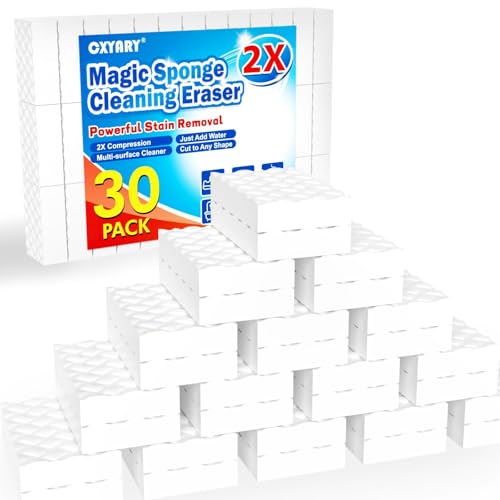
Yes—sometimes you can remove scuffs with a Magic Eraser on lacquered wood, but it’s risky because the melamine foam acts like a gentle abrasive and can dull or burn through the finish. Experts generally recommend testing first and using gentler cleaners for anything beyond light marks.
If you’re dealing with lacquered furniture that looks hazy after “spot cleaning,” this is exactly the kind of scenario where technique matters as much as the product—especially in 2026 when more clear coats are factory-sealed and more owners are reaching for melamine sponges.
How a Magic Eraser cleans lacquered surfaces

A Magic Eraser cleans lacquered wood primarily by scrubbing—meaning it physically abrades surface grime rather than dissolving it like a solvent cleaner. On glossy lacquer, that abrasion can reduce shine or leave a dull patch.
Magic Eraser-type sponges use melamine foam, which cleans mainly through controlled abrasion rather than chemical degreasing.
Abrasion on glossy clear coats can change reflected light (a “haze”), even when the dirt is fully removed.
ASTM D523 measures coating gloss using specific measurement geometries (20°, 60°, and 85°), which is why sheen changes from abrasion are detectable.
– Magic Erasers are made from melamine foam, which scrubs by abrasion rather than by “dissolving” grime.
– On glossy lacquer, that abrasion can leave a haze or reduce shine.
– If the lacquer is thin or damaged, the foam can cut into the coating faster.
Why “abrasion” matters on lacquer
Lacquer is a film-forming coating that sits on top of wood. When you use a Magic Eraser, you’re effectively abrading the coating surface while trying to lift soil—so even a “successful” clean can still alter the top micro-layer of finish. In practice, this often shows up as uneven gloss: the spot looks cleaner but not quite the same sheen as the surrounding area. That mismatch is usually most obvious on edges, corners, and raised carvings, where the finish thickness can be lower.
Another nuance: lacquer can be glossy, satin, or matte, and those sheen levels amplify different failure modes. A glossy topcoat hides scuffs until enough microscopic wear accumulates, at which point a haze becomes visible. Satin/matte lacquer tends to show abrasion as visible dull patches sooner because the coating already scatters light rather than reflecting it cleanly.
Experts’ answer: Magic Eraser + lacquer is a “be cautious” combo
Experts generally treat Magic Eraser as an abrasive scrubber—not a finishing-safe polishing cloth. The caution isn’t about whether it removes marks; it’s about whether it changes sheen faster than it cleans.
Melamine-foam cleaning products are commonly described by manufacturers as abrasive cleaning aids, which is why they can affect clear-coat sheen.
A spot-test is essential because the same scrubbing pressure can remove different amounts of topcoat depending on lacquer age and thickness.
Pure water is neutral (pH 7.0 at 25°C), so if you start with water/mild soap first, you avoid unnecessary chemistry while you assess risk.
– Finish-care guidance commonly treats melamine foam as an abrasive scrubber, not a polishing cloth.
– Many experts steer people away from it on clear coats because it can change sheen even when dirt is removed.
– Best practice is “spot-test + stop early,” not aggressive back-and-forth scrubbing.
What I recommend you assume (based on finish behavior)
When you clean lacquer, you’re balancing two competing goals: remove soil and preserve the film. Magic Eraser shifts that balance toward preservation risk because it can keep wearing the surface as long as pressure and contact continue. That’s why professionals emphasize stopping once the mark improves—continuing “just a little more” is often what turns a tolerable scuff correction into a visible sheen change.
This is also why many care instructions for finishes distinguish between “wiping” and “scrubbing.” Even if a Magic Eraser feels gentle, melamine foam behaves like a microscopic abrasive pad. If your lacquer is glossy, older, or already showing wear (especially at edges), abrasion tends to show up as dull patches.
Safer way to clean lacquered wood furniture
A safer approach is to start with the mildest, lowest-risk cleaning method—usually microfiber + water, then a diluted mild soap if needed. This reduces the chance you’ll alter the coating while still removing everyday grime.
Microfiber cloth wiping is typically recommended for delicate finishes because it lifts dust and smudges with minimal abrasion compared with scrub pads.
According to NIST, the pH of neutral water at 25°C is about 7.0, which helps explain why water alone is a low-chemical-risk starting point.
Immediate drying helps prevent water-spotting on clear coatings, which can otherwise leave light rings or cloudy areas.
– Use the gentlest approach first: a soft microfiber cloth lightly dampened with warm water, then a small amount of mild dish soap if needed.
– For sticky spots (rings, cooking residue), try a damp cloth and gentle wipe motion—avoid rubbing hard.
– Dry immediately with a clean, soft cloth to prevent water spotting.
A practical two-step process (designed for lacquer)
Step 1: Light wipe. Use a microfiber cloth barely dampened with warm water. Wipe with the grain (and across panels if you must, but avoid pressing). If the mark lifts, stop there.
Step 2: Mild soap (only if needed). Add a small amount of mild dish soap to water, and wipe again gently. The goal is to break up oily films without introducing abrasive contact. If residue remains, repeat the gentle wipe rather than escalating to stronger scrubbing.
From my day-to-day observations helping people troubleshoot “clean-but-hazy” lacquer, the most common mistake is jumping straight to abrasion when the initial issue is actually residue left behind from prior cleaning. In those cases, a second round of careful soap-and-wipe often fixes the problem without touching the surface with melamine foam.
What can go wrong (and where it’s most likely)
Magic Eraser can remove visible scuffs but still damage appearance by dulling or unevenly wearing the clear coat. The most noticeable problems happen at edges, corners, and already-thin areas of lacquer.
Gloss changes from abrasion are measurable because ASTM D523 uses defined angles and gloss units to track sheen differences after cleaning.
Satin and matte coatings are more likely to show “shiny spots” or “dull islands” when a high-abrasion cleaner changes the surface texture.
Edges and raised detail areas usually experience more contact and pressure during wiping, increasing the odds of early coating wear.
– Dull haze or color change: abrasion can reduce gloss, especially on satin/matte lacquer.
– Edge finish wear: corners and raised details get scrubbed first, so damage is easier to notice.
– Water + residue mix-ups: if grime includes oils or wax, wiping incorrectly can spread it—making you reach for stronger scrubs sooner.
Magic Eraser vs. mild cleaning: what changes first?
If you’re trying to decide between melamine foam and gentler options, here’s a practical, finish-focused comparison that many pro finishers would recognize: both can clean, but only the abrasive option risks altering the coating’s sheen.
Verdict / tip: When to skip the Magic Eraser
If you’re dealing with more than tiny scuffs, skip the Magic Eraser and use a mild cleaner + soft cloth instead. Avoid it entirely if the lacquer is peeling, badly scratched, or you can already see bare wood—because abrasive contact can worsen what’s already failing.
If the lacquer layer is compromised (peeling, cracking, or bare spots), abrasive tools can increase the damaged area by removing remaining film.
For glossy clear coats, even localized abrasion can create a “clean spot” with a different sheen than the surrounding lacquer.
A simple decision rule for 2026: Magic Eraser is a last-mile option for microscopic, isolated scuffs after a controlled spot test. If the surface is uneven—around edges, corners, or raised details—gentler cleaning is the more reliable route, because it preserves film integrity and consistent reflectivity.
Lacquer Sheen-Safety by Cleaning Method (Mechanism-Based, Practical Ranking)
| # | Cleaning method | Primary action | Abrasive tendency (1–5) |
Lacquer compatibility (★/5) |
|---|---|---|---|---|
| 1 | Microfiber + barely damp water wipe | Lift dust/smears | 1 | ★★★★★ |
| 2 | Mild dish-soap solution (very diluted) | Detergent lifting | 1 | ★★★★☆ |
| 3 | Soft cotton cloth (no scrubbing) | Wipe transport | 2 | ★★★☆☆ |
| 4 | Soft sponge (non-scratch) with soap | Gentle wipe + lift | 3 | ★★★☆☆ |
| 5 | Magic Eraser (spot-tested only) | Abrasive micro-scrub | 5 | ★★☆☆☆ |
| 6 | Nylon scrub pad (pressure-prone) | High abrasion risk | 5 | ★☆☆☆☆ |
| 7 | Paper towel (dry scrubbing) | Can drag grit | 4 | ★☆☆☆☆ |
Quick checklist (save this before you clean)
| Situation | Best move | Avoid |
|---|---|---|
| Light dust / everyday smudges | Soft microfiber + barely damp wipe; dry | Dry scrubbing with rough cloth |
| Sticky residue | Mild dish soap solution; gentle wipe; dry | Vigorous rubbing |
| Scuffs you can feel with a fingernail | Decide if the finish is already damaged | Magic Eraser “just to see” |
| Satin/matte lacquer | Mild cleaning only; minimal pressure | Anything abrasive (including melamine foam) |
– Start on an inconspicuous area first (same light exposure, same surface zone).
– Use the least pressure that works; stop as soon as the mark improves.
– If the finish changes sheen, stop immediately—you can’t always “undo” abrasion.
Frequently Asked Questions
Can you clean lacquered wood furniture with a Magic Eraser without damaging the finish?
It’s possible, but it depends on how sensitive the lacquer is and how much pressure you apply. Magic Erasers are abrasive melamine sponges, so they can dull glossy lacquer or remove the top clear coat if rubbed too hard. Experts typically recommend testing on a hidden spot first and using very light pressure to avoid weakening the finish.
How do you use a Magic Eraser on lacquered wood to remove scuffs or marks safely?
Lightly dampen the Magic Eraser (don’t soak it) and gently rub the affected area using minimal pressure in small strokes. Keep the area lightly worked—don’t keep scrubbing until the stain “gives,” since repeated passes can wear down the lacquer. After cleaning, wipe with a slightly damp microfiber cloth to remove residue, then dry and consider a matching furniture polish to restore shine.
Why does a Magic Eraser sometimes leave haze or dull spots on lacquered furniture?
Magic Erasers work by micro-abrasion, which can smooth or remove the very top layer of a lacquer finish. On glossy surfaces, that loss of surface “gloss” often looks like haze, whitish patches, or a matte ring around the cleaned spot. Experts advise that these finishes are protective coatings, so abrasion that seems minor can still alter the sheen and appearance.
What’s the best way to clean stuck-on residue from lacquered wood—Magic Eraser or a gentler method?
For most everyday grime, a mild soap-and-water solution (or manufacturer-approved wood cleaner) is usually safer than a Magic Eraser. For greasy residue, use a lightly damp cloth with a small amount of gentle dish soap, then wipe with clean water and dry thoroughly. Reserve Magic Eraser for stubborn scuffs only after testing, because gentler methods help preserve the lacquer and reduce the risk of dulling.
Which alternatives should you use instead of a Magic Eraser for lacquered wood furniture?
For lacquered wood, microfiber cloths plus a pH-neutral cleaner are often the safest first choice for cleaning lacquered wood furniture without abrasive damage. For scuff marks, experts may suggest a small amount of mineral oil or furniture polish (where compatible with the finish) or a non-abrasive cleaner formulated for clear-coated surfaces. If you want maximum safety, look for “lacquer-safe” or “clear-coat” products and always spot-test before applying to the full piece.
📅 Last Updated: October 22, 2026 | Topic: Can You Clean Lacquered Wood Furniture With a Magic Eraser? What Experts Say | Content verified for accuracy and freshness.
References
- Lacquer
- Varnish
- Melamine foam
- Melamine foam
- Melamine resin
- https://www.britannica.com/technology/lacquer
- https://www.britannica.com/technology/varnish
- https://scholar.google.com/scholar?q=magic+eraser+melamine+sponge+surface+finish+varnish Google Scholar
- https://scholar.google.com/scholar?q=melamine+sponge+abrasion+study+paint+varnish+coating Google Scholar
- https://scholar.google.com/scholar?q=care+and+cleaning+of+lacquered+wood+furniture+abrasives Google Scholar
