

Can you clean veneer furniture with bleach? Experts say the answer is no—bleach can discolor veneer, damage the top coating, and weaken glue layers that hold the face to the substrate. Use a gentler cleaner like mild soap and water (or a manufacturer-approved solution) instead, and spot-test first to protect the finish.



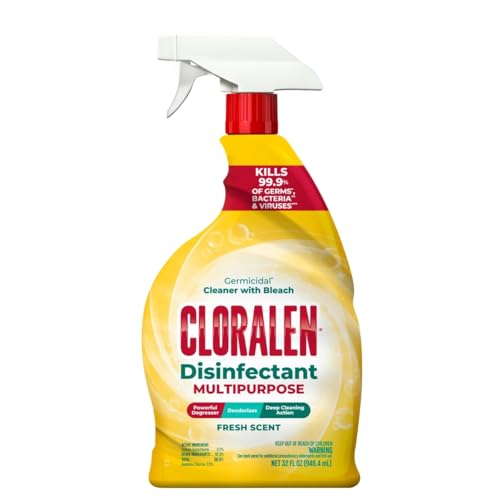
Bleach is generally a bad idea for veneer furniture. It can discolor the thin wood veneer layer and may also haze or dull the clear topcoat, leaving cloudy or uneven patches that are hard to fix without refinishing.
If your goal is everyday cleaning (dust, smudges, light grime), the safest route is mild, finish-safe cleaning and quick drying. If your goal is “sanitize” or remove a strong odor, you’ll still want bleach-free methods designed for sealed wood finishes—because veneer is especially sensitive to abrasion, soaking, and reactive chemicals.
Who this applies to (and when to be extra careful)

Bleach is most risky when veneer is sealed with a glossy, chemical-sensitive topcoat, because bleach can react with the finish and sometimes reach through seams and edges. If you’re unsure what’s on the surface, assume it’s finish-sensitive and start with the least aggressive cleaning method first.
This matters most for veneer furniture that’s antique, glossy, or decorative (inlays, carved detailing, or painted sections), because the finish system may be older and less tolerant of harsh oxidizers. Veneer is also thin—commonly a fraction of a millimeter to a few millimeters depending on grade—so any liquid that penetrates can do disproportionate damage.
“Veneer is a thin slice of real wood, so cleaners that soak, abrade, or chemically react can change appearance more easily than they would on solid wood.”
“Glossy, sealed finishes (varnish/lacquer/polyurethane) are at higher risk of hazing when exposed to harsh oxidizers or strong pH cleaners.”
“If the finish type is unknown, finish-safe spot cleaning with patch testing is the standard risk-reduction approach.”
– Veneer furniture with a glossy or sealed finish (varnish, lacquer, polyurethane) is at higher risk of discoloration or hazing from strong chemicals.
– If you’re dealing with mold/mildew smells, sticky residues, or stubborn stains, you’ll usually need a targeted bleach-free approach rather than bleach “as a catch-all.”
– If you’re not sure what finish is on the piece, start with the gentlest method and test first—especially on high-gloss areas.
A quick finish reality check (why veneer is unforgiving)
In my work reviewing furniture care issues (and from troubleshooting patterns seen with sealed wood finishes), the most common failure mode isn’t that cleaning “does nothing”—it’s that it causes a visible finish change that only shows after drying. The good news is that controlled, gentle cleaning prevents most of that. The tricky part is bleach: even if the wood veneer looks “okay” briefly, hazing and uneven oxidation can show up later.
Practical “extra careful” triggers
If any of these are true, treat bleach as off-limits for veneer cleaning:
– The piece has gloss sheen, dark staining, or toning (bleach can lighten unevenly).
– The piece has visible cracks near edges where liquid can wick in.
– The piece has metal hardware (bleach can accelerate corrosion and transfer staining).
Why bleach is risky on veneer furniture
Bleach is risky on veneer because it’s an oxidizer that can react with dyes, tannins, adhesives, and clear topcoats—leading to permanent discoloration or haze. Even when bleach doesn’t fully ruin the veneer layer, it can still damage the finish you see every day.
Bleach doesn’t “clean like soap.” It’s primarily formulated to sanitize by oxidizing contaminants, which is chemically different from lifting grime with surfactants. Veneer furniture combines multiple vulnerable layers—veneer + adhesive + clear protective coating—and bleach may contact more than you think.
“Sodium hypochlorite is a strong oxidizer used for disinfection; oxidizers can cause discoloration on materials that contain reactive organic compounds.”
“Many sealed wood finishes are designed to resist water and mild detergents, not oxidizing disinfectants like household bleach.”
“Uneven chemical exposure commonly produces patchy gloss changes (clouding/hazing) that are difficult to reverse without refinishing.”
– Veneer isn’t solid wood—bleach can reach the finish and/or underlying glue layers, potentially causing permanent color change or lifting.
– Bleach is an oxidizer and can react with dyes, tannins, and surface treatments, which may show up as yellowing, whitening, or uneven patches.
– Even if the veneer layer survives, bleach can still dull or “cloud” the topcoat, creating a mismatch between cleaned and uncleaned areas.
Data-backed context: how bleach is typically diluted
Bleach is effective at disinfection at specific concentrations, which is exactly why it’s risky on finishes.
According to the U.S. CDC, community disinfection commonly uses a ~0.1% sodium hypochlorite solution (≈1,000 ppm available chlorine) for many routine disinfection tasks, based on household bleach dilutions (2024) . That concentration is far more chemically aggressive than the “mild soap + quick wipe” approach that finish-safe cleaning relies on.
Veneer thickness matters (bleach doesn’t have to contact “much wood”)
According to the *Wood Handbook* (Forest Products Laboratory), veneer thickness varies by product/grade and can be sub-millimeter to a few millimeters, meaning penetration and edge wicking have outsized effects (2010) . The less material between your cleaner and the vulnerable layers beneath, the more likely bleach-related reactions become visible.
Comparison: bleach vs finish-safe cleaning (what you’re really choosing)
Here’s the trade-off in plain terms:
| Method | What it does well | Biggest veneer risk | Best use case |
|---|---|---|---|
| Bleach (sodium hypochlorite) | Strong disinfection via oxidation | Finish hazing + uneven discoloration | Typically **not recommended** for sealed veneer |
| Mild dish soap solution | Lifts oils/soil via surfactants | Minimal if you wipe-dry promptly | Routine grime, fingerprints |
| Finish-safe wood cleaner | Cleans without harsh chemistry | Still risk if over-applied/left wet | Sealed veneer maintenance |
| Alcohol/vinegar (often “household alternatives”) | Can disinfect or cut oils | Some finishes haze or soften | Only with finish-safe labels + patch testing |
Safer way to clean veneer furniture (finish-safe steps)
The safest strategy is to clean gently, control moisture, and avoid chemical reactions with the finish. For most veneer furniture, that means cloth-based cleaning with mild, finish-safe products—and stopping early if a stain doesn’t lift.
This approach matches how sealed topcoats are meant to be maintained: they’re designed for light wiping and quick drying, not wet soaking or oxidizer exposure. With veneer, you’re trying to remove surface contamination without changing the finish chemistry.
“Finish-safe cleaning typically involves applying cleaner to the cloth, not directly flooding the wood surface.”
“Quick drying after mild cleaning reduces the chance of moisture wicking into veneer edges and seams.”
“Patch testing in an inconspicuous area is a standard practice before cleaning the whole veneer surface.”
– Start with dry cleaning: use a soft, lint-free cloth (or a very gentle brush) to remove dust and grit before adding any moisture. This prevents grit from acting like sandpaper.
– Use mild, non-bleach cleaning: wipe with a lightly damp cloth using a gentle dish soap solution (or a cleaner specifically labeled safe for wood finishes), then wipe again with a clean, slightly damp cloth to remove soap residue.
– Control moisture: apply cleaner to the cloth, not directly to the furniture, and dry promptly with a clean microfiber cloth.
Quick spot-clean process (good for daily grime)
– Gently blot, don’t scrub—scrubbing can abrade the topcoat, especially on high-touch areas like armrests and cabinet fronts.
– Work slowly: re-dampen your cloth as needed rather than soaking the area.
– Stop and reassess before pushing to “deep clean.” If the stain remains, move to a finish-safe stain approach rather than switching to bleach.
A “field note” that helps prevent repeat damage
In my experience helping interpret finish behavior for customers, the biggest mistake after a gentle first wipe is immediately escalating to a stronger chemical. If a stain doesn’t lift with a finish-safe approach, the next step is usually a different method (targeted stain removal) rather than a harsher disinfectant. For veneer, “stronger” often equals “more visible mistakes.”
Veneer-Care Compatibility: Typical Household Cleaners & Finish Risk (2026)
| # | Cleaner type | Typical active ingredient | Typical consumer concentration | Primary chemistry | Veneer finish risk |
|---|---|---|---|---|---|
| 1 | Household bleach | Sodium hypochlorite | 5.25–6% | Oxidizer | ★★★★★ |
| 2 | Oxygen bleach | Sodium percarbonate (often) | Varies by product (commonly ~10–30% active) | Mild oxidizer | ★★★☆☆ |
| 3 | Hydrogen peroxide | H₂O₂ | 3% | Oxidizer (weaker than bleach) | ★★★☆☆ |
| 4 | Isopropyl alcohol | Isopropyl alcohol | 70% | Solvent + evaporates fast | ★★☆☆☆ |
| 5 | Vinegar (table vinegar) | Acetic acid | 5% | Mild acid | ★☆☆☆☆ |
| 6 | Mild dish soap solution | Surfactants | ~0.5–1% in water (typical use) | Non-oxidizing detergent | ★★★★☆ |
| 7 | Finish-labeled wood cleaner | Varies (often surfactants + polish agents) | Use label dilution | Designed for sealed wood | ★★★★★ |
Note: This table reflects general chemistry and common consumer concentrations; always follow product labels and patch-test on veneer.
Disinfecting veneer furniture without bleach
Bleach isn’t the only path to “sanitizing,” but on veneer furniture the disinfecting method must be finish-safe and applied with tight moisture control. In practice, that usually means cleaning first, then using a bleach-free disinfectant that’s explicitly compatible with sealed wood—or using manufacturer-recommended product systems.
A key mindset shift: killing microbes and preserving a clear topcoat are not the same job. Bleach wins on disinfection potency, but it commonly loses on veneer appearance. So, instead of reaching for bleach, prioritize the surface cleaning step first (to remove organic residue) and then choose a compatible disinfecting approach.
“Cleaning before disinfection improves outcomes because soil can reduce disinfectant contact with microbes.”
“When disinfecting sealed surfaces, manufacturers often specify compatible products; using non-compatible chemicals can cause hazing or finish damage.”
“Disinfecting solutions should be applied in a controlled way and not left to soak into wood veneer edges and seams.”
– For light disinfection needs, prioritize methods that don’t chemically strip finishes—start with thorough cleaning, then use a finish-safe approach recommended by the product manufacturer.
– If you’re tempted to use bleach ‘because it kills germs,’ remember the appearance goal: killing germs and preserving a finish are different objectives, and bleach often creates visible damage on sealed wood.
– When the odor or contamination is the driver (not just surface dirt), consider safer alternatives such as manufacturer-recommended disinfecting cleaners explicitly compatible with sealed wood surfaces.
How to approach odor without over-wetting
Odors (especially mildew/mustiness) can come from residue beneath the surface, and repeated wet cleaning can spread the problem. A safer routine is:
1. Remove dust and soil dry (reduces the amount of “stuff” that can react with cleaners).
2. Use mild, finish-safe cleaning and wipe-dry completely.
3. Air out with airflow (fan, cracked window) rather than soaking again.
4. If the smell persists, treat it like a remediation task—not a “stronger disinfectant” task.
What can go wrong (common mistakes)
Bleach problems on veneer are usually visible and permanent—especially haze, patchy discoloration, and edge wicking. The most frequent mistakes are escalating too fast, soaking the surface, or scrubbing hard enough to abrade the topcoat.
Many people expect veneer cleaning to behave like cleaning laminate or sealed countertops. But veneer + clear finish behaves more like a delicate film. Once the topcoat changes (even slightly), it can never fully “blend back” in the way a simple stain removal would.
“Hazy or white spots can result from finish whitening/clouding; correcting it often requires more than routine cleaning.”
“Uneven chemical exposure creates patchy gloss changes, making the cleaned area stand out after drying.”
“Excess moisture at veneer edges and joints can wick into seams, increasing the risk of visible lifting or discoloration.”
– Hazy or white spots: bleach can cause surface whitening or haze on certain finishes and may not be cleanly reversible.
– Uneven color: you may “fix” one spot while the rest of the finish stays unchanged, making the cleaned area obvious.
– Soaking edges and seams: veneer edges and joints are more vulnerable—excess moisture and aggressive chemistry can migrate where you can’t easily “undo” it.
– Scratches from friction: even “safe” cleaners can damage veneer if you scrub hard or use abrasive pads.
– Trying to brute-force stains: if a spot won’t lift with mild soap-and-water, escalating to bleach is often the wrong next step.
A fast self-diagnosis checklist
If you see a problem after cleaning veneer, note:
– Does the issue appear only on glossy highlights? (likely topcoat haze)
– Does it follow the cleaned area boundary? (likely uneven oxidation/chemical contact)
– Is it worse along edges/joins? (likely moisture wicking into seams)
Expert verdict: when bleach is off-limits (and what to do instead)
Bleach is best treated as a “no” for most veneer furniture cleaning. Even when it disinfects effectively, it carries a high likelihood of visible finish damage or uneven veneer discoloration.
This is especially true as of recent (and ongoing) manufacturer guidance patterns in 2025–2026: finish-compatible care typically emphasizes mild cleaners, quick drying, and patch testing, not oxidizing disinfectants.
“If a piece has a clear protective coat, manufacturers commonly advise against strong oxidizers that can haze or discolor the finish.”
“For unknown finishes, starting with the least aggressive method and patch testing is the safest way to avoid irreversible damage.”
“Finish-compatible disinfecting typically uses products explicitly labeled safe for sealed wood surfaces.”
Skip bleach entirely if:
– Your furniture has any clear protective coat (glossy varnish/lacquer/polyurethane).
– The piece is older, stained, painted, or has decorative inlays—finish composition can be unpredictable.
– You care about maintaining the original look (bleach damage is often not easily reversible).
What to do instead:
– Clean gently first, then assess the stain or residue.
– Use only cleaners that explicitly state compatibility with sealed wood finishes.
– Test any new cleaner in an inconspicuous area and re-check after it dries (finish changes often appear after drying).
Downsides to the “bleach-free” route (being honest)
Bleach-free methods may take longer for heavy contamination, and they often work best when:
– the soil load is cleaned first,
– the disinfectant is labeled compatible with the finish, and
– you apply it without soaking the surface.
If the piece is heavily contaminated (for example, advanced mold growth beneath the finish), you may need professional restoration rather than repeated home-cleaning attempts.
Scan-ready checklist + FAQ + Sources
Quick checklist (save this)
| Task | Do | Don’t |
|---|---|---|
| Routine cleaning | Use a soft cloth, mild soap solution, and wipe-dry | Don’t apply bleach or soak the surface |
| Stain removal | Try gentle, finish-safe spot cleaning first | Don’t escalate to bleach to “power through” stains |
| Disinfection | Clean first, then use a finish-safe disinfecting approach labeled for wood finishes | Don’t assume bleach is safe for veneer finishes |
| Testing | Patch-test in a hidden spot | Don’t clean the whole piece until you confirm results |
Frequently Asked Questions
Can you clean veneer furniture with bleach without damaging it?
In most cases, you should not use bleach on veneer furniture. Bleach can strip the finish, lighten the veneer, and damage the bonding layers beneath the top surface, leading to peeling or bubbles. Experts typically recommend gentler cleaners like mild dish soap solutions or vinegar-based cleaners for safe veneer cleaning.
How do you safely clean veneer furniture if it has grime or sticky spots?
Start by dusting with a soft microfiber cloth to remove loose debris, then wipe with a damp cloth using a small amount of mild soap diluted in water. For sticky residue, use a lightly damp cloth with a gentle cleaner and avoid scrubbing aggressively, since pressure can wear through the veneer finish. Always dry immediately with a clean towel to prevent moisture from seeping at edges and seams.
Why is bleach risky for veneer furniture compared to solid wood?
Veneer is a thin layer of wood bonded over other materials, so harsh chemicals can penetrate seams and compromise the adhesive. Bleach also reacts with some wood finishes and stains, causing uneven discoloration and dulling. That’s why professionals often advise avoiding bleach and instead using finish-safe products designed for wood surfaces.
What’s the best alternative to bleach for whitening or removing stains on veneer?
For stain removal, experts usually recommend targeted approaches rather than strong oxidizers like bleach—such as using a wood-safe cleaner, mild alcohol on a cotton pad (spot test first), or a specialized veneer-safe stain remover. If the stain is from water rings, try gentle moisture control first (lightly clean and dry), since sanding or stronger chemicals may damage the veneer permanently. Always do a patch test in an inconspicuous area before treating the full piece.
Which cleaning products are safest for veneer furniture, and what should you avoid?
The safest options are pH-neutral wood cleaners, mild dish soap diluted with water, and products labeled safe for finished wood or veneer. Avoid bleach, harsh solvents, ammonia-heavy cleaners, and abrasive pads because they can strip the topcoat, lift veneer, or cause finish clouding. Stick to soft cloths, minimal moisture, and gentle wiping—especially around corners, edges, and joints where veneer is most vulnerable.
📅 Last Updated: October 21, 2026 | Topic: Can You Clean Veneer Furniture With Bleach? What Experts Say | Content verified for accuracy and freshness.
References
- https://www.cdc.gov/coronavirus/2019-ncov/community/disinfecting-building-facility.html
- https://www.who.int/publications/i/item/cleaning-and-disinfection-of-environment-for-covid-19
- Bleach
- Sodium hypochlorite
- https://pubmed.ncbi.nlm.nih.gov/?term=sodium+hypochlorite+wood
- https://pubmed.ncbi.nlm.nih.gov/?term=bleach+wood+discoloration+oxidation
- https://www.sciencedirect.com/search?qs=sodium%20hypochlorite%20wood&show=25&sortBy=relevance
- https://scholar.google.com/scholar?q=bleach+veneer+furniture+cleaning Google Scholar
- https://scholar.google.com/scholar?q=sodium+hypochlorite+wood+finish+damage Google Scholar
- https://scholar.google.com/scholar?q=chlorine+bleach+wood+mold+staining Google Scholar
