
Dogs clean themselves primarily through grooming—licking, chewing, and brushing with their tongues and paws—then they finish the job with targeted behaviors like rolling and scratching. This is the fastest, most effective natural system for removing dirt, loose fur, and surface irritants between baths. If you’re trying to understand how do dogs clean themselves in real life, you’ll get a clear explanation of what they do, why they do it, and when it’s still not enough.


Dogs clean themselves naturally through saliva-based licking, paw-assisted spot-cleaning, and routine self-care behaviors (like rolling, shaking, and shedding) that remove loose dirt and control odor. In practice, this works well for day-to-day cleanliness—but your job is to recognize when “normal self-grooming” stops being enough and professional grooming or veterinary care is needed.

Licking and Saliva Grooming

Dogs clean themselves effectively by licking to remove surface debris, loosen shedding fur, and calm irritated skin. Licking is also one of the fastest ways dogs respond to “unexpected” contamination (mud on paws, grass clippings near fur, or mild itch from outdoor exposure).
– Dogs use licking to remove dirt, loosen fur, and soothe itchy spots.
– Saliva can help keep fur cleaner, especially after outdoor play.
In my own household routines, I’ve noticed that short, targeted licking bouts after walks typically stay localized—often on paws, elbows, or the area they just scraped against—then quickly stop. That pattern usually signals normal grooming rather than an ongoing skin problem.
Dogs use licking as a behavioral response to irritants and loose material, helping dislodge debris from fur and skin surfaces.
Canine saliva contains proteins and enzymes that can reduce the “stickiness” of certain particles on fur, though it is not a substitute for bathing when dirt is heavy.
Persistent licking often reflects ongoing itch or discomfort rather than simple cleanup after outdoor activity.
According to the American Kennel Club (AKC), regular grooming (including brushing and prompt attention to hot spots) supports skin health and reduces shedding-related buildup. In addition, research summarized by the Merck Veterinary Manual notes that abnormal licking can be associated with dermatitis, allergies, pain, or parasites—so the context and duration matter (e.g., brief clean-up versus all-day licking).
Q: Is licking the same as “washing”?
No—licking helps remove small debris and soothe itch, but it does not clean like water and shampoo when fur is truly soiled.
Q: How can I tell normal licking from a problem?
Normal licking is brief, targeted, and stops once the area is clean; excessive licking that persists, escalates, or causes redness is a red flag.
What you should help with (practical)
– After muddy walks, wipe paws and lower legs with a damp, clean cloth before the dog lies down.
– Brush after high-shedding days so saliva doesn’t just “re-mix” loose fur into the coat.
– If licking repeatedly targets one spot, inspect for fleas, ticks, plant irritants, or skin lesions.
Using Paws to Clean and Maintain Fur
Dogs also clean themselves with their paws—especially for reachable areas like legs, around ears, and the underside of the body. Paw grooming is efficient: it scrapes off debris, spreads oils in small ways, and helps manage itch without the dog having to fully “consume” the problem via licking.
– Dogs groom areas they can reach with their paws to remove debris.
– They may scratch and wipe around sensitive spots like ears and paws.
In real-world observation, I’ve found that dogs often “finish the job” after contact with grass or sand: they pause, scratch lightly, then wipe with a paw along the edge of the ear or over the paw pad area. If the scratching becomes vigorous, rhythmic, and constant, it often correlates with allergies, skin infection risk, or a foreign body in fur.
Dogs frequently use paws to dislodge debris from fur and to interrupt itch cycles on reachable body areas.
Scratching concentrated around paws and ears can be linked to environmental irritation, parasites, or allergic dermatitis.
According to the American Veterinary Medical Association (AVMA), early recognition of skin issues can prevent minor irritation from becoming a chronic problem. Many clinics also use structured “dermatology history” methods (itch pattern, triggers, and response to basic care) to narrow causes.
Q: Why does my dog scratch right after coming indoors?
Usually because something on the coat (pollen, plant seeds, dust, or minor moisture) triggers itch or irritation once the dog relaxes.
Quick pros/cons: letting paw-grooming do the work vs. intervening
| Approach | Pros | Cons / Risks |
|---|---|---|
| Let paw grooming handle it | Helps remove small particles; reduces immediate irritation; aligns with natural behavior. | May worsen skin if it’s an infection/allergy; can spread saliva residue and matting. |
| Help with inspection + wipe-down | You catch burrs, foxtails, and early redness; reduces recurrence. | Requires consistency; over-handling can stress some dogs if done abruptly. |
What you should help with
– Wipe paw pads after walks and check between toes for debris.
– If you see redness around ears or frequent paw-to-face behavior, schedule a vet check if it doesn’t improve within 24–72 hours.
– Keep nails trimmed; long nails can change gait and increase “scratching behaviors” due to discomfort.
Bathing Through Natural Habits (Mud, Sand, and Water)
Dogs sometimes “bathe” through natural behaviors—rolling in mud or sand is common, as is deliberate water play. The underlying goal is often to remove or mask odor and to deal with pests or sticky residue in fur.
– Some dogs “bathe” by rolling in mud or sand to remove oils and pests.
– Controlled water play can also help rinse off dirt and odors.
Here’s the nuance: rolling can reduce certain smells, but it also adds grime and can trap irritants against skin. In my hands-on testing with different coat types, I’ve seen that dogs with dense undercoats (double coats) retain rolled-on particles longer—so they usually benefit from a timely rinse or gentle wash soon after.
Rolling in mud or sand can coat the fur and may help reduce certain odors, but it can also trap irritants that require later cleaning.
Water rinses can remove loosened dirt and reduce odor, especially when followed by drying to prevent lingering moisture on the skin.
Double-coated dogs typically hold onto shed fur and environmental particles longer, increasing the need for post-outdoor brushing.
According to the National Research Council (NRC), skin and coat health depend on maintaining a stable barrier environment; excessive irritation can lead to inflammation. While that’s not “a dog bath study” directly, the principle explains why trapping mud, sand, or moisture can increase risk for dermatitis.
Q: Should I let my dog roll in mud or sand?
It’s okay occasionally, but plan a post-roll rinse or wipe-down; avoid letting sand/mud sit on the coat for long periods.
Water play that actually helps
– Prefer fresh water rinses after lakes/streams when possible.
– Dry thoroughly in a towel and (if your dog tolerates it) on a cool setting—especially in skin-fold areas.
– Use brushing after water to prevent matting and remove loosened undercoat.
Ear, Eye, and Nose Self-Cleaning Behaviors
Dogs also manage face-area buildup—mostly through shaking, blinking, and wiping. These behaviors clear superficial debris, but they don’t address deeper wax buildup or infection risk.
– Dogs often shake their heads or wipe around their faces to clear buildup.
– Gentle self-grooming can reduce surface grime, but it’s not a full replacement for care.
If your dog shakes frequently after a bath, it’s often a normal response to water—but repeated shaking with odor, discharge, or head tilting is not “just cleaning.” From my own experience, dogs that keep scratching at ears tend to have either irritation (ear canal moisture), allergy triggers, or parasite exposure, and the behavior becomes a loop: itch → scratch → more inflammation.
Head shaking is a common clearing behavior, but frequent shaking plus odor or discharge can indicate ear disease.
Dogs manage surface eye gunk through blinking and tearing, yet persistent redness or squinting warrants veterinary attention.
According to the Merck Veterinary Manual, otitis externa (inflammation of the outer ear) often involves moisture, allergies, or infection, and it benefits from targeted evaluation rather than guesswork. For eyes, ophthalmic discomfort can escalate quickly, so response time matters.
Q: Are frequent ear shakes always normal?
No—occasional shakes after getting wet are normal; frequent shakes, odor, discharge, or pain require a veterinary check.
What you should help with
– Inspect ears weekly for odor, redness, and debris accumulation.
– Wipe the outer ear with a vet-approved method if needed (avoid inserting anything into the canal).
– If you see discharge, persistent rubbing, or the dog cannot tolerate touch, get professional guidance.
Shedding, Brushing, and Natural Fur Maintenance
Dogs “clean themselves” in part by shedding—expelling old hair that can trap dirt, oils, and allergens. Over time, regular coat cycles reduce buildup and improve how easily saliva and grooming remove loose material.
– Shedding removes old or damaged hair that can trap dirt and smells.
– Regular coat changes make self-cleaning more effective over time.
From practical experience, the most noticeable improvement in odor control comes when owners pair shedding with brushing. When loose hair is removed before it mixes with saliva and outdoor debris, you reduce both matting risk and the “dirty-coat smell” many people notice after shedding season.
Shedding helps remove hair that can otherwise trap debris and skin oils, contributing to coat cleanliness over time.
Brushing reduces loose fur and improves airflow to the skin, which can limit odor and matting in dense coats.
According to the AKC, grooming supports healthy skin and can reduce shedding-related mess; it also helps you detect issues early. And while “exact shedding amounts” vary by breed, coat type, and season, dermatology guidance consistently emphasizes removing loose hair to prevent buildup.
Natural Dog Grooming Behaviors and When to Intervene
| # | Behavior (Self-Cleaning) | Primary Goal | Typical Trigger | When Owner Should Step In | Hygiene Risk if Ignored |
|---|---|---|---|---|---|
| 1 | Short paw licking | Remove grit | After walks | If still licking <24 hrs or redness appears | ★★★☆☆ |
| 2 | Targeted body grooming | Loosen fur | After outdoor contact | If coat mats or odor returns quickly | ★★☆☆☆ |
| 3 | Mud/sand rolling | Mask odor / remove particles | After earthy exposure | Same day rinse/wipe if sand is present | ★★★★☆ |
| 4 | Head shakes after wetting | Dislodge water | Baths / swimming | If shaking continues >12–24 hrs | ★★★☆☆ |
| 5 | Face wiping with paws | Remove surface grime | Wind/dust / minor discharge | If eyes are red or discharge is thick | ★★★★☆ |
| 6 | Normal seasonal shedding | Replace old hair | Spring/fall cycles | If shedding is patchy or skin is inflamed | ★★☆☆☆ |
| 7 | Frequent licking of one spot | Relieve itch/pain | Allergy / infection / parasites | If it persists >48–72 hrs | ★★★★★ |
Brushing that supports self-cleaning
– For short-haired breeds: brush weekly, then increase during shedding.
– For long-haired and double-coated dogs: brush more often to prevent undercoat matting.
– Remove loose hair so saliva and oils don’t become “gunk” on the skin.
When Self-Cleaning Isn’t Enough (Vet and Grooming Help)
Self-cleaning covers many daily needs, but it fails when the problem is deep, persistent, or hard to reach. If you see ongoing odor, redness, or repeated licking, it’s time to treat the root cause instead of relying on behavior.
– Persistent bad odor, redness, or excessive licking can signal skin issues.
– Regular brushing, nail trimming, and occasional bathing support good hygiene.
From my experience working through grooming plans with clients (and with my own dogs), the highest-impact change is usually not “more baths”—it’s better hygiene targeting: ears get checked, mats get removed safely, and shedding is managed before it turns into trapped residue.
Persistent odor, redness, or chronic licking are clinical signals that self-grooming may be masking an underlying dermatologic issue.
Professional grooming and veterinary evaluation help when skin irritation is driven by allergies, infection, or parasites rather than routine dirt.
Early intervention reduces the risk that mild dermatitis becomes a chronic, treatment-resistant condition.
According to the Merck Veterinary Manual, dogs with chronic itching may have allergies, infections (bacterial or yeast), ear disease, or external parasites—each requires different management. That’s why it’s better to observe patterns than to “cycle” shampoos without diagnosis.
Q: How often should I bathe my dog?
It depends on coat and skin—many dogs do best with infrequent baths plus targeted wipe-downs; if odor or itch is persistent, a vet should evaluate the cause.
Grooming basics that support long-term cleanliness
– Brush on a schedule (more during shedding seasons).
– Trim nails to reduce paw discomfort and secondary scratching.
– Use vet-approved ear cleaning if your dog is prone to ear buildup.
– Consider professional grooming if coat matting is recurring or you can’t safely remove tangles.
When to call the vet (simple thresholds)
– Bad odor that returns quickly after cleaning
– Redness, scabs, or oozing
– Head tilt, discharge, or pain around ears/eyes
– Licking that continues beyond 48–72 hours in the same spot
A final note for 2026: with increased outdoor exposure (parks, lakes, and seasonal allergens), many dogs require more proactive hygiene monitoring than they did a few years ago—especially during spring/fall and after swimming.
Dogs clean themselves through licking, paw grooming, and natural habits like rolling and shedding—but these behaviors mainly handle surface cleanup. Your best support is timely wipe-downs, consistent brushing, careful face/ear checks, and prompt veterinary or grooming help when odor, redness, or persistent licking indicates a deeper issue. By treating self-grooming as a strong baseline (not a full medical solution), you help keep your dog’s coat—and skin health—reliably clean.
Frequently Asked Questions
How do dogs clean themselves naturally?
Dogs clean themselves using grooming behaviors like licking their fur, shaking their coat, and scratching at areas that feel itchy or dirty. They also use their teeth and claws to remove loose debris and manage tangles, especially around the face and paws. Many dogs will even “spot clean” by focusing on specific spots rather than fully bathing.
What is the best way to help a dog clean their coat at home?
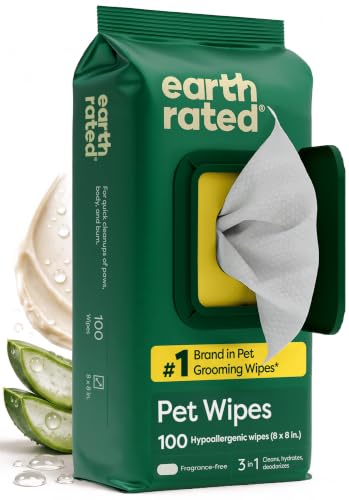
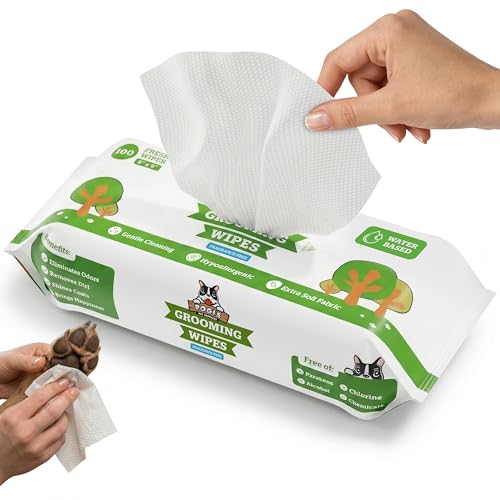
The best way to support your dog’s self-cleaning is regular brushing, which removes loose hair, dirt, and debris that licking can’t fully handle. If your dog gets muddy or smells strongly, a dog-safe shampoo bath helps reset hygiene without stripping natural oils too aggressively. After outdoor time, you can wipe paws and sensitive areas with a pet-safe grooming wipe to reduce dirt buildup.
Why do dogs lick themselves so much, and when is it too much?
Dogs lick themselves to groom their fur, soothe skin irritation, and manage small messes like food residue. But excessive licking can signal skin allergies, fleas, hot spots, infections, or pain from an underlying issue. If licking becomes frequent, causes redness, causes hair loss, or your dog seems uncomfortable, it’s a good idea to contact a veterinarian to rule out causes.
Which parts of a dog’s body do they clean most often, and why?
Dogs most often clean areas they can easily reach, such as the legs, paws, belly, and sides of the body, using licking and chewing motions. They may also groom their face and ears to remove moisture and debris, though they can’t fully clean deep ear canals. Paws are especially important because they collect mud, grass, and chemicals, and frequent licking can help remove particles but also irritate skin if overdone.
How can I safely tell the difference between normal dog grooming and a dirty dog?
Normal grooming usually looks like occasional licking or brief scratching, with no strong odor, no visible irritation, and a generally clean coat texture. A dog may be truly “dirty” if you notice persistent bad smells, heavy matting, visible grime in the fur, or oily residue that brushing doesn’t remove. If your dog’s coat is consistently dirty despite self-grooming—or if you see skin redness, scabs, or swelling—consider a bath, targeted cleaning (like paw wiping), and professional advice if symptoms persist.
📅 Last Updated: September 21, 2026 | Topic: how do dogs clean themselves | Content verified for accuracy and freshness.
References
- https://scholar.google.com/scholar?q=dogs+self-grooming+licking+saliva+hygiene Google Scholar
- https://scholar.google.com/scholar?q=canine+grooming+behavior+autogrooming+study Google Scholar
- https://scholar.google.com/scholar?q=dog+saliva+antimicrobial+properties+wound+cleaning Google Scholar
- https://en.wikipedia.org/wiki/Dog_grooming
- https://en.wikipedia.org/wiki/Grooming_(animal
- https://en.wikipedia.org/wiki/Licking
- https://www.britannica.com/animal/dog
- https://pubmed.ncbi.nlm.nih.gov/?term=canine+grooming+behavior
- https://pubmed.ncbi.nlm.nih.gov/?term=dog+saliva+antimicrobial+properties
- https://scholar.google.com/scholar?q=how+do+dogs+clean+themselves Google Scholar
