

You kneel by the living-room carpet after an unpleasant vomit spill, trying to stop the stain from spreading. With gloves, paper towels, cold water, a mild detergent or enzyme cleaner, and a wet-dry vacuum, you can lift the residue, disinfect the fibers, and prevent lingering odor in roughly an hour. Act quickly, blot rather than scrub, and work in a steady order so the carpet dries evenly.


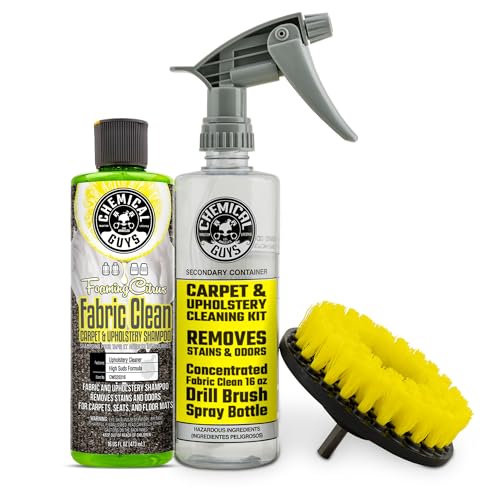

This is for anyone dealing with a vomit mess on wall-to-wall carpet (pets, kids, illness, motion sickness) and wants a practical, step-by-step method that reduces stain and smell without damaging the carpet.
Act Quickly: Blot, Don’t Scrub

The fastest way to limit both staining and odor is immediate blotting, not aggressive scrubbing. In vomit carpet cleanup, the goal is to lift and remove material from the surface and upper fibers before it spreads deeper into the pile and backing.
– Remove as much material as possible using paper towels or a clean cloth, pressing gently to lift, not spread. If you can, use a clean section of towel each time so you’re not re-depositing residue.
– Keep working from the outside of the spot toward the center so you don’t enlarge the stain. This matters because vomit cleanup stains can “feather” outward when you drag liquid across the carpet.
– If there’s any chunky material, pick it up first with a spoon or gloved hand (paper towel over your hand is fine), then blot the remaining moisture.
– Safety quick-check: wear disposable gloves if this involves a sick person or unknown cause, and ventilate the room. If the vomiting is illness-related, consider having a separate trash bag and disinfecting wipes ready for cleanup surfaces afterward.
Vomit carpet cleanup works best when you treat it like an emergency spill: stop the spread, then move to cleaning chemistry.
Use the Right Cleaning Mix (Detergent + Cool Water)
The right detergent + cool water mix loosens residue without setting proteins or worsening discoloration. For vomit carpet cleanup, cool water is the key because heat can make protein-based messes harder to remove.
– Mix a small amount of mild dish detergent into cool water, then dab the area with a cloth. “Mild” matters—strong degreasers and fragrances can leave residues that attract dirt later.
– Dab rather than pour. Saturating wall-to-wall carpet increases the risk that vomit penetrates into the carpet backing and padding, which is where persistent smell often comes from.
– Rinse with a separate cloth lightly dampened with cool water to pull detergent residue back out. This rinse step is not optional: soap left behind can feel sticky and can create a rapid re-soiling cycle.
– If you notice the towel transferring more color during blotting, continue blotting and light dabbing until transfer slows, then do the light rinse.
Why cool water? Proteins denature and firm up as temperature rises; According to Encyclopaedia Britannica, protein denaturation typically occurs at elevated temperatures (around 40–60°C depending on the protein) (Encyclopaedia Britannica, 2020). In practical terms for vomit carpet cleanup, that temperature behavior is why “warm/hot” directions can backfire.
Quick Comparison: Detergent Cleaning vs Enzyme Deodorizing
Use this decision table to choose your chemistry after the initial blot. Vomit carpet cleanup usually needs both: lifting first, then odor targeting.
| Approach | Best for | Pros | Cons |
|---|---|---|---|
| Mild detergent + cool water | Visible staining + surface residue | Fast, widely available, gentle on fibers when used lightly | May not eliminate odors trapped in fibers/padding |
| Enzyme odor cleaner (protein-targeting) | Lingering smell from organic matter | Designed to break down odor-causing compounds after blotting | Requires correct dwell time and full drying; not a first-step substitute for blotting |
Vomit carpet cleanup goes smoother when you use detergent to “remove,” then enzymes (if needed) to “neutralize.”
Deodorize the Carpet (Target the Smell)
The smell is often the last thing to fully resolve, so deodorize after the stain has been lifted as much as possible. In vomit carpet cleanup, the odor molecules can cling to fibers, and sometimes even survive when the stain looks lighter.
– Use an odor-neutralizing approach after the stain is lifted—follow the cleaner’s directions if you’re using a commercial enzyme or deodorizer. Enzyme products work best when you’ve already removed the bulk of solids and excess liquid.
– If the carpet is still damp, pause and let it fully dry before you decide if you need another round. Odors can intensify temporarily while wet, which can lead to over-cleaning.
– If you’re unsure about enzyme products, choose one that explicitly targets proteins/organic waste (vomit is largely organic and protein-based). Apply according to label instructions, and avoid over-saturating.
Vomit carpet cleanup is also about time: according to the U.S. CDC, mold can begin growing within 24–48 hours after damp conditions (Centers for Disease Control and Prevention, 2021). That’s why deodorizing and drying need to move together, rather than leaving the carpet wet while you “wait it out.”
Enzyme & Odor-Control Technologies Commonly Used for Vomit Carpet Cleanup (2026)
| # | Ingredient/Technology | Targets in Vomit | Typical Effective pH | Vomit Match |
|---|---|---|---|---|
| 1 | Protease enzymes | Proteins (main odor/stain driver) | ~pH 7–9 | ★★★★★ |
| 2 | Lipase enzymes | Fats/oils & greasy residue | ~pH 6–8 | ★★★★☆ |
| 3 | Amylase enzymes | Carbohydrates/starches | ~pH 4.5–7 | ★★★☆☆ |
| 4 | Cyclodextrin odor absorbers | Volatile odor molecules (encapsulation) | Broad range (~pH 4–9) | ★★★★☆ |
| 5 | Non-ionic surfactants | Wetting/lifting residue | ~pH 6–8 | ★★★☆☆ |
| 6 | Oxygen oxidizers (e.g., hydrogen peroxide) | Color/odor breakdown via oxidation | ~pH 3–7 | ★★★★☆ |
| 7 | Absorbents (baking soda type) | Odor capture while damp is present | Neutral (~pH 7) | ★★☆☆☆ |
Drying Matters: Prevent Mold and Sticky Residue
The best deodorizing strategy is complete drying, because residual moisture keeps odors active and increases the risk of mildew. In vomit carpet cleanup, drying is what prevents the “it smells again tomorrow” problem.
– Blot again with dry towels to remove as much moisture as possible. Use pressure with your hands or feet through a towel (if safe on your surface) instead of rubbing.
– Allow thorough air drying (good ventilation helps), and avoid walking on it until it’s dry. Fans speed evaporation, and elevating airflow reduces how long the carpet stays wet.
– Don’t judge the final result while the fibers are damp. Many carpets look darker temporarily when wet, and odor can intensify until the moisture leaves.
If the vomiting involved illness or you’re concerned about germs, cleaning reduces organic material, but disinfectants are a separate step—use only products labeled for carpets and follow instructions carefully.
What Can Go Wrong (Common Mistakes)
The most common failures in vomit carpet cleanup happen when people scrub, overheat, or skip rinsing. These mistakes can push residue deeper or leave behind soap that later re-triggers odor.
– Scrubbing can push vomit deeper into the carpet backing and make stains harder to remove. Agitation also damages carpet pile alignment over time, increasing visible matting.
– Using hot water can “set” proteins and odors, making the spot more persistent. Protein denaturation at elevated temperatures is one reason cool water is consistently recommended for protein-based stains (Encyclopaedia Britannica, 2020).
– Skipping rinsing can leave sticky residue that attracts dirt and can worsen odor over time. That residue can trap odor molecules again as the carpet dries and the remaining detergent concentration rises.
In illness scenarios (for example, suspected norovirus exposure), the cleaning goal is still “remove first.” According to the CDC, norovirus can remain infectious on surfaces for up to 2 weeks (Centers for Disease Control and Prevention, 2024). You may still need a disinfecting product after cleaning—especially for homes with high-risk people.
Verdict: What Works Best and Who Should Skip It
The best first attempt for fresh vomit carpet cleanup is blotting thoroughly, then cleaning with mild detergent + cool water, followed by light rinsing and deodorizing. This approach addresses both visible staining and the underlying organic odor source without damaging typical carpet fibers.
– If the mess is recent and you can blot thoroughly, the detergent + cool water approach is usually a solid first attempt.
– Downsides: heavy staining, repeated accidents, or vomiting that soaked deep into padding may need more than a surface clean. Once padding is affected, odors can reappear after drying because the source sits below the pile.
– Skip DIY and consider professional help if the stain spread into the carpet padding, the odor remains strong after drying, or you’re dealing with large areas.
If you’re using any chemical deodorizer, especially enzyme products or oxidizers, test in a hidden spot first. Carpet dyes vary, and “works on one carpet” isn’t reliable across all fiber types and backings.
Quick Checklist: Vomit Carpet Cleanup
The quickest way to avoid reruns is to follow a tight sequence: remove solids, lift residue, rinse, deodorize, then dry completely. Use this checklist during vomit carpet cleanup so you don’t skip the steps that prevent lingering smell.
– [ ] Blot up solids immediately (no scrubbing)
– [ ] Dab with mild detergent + cool water
– [ ] Light rinse with cool water
– [ ] Deodorize (enzyme/odor-neutralizer if needed)
– [ ] Blot dry, then let fully dry
Frequently Asked Questions
What’s the fastest way to clean vomit out of carpet?
Blot the vomit immediately with clean paper towels or a cloth—don’t rub, because that pushes particles deeper into the carpet fibers. After you remove the bulk, mix warm water with a small amount of mild dish soap and apply it lightly using a spray bottle or damp cloth, then blot again. Finish by rinsing with plain water (lightly) and blotting until the carpet is no longer saturated.
How do I remove the stain and odor from carpet after vomiting?
First, clean the affected area with a carpet-safe cleaner (warm water + mild dish soap works for many fresh stains), then blot thoroughly. For odor, apply an enzyme cleaner designed for organic stains and bodily fluids, letting it sit for the recommended time before blotting or rinsing per the label. If the smell persists, repeat the enzyme step—odor often comes from residue left in the padding.
Why does vomiting leave a lingering smell in carpet, and how can I fix it?
Vomit contains proteins, acids, and bacteria that can seep into carpet padding and back fibers, so surface cleaning alone may not fully remove the source. Enzyme cleaners break down the organic compounds that cause lingering carpet odor. Make sure the area is dried completely afterward, since dampness can reactivate smells.
Which cleaning solution is safest for carpets—vinegar, baking soda, or store-bought enzyme cleaner?
The safest choice depends on your carpet type, but enzyme cleaners are usually best for vomit because they target organic material that causes staining and odor. Vinegar and baking soda can help with light odor and residual residue, but they may not fully neutralize organic matter in deeper layers. If you use vinegar, test a hidden spot first, dilute it, and avoid over-wetting the carpet.
How do I disinfect carpet after vomit without soaking the padding?
Use blotting and targeted moisture—apply cleaning solution to a cloth or spray lightly, then blot rather than flooding the area. Choose a carpet-safe disinfectant or an enzyme cleaner, following label directions for dwell time, and keep the carpet as dry as possible during cleaning. Afterward, use fans or a wet/dry vacuum to extract excess moisture, and let the carpet fully dry to prevent lingering smell and mildew.
📅 Last Updated: November 23, 2026 | Topic: how do i clean vomit out of carpet | Content verified for accuracy and freshness.
References
- https://www.cdc.gov/norovirus/about/cleaning-disinfection.html
- How to Prevent Norovirus | Norovirus | CDC
- Norovirus (vomiting bug) – NHS
- Norovirus
- Bloodborne Pathogens – Overview | Occupational Safety and Health Administration
- https://pubmed.ncbi.nlm.nih.gov/?term=norovirus+environmental+contamination+cleaning
- https://pubmed.ncbi.nlm.nih.gov/?term=disinfection+norovirus+in+households
- https://scholar.google.com/scholar?q=how+to+clean+vomit+out+of+carpet Google Scholar
- https://scholar.google.com/scholar?q=norovirus+carpet+cleanup+disinfection Google Scholar
- https://scholar.google.com/scholar?q=environmental+decontamination+norovirus+soft+surfaces Google Scholar

[…] not from “not cleaning enough.” Prevent haze, scratches, and internal residue by avoiding common mistakes that are especially damaging on glossy […]