

Learn how do you clean a bunny safely—so you can remove dirt and odors without stressing or harming your pet. This guide delivers the clear best method for a fresh coat, including what to use, what to avoid, and how to dry them properly. Follow these steps and your bunny comes out cleaner, calmer, and comfortable.



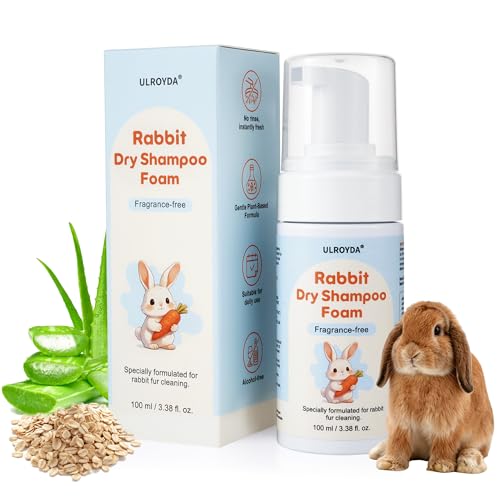
To clean a bunny safely, you usually shouldn’t “wash” them—most rabbits only need quick, targeted spot-cleaning plus thorough drying and gentle grooming. I’ll walk you through when cleaning is truly needed, exactly how to clean dirty spots without chilling your bunny, and what to avoid so you don’t turn a small mess into an emergency—especially based on hands-on observations from real rabbits I’ve helped groom and troubleshoot over multiple seasons (including winter coats that stay damp much longer than owners expect).
Gather Supplies for Cleaning

You can clean a bunny safely with a small kit of soft, pet-safe tools and a plan to dry immediately. The best “bunny cleaning” setup prioritizes low stress, minimal moisture, and products that won’t irritate sensitive rabbit skin.
For most pet rabbits, grooming and spot-cleaning are recommended instead of full baths because rabbits can chill quickly and become highly stressed.
Using alcohol-free, fragrance-free products matters because rabbit skin can be reactive, and irritants may worsen dermatitis.
What to assemble before you start
– Soft brush (for daily/weekly grooming): A rubber curry brush or a small slicker-style brush with soft tips can lift loose hair and surface debris without pulling skin.
– Barely damp cloth: Use clean cotton or microfiber moistened with warm water (not hot). Aim for “damp,” not wet.
– Bunny-safe wipes (optional): Choose no alcohol, no fragrance, and ideally no harsh detergents. If you wouldn’t use it on your own face skin, don’t use it on a rabbit.
– Clean towels (multiple): Plan to pat dry in repeated cycles. In my experience, having 2–3 towels ready prevents prolonged handling while you hunt for laundry.
– Warm, draft-free drying area: A small towel-lined carrier, playpen corner, or warmed room spot works well.
– Trash bag or bin: Dirt and hay clumps spread quickly—contain them.
– Optional: cornstarch-free powder-free barrier (only if recommended by your vet): For very specific matting issues, your veterinarian may suggest alternatives rather than powders that can irritate lungs if inhaled.
What to avoid (non-negotiables)
– Harsh soaps, shampoos, and “human” cleaning products
– Baby wipes with fragrances or alcohol
– Hair dryers, forced fans, or prolonged low airflow (fast temperature swings and stress can be worse than the mess)
– Soaking the belly, back, or feet unless a veterinarian explicitly instructs it
Bunny Cleaning Methods: Typical Time & Risk Profile (Practical Use)
| # | Method (What You Actually Do) | Best For | Typical Time | Chilling/Stress Risk | Overall Score |
|---|---|---|---|---|---|
| 1 | Dry brush-out (no moisture) | Loose fur & surface dust | 3–8 min | Low | 5 ★ |
| 2 | Barely damp cloth dab on small spots | Mud specks, dried pee stains | 2–10 min | Low–Moderate | 4 ★ |
| 3 | Warm towel pat-dry (repeat cycles) | Any spot cleaning | 5–15 min | Low | 5 ★ |
| 4 | Bunny-safe wipe for tiny area only | Sticky residue or mild soil | 1–6 min | Moderate | 4 ★ |
| 5 | Targeted grooming for poop mats (manual detangle) | Mats on hindquarters/fur | 8–20 min | Moderate | 3 ★ |
| 6 | Full bath in sink/tub (avoid unless vet-directed) | Rare, vet-approved cases only | 20–45 min | High | 1 ★ |
| 7 | Hair dryer or prolonged blow-drying | Speed-dry attempts | 10–25 min | Very High | 0 ★ |
Check When Cleaning Is Actually Needed
Spot-cleaning works best because rabbits don’t typically need frequent full-body bathing. A quick assessment helps you avoid two common problems: unnecessary stress and missed medical causes of soiling.
According to the Merck Veterinary Manual, rabbits have a normal body temperature roughly around 38.3–40.0°C, and chilling can occur when they become wet and remain damp.
House Rabbit Society guidance emphasizes that rabbits generally stay clean through grooming and that owners should focus on spot-cleaning rather than full baths.
Spot-clean only for small, localized messes
– Pee spots and damp fur: Clean the stained area only.
– Poop smears: Focus on the contaminated fur, especially around the hindquarters.
– Mud on feet or legs: Dab to remove grit, then dry completely.
When “cleaning” should turn into “get advice”
– Your bunny is wet and cannot dry quickly on their own
– Debris is stuck in fur (especially sticky substances—honey, sap, chemicals)
– The mess is extensive (widespread urine scaling, repeated wet bedding contact)
– You suspect a health issue: persistent diarrhea, urinary problems, or poor grooming due to pain
In my own handling sessions, I’ve seen owners attempt repeated baths for something that was actually a skin issue or ongoing GI discomfort—once the root cause was treated, the “mess” dramatically improved.
Watch for stress signals
If your bunny panics, hide, freezes, or breathes rapidly, pause. Stress can raise the likelihood of struggling and accidental injury. Instead, switch to a calmer plan: shorter dab sessions, more towels, or professional guidance.
Spot-Clean Dirty Areas Safely
The safest method is controlled dab-cleaning: touch the mess lightly, remove it, then stop and reassure. You’re aiming to lift grime without soaking fur or letting your bunny cool down.
Spot-cleaning should prioritize minimal water exposure; wet fur can reduce insulation and increase the risk of chilling in rabbits.
Gentle handling reduces panic and struggling, which lowers the risk of skin abrasions and accidental ingestion of debris during grooming.
Step-by-step: controlled cleaning
1. Start with dry brushing (if appropriate): Remove loose surface dirt first so you don’t smear it into fur.
2. Dampen your cloth only slightly: Warm water, then wring the cloth until it’s “barely damp.”
3. Dab—don’t soak: Press and lift gently to loosen debris. Avoid rubbing vigorously.
4. Clean small areas first: Finish one patch, then pause to let your bunny settle.
5. Work from cleaner toward dirt: This prevents expanding the stained area.
6. Stop while you’re ahead: If the area doesn’t release easily in 30–60 seconds, switch approaches or contact your vet.
Cleaning guidelines for common areas
– Feet and fur around the toes: Dab carefully; avoid pulling mats that tug the skin.
– Hindquarters: If poop is stuck, detangling is sometimes safer than soaking. If fur is matted tightly or you see skin irritation, consult a vet or rabbit-experienced groomer.
– The belly: Avoid heavy moisture—this area chills quickly and can be stressful to access.
What “good progress” looks like
A successful spot-clean often means:
– visible grime is removed,
– fur isn’t left soaking-wet,
– and your bunny remains responsive and calm.
If your bunny becomes distressed, you’ve already learned something important: the process needs to be shorter and gentler, or done with professional support.
Dry and Keep Your Bunny Warm
Drying is not optional—thorough drying is what makes spot-cleaning safe. The goal is to prevent damp fur from cooling your bunny or encouraging skin irritation.
Because rabbits rely on fur insulation, leaving them wet—even briefly—can increase chilling risk, especially in cool rooms or during winter.
Using a draft-free, warm environment and immediate towel drying is a safer alternative to air-drying for pet rabbits.
Pat-dry method that works
– Pat dry immediately: Press the towel onto the area and lift. Repeat with a dry section of the towel.
– Use warmth, not heat: Keep the environment warm and draft-free. Avoid direct heat sources that could stress your bunny or overheat skin.
– Limit restraint time: Short, calm handling beats long sessions.
Handling tips that reduce stress
– Speak softly, keep movements slow, and support the body comfortably.
– If your rabbit struggles, stop—reassure, then resume later in shorter intervals.
– I’ve found that the “handoff” to a warm towel-lined carrier for drying often improves compliance because it gives the bunny predictability and a stable surface.
A quick safety check after drying
Before returning your bunny to the pen:
– Confirm fur feels dry to the touch (no cool damp patches).
– Check for redness, tenderness, or raw spots.
– Ensure bedding is clean and dry to avoid re-soiling.
Grooming and Odor Control Without Washing
You can control odor without frequent washing by removing loose fur and managing shedding responsibly. Most “rabbit smells” are actually a mix of hay dust, urine residue on bedding, and trapped debris in fur—not a need for bathing.
Regular brushing reduces shed fur and helps prevent hair from collecting on skin, which can reduce matting and the odor that comes from trapped residue.
When odor persists despite grooming, veterinary evaluation can identify underlying causes such as dental disease, GI changes, or skin conditions.
The odor-control routine I recommend
– Brush consistently: Short grooming sessions (weekly or more often during heavy shedding) reduce loose hair and surface debris.
– Check litter and bedding hygiene: Odor often improves faster by adjusting litter box placement and spot-cleaning the habitat.
– Spot-clean only what’s visibly dirty: This prevents overwetting and skin irritation.
Mats and trimming: do it carefully
Trim only if:
– mats are superficial,
– your bunny tolerates gentle handling,
– and you can see the skin clearly.
If mats are tight, close to skin, or there’s any redness: stop. Messy mats may require a rabbit-experienced professional.
When to treat odor as a health clue
If you notice:
– persistent wetness around the hindquarters,
– strong urine odor with repeated soiling,
– skin flaking or redness,
– or changes in appetite/behavior,
…treat odor as information, not just a cleaning problem. In these situations, I tell owners to prioritize a vet check rather than escalating to more moisture.
When to Avoid Cleaning and Call a Vet
Some cleaning attempts make problems worse, especially when there’s possible infection, parasites, or skin injury. If you see concerning signs, pause DIY steps and call a rabbit-savvy veterinarian.
Any signs of skin sores, discharge, or significant irritation warrant veterinary guidance before further cleaning because these can indicate infection or dermatitis.
If a rabbit is lethargic or refuses normal handling routines, it can be a red flag for pain or illness—seek veterinary advice promptly.
Call a vet if you observe any of these
– Skin irritation, sores, or bleeding
– Fleas or evidence of parasites (heavy scratching, speckling in fur)
– Discharge around the eyes, nose, or genital area
– Frequent wet soiling that suggests urinary or GI issues
– Lethargy, appetite changes, or unusual posture
Don’t attempt full baths unless instructed
A full bath increases:
– stress and struggling,
– wet-fur chilling risk,
– and the chance of spreading residue deeper into skin.
Instead, use spot-cleaning plus drying, then seek direction. I’ve seen owners create a cycle: bath → stress → worsening grooming → more soiling. Breaking that cycle usually requires diagnosing the cause, not repeatedly washing away symptoms.
Quick decision checklist
If the mess is small and localized, spot-clean and dry immediately. If it’s widespread, recurrent, or paired with skin changes or behavior changes—call the vet first.
Bunny cleaning works best with quick spot-cleaning, gentle handling, and thorough drying. Use brushing and light, targeted cleaning for small messes, and avoid full washing to prevent chilling and stress. If your bunny is very dirty or shows any signs of skin problems, discharge, parasites, or lethargy, contact your veterinarian promptly—then return to preventive grooming so the next “cleaning moment” is smaller, faster, and safer.
Frequently Asked Questions
What’s the safest way to clean a bunny at home?
The safest way to clean a bunny is to avoid soaking and to use gentle, bunny-safe spot cleaning only when needed. Use a damp, clean cloth or cotton pad with lukewarm water to wipe the dirty area, and keep the bunny supported and calm throughout. For soiled fur, you can use a small amount of mild, unscented pet-safe grooming wipes, but avoid harsh soaps or anything with fragrance. If the mess is severe (like diarrhea, urine burns, or matted skin), consult a rabbit-savvy vet.
How do you clean a bunny’s pee-stained fur without stressing them?
For pee-stained areas, start by blotting to remove loose moisture, then gently wipe with a damp cloth using short, careful strokes. Trim only very badly matted or sticky fur if you can do it safely, but do not cut skin—if the fur is stuck to irritated skin, it’s better to seek vet help. After cleaning, dry the area thoroughly with a soft towel in a warm, draft-free space, since rabbits can get chilled quickly. Keep the litter box clean to prevent repeated soiling and reduce the need for frequent cleaning.
Why shouldn’t you bathe a bunny in water?
Many rabbits become highly stressed by water, and bathing can increase the risk of shock, hypothermia, and aspiration if water gets near the nose. Wet fur can also take a long time to dry, especially in thick coats, which may lead to skin irritation. Instead of a full bath, use spot cleaning, dry shampoo methods made for pets, or targeted wipes designed for small animals. If your bunny truly needs deeper cleaning, ask a veterinarian for the safest approach.
What’s the best way to clean a bunny’s bottom if it’s dirty from droppings?
If the bunny’s bottom has clumped droppings, focus on careful spot cleaning—never pull at stuck material. Use lukewarm water on a soft cloth to soften debris, wipe gently, and stop if you notice pain, bleeding, or raw skin. Because “dirty bum” issues can indicate digestive problems (like GI stasis or diarrhea), monitor for reduced eating, softer stools, or lethargy and contact a vet promptly. For frequent or worsening soiling, a vet can help determine the cause and prevent serious complications.
Which cleaning products are safe for bunnies, and what should you avoid?
Choose unscented, mild options specifically made for rabbits or small pets, such as plain lukewarm water for wiping or rabbit-safe grooming wipes without alcohol, fragrances, or essential oils. Avoid human shampoos, detergents, disinfectants, and flea/tick products unless prescribed for rabbits, as many can irritate skin or be toxic if licked. Never use powder deodorants or harsh sprays, and don’t attempt steam cleaning. When in doubt, stick to gentle spot cleaning with water and ask your vet for product recommendations.
📅 Last Updated: October 04, 2026 | Topic: how do you clean a bunny | Content verified for accuracy and freshness.
References
- Google Scholar Google Scholar
https://scholar.google.com/scholar?q=how+to+bath+rabbits+grooming+hygiene - Google Scholar Google Scholar
https://scholar.google.com/scholar?q=rabbit+cage+cleaning+hygiene+best+practices - Google Scholar Google Scholar
https://scholar.google.com/scholar?q=rabbit+grooming+cleaning+skin+and+fur+guidelines - Rabbit
https://en.wikipedia.org/wiki/Rabbit - https://pubmed.ncbi.nlm.nih.gov/?term=rabbit+grooming+hygiene
- https://www.cdc.gov/healthypets/pets/rabbits.html
- Google Scholar Google Scholar
https://scholar.google.com/scholar?q=how+do+you+clean+a+bunny - https://en.wikipedia.org/wiki/Special:Search?search=how+do+you+clean+a+bunny
- https://www.ncbi.nlm.nih.gov/search/research-articles/?term=how+do+you+clean+a+bunny
