

You brush off cue chalk and see dark smudges where shots gathered, and the felt no longer looks even. With a gentle vacuum, a soft-bristle brush, and the right felt-safe cleaner, you can lift residue without crushing the nap. Plan about 20 minutes, work in small sections, and blot rather than scrub.



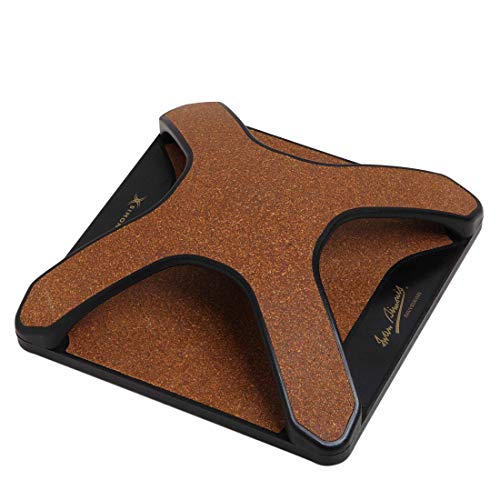
Clean felt by doing gentle dry brushing/vacuuming first, then spot-cleaning stains lightly with a barely-damp cloth and mild cleaner. Avoid soaking the felt—too much moisture can loosen the backing and leave rings. This guide will walk you through a safe, practical routine for day-to-day grime and common stains.
If you’ve got a pool table with dull, dusty felt or visible spots from chalk, drinks, or general use, this is for you. It’s written to help you clean without damaging the nap or causing permanent discoloration—especially if you don’t want to replace the cloth.
Who this advice is for (and what to check first)

This advice is for players, pool operators, and home owners who want to restore felt appearance without turning a small stain into a permanent halo. It also fits “regular cloth” maintenance—when you’re not dealing with a full replacement scenario or manufacturer-mandated restoration.
– Use these steps if your table has standard felt (often wool blend) and you want routine cleaning plus stain removal.
– Before you start, check the cloth/manufacturer care instructions (or the installer’s notes) and follow those first if they conflict with anything here.
– If you’re unsure whether a stain is from dye, mildew, or a chemical spill, treat it more cautiously and spot-test cleaner in an unseen area.
As of 2026, this “dry first, minimal moisture second” approach aligns with how textile cleaning best practices protect fiber structure and backing integrity. Wool is a good example: according to Woolmark, wool can absorb up to 30% of its weight in moisture before feeling damp (Woolmark). That’s exactly why soaking is risky—felt can hold more water than you expect, then dry unevenly.
Prep the table so you don’t spread grime
Before you clean, you should remove loose items and control where dust and moisture go so you don’t make the stain larger. In practice, preparation is what keeps a careful spot-clean from becoming a full-table cleanup.
– Clear the table surface and remove balls, rack/brush items, and anything sitting on the cloth.
– Use a soft brush attachment or gentle tool (not a hard rotating brush) so you lift dust without crushing the fibers.
– Plan to work in small areas and have a clean towel ready for blotting—wet felt needs immediate control.
From my experience maintaining tables for leagues and casual play nights, the biggest “oops” comes from cleaning around the stain first—dust shifts, the nap looks different in one zone, and the contrast becomes more noticeable than the original mark. So we start with a clean workspace mindset: separate “lifting dirt” from “treating a spot,” and keep both controlled.
Dry cleaning first: brush and vacuum correctly
Start with dry cleaning to lift chalk dust and loose debris before you introduce any liquid. This prevents gray dust from turning into a smeary film that’s harder to remove.
– Brush the felt lightly in one direction to lift chalk dust and loose debris before it gets pushed deeper.
– Vacuum with low suction and a soft brush head, keeping the tool moving so you don’t abrade the nap.
– Finish the dry step by checking under bright light—if staining is still visible, move to spot-cleaning instead of adding more water.
A low-suction vacuum matters because felt nap (the “fuzzy” fiber surface) is easily compressed. If you crush it with aggressive suction or scrubbing, you change how light reflects off the cloth and how the ball contacts the surface. As of 2026, many home table owners buy stronger vacuums than they actually need—then use the wrong attachment. For felt, you want gentle agitation that lifts, not grinds.
Practical tool setup (quick guidance)
Use a soft brush head, microfiber cloths, and a spray bottle only for the cloth—not the felt. If your mild cleaner comes in a bottle, apply it to the cloth first so the felt never gets drenched.
Spot-cleaning felt stains (the safe way)
To remove stains safely, blot with a barely-damp microfiber cloth and a mild cleaner—never scrub aggressively and never soak. This method protects the backing and minimizes the chance of a visible ring.
– Blot (don’t rub) with a barely damp microfiber cloth; use only a mild cleaner appropriate for fabric, and test on a hidden spot first.
– Work from the outside of the stain toward the center to prevent the stain from spreading.
– If the stain doesn’t lift quickly, stop and reassess—trying over and over is how you end up with a bigger, darker “halo.”
What “barely damp” should look like
Barely-damp means you can see the cloth is damp, but you’re not leaving wet tracks. If you squeeze the cloth and liquid drips, it’s too wet. If the stain is chalky, the best first step is still dry brushing—wetting chalk often transfers pigment and creates a paste-like residue.
Why haloing happens (and how to prevent it)
Haloing usually results from two mechanisms:
1. Pigment migration: dye or soluble components spread outward when moisture carries them.
2. Residue concentration: cleaner leaves behind a film that dries differently than the surrounding fibers.
When that happens, you’ll see a ring even after the center looks better. That’s why you blot, you go outward-in, and you limit how long you keep “working” the same spot.
Safety on common stain categories
– Chalk/dust discoloration: dry brushing first; if a faint mark remains, use very light blotting with mild fabric cleaner.
– Beverage spills (juice/coffee/soda): act fast—blot immediately, then treat with minimal moisture.
– Grease or oily fingerprints: avoid strong degreasers; spot-test and keep moisture minimal so you don’t dissolve and redistribute oils.
Deep cleaning without soaking the cloth
If grime is heavier than normal dust, you can deepen the clean—but only in controlled sections and with immediate blot-drying. The goal is to reduce residue and refresh the fibers without saturating the backing.
– For heavier grime, clean in small sections: damp cloth → blot → dry cloth blotting, repeating as needed rather than wetting the whole table.
– Rinse approach: if your mild cleaner needs rinsing, use the minimum amount of damp cloth to remove residue (residue can attract dust later).
– Let it dry fully with airflow and room conditions you can control; as needed, but avoid playing until it’s completely dry.
Textiles and damp environments can invite mildew, and felt isn’t immune. According to the U.S. CDC, mold can grow when indoor relative humidity stays above 60% for extended periods (CDC). And from water-damage guidance, the IICRC emphasizes drying materials within 24–48 hours to reduce microbial growth risk (IICRC). While your felt isn’t a flooded carpet, the principle holds: drying speed and uniform drying are part of safe cleaning.
Section-based method (what you actually do)
Work in a grid-like rhythm:
1. Dry brush/vacuum the area.
2. Apply cleaner to the cloth (not the felt).
3. Blot until the cloth stops picking up visible transfer.
4. Follow with a second, cleaner (or lightly damp) cloth to remove residue.
5. Finish with a dry cloth blot, then move on.
After the final rinse/blot step, keep the room ventilated. If fans blow directly onto the felt, use gentle airflow—not direct blasting that can fray fibers.
What can go wrong (common mistakes to avoid)
The fastest way to damage pool table felt is usually over-wetting, aggressive pressure, or using the wrong chemistry. These mistakes can permanently change color and texture, even when the stain looks “better” at first.
– Over-wetting: soaking can damage backing or leave permanent rings when the felt dries.
– Scrubbing or circular rubbing: it crushes the nap and can change how the ball rolls and how the cloth looks.
– Using the wrong chemicals: harsh solvents, carpet cleaners, or unapproved disinfectants can discolor felt—when in doubt, use only what the manufacturer allows or .
Also watch for “cleaning mismatch” problems—when you clean one small section more aggressively than the surrounding felt. That section can appear darker or shinier because the nap direction and residue levels differ.
Verdict / quick checklist (plus FAQ)
For the least-risk results, stick to dry brushing/vacuuming for everyday care and gentle, minimal spot-cleaning for stains. Skip “deep wash” methods unless you’re following the cloth’s official guidance—felt can be durable day-to-day, but it’s also easy to mark if you get aggressive with liquid or pressure.
Quick scan checklist (save this):
| Task | Do this | Avoid |
|---|---|---|
| Daily dirt | Brush one direction, low-suction vacuum | Hard scrubbing, high suction |
| Chalk dust | Dry brush first | Cleaning with liquid first |
| Stains | Blot with barely-damp microfiber; work outward | Rubbing, soaking, “more cleaner” |
| After cleaning | Dry with good airflow; don’t play while damp | Playing on damp felt |
| Unsure stain | Spot-test in hidden area | Guessing with strong chemicals |
Frequently Asked Questions
What’s the best way to clean felt on a pool table without damaging it?
Start by removing loose dust and chalk with a soft, dry brush or a clean microfiber cloth, working in the direction of the nap. Avoid soaking the felt and never use harsh chemicals, because pool table felt can be easily stained or weakened. If there are spots, treat them gently with a lightly dampened cloth and a pool-table-safe cleaner, then let the felt air-dry completely before play.
How do you remove chalk buildup from pool table felt?
Use a dedicated pool table felt brush and brush the surface lightly to lift chalk dust, then follow with a vacuum attachment designed for upholstery or a microfiber cloth to pick up remaining residue. Don’t press hard—excessive friction can fuzz or wear the fabric. For heavy chalk buildup, do multiple gentle passes rather than trying to scrub in one go.
How can you clean a stain on felt from spilled drinks or colored liquids?
Blot the stain immediately with a clean, white microfiber towel—don’t rub—so the liquid doesn’t spread deeper into the weave. Lightly dampen another part of the cloth with distilled water or a small amount of pool table felt cleaner formulated for textiles, then blot again until the stain transfers. After stain removal, air-dry the area thoroughly and avoid using heat or a hair dryer, which can cause shrinking or permanent marks.
Why should you avoid soaking pool table felt when cleaning?
Pool table felt is designed to be resilient, but it can still absorb moisture and change shape or color when saturated. Excess water can seep into the backing or frame, leading to warping, bubbling, or long-lasting discoloration. For safe pool table cleaning, use minimal moisture and always allow the felt to dry fully before putting balls back on the table.
Which tools and cleaning products are safest for maintaining pool table felt?
Use a soft felt brush, microfiber cloths, and a vacuum with a brush or upholstery attachment for routine dust removal. For spot cleaning, choose a cleaner that’s specifically labeled safe for pool table felt or upholstery fabrics, and test it in a hidden area first. Avoid bleach, ammonia, and abrasive scrubbers, as they can damage the fibers and leave rough patches that affect ball roll.
📅 Last Updated: November 23, 2026 | Topic: how do you clean felt on a pool table | Content verified for accuracy and freshness.
References
- Felt
- Billiard table
- Cue sports
- https://www.britannica.com/technology/felt
- https://pubmed.ncbi.nlm.nih.gov/?term=wool+fabric+cleaning
- wool fabric cleaning – Search Results – PMC
- https://www.sciencedirect.com/search?qs=wool%20fabric%20cleaning
- https://scholar.google.com/scholar?q=pool+table+felt+cleaning Google Scholar
- https://scholar.google.com/scholar?q=billiard+cloth+cleaning+brush+vacuum Google Scholar
- https://scholar.google.com/scholar?q=wool+felt+fabric+cleaning+care+instructions Google Scholar

 -81%
 -73%
 -70%