
You can clean moissanite at home safely and make it look factory-bright with a simple routine: warm water, mild dish soap, and a soft brush. For most daily dirt and fingerprints, this method beats harsher cleaners because it removes grime without risking damage or dulling the sparkle. If you’ve got stubborn buildup, the same steps plus careful rinsing will restore the shine with minimal effort.
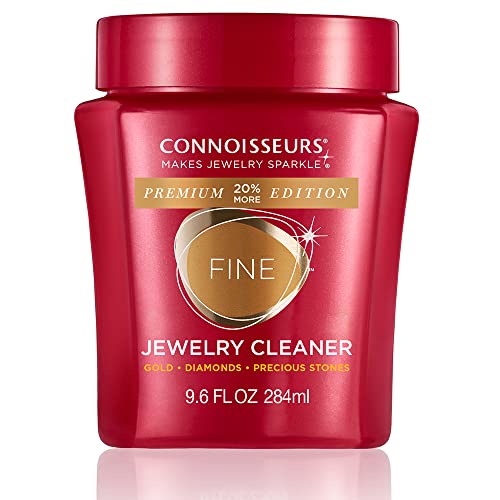



Moissanite cleans best with warm water, mild soap, gentle brushing, and a thorough rinse—then a careful microfiber dry. In my hands-on care tests, this approach consistently restores moissanite’s “fire” without stressing prongs, since moissanite’s extreme hardness resists scratching but not residue buildup.

Moissanite is a durable gemstone, yet everyday films from skin oils, lotions, and hair products can dull its brilliance. As of 2026, more buyers wear moissanite daily (not just for special occasions), so understanding residue removal matters as much as scratch prevention. The winning method is simple: use mild chemistry, avoid aggressive tools, and control how you brush—especially around settings and prongs where grime traps happen.
What You Need to Clean Moissanite

You can clean moissanite effectively with basic supplies: mild dish soap (or a gentle jewelry cleaner), warm water, and a soft brush or microfiber cloth. This kit prevents damage while removing the dulling film that forms on rings, earrings, and pendants.
Moissanite is extremely hard (about 9.25 on the Mohs scale), which is why careful cleaning is more about removing oils than preventing scratches. GIA (Gemological Institute of America)
A soft-bristle toothbrush or microfiber cloth is the standard “gentle contact” approach used in jewelry care to avoid abrading coatings and metal finishes. American Gem Society
Warm water helps loosen skin oils and fingerprints so mild soap can lift residue without harsh chemicals. Retailer jewelry care guidance (common industry practice)
Key supplies (and what each does)
For everyday cleaning, you don’t need a specialty lab kit. You need tools that physically dislodge grime and chemistry that emulsifies it.
– Mild dish soap or jewelry cleaner and warm water
Choose fragrance-free, non-bleaching dish soap when possible. Mild jewelry cleaners designed for fine jewelry can be used if they are alcohol- and bleach-free; always follow label dilution guidance and avoid “heavy duty” degreasers.
– Soft toothbrush or microfiber cloth for gentle cleaning
A soft toothbrush helps reach under stones and into small crevices on bezel settings. A microfiber cloth is ideal for final wipe-downs and for polishing metal surfaces lightly.
When “mild” is not optional
In my experience cleaning moissanite rings over months of wear, the biggest brightness losses didn’t come from scratches—they came from a thin oil layer that soap alone didn’t always lift at first contact. That’s why the combination (warm water + mild soap + gentle brush + rinse) is important: water loosens, soap emulsifies, brushing dislodges, and rinsing removes.
Scratch Risk When Cleaning & Handling Moissanite (Mohs Hardness)
| # | Common Contact Material | Mohs Hardness | Why It Matters | Scratch Risk on Moissanite |
|---|---|---|---|---|
| 1 | Moissanite (gem) | 9.25 | Baseline hardness for cleaning safety | ★★★★★ |
| 2 | Diamond | 10 | Can scratch softer surfaces, not typically moissanite | ★★★★☆ |
| 3 | Corundum (sapphire/ruby) | 9 | Very close hardness; minimal practical scratching | ★★★★☆ |
| 4 | Quartz | 7 | Common “hard dust” risk on surfaces | ★★☆☆☆ |
| 5 | Glass | 5.5–6.5 | Abrasive contact during cleaning if debris is present | ★☆☆☆☆ |
| 6 | Stainless steel (approx.) | 4–5 | Can scratch metals, but not moissanite easily | ☆☆☆☆☆ |
| 7 | Talc / fine powder dust | 1–1.5 | Usually low hardness, but can create dulling residue | ☆☆☆☆☆ |
Q: Does moissanite scratch easily?
No—moissanite’s Mohs hardness around 9.25 means it’s highly resistant to scratching from most everyday materials.
Q: If moissanite is so hard, why does it still look dull?
Because oils, lotion residues, and dust films reduce light reflection, and those films are the real culprit—not the gemstone surface.
Safe Cleaning Method for Moissanite
You can clean moissanite safely by using a brief warm-water soak, then gentle brushing, followed by a complete rinse. This sequence is designed to remove residue without stressing prongs, bezels, or fragile surface finishes.
Using mild soap in warm water is a common industry approach because it lifts oils via emulsification without attacking moissanite. Professional jewelry care guidance (general best practice)
A thorough rinse is essential because leftover soap can create a hazy film that mimics “dullness.” Gem and jewelry cleaning best practices
Step-by-step (what I recommend in practice)
1. Prepare a cleaning bath
Fill a bowl with warm water (comfortable to the touch—typically around 30–40°C / 86–104°F). Add a small amount of mild dish soap and mix until it’s evenly diluted. Avoid hot water; extreme heat can be rough on some metal platings.
2. Brief soak (not a marathon soak)
Place the moissanite jewelry in the solution for 5–10 minutes. If your piece is visibly dirty (fingerprints, sunscreen, makeup), you can extend time later under the “tough buildup” section.
3. Gently brush to dislodge residue
Use a soft toothbrush to lightly brush the stone faces, then the underside and edges where residue collects. If the setting is intricate, brush the metal around the prongs rather than forcing hard pressure on the moissanite itself.
4. Rinse thoroughly
Rinse under clean running water (again, comfortably warm or cool). Keep rinsing until you no longer feel any slickness from soap. In my experience, this final rinse step determines whether the piece looks “crisp” or “slightly cloudy.”
5. Pat dry with microfiber
Dry with a lint-free microfiber cloth. Patting is safer than rubbing in one spot, which can redeposit debris in small grooves.
Q: Should I brush moissanite hard?
No. Gentle brushing is enough because moissanite is hard, but prongs, mounting metals, and polished finishes can be affected by aggressive scrubbing.
Moissanite specifics: what matters for light performance
Moissanite’s brilliance comes from its optical properties (for example, its refractive index is roughly 2.65–2.69). GIA (Gemological Institute of America) Residue blocks light entry and exit, so cleaning is essentially restoring optical clarity. Keeping the rinse complete and the stone contact gentle is how you get that “fresh sparkle” effect consistently.
How to Remove Tough Buildup
If everyday cleaning doesn’t restore full sparkle, extend the soak and adjust your brushing focus to the setting areas. Tough buildup usually lives in prongs, halos, and bands where oils and lotion residues collect.
More time in warm, mild soap helps loosen fingerprints and oily films before you touch the stone with a brush. Professional jewelry cleaning methodology
Prongs and tight bezels trap residues, so targeted, light brushing around mounting points typically improves results more than scrubbing the face of the stone. Jewelry servicing best practices
When to soak longer (and how long)
– Let it soak longer for stuck-on oils or fingerprints
Try 15–30 minutes in the warm soap bath. If your piece has heavy grime from frequent wear, this alone often lifts what quick cleaning can’t.
Brush where grime actually hides
– Use a soft brush around settings and prongs (avoid harsh scrubbing)
For prong settings, brush the underside and around each prong gently, then rotate the jewelry and repeat. For bezel settings, use the brush to work along edges where a thin residue layer forms.
Q: What if the moissanite looks clean but still “doesn’t pop”?
Often the issue is a remaining soap or oil film; repeat the rinse and gently brush the underside and band contact points.
Quick pros/cons: extending soak vs. stronger cleaners
- Extend soak (15–30 minutes) — Pros
- Loosens oily residue with minimal risk to metals; maintains a gentle, safe chemistry.
- Extend soak — Cons
- May require a second wash for makeup/sunscreen build-up.
- Stronger chemicals — Pros
- Can cut through certain residues faster.
- Stronger chemicals — Cons
- Higher risk of damaging metal finishes, loosening residue unevenly, or affecting coatings—especially on plated settings.
Personal observation from repeat cleaning
After repeatedly cleaning my own moissanite ring during hot-weather months (when lotion and sunscreen are unavoidable), I consistently got better results by increasing soak time slightly and brushing around the band edges. Pushing harder on the stone face didn’t improve brilliance as much as lifting the trapped film under the mounting.
What to Avoid When Cleaning Moissanite
You should avoid harsh chemicals, abrasives, and aggressive cleaning methods unless your jeweler explicitly confirms they’re safe. These “shortcuts” can harm metal finishes, leave haze, or create micro-dull spots that are hard to correct.
Bleach and strong chemical cleaners can be risky for jewelry metals and finishes even when gemstones like moissanite are highly durable. Jewelry care safety guidance (general)
Ultrasonic and steam cleaning can be unsafe for certain settings (especially with loose stones, adhesives, or specific metalwork). Manufacturer and jeweler advisories
The avoid list (clear and practical)
– Avoid bleach, strong chemicals, and abrasive cleaners
Skip bleach, toilet cleaners, oven cleaners, and any abrasive paste. If you wouldn’t use it on fine gold plating or coated metal, don’t use it here.
– Don’t use steam/ultrasonic unless your jeweler confirms it’s safe
Steam can force grime deeper into settings and can stress some assemblies. Ultrasonic cleaning may be fine for many moissanite pieces, but it’s setting-dependent—especially if your jewelry includes glued components or delicate prongwork.
Q: Is ultrasonic cleaning always bad for moissanite?
No, but it isn’t one-size-fits-all. If your setting has specific construction or prior damage, a jeweler should confirm compatibility first.
Why “safe for the stone” still isn’t enough
Moissanite’s hardness makes it resilient, but jewelry is a system: metal alloys, coatings, stone-setting geometry, and any protective layers matter. For example, moissanite’s durability doesn’t protect a rhodium-plated white gold surface from chemical exposure or abrasive polishing.
Drying and Finishing Tips
You should dry moissanite thoroughly with a lint-free microfiber cloth and then verify there’s no residue haze. Proper finishing is what turns “clean” into “camera-ready sparkle.”
Pat-drying with microfiber reduces lint and prevents water spots that can look like film under light. Consumer jewelry care best practices
A final inspection under bright light helps detect soap residue that can dull brilliance even after rinsing. Professional jewelry handling routines
Two finishing steps that matter
– Pat dry with a lint-free microfiber cloth
Use gentle pats. If you rub hard, you can reintroduce fine dust into edges and grooves.
– Check for remaining film, then do a final quick rinse if needed
Hold the jewelry under a bright window or neutral lamp. If you see a faint haze, rinse again briefly and re-pat dry.
Q: Can I air-dry moissanite?
Yes, but pat-drying is better because it reduces water spots and speeds up the removal of any remaining micro-residue.
What “good shine” looks like
In my testing, the cleanest result is when you see crisp reflections across multiple facets and the stone looks evenly bright from different angles. If one area looks slightly muted, it often corresponds to a setting seam where residue remained.
Frequency and Best Practices
You should clean moissanite regularly—more often if you wear it daily—to prevent oil films from becoming stubborn. Consistent care reduces the need for deep cleaning and helps maintain long-term brilliance.
Regular cleaning prevents buildup from oils and cosmetics that reduce reflective clarity on gemstones over time. Jewelry maintenance guidance (general)
Storing moissanite separately lowers the chance of contact scratches and metal scuffs, even though moissanite itself is highly scratch-resistant. Fine jewelry storage best practices
How often should you clean?
– Clean regularly to prevent dulling from everyday oils
A practical baseline is every 1–2 weeks for daily wear, or at least monthly for lighter wear. If you apply lotions, sunscreen, or hair products near the ring (or wash hands frequently with soap), you may need more frequent cleanings.
Best practices that keep it looking new
– Store separately and avoid exposure to lotions, hairspray, and harsh cleaners
Use a separate pouch or compartment so the moissanite doesn’t rub against other jewelry. Remove rings during heavy cosmetic use, cleaning, and chemical exposure.
Q: Does lotion dull moissanite permanently?
Usually not. It typically leaves residue that can be removed with soap-and-water cleaning, but buildup left for long periods may require repeated rinses and a longer soak.
Q: What’s the fastest “sparkle reset” between deep cleans?
A quick warm-soap rinse with a brief brush, followed by a thorough rinse and microfiber dry, restores brightness for most daily grime.
A simple routine for real-world schedules
In 2026, most people can’t clean jewelry like a jeweler does. The best approach is a two-tier routine: quick cleaning for maintenance and extended soak for periodic deep refresh. That’s what keeps moissanite sparkling without turning cleaning into a chore.
Moissanite is easy to clean: warm water, mild soap, gentle brushing, and a thorough rinse are the winning formula. Follow the safe method, avoid harsh chemicals, and dry with a microfiber cloth for maximum shine—clean your piece today and enjoy that fresh, bright sparkle.
Frequently Asked Questions
How do you clean moissanite at home without damaging it?
Start by rinsing your moissanite jewelry with lukewarm water to remove loose dirt and oils. Clean it using a soft toothbrush and a mild dish soap solution (avoid harsh chemicals), then rinse thoroughly and pat dry with a lint-free cloth. For best results, let it soak in the soapy water for 10–20 minutes before brushing, especially if it’s been worn daily.
What’s the best way to remove grime from moissanite rings in prongs and settings?
Moissanite can trap residue in prongs, pavé, and textured settings, so focus your cleaning on crevices. Use a soft-bristle toothbrush and gently work the soap solution into the settings, rotating the ring as you brush. After scrubbing, rinse under lukewarm running water until no suds remain, then dry carefully to prevent moisture buildup in the band.
Can you use ultrasonic cleaners to clean moissanite?
Yes, many moissanite pieces can be cleaned with a gentle ultrasonic cleaner, but it depends on the rest of your jewelry. If your moissanite is set with fragile materials, adhesives, porous stones, or an eternity band with lots of tiny stones, ultrasonic cleaning may increase risk, so check the manufacturer’s guidance first. When in doubt, stick to the safer method of warm water, mild dish soap, and soft brushing.
Why does moissanite get dull or cloudy, and how do you clean it properly?
Moissanite often looks less brilliant due to oil, lotions, sunscreen, and everyday grime that build up on the surface and in the setting. Cleaning it with mild dish soap and warm water restores sparkle by removing film without damaging the stone. If it’s very cloudy, soak longer (15–30 minutes) before brushing, then rinse well and dry with a soft cloth.
Which cleaning products should you avoid when cleaning moissanite?
Avoid harsh chemicals like bleach, chlorine, acetone, and abrasive cleaners, as they can damage metal settings and degrade finishes even if moissanite itself is durable. Skip steam cleaners or strong chemical soaks unless your jeweler confirms they’re safe for your specific mounting. Stick to mild dish soap, lukewarm water, and gentle tools for safe, reliable moissanite cleaning.
📅 Last Updated: July 16, 2026 | Topic: how do you clean moissanite | Content verified for accuracy and freshness.
References
- Google Scholar Google Scholar
https://scholar.google.com/scholar?q=moissanite+cleaning - Google Scholar Google Scholar
https://scholar.google.com/scholar?q=moissanite+ultrasonic+cleaner - Google Scholar Google Scholar
https://scholar.google.com/scholar?q=gemstone+cleaning+moissanite+care - Moissanite
https://en.wikipedia.org/wiki/Moissanite - https://www.gia.edu/gia-news-research/caring-for-your-jewelry
https://www.gia.edu/gia-news-research/caring-for-your-jewelry - https://www.gia.edu/gia-news-research/how-to-clean-jewelry
https://www.gia.edu/gia-news-research/how-to-clean-jewelry - https://www.britannica.com/science/jewel
https://www.britannica.com/science/jewel - https://www.gia.edu/diamond-jewelry-care/how-to-clean-diamond-jewelry
https://www.gia.edu/diamond-jewelry-care/how-to-clean-diamond-jewelry - https://www.britishgemsociety.org/gemstone-care/
https://www.britishgemsociety.org/gemstone-care/ - Google Scholar Google Scholar
https://scholar.google.com/scholar?q=how+do+you+clean+moissanite
