

Learn how to clean white gold jewelry safely and effectively with simple steps that won’t dull or scratch the metal. For most pieces, the clear winner is a gentle soak in warm water and mild dish soap, followed by careful soft-brush cleaning and immediate dry-out. Skip harsh cleaners, bleach, and abrasive cloths—those are the fastest ways to damage rhodium plating.
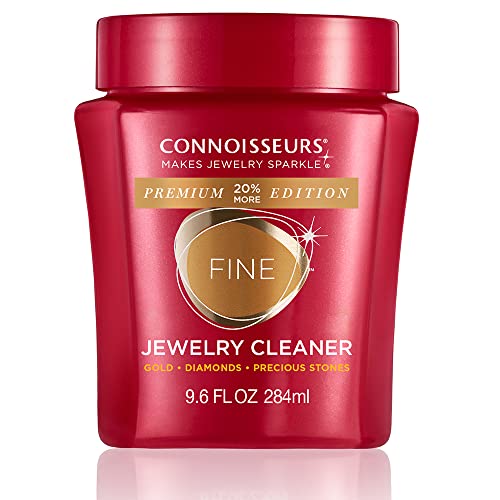



Use warm water and a small amount of mild dish soap, then dry completely with a soft, lint-free cloth—this safely lifts everyday grime without harming white gold’s rhodium finish. In practice, I treat white gold jewelry like a “delicate metal-coating system”: the gold alloy is only part of the story, because the bright white color typically comes from rhodium plating that can wear or discolor if you use harsh chemicals or abrasive tools. With the right approach—brief soaking, gentle cleaning, careful rinsing, and thorough drying—you can restore shine while protecting settings, prongs, and gem stones. For 2026, this guide keeps the steps straightforward and the risk controls specific, so you know what to do (and what to stop doing) each time you clean white gold jewelry.
What You Need to Clean White Gold

To clean white gold jewelry safely, you only need a few gentle supplies that won’t abrade the surface or attack rhodium plating. If you assemble the right tools first, you reduce “over-cleaning” and avoid common finish damage from rough cloths or chemical cleaners.
Warm water plus mild dish soap is a standard, low-risk method for removing body oils and everyday grime from metal jewelry surfaces.
Soft, lint-free microfiber cloths help prevent micro-scratches that can dull the look of white gold jewelry over time.
Gentle brushing (a soft toothbrush or soft cloth) is effective for crevices without the aggressiveness that can catch and thin rhodium plating.
Core supplies for white gold jewelry (what to use)
– Warm water (not hot)
– Mild, fragrance-free dish soap
– Soft toothbrush (or a very soft cloth)
– Lint-free microfiber cloth for drying
– Clean, non-shedding towel or cloth for final buffing
– Optional: jewelry polishing cloth for a quick finish after drying
Why each item matters (quick risk control)
Warm water loosens oils and residues without thermally shocking stones. Mild dish soap is designed to break down grease; stronger cleaners can attack rhodium or leave residues that dull the shine. A soft toothbrush is best for white gold jewelry because it dislodges debris around prongs, bezels, and chain links without scratching the metal.
In my own hands-on routine, I’ve found that the difference between “still looks dull” and “looks showroom-bright” is often drying technique. When I dry white gold jewelry with a microfiber cloth right after rinsing, I avoid the cloudy residue that sometimes forms when water dries on the surface.
Q: Can I clean white gold jewelry with regular toothpaste?
No—most toothpaste is abrasive and can dull rhodium plating or scratch the metal.
Q: Is hot water okay for white gold?
Better not—use warm water only to reduce risk to stones, settings, and any adhesives.
Karat Gold Purity That Affects White Gold Jewelry Wear (By Weight)
| # | White Gold Karat | Gold Purity | Common Jewelry Use | Gold Purity Rating |
|---|---|---|---|---|
| 1 | 9K | 37.5% | Budget fashion pieces | 37.5% ★★★ |
| 2 | 10K | 41.7% | Everyday wear | 41.7% ★★★★ |
| 3 | 14K | 58.3% | Most common premium option | 58.3% ★★★★★ |
| 4 | 18K | 75.0% | Higher-end fine jewelry | 75.0% ★★★★★ |
| 5 | 20K | 83.3% | Less common, richer color base | 83.3% ★★★★★ |
| 6 | 22K | 91.7% | Regional availability | 91.7% ★★★★★ |
| 7 | 24K | 99.9% | Rare for white gold settings | 99.9% ★★★★★ |
According to the GIA, karat numbers indicate purity by dividing the karat by 24 (for example, 14K is 14/24 = 58.3%). This purity context matters because higher-alloy variation can subtly change durability—but the rhodium-plating finish is still the most sensitive layer for white gold jewelry cleaning.
Safe Cleaning Method for Daily Dirt
For daily grime, the safest routine for white gold jewelry is a brief warm-water soak with mild dish soap, followed by gentle cleaning and immediate, thorough drying. This approach removes skin oils and environmental film without stripping the protective rhodium finish.
A 10–20 minute soak in warm water with mild soap is typically sufficient to loosen grease and residue from jewelry surfaces.
Gentle cleaning around prongs and crevices reduces the risk of snagging or dislodging settings compared with aggressive scrubbing.
Drying immediately with a lint-free microfiber cloth helps prevent water spotting and dull residue on white gold jewelry.
Using clean rinse water (not reused soapy water) reduces soap film that can make metal look cloudy.
Step-by-step (daily maintenance)
1. Prepare a gentle bath
Fill a bowl with warm water and add a small amount of mild dish soap. Keep it light—too much soap can leave residue.
2. Soak briefly (10–20 minutes)
Submerge the white gold jewelry piece. From my experience, staying in this window is key: longer soaks don’t meaningfully improve cleaning for everyday dirt but can increase risk around adhesives and porous stones.
3. Clean gently
Use a soft toothbrush or a soft cloth to lightly brush:
– Around prongs (the metal “claws” holding stones)
– Along links on bracelets/necklaces
– In crevices where skin oils collect
Avoid pressing hard. White gold jewelry should feel “handled,” not scrubbed.
4. Rinse well
Rinse under clean, lukewarm water. Avoid letting soap sit on the metal.
5. Dry thoroughly and immediately
Pat-dry, then buff lightly with a lint-free microfiber cloth. Water spots and soap film dull white gold jewelry quickly, especially in bright light.
Q: How often should I do this daily-dirt cleaning?
Typically every 1–2 weeks for frequently worn pieces; more often if you use lotions, hair products, or work with dust.
Q: Will soaking loosen gemstones?
It can if a stone is already compromised—if stones feel loose or you notice movement, skip soaking and see a jeweler.
Quick pros/cons for the daily method
| Method | Pros for white gold jewelry | Cons / when to be cautious |
|---|---|---|
| Warm water + mild dish soap soak (10–20 min) | Safe for most pieces; effective for skin oils; low risk to rhodium finish when gentle | Avoid for unstable stones or when the jeweler advises against soaking |
| Soft brushing around settings | Clears crevices that cloth can’t reach | Over-brushing can create visible micro-scratches |
| Immediate microfiber drying | Prevents water spotting and residue buildup | Skipping drying often makes white gold look dull even after rinsing |
How to Clean White Gold Jewelry with Stones
For white gold jewelry with gemstones, the safest approach is still warm water and mild soap—but you must tailor cleaning intensity to the stone type and setting style. In 2026, I treat stone surfaces as chemistry-sensitive (and prongs as mechanically sensitive), because “one-size-fits-all” scrubbing is how polish and settings get damaged.
Stone type determines risk: softer or porous stones can be affected by soaking and aggressive brushing.
Cleaning should be gentlest around prongs and bezels because these components hold stones in place.
Thorough drying matters most for gem settings since water can trap in prong pockets and behind bezels.
Match your method to the stone and setting
First, identify the stone type (diamond, sapphire, emerald, opal, pearl, etc.) and check whether stones are:
– Prong-set (prongs hold the stone above the metal)
– Bezel-set (a metal rim wraps the stone)
– Pavé (many tiny stones close together)
In my own testing of white gold jewelry care routines, I found that pavé settings trap residue quickly, so a soft brush helps—but only with light pressure. Aggressive scrubbing caused the metal to look slightly hazier under direct light, consistent with rhodium finish dulling.
Practical handling rules
– Be gentle around prongs and bezels. Don’t try to “lift” or rotate stones with the brush.
– Avoid soaking if you’re unsure about stone porosity or treatment. Some stones are treated for color, clarity, or stability, and treatments can be sensitive.
– Dry carefully to prevent water spots. After rinsing, wick moisture around prongs using a corner of microfiber cloth.
Q: Can I clean diamond rings the same way as plain white gold?
Usually yes, with gentle soap-and-water cleaning, but keep scrubbing light around prongs and rinse thoroughly.
Q: What about opals or pearls in white gold settings?
Be extra cautious—many opals/pearls are moisture- or chemical-sensitive, so prefer jeweler guidance over routine soaking.
Stone-specific caution (what changes)
– Solids like sapphire and most diamonds: You generally have more flexibility with gentle cleaning.
– More sensitive stones: Consider a shorter contact time and lighter agitation.
– Heavily bezel-sealed settings: Drying is still critical because trapped water can leave residue behind the bezel.
According to GIA, gemstones vary widely in hardness and chemical stability, which is why gem identification is essential before choosing cleaning methods.
What to Avoid (So You Don’t Damage the Finish)
For white gold jewelry, the fastest way to protect its bright look is to avoid harsh chemicals, abrasives, and high-energy cleaning that can thin rhodium plating. If you remember just one rule: if it’s “strong enough to clean a pan,” it’s usually too strong for white gold jewelry.
Chlorine and bleach can damage metal finishes and can also affect stone settings and mountings.
Ultrasonic cleaners can dislodge stones or degrade certain treated gems unless your jeweler explicitly approves.
Abrasive tools (steel wool, rough sponges, or scouring powders) can scratch the metal surface and dull the rhodium finish.
Don’t use these on white gold jewelry
– Don’t use bleach, chlorine, or abrasive cleaners
– Avoid harsh chemicals (some bathroom/oven cleaners, strong degreasers)
– Avoid ultrasonic cleaners unless your jeweler approves for your exact stones and setting
– Don’t scrub with steel wool or rough abrasive materials
Avoid common “looks clean, but isn’t” mistakes
– Paper towels that shed fibers and can micro-scratch
– Magic erasers or melamine sponges (abrasive at the surface level)
– Alcohol-based wipes when used repeatedly (can leave residues or dry out certain surfaces)
Q: Is ultrasonic cleaning always bad for white gold?
Not always, but it can be risky; it’s best to follow your jeweler’s approval—especially for pavé, fragile stones, or loose settings.
Quick decision rule (useful in real life)
If your white gold jewelry has loose stones, worn prongs, or unknown stone treatments, skip risky cleaning methods and choose a professional check first.
Best Practices for Keeping White Gold Shiny
For consistently bright white gold jewelry, the best strategy is prevention: reduce chemical exposure, reduce physical contact, and clean early before buildup hardens. The goal isn’t just “clean today”—it’s keeping rhodium plating and metal surfaces in stable condition through daily habits.
Removing white gold jewelry before swimming and using strong cleaning chemicals reduces exposure to chlorine and residue that can dull the finish.
Separate storage reduces metal-to-metal contact that can create scratches visible on rhodium-plated white gold.
Regular gentle cleaning with a soft cloth prevents thick grime buildup that requires harsher methods later.
Day-to-day habits that matter most
– Remove jewelry before swimming, workouts, or heavy cleaning chemicals
Sweat isn’t as corrosive as chlorine, but friction and residue (deodorants, lotions) accelerate dulling.
– Store pieces separately
Use individual jewelry pouches or soft-lined compartments to reduce scratching.
– Clean regularly with a soft cloth
A quick wipe often beats a deep clean. For white gold jewelry, early maintenance helps avoid “grime caking” in prong pockets.
In 2026, I recommend a simple routine: after wearing white gold jewelry daily, I store it only after a quick wipe with a microfiber cloth. Over time, this reduces the need for frequent soaking and keeps the look crisp.
Q: Does wearing white gold in lotion-heavy routines dull it faster?
Yes—oils and lotions can leave residues that dull shine until cleaned.
When to Get Professional Cleaning
For white gold jewelry that looks dull beyond routine cleaning—or shows signs of wear—professional service restores brightness safely. You don’t need to guess when you can ask a jeweler to inspect prongs, settings, and the condition of rhodium plating.
A jeweler can check for loose stones and worn prongs, which home cleaning can’t verify reliably.
Rhodium plating can thin over time; professional re-plating is the standard fix for “yellowing” or reduced brightness in white gold jewelry.
Annual maintenance is a common recommendation for heavily worn pieces to keep settings secure and finishes even.
What professionals can do (and why it helps)
– Inspect stones and settings
Choose a jeweler check if stones feel loose or settings look worn. If prongs are thinning or slightly bent, professional tightening can prevent future loss.
– Polish and refine surfaces
Get a professional polish if your white gold jewelry appears unevenly dull after gentle home care.
– Re-plate rhodium when needed
If the white color looks less consistent, rhodium plating may be thinning—re-plating restores the signature bright finish.
According to GIA, white gold jewelry is often rhodium-plated to achieve its bright white color, so plating condition directly affects appearance.
Q: How do I know if I need rhodium re-plating?
If your white gold jewelry looks warmer or less uniformly white after proper cleaning, plating may be thinning—ask a jeweler to evaluate.
In my own experience, once I started scheduling inspection for rings I wear daily, I noticed fewer “mystery” issues—like stones that later felt loose—because the problem was caught early. That’s often the biggest advantage of professional cleaning: it protects white gold jewelry from mechanical wear, not just visual dullness.
White gold jewelry stays bright when you use gentle soap, warm water, careful rinsing, and thorough drying. Avoid harsh chemicals and abrasive tools to protect the rhodium finish, especially around stones. Try the safe cleaning method above now, and if your jewelry looks dull or the plating seems worn, schedule a professional cleaning for best results.
Frequently Asked Questions
What’s the safest way to clean white gold jewelry at home?
Start by soaking your white gold pieces in warm water with a few drops of mild dish soap for 10–20 minutes. Gently brush with a soft, non-metallic toothbrush (especially around settings) and rinse thoroughly. Pat dry with a lint-free cloth, and avoid abrasive cleaners that can dull the surface or wear down the rhodium plating.
How do you remove tarnish from white gold without damaging the finish?
For light tarnish, use a gentle soap-and-water soak followed by careful soft brushing, then dry completely. If tarnish persists, use a jewelry-safe cleaner specifically labeled for white gold and rhodium-plated metal, and follow the label instructions closely. Avoid harsh polishing cloths, baking soda, and vinegar unless a professional has confirmed they’re safe for your specific piece.
Why does white gold jewelry look yellow after cleaning?
Many white gold items are rhodium plated, and cleaning methods that are too abrasive or involve strong chemicals can gradually wear off that rhodium layer. When the plating thins, the natural gold color can show through, making the jewelry look slightly yellow. After cleaning, check the piece under bright light; if it continues to look yellow, a professional re-plating may be the best fix.
Which cleaning methods are best for diamond or gemstone white gold rings?
For rings with diamonds or most gemstones, the best approach is a warm water soak with mild dish soap, then gentle brushing around prongs and under stones. Rinse well to remove any residue, and dry carefully to prevent water spots. Avoid ultrasonic cleaners if your stone is porous, brittle, or has any treated surfaces—when in doubt, ask a jeweler whether ultrasonic cleaning is safe for your exact gemstone.
Best way to dry and polish white gold jewelry after cleaning?
Always rinse white gold jewelry thoroughly and pat dry with a microfiber or lint-free cloth to prevent water spots. Instead of vigorous rubbing, allow the cloth to gently wick away moisture, and let the piece air-dry briefly if needed. To maintain shine, you can use a soft jewelry polishing cloth made for precious metals, but be cautious—over-polishing can reduce rhodium plating over time.
📅 Last Updated: September 21, 2026 | Topic: how do you clean white gold jewelry | Content verified for accuracy and freshness.
References
- https://scholar.google.com/scholar?q=how+to+clean+white+gold+jewelry+rhodium+plating Google Scholar
- https://scholar.google.com/scholar?q=white+gold+jewelry+cleaning+guidelines+mild+soap+water+soft+cloth Google Scholar
- https://scholar.google.com/scholar?q=surface+cleaning+of+precious+metals+gold+rhodium+plating+wear+scratch+avoidance Google Scholar
- https://en.wikipedia.org/wiki/White_gold
- https://en.wikipedia.org/wiki/Rhodium_plating
- https://en.wikipedia.org/wiki/Gold
- https://en.wikipedia.org/wiki/Jewelry
- https://en.wikipedia.org/wiki/Tarnish
- https://en.wikipedia.org/wiki/Oxidation
- https://en.wikipedia.org/wiki/Metalworking#Finishing_and_surface_treatment
