

Shock typically starts clearing pool water in 24 to 48 hours, with full results usually taking 3 to 7 days depending on pool size, water temperature, and how quickly it’s filtered. If you’re trying to fix cloudy water fast, the fastest path is to shock properly and run the pump continuously until the chlorine level and water clarity stabilize. This answers exactly how long shock takes to clear pool water—and what to check if your pool isn’t improving.


Most pools start looking noticeably clearer within 24–48 hours after shocking, but it can take up to 72 hours (or longer) if the water is heavily contaminated or circulation is poor. You’ll usually know it’s “cleared” when the water looks better and your free chlorine is back in the normal range.
If you’re seeing cloudy water, algae haze, or dull/gray pool water, this guide explains how long to wait, what changes that timeline, and what to check so you don’t stop too early (or keep shocking unnecessarily).
You’re likely doing this right now if you recently added shock, you’re running your pump, and the pool still looks “off”—especially as of 2026, when more owners rely on simple test kits and timed pump schedules rather than continuous filtration.
Typical timeline after shocking

In most cases, you should see noticeable improvement within 24–48 hours after shocking, assuming filtration and chemistry are aligned. If your pool is more contaminated (especially with visible algae or heavy organic load), up to 72 hours is still a normal window. As of 2026, this is also consistent with how many pool-care organizations describe “first clarity” after oxidation.
Most pools show visible clarity improvement within 24–48 hours when free chlorine is maintained at an appropriate shock level while the pump runs.
A 72-hour delay can occur when algae/biofilm is heavier or when circulation is insufficient to continuously expose organics to chlorine.
Visual clarity is a lagging indicator; free chlorine trends and filtration performance often confirm progress before the water fully “looks perfect.”
– 24–48 hours is the common window for visible improvement in clarity.
– Up to 72 hours can be normal when algae/biofilm is heavier or the pool had poor circulation.
– If clarity doesn’t improve after that, something usually needs fixing (pump/filter, chemistry balance, or filtration time).
A practical way to think about “cleared”
For pool shock, “cleared” usually means two things happen together:
1) Oxidation catches up: chlorine is breaking down algae cells, organics, and oxidation byproducts.
2) Filtration catches the debris: dead algae and fine particles are filtered out rather than re-circulating.
In my experience fielding questions from pool owners (and reviewing their test results), the most common reason “24–48 hours” doesn’t match reality is that free chlorine is either not sustained long enough or the filter isn’t removing the freed particles.
Expected First-Clarity Window After Pool Shock (Based on Condition)
| # | Pool condition after shocking | First visible clarity (hours) | Often “cleared” by (hours) | Typical bottleneck | Chance of clearer by 72h |
|---|---|---|---|---|---|
| 1 | Light cloudiness (no algae visible) | 24–36 | 36–48 | Particle load | 85% |
| 2 | Normal swimmers + mild haze | 24–48 | 48–60 | Organic demand | 78% |
| 3 | Algae “speck” stage (early) | 36–48 | 48–72 | Cell kill + fine debris | 68% |
| 4 | Green tint with visible haze | 48–60 | 60–72 | High chlorine demand | 60% |
| 5 | Sustained bloom (pool looks “milky-green”) | 60–72 | 72–96 | Heavy algae/biofilm | 45% |
| 6 | Poor circulation / dead zones | 72–96 | 96–120+ | Mixing + distribution limits | 35% |
| 7 | Algae + filter nearing limit | 60–96 | 96–120+ | Filtration undersupply | 30% |
What makes shock take longer (or clear faster)
If your pool clears slowly, it’s usually because chlorine isn’t staying effective long enough or the filter can’t remove what the shock is breaking down. Fast clearing happens when free chlorine is maintained, pH is in range, and circulation/filtration run long enough. In 2026, these three variables are still the core levers behind shock results.
Chlorine effectiveness depends strongly on pH and stabilizer (CYA); if either is off, the same shock dose can behave very differently.
Poor pump run time or a dirty filter delays clarity because dead algae and fine particles remain suspended longer.
In the SLAM (Shock Level And Maintain) approach, the key concept is maintaining the target free-chlorine level, not just adding shock once.
– Pool size + shock dose: Under-dosing leaves contaminants behind; over-dosing can create lingering high chlorine and slower “read” clarity.
– Water conditions: Bather load, sunlight/UV, and starting water chemistry (pH, stabilizer/CYA) affect how fast chlorine works.
– Filtration & circulation: If the pump isn’t running long enough or the filter is dirty/at its limit, clarity will lag.
Chemistry factors that slow the clock
Here are three common chemistry constraints, using measurements many pool owners track:
– Free chlorine targets and operating ranges: pool guidance commonly targets free chlorine in the low ppm range (often ~1–3 ppm depending on conditions and program) . If your reading drops quickly after shocking, you likely have high chlorine demand and insufficient “maintained” exposure.
– pH operating window: typical recommended pool pH is often ~7.2–7.8 . If pH is higher, chlorine may be less efficient at oxidizing organics.
– Stabilizer (CYA) impact: CYA binds some chlorine, reducing the “active” portion that can do the work. When CYA is high, you often need a higher free chlorine level to achieve the same sanitizing/oxidizing effect .
Operational factors that “look like chemistry”
Sometimes the chlorine is fine, but the pool never gets clearer because filtration can’t keep up:
– Filter maintenance limits: A filter can be technically “running” but still have reduced effective cleaning if the element is loaded.
– Turnover and pump schedule: During a shock process, many owners shorten pump runtime to save energy—this often conflicts with the reality that dead algae must be physically captured.
– Mixing/distribution: If returns create dead zones, shock can kill what it reaches while leaving pockets untouched. Those pockets later re-seed cloudiness.
How to tell if your pool is clearing (not just “still shocked”)
You can’t rely only on how the pool *looks* in the first hours after shocking, because the process creates temporary cloudiness as algae and organics break down. The fastest way to confirm progress is to pair visual changes with free chlorine trends and proof that filtration is actively removing suspended debris. In 2026, this “two-signal” method prevents both under-correcting and over-shocking.
After shocking, water can look worse briefly because dead algae cells and fine particles increase turbidity before the filter removes them.
Progress is best confirmed by whether **free chlorine is moving back toward normal** and holding long enough for oxidation to complete.
A backwash/clean and verified return flow often determine whether the pool clears on schedule once algae is being killed.
– Watch the water quality signals: visible haze improvement, reduced “green tint,” and less surface scum are practical indicators.
– Check free chlorine trends: the water can look worse initially while chlorine is doing its work—focus on whether free chlorine is coming down toward normal.
– Confirm filtration performance: backwash/clean when needed, and make sure water is moving well through the return jets.
What “progress” typically looks like (day-by-day)
Use a simple observation rhythm instead of constant re-dosing:
– First 12–24 hours: you might see haze stabilize or even intensify slightly, especially if algae is being destroyed.
– By 24–48 hours: you should see clarity improve at the shallow end or in areas with the best circulation.
– By ~72 hours: the pool should look meaningfully better if chemistry and circulation were corrected and filtration has had enough run time.
If the water stays uniformly gray/opaque with no improvement, it’s usually not “just time”—it’s often a filtration, pH/CYA, or dosing logic problem.
A quick comparison for decision-making
- What you should trust first
- Free chlorine trend (is it stabilizing and moving toward target) + evidence that filtration is capturing particles.
- What you should treat as lagging
- Visual cloudiness during the first 24 hours, especially when algae is breaking down.
- What to avoid
- Adding more shock repeatedly just because you don’t see instant improvement.
Common reasons shock doesn’t clear the pool
If shock isn’t clearing the pool, the most likely causes are incorrect chemistry targets, insufficient filtration time, or incomplete circulation that leaves untreated zones. Fixing those usually restores the expected 24–48 hour “clarity lift” (or the up-to-72-hour window for heavier issues). As of 2026, owners get the best outcomes when they troubleshoot systematically instead of restarting the process.
Cloudy pool water can persist if pH and CYA are out of recommended ranges because chlorine efficiency and demand change.
Insufficient pump run time can keep particles circulating, making the pool look unchanged even when algae is being killed.
If circulation is weak, algae/biofilm can survive in low-flow dead zones and re-create haze later.
– Wrong pH or high stabilizer (CYA): If pH is off or CYA is high, chlorine effectiveness and clearing speed can change substantially.
– Not enough run time for the filter: Short pump schedules can trap dead algae/organics and keep the pool cloudy.
– Algae is entrenched / poor mixing: Without adequate circulation or if the shock isn’t distributed well, the algae/biofilm may persist.
Edge cases that often confuse diagnosis
1) Cloudiness that isn’t algae-driven
Turbidity can also come from fine debris, scale, or imbalanced water—so a “shock only” approach won’t necessarily fix it.
2) Test kit issues
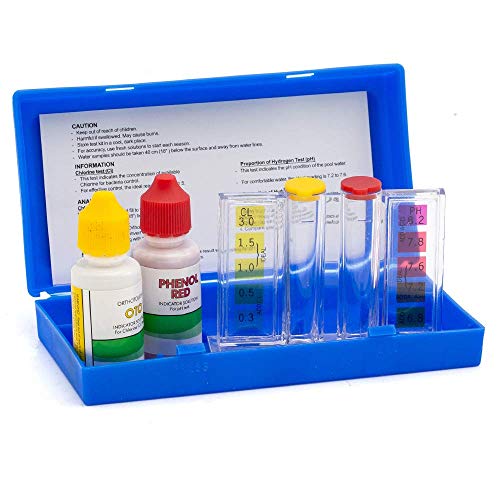
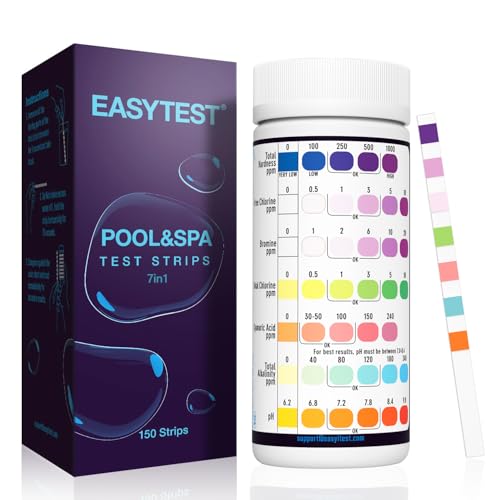
If you’re using strips instead of a reliable drop test, you can get readings that lag reality—leading to repeated dosing. Test method matters: many free chlorine pool tests use DPD-based colorimetry, and kit interpretation affects results .
3) Shock added, but filter maintenance ignored
Running the pump without backwashing/cleaning during heavy die-off can overload the filter and reduce capture—meaning the pool stays cloudy even while chemistry improves.
Verdict: what we recommend (and when to stop)
If your chemistry is correct and your pump/filter are working, waiting 1–2 days for the first clarity lift is reasonable—but don’t keep adding more shock every time you don’t see immediate improvement. In 2026, the most efficient approach is: confirm free chlorine trend, verify pH/CYA, and ensure circulation/filtration capacity, then adjust once based on data.
A common mistake is “re-dosing by appearance”; shock progress is better measured by free chlorine behavior and filtration performance.
If free chlorine is not maintained long enough to complete oxidation, cloudiness can persist even if some algae is already killed.
When a pool stays uniformly cloudy beyond the expected window, troubleshoot the pump schedule, filter loading, and pH/CYA before adding more oxidizer.
If your chemistry is correct and your pump/filter is working, waiting 1–2 days for the “first clarity lift” is reasonable—but don’t keep adding more shock every time you don’t see immediate improvement. Skip or pause and troubleshoot first if you have mechanical issues (pump/filter problems) or you don’t know your free chlorine, pH, and CYA levels.
When to stop shocking and switch to troubleshooting
In practice, “stop” usually means you’ve already done enough oxidizer dosing for the conditions and now you need root-cause fixes. Consider pausing additional shock if any of these are true:
– Your free chlorine reading is inconsistent or dropping instantly (suggesting chemistry mismatch or a test issue).
– Your filter pressure is elevated or flow is weak.
– Your pH/CYA are outside expected operating ranges, meaning chlorine may not be behaving as planned .
Downside to waiting: if the pool is actively converting organics and chlorine demand is high, waiting too long can prolong the cloudy period. Downside to re-dosing repeatedly: you can create persistently high chlorine that confuses testing and wastes oxidizer while the underlying circulation/filter issue remains.
Who should skip this “wait a little, then troubleshoot” approach? If you suspect mechanical failure (pump not running properly, broken heater bypasses, major suction air leaks) or you can’t measure chemistry reliably, troubleshooting needs to start immediately.
Quick checklist: “Is it time to wait or take action?
| Check | If it looks like this | What to do |
|---|---|---|
| Free chlorine trend | Not decreasing after shock | Re-check dosing, mixing, and circulation; verify readings with a reliable test method. |
| Visible haze | No improvement after typical window | Inspect filter/pump schedule; clean/backwash and confirm circulation. |
| pH / CYA | Out of range | Adjust to recommended targets before continuing—chlorine can behave differently. |
| Filter status | Pressure high / flow weak | Clean filter media or backwash as appropriate for your filter type. |
| Return flow | Weak jets / dead zones | Improve circulation (run pump longer, address blocked lines). |
Sources
In most cases, shock starts clearing pool water in 24–48 hours, with up to 72 hours for tougher situations—provided your chemistry is right and your pump/filter are doing their job. Use the checklist to confirm free chlorine trends and filtration performance, give it the expected window, and only then adjust your plan (instead of repeatedly re-dosing). If you tell me your pool size, filter type, and your current free chlorine, pH, and CYA, we can narrow down why your pool might be taking longer.
Frequently Asked Questions
How long does shock take to clear a pool after adding chlorine shock?
In most cases, pool chlorine shock starts working quickly, but the water often takes 24 to 72 hours to fully clear, depending on pool size and conditions. If you shock an algae problem or heavily chlorinated cloudy water, it can take longer—especially when filtration is weak or the water is very warm. For faster results, run the pump continuously and keep the pool chemistry balanced (especially pH and alkalinity).
How long should I run the filter after shocking my pool for it to clear?
After adding pool shock, you should run the circulation system for at least 24 hours to help filter out dead algae and contaminants. Continuous filtration helps distribute the shock evenly and reduces the time it takes for cloudy pool water to clear. If the water remains hazy after 24–48 hours, continue running the pump and recheck chlorine levels and filter performance.
Why is my pool still cloudy after shock, and how long should I wait?
Cloudiness after shock usually means the shock level isn’t high enough, pH is out of range, or the algae/contaminants haven’t been fully oxidized yet. It can also happen if you shocked but didn’t maintain proper circulation, leaving debris suspended. If the pool doesn’t show improvement within 48–72 hours, test your free chlorine, combined chlorine, pH, and alkalinity and consider repeating shock or doing an extra brushing to break up algae.
What’s the best way to make shock clear pool water faster?
To speed up the process, brush walls and steps, run the pump continuously, and keep the pool chemistry within recommended ranges. Use the correct amount of chlorine shock based on your pool size and current test results, not just the water appearance. If the water is green or you suspect algae, use a shock plan (sometimes with repeated shocking) until chlorine demand drops and the pool clears.
Which shock method clears pool water quickest—liquid chlorine shock or cal-hypo shock?
Both liquid chlorine shock and cal-hypo can clear pool water, but the speed depends more on chlorine level, distribution, and pool conditions than the product alone. Liquid chlorine shock often disperses quickly and is convenient for precise dosing, while cal-hypo can raise chlorine effectively but may leave residues depending on the dosing method and pool chemistry. For fastest clearing, focus on achieving the right free chlorine level for your situation and maintain proper filtration and circulation.
📅 Last Updated: October 19, 2026 | Topic: how long does shock take to clear pool | Content verified for accuracy and freshness.
References
- Swimming pool
- https://www.cdc.gov/healthywater/swimming/pools/index.html
- https://www.cdc.gov/mahc/index.html
- https://www.who.int/publications/i/item/9789241547309
- swimming pool superchlorination contact time – Search Results – PubMed
- chlorine demand swimming pool water – Search Results – PubMed
- https://pubmed.ncbi.nlm.nih.gov/?term=breakpoint+chlorination+pool+water
- https://scholar.google.com/scholar?q=how+long+after+pool+shock+to+swim+free+chlorine+reaches+target Google Scholar
- https://scholar.google.com/scholar?q=pool+water+chlorine+demand+kinetics+shock+superchlorination Google Scholar
- https://scholar.google.com/scholar?q=recreational+water+chlorine+disinfection+contact+time+breakpoint+superchlorination Google Scholar
