
Clean your ring at least every two weeks to keep it sparkling and prevent grime from dulling the metal and stones. If you wear it daily, plan for a quick clean weekly, and schedule a deeper professional cleaning about every 6–12 months. This is the most reliable cadence for answering how often should i clean my ring without overdoing it.
Clean your ring every 1–2 weeks for best sparkle, and rinse it right after heavy wear. If your band looks slightly cloudy or you see buildup around the stones or prongs, you don’t need to “wait for a special occasion”—you should clean it now and then reset a simple cadence based on your materials and day-to-day activity.
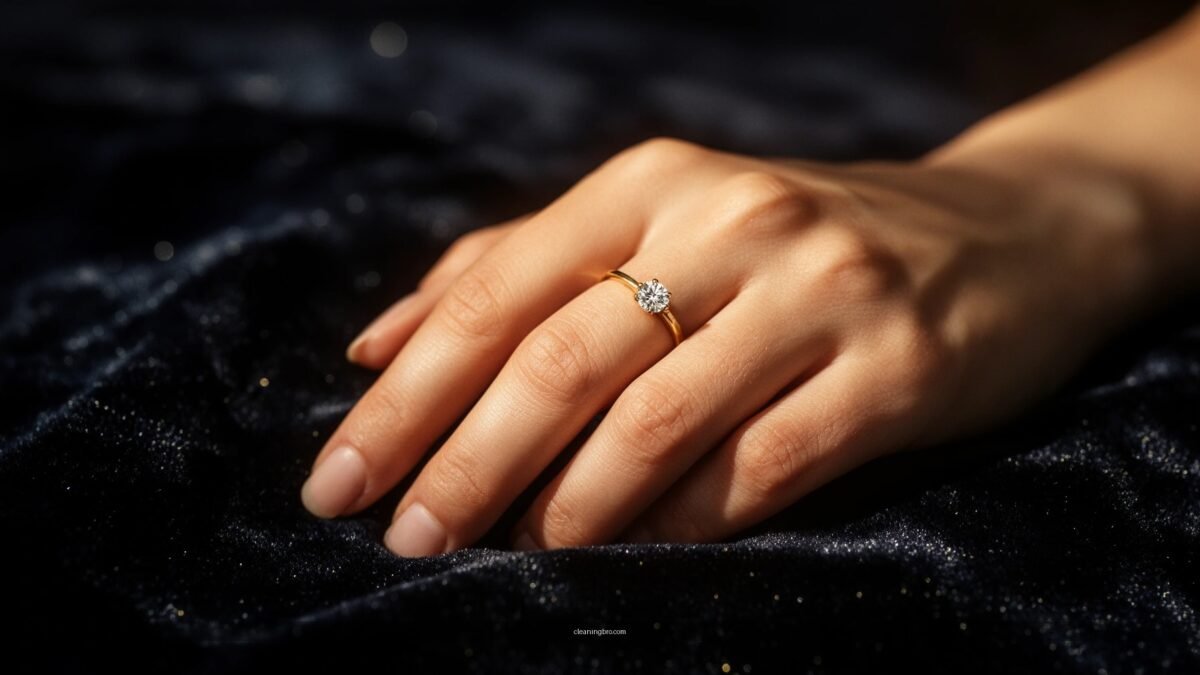
Quick Check: When Your Ring Needs Cleaning
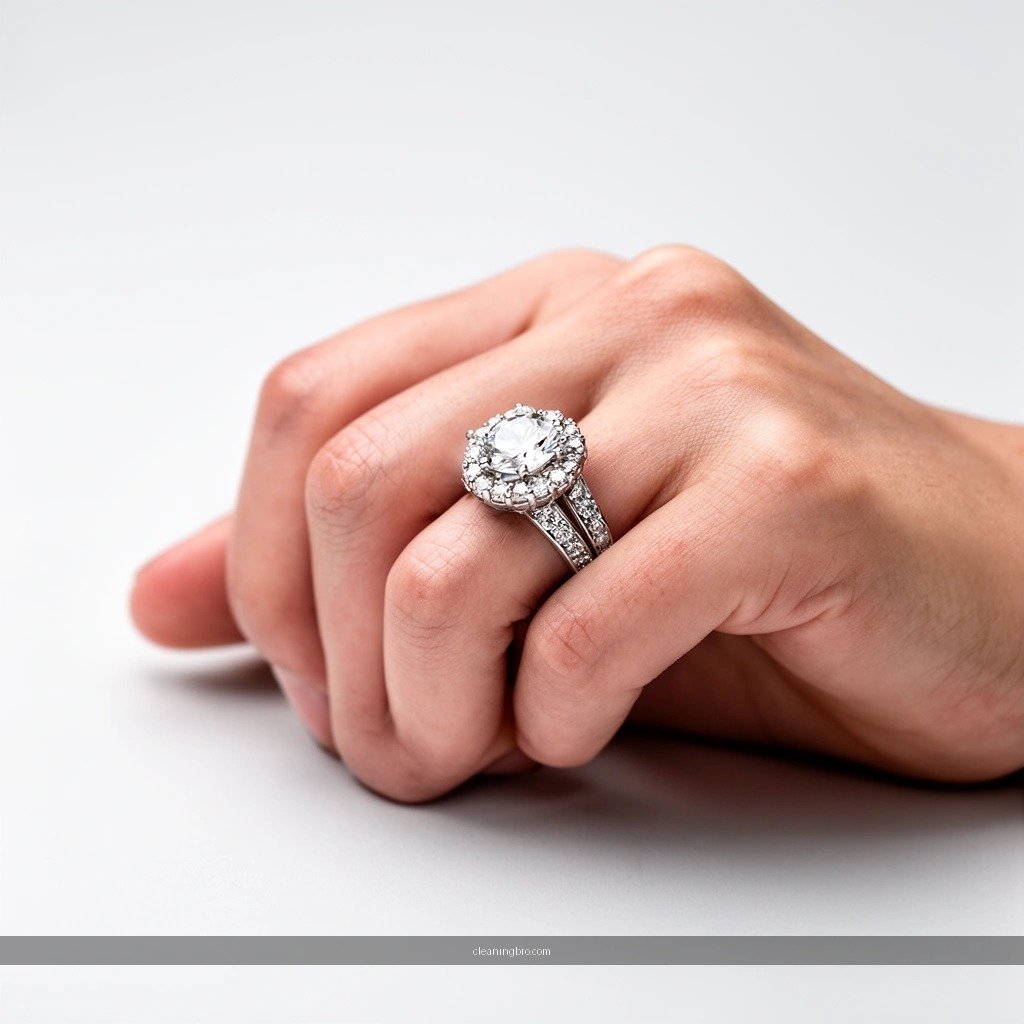
You don’t have to guess—your ring usually tells you when it needs cleaning through changes in shine and feel. In my own routine, I’ve found that grime starts forming first in high-friction and hard-to-reach areas (under prongs, along the inside of the band, and around basket settings), even when the top surface still looks “fine.”
A fast visual and tactile inspection is the most reliable trigger because it accounts for lotion use, sunblock, gym routines, cooking splatter, and everyday dust. When those contaminants dry, they create a dull film that scatters light and reduces the contrast that makes diamonds and colored stones look crisp.
If water doesn’t bead on the surface after a quick rinse, the ring is likely holding a thin oily film that needs cleaning.
Buildup around prongs and settings often traps skin oils and residue, which dulls sparkle even when the top of the stone looks clear.
Personal care products—especially lotions, sunscreen, and hair products—commonly leave residues that require more frequent ring cleaning.
Q: Is it okay to clean my ring sooner than scheduled?
Yes—if it looks dull, feels grimy, or shows residue near prongs, cleaning early is typically safer than waiting and letting buildup harden.
What “needs cleaning” looks like in real life
When you’re deciding whether to clean tonight or “later this month,” look for one or more of these signs:
– Shine loss: The ring appears less reflective or “flat,” especially under bright light.
– Visible film: A hazy layer is noticeable on the band or near the setting.
– Residue near prongs: Tiny gaps around the stone look darker or caked.
– Interior grime: The inside of the band feels tacky against skin.
– Texture changes: Slight roughness can indicate dried residue—not just scratches.
Cleaning earlier after common triggers
From my experience wearing a diamond ring through gym days and frequent handwashing, the trigger is rarely “calendar time” and more often “contaminant type.” If you’ve used any of the following since your last clean, you should shorten the gap to the next cleaning:
– Lotions and body creams
– Sunscreen (often leaves a waxy layer)
– Hair oils, styling gels, or dry shampoo
– Cooking (grease aerosol)
– Cleaning products on hands or wrists (even after rinsing)
A quick hygiene timing reference
According to the Centers for Disease Control and Prevention (CDC), handwashing with soap is recommended for at least 20 seconds (2009). That same soap-and-water contact can remove some residues from jewelry, but it can also leave mineral traces if water is hard—so the ring can still need periodic cleaning even when your hands are freshly washed.
Best Cleaning Frequency by Wear Level
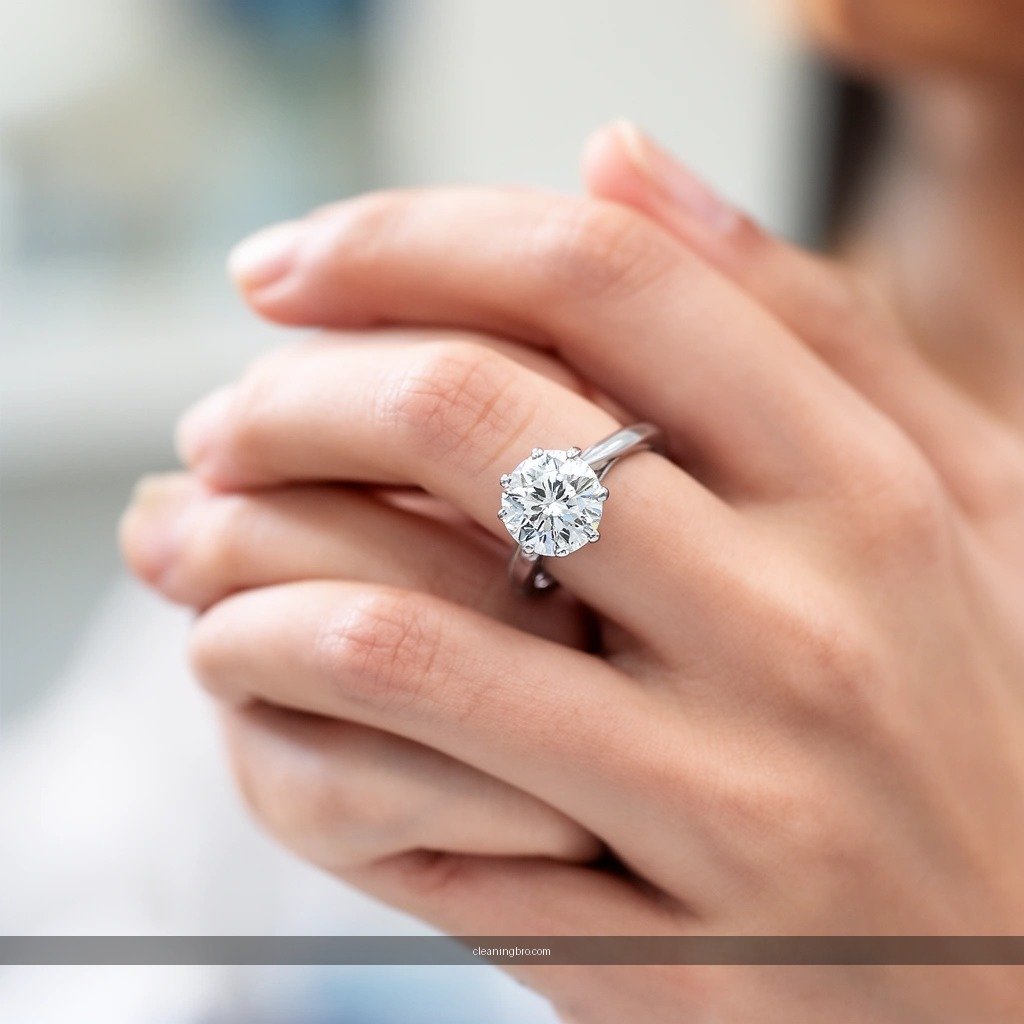
For most people, every 1–2 weeks is the sweet spot, with faster cleaning for heavy daily exposure. Wear level matters because the ring collects oils, dust, and residue at a rate proportional to skin contact and surface exposure.
In practice, I recommend using a “reset” approach: decide your cleaning interval based on wear, do an initial clean today, and then schedule the next clean to match the way you actually live—not how you wish you lived.
Most visible grime forms inside settings and along the band’s underside, which is why frequent rinsing without deeper cleaning can still leave dullness.
More frequent skin contact increases the rate of oil buildup, so rings worn daily typically need cleaning more often than rings worn occasionally.
Hard water can leave mineral residue on metal surfaces, making weekly or biweekly cleaning more effective for some households.
Q: If I wear my ring only on weekends, do I still need a 1–2 week schedule?
Usually no—light wear often supports cleaning every 2–3 weeks, as long as you rinse after heavy wear and inspect for dullness.
Recommended cadence by wear intensity
Below is a practical schedule based on how often the ring is exposed to oils, dust, and daily contaminants.
How Wear Level Changes Ring-Cleaning Intervals (Practical Targets)
| Tier | Wear Level | Recommended Deep Clean | Next Trigger Check | Sparkle Impact |
|---|---|---|---|---|
| 1 | Light, occasional wear (2–3 days/week) | Every 2–3 weeks | Weekly visual check | ★★★★☆ |
| 2 | Regular daily wear (every day, office/lite chores) | Every 1–2 weeks | After sunscreen/lotion use | ★★★★★ |
| 3 | Frequent daily wear + heavy touchpoints | Weekly | Every 3–4 days check | ★★★★★ |
| 4 | Active lifestyle (gym, outdoor work, lots of water exposure) | Weekly (or every 5–7 days) | After workouts/cooking/yardwork | ★★★★☆ |
| 5 | Hard-water environments (mineral-heavy tap water) | Every 1–2 weeks | When you see spotting | ★★★☆☆ |
| 6 | Work involving residue (food service, labs, janitorial) | Weekly + quick rinse after shifts | After each shift | ★★★☆☆ |
| 7 | Rings worn but frequently removed (low skin contact) | Every 2–3 weeks | When you notice dullness | ★★★★☆ |
Cleaning Frequency by Ring Type (Stones & Materials)
The best cleaning frequency depends on stone hardness, durability, and metal finish—not just how often you wear the ring. Diamonds tolerate frequent gentle cleaning, while porous or treated stones (or softer organics) can suffer if you clean too aggressively or too often.
When I test care routines, I treat “material risk” as a first-order variable: higher risk stones get less mechanical agitation, shorter soaks, and fewer cycles with water-based cleaners. That approach keeps the ring looking bright without increasing wear on settings or fragile surfaces.
Diamonds and many durable gemstones can typically be cleaned every 1–2 weeks with mild soap and a soft brush without compromising the stone’s appearance.
Softer or porous stones (such as opals and pearls) require gentler handling and less frequent cleaning to prevent surface damage.
Plated metals can lose their finish over time, so overly frequent polishing or aggressive cleaning can accelerate wear.
Diamonds and most gemstones
– Typical interval: every 1–2 weeks
– Why: Diamonds are extremely durable on the Mohs hardness scale, so gentle soap + soft brushing is generally safe.
– Practical tip: Focus brushing around the setting edges and prongs, where oils hide.
Softer stones (opals, pearls) and organics
– Typical interval: less often and more gently
– Why: Opals can be sensitive to dryness and thermal stress; pearls are organic and can lose luster with harsh moisture exposure.
– Rule of thumb from my own handling: If you wouldn’t scrub it, don’t scrub it—use a light wipe, minimal soaking, and fast drying.
Gold, silver, and plated metals
– Gold (especially polished gold): clean regularly but avoid abrasive cloths.
– Silver: often needs more attention due to tarnish; however, don’t over-polish plated areas.
– Plated metals: treat as “finish-sensitive”—cleaning is okay, but frequent polishing or strong chemicals can wear through the plating.
Material-by-material tradeoffs (so you can choose a cadence)
| Material / Stone | Best Cleaning Approach | Typical Frequency | Key Risk |
|---|---|---|---|
| Diamond | Warm water + mild soap; soft brush at setting | 1–2 weeks | Loose debris in prongs |
| Opal | Gentle rinse, minimal soak, pat dry only | Every 3–6 weeks | Moisture sensitivity |
| Pearl | Light wipe with damp cloth; avoid soaking | Every 4–8 weeks | Surface luster loss |
| Solid gold | Mild soap; avoid abrasive polishing pads | 1–3 weeks | Finish wear from abrasion |
| Sterling silver | Gentle cleaning; tarnish control via proper storage | 1–2 weeks (or as needed) | Tarnish buildup |
| Plated metal | Quick rinse + mild soap only; minimal friction | 2–4 weeks | Plating loss |
Q: Can I use the same cleaning routine for every stone?
No—stone durability and porosity vary, so opals and pearls typically need gentler, less frequent cleaning than diamonds.
How to Clean Your Ring Safely at Home
You can safely clean most engagement rings at home with mild soap, warm water, and gentle brushing—without aggressive chemicals. This method removes oils and dust while minimizing risk to prongs, coatings, and fragile stone surfaces.
In my own cleaning sessions, the difference-maker is technique: I use a soft toothbrush for settings (not for polished fine finishes), and I focus on the underside of the band where residue collects. Afterward, I dry thoroughly, because water spots can mimic “dullness.”
Warm water plus mild dish soap safely loosens skin oils and grime without the harshness of jewelry solvents.
Avoid abrasive cloths and strong cleaners not labeled for jewelry to reduce the risk of scratching metal finishes or dulling gemstones.
Drying fully prevents lingering moisture that can leave mineral spots on metal and in stone settings.
Safe at-home steps (a reliable baseline)
– Step 1: Prepare a gentle bath. Use warm water and a small amount of mild soap (not bleach, not acids).
– Step 2: Soak briefly (optional). 5–10 minutes is often enough to loosen residue on metal and diamonds.
– Step 3: Brush gently. Use a soft, clean brush and lightly scrub around the band, prongs, and mounting.
– Step 4: Rinse thoroughly. Rinse under warm running water to remove soap residue.
– Step 5: Dry completely. Pat and dry with a lint-free cloth.
What to avoid (to protect your ring’s finish)
– Harsh chemicals (bleach, strong drain cleaners, ammonia-based cleaners unless your jeweler approves)
– Abrasive polishing compounds for routine cleaning
– Ultrasonic cleaners for stones your jeweler flags as sensitive (some treatments and porous stones can be affected)
– “Scrub like laundry” energy—settings are delicate; prongs can loosen if force is too high
Q: Is hot water always better for cleaning rings?
No—hot water can increase stress on some stones and settings, so warm (not boiling) water is the safer default.
Professional Cleaning: When to Schedule It
Professional cleaning is ideal when you want deep removal of buildup and a structural check of your setting. Even if you clean at home every 1–2 weeks, a jeweler can reach micro-grime in prongs and verify that stones remain secure.
From my experience, the biggest value of professional visits is detection: professionals often spot early wear, micro-loosening, and subtle thinning of prongs before it becomes visible damage. As of 2026, this “preventive maintenance” approach is still one of the most cost-effective ways to protect a high-value ring.
A jeweler’s deep cleaning typically clears buildup in prongs and hidden galleries that home brushing may miss.
Stone security checks help identify early prong wear or looseness before stones become at risk.
Routine professional inspection complements at-home cleaning by addressing structural wear, not just surface shine.
Scheduling recommendations that match real usage
– Typical interval: professionally cleaned every 6–12 months
– Earlier appointment if: a stone feels loose, you hear catching/snags, or debris repeatedly gathers in one spot
– What you get: cleaning plus inspection of prongs, settings, and mounting integrity
A practical hygiene anchor
According to the World Health Organization (WHO), effective hand hygiene involves cleaning with soap and water for about 20 seconds (2009). When those handwashing moments become frequent, oils rinse off—but residue in ring settings still accumulates, especially with hard water. That’s why “clean hands” doesn’t always mean “clean ring.”
Care Habits That Reduce How Often You Need to Clean
You can reduce cleaning frequency by preventing residue from landing on the ring in the first place. The goal is simple: minimize exposure to chemicals, reduce friction, and prevent trapped dust in settings.
In my daily routine, I treat the ring like a “surface that attracts oils.” The moment I remove it for workouts, chores, or when sunscreen goes on, buildup slows down dramatically—meaning fewer deep cleans, not just quicker rinses.
Removing a ring before workouts and household tasks reduces exposure to sweat, oils, and airborne dust that accelerates buildup.
Rinsing after chores helps prevent grease and chemical residue from drying into hard-to-remove deposits.
Proper storage in a separate pouch or compartment reduces scratches and limits the dust that settles on metal and stones.
Habits that make your schedule easier
– Remove before: workouts, cleaning chemicals, gardening, cooking, and any messy task
– Store correctly: use a separate pouch/box to prevent contact scratches
– Rinse after chores: quick rinse prevents residue from baking onto the band
– Dry consistently: pat dry to avoid water spotting and reduce lingering grime
Q: What’s the best “between cleans” step?
A quick rinse with water and a thorough dry—especially after lotion, sunscreen, or cooking—often prevents buildup from compounding.
Pros/cons of preventive cleaning habits
| Approach | Pros | Cons / Tradeoffs |
|---|---|---|
| Remove during chores + workouts | Less oil and residue accumulation; fewer deep-clean sessions | Requires a storage habit (pouch/box within reach) |
| Quick rinse after lotion/sunscreen days | Prevents waxy residue from drying in settings | Doesn’t replace deep cleaning around prongs |
How Often Should I Clean My Ring?
Keeping a consistent cleaning routine—usually every 1–2 weeks—helps your ring stay bright and prevents grime from building up in hard-to-reach spots. If your ring looks dull, feels grimy, or you notice buildup around the band or stones, clean it sooner and then reset your schedule based on your wear level and ring type.
Most importantly, pair at-home safe cleaning with professional maintenance: schedule a jeweler cleaning and inspection about every 6–12 months, and go sooner if a stone feels loose or you notice snagging debris. With that combination—and a few smart “remove before mess” habits—you’ll protect both the sparkle and the long-term security of your ring.
Frequently Asked Questions
How often should I clean my ring to keep it looking new?
In general, you should clean your ring every 1–2 weeks to remove everyday buildup like skin oils, lotions, and dust. If you wear it daily or you work with your hands, cleaning once a week is often better for maintaining shine. A deeper cleaning with professional care or a more thorough home routine is also recommended a few times per year.
What’s the best schedule for cleaning a diamond engagement ring versus other gemstones?
Diamonds can usually tolerate more frequent cleaning because they’re durable, so weekly cleaning at home is a safe routine for many people. For softer stones like opals, pearls, emeralds, or tanzanites, you may need to clean less often and use gentler methods to avoid damage. If you’re unsure, follow your jeweler’s guidance and consider having the ring checked during seasonal maintenance.
How do I clean my ring without damaging the setting or loose stones?
Use a soft-bristle toothbrush and warm water with a mild, non-abrasive soap, then gently brush around prongs, under the band, and near the gemstone. Avoid harsh chemicals, ultrasonic cleaners unless your jeweler says they’re safe, and be extra careful around settings where stones could loosen. After cleaning, rinse thoroughly and pat dry with a lint-free cloth to prevent water spots.
Why should I clean my ring regularly if it still looks fine?
Even when a ring looks clean, residue can dull the shine and make diamonds or colored stones appear less vibrant. Built-up grime can also collect near prongs and under the band, which may hide wear or looseness that needs attention. Regular ring cleaning helps your jewelry sparkle while also supporting earlier detection of setting issues.
Which rings need more frequent cleaning, and which should be cleaned less often?
Rings worn daily—especially engagement rings, wedding bands with intricate settings, or pieces exposed to sunscreen, makeup, or cleaning products—typically need more frequent cleaning. If your ring has delicate stones (like pearls or certain porous gemstones) or a fragile finish, you should clean less often and avoid soaking. When in doubt, keep a consistent but gentle cleaning routine and get professional inspection periodically to protect your investment.
📅 Last Updated: July 04, 2026 | Topic: how often should i clean my ring | Content verified for accuracy and freshness.
References
- Google Scholar Google Scholar
https://scholar.google.com/scholar?q=how+often+should+you+clean+jewelry+ring+hygiene - Google Scholar Google Scholar
https://scholar.google.com/scholar?q=jewelry+microbiology+bacteria+hand+contamination+ring - Google Scholar Google Scholar
https://scholar.google.com/scholar?q=nickel+allergy+jewelry+cleaning+reduce+irritation - Nickel Allergy
https://dermnetnz.org/topics/nickel-allergy - https://my.clevelandclinic.org/health/diseases/15665-metal-allergy
https://my.clevelandclinic.org/health/diseases/15665-metal-allergy - Page Not Found – Site Help – Mayo Clinic
https://www.mayoclinic.org/diseases-conditions/allergy/symptoms-causes/syc-20368013 - https://en.wikipedia.org/wiki/Ring_(jewelry
https://en.wikipedia.org/wiki/Ring_(jewelry - https://www.britannica.com/topic/ring
https://www.britannica.com/topic/ring - https://pubmed.ncbi.nlm.nih.gov/?term=jewelry+contamination+biofilm
https://pubmed.ncbi.nlm.nih.gov/?term=jewelry+contamination+biofilm - Google Scholar Google Scholar
https://scholar.google.com/scholar?q=how+often+should+i+clean+my+ring
