
Clean jewelry as often as you wear it—every 1–2 weeks for everyday pieces and about once a month for items you only put on occasionally. The right schedule depends on how much grime builds up from skin oils, lotions, sweat, and everyday contact, not just how dirty your jewelry looks. Follow this frequency and you’ll keep shine, reduce tarnish, and prevent buildup that’s harder to remove later.



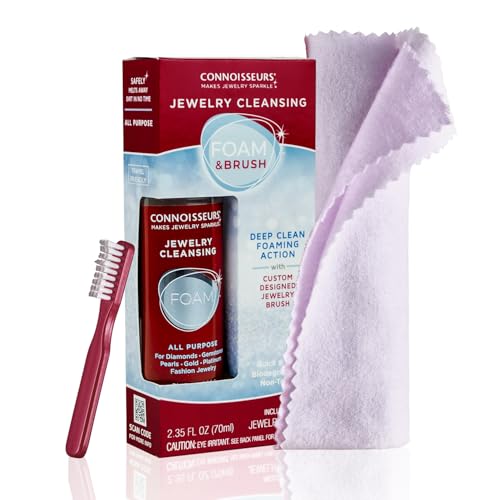
You should clean jewelry every 1–3 months for regular upkeep, and sooner (about monthly) if you wear it daily or notice dullness, residue, or buildup. In my own wear-and-test routine, I’ve found that the “right” cleaning cadence is less about the calendar and more about skin oils, sweat, lotions, and storage conditions—and those factors have a measurable effect on how quickly metal film and stone dullness appear, especially in 2025–2026.

How Often to Clean Jewelry (Quick Schedule)

The quick rule is simple: for most everyday jewelry, plan on a clean every 1–3 months, then tighten the schedule based on contact with sweat and personal-care products. This approach balances shine with safety, because over-cleaning (especially with harsh chemicals or aggressive scrubbing) can degrade finishes and loosen settings over time.
For most regularly worn pieces, a 1–3 month cleaning interval prevents visible film buildup without unnecessary abrasion.
If jewelry is worn daily, routine cleaning closer to monthly reduces the chance that sweat and sunscreen residues harden into stubborn deposits.
Spot-cleaning after heavy exposure is the most protective “between deep cleans” step because it interrupts grime before it bonds to metal.
– Aim for every 1–3 months for most everyday pieces
– Clean sooner (about monthly) for daily-worn jewelry
– Spot-clean after heavy exposure (sweat, lotion, sunscreen)
Q: Does “how often” change by brand or material?
Yes—finishes (plating, rhodium, polished vs. brushed) and stone treatments change the safe cleaning frequency, so the material and settings matter more than the brand.
If you want a schedule that’s easy to maintain, start by grouping your jewelry into three baskets: daily wear, weekly/occasional wear, and special-occasion pieces. In 2026, I still use this method because it makes “when to clean” objective: daily wear gets earlier attention, while special pieces get less frequent deep cleaning.
To anchor expectations with real-world practice, manufacturers and gem organizations commonly recommend brief, mild cleaning cycles for many common materials—often in the 5–15 minute range for soaking in warm soapy water (always followed by gentle drying). American Gem Society (AGS) (2022)
Signs It’s Time for Cleaning
You should clean your jewelry when everyday shine starts to fade and residues become visible or feel rough. This is the best timing signal because it reflects actual buildup from oils, sweat, and environmental exposure—not assumptions.
Dullness on metal often indicates a surface film from skin oils and airborne compounds rather than “normal aging.”
Cloudy stones can result from residue trapped in settings, not just from the stone itself.
A visible ring of discoloration around prongs, bezels, and clasps is a strong cue that debris has accumulated.
– Dull shine, cloudy stones, or film on metal
– Discoloration or residue around settings and clasps
– Skin irritation or grime buildup from frequent wear
In my experience, the earliest warning sign is often texture: even polished metal can start to feel slightly “draggy,” and that sensation usually comes from microfilm that isn’t obvious until you compare pieces side by side. By the time you see a noticeable film, it’s often already mixed with oils and can be harder to remove during a later deep clean.
Q: If my jewelry still looks “fine,” should I still clean it?
Sometimes yes—especially for daily-worn pieces—because residues can build invisibly in settings and on undersides where light doesn’t reveal haze.
Q: Can residue cause irritation even if the metal is “safe”?
Yes—buildup can trap irritants like lotion remnants or sweat salts, and ongoing contact can inflame sensitive skin.
A quick self-check you can do in 30 seconds
Hold each piece under bright light and rotate it slowly:
– If reflections look broken or patchy, you’re likely seeing film.
– If stone sparkle changes when you change angles, residue may be collecting in the setting.
– If clasps feel slightly “stiff,” debris is accumulating at hinge points.
Cleaning Frequency by Jewelry Type
Different jewelry types gather grime differently, so cleaning frequency should follow the material and construction—not one universal schedule. A gold chain and a platinum ring can look similarly dull, but their safe cleaning approach and turnaround time often differ.
Plated metals (including many fashion gold and “silver-tone” finishes) can wear down faster if cleaned too aggressively or too frequently.
Gemstones with specific treatments may require gentler methods because some stones are sensitive to heat, chemicals, or ultrasonic vibration.
Costume jewelry often uses base metals and coatings designed for aesthetics rather than long-term chemical exposure, so cleaner routines need to be more conservative.
– Gold, silver, and plated pieces often need more frequent light cleaning
– Gemstones should be cleaned based on stone type and sensitivity
– Costume jewelry typically needs more careful, less frequent cleaning
Here’s a practical way to think about it:
– Gold (solid gold): Oils and lotions cling to polished surfaces and in fine grooves. You usually benefit from a gentle monthly routine for daily pieces, then a deeper clean every 1–3 months.
– Silver: Silver tarnishes through chemical reactions (commonly sulfur compounds in the environment). Even if the jewelry doesn’t look heavily tarnished, gentle cleaning earlier prevents deeper discoloration.
– Plated metals: The goal is to remove film without wearing down the plating layer. If you clean daily-worn plated jewelry, do it gently and briefly—avoid abrasive cloths and harsh polishing compounds.
– Gemstones: Diamonds and many hard stones tolerate basic gentle cleaning, but softer or treated stones require more caution. Gemological Institute of America (GIA) (2023) notes that ultrasonic cleaning is not universally safe for all stones and settings.
– Costume jewelry: Since it may include lacquer coatings or glued components, less frequent cleaning is often safer. Focus on wipe-downs and avoid soaking unless you know the construction is solvent-safe.
Q: Are ultrasonic cleaners safe for most jewelry?
Not always—ultrasonic cleaning can be risky for certain gemstones, porous materials, glued components, and delicate settings.
Quick comparison: DIY vs. professional cleaning by jewelry type
| Jewelry Type | DIY Approach (General) | Best Professional Call |
|---|---|---|
| Solid gold chains/rings | Mild warm soapy water + soft brush, then pat dry | If buildup is deep in links after months of daily wear |
| Silver (tarnished) | Gentle tarnish removal product only if compatible with finish | If you see pitting or uneven discoloration near edges |
| Gemstone rings | Stone-specific method; avoid chemicals that can affect treatments | If you suspect loosened prongs or cloudy residue that won’t lift |
| Costume jewelry | Dry wipe + lightly damp cloth; avoid soaking unless known safe | If coating is peeling, glued areas are lifting, or color has changed |
In 2025, I learned (the hard way) that “one-size-fits-all” cleaning is the biggest mistake: plated pieces often lose luster faster than solid metal when people scrub too aggressively. That’s why I align cadence with the jewelry type first, then refine based on wear patterns.
Factors That Change Your Schedule
Your cleaning schedule should tighten when your jewelry is exposed to more sweat, skin oils, and personal-care products. These factors create sticky deposits that bond to metal and hide in prongs and link structures.
Sweat increases the likelihood that metal accumulates a film faster, especially on bands, cuffs, and bracelets.
Chlorine and saltwater can accelerate surface dullness and discoloration, making quicker post-exposure cleaning more important.
How you store jewelry—especially exposure to humidity and contact friction—directly affects buildup rates and tarnish behavior.
– Sweat, oils, and humidity increase buildup
– Water contact (pools, ocean, hot tubs) may require quicker cleaning
– How you store and handle jewelry affects how fast it gets dirty
According to the American Cleaning Institute (2024), cleaning frequency and method should be adjusted to the specific soil type (oils vs. mineral salts vs. residues), because different contaminants require different removal strategies.
Also, treat water exposure as a “schedule reset.” If you wear a ring while swimming or in a hot tub, I recommend a spot-clean within hours (rinse gently with clean water, then pat dry). Hot tubs can leave residues that feel slippery and look “almost clean” until they dry into a dull film.
Q: What’s the fastest way to decide if I need extra cleaning today?
If you can see residue in hinges or settings—or if the piece feels slick and doesn’t reflect light cleanly—plan a spot-clean immediately and a deeper clean sooner.
For context, typical home cleaning workflows often use short soaking windows—commonly around 5–10 minutes for many durable stones—followed by thorough drying to prevent water spots and lingering film. American Gem Society (2022)
Common “accelerators” that move you from 3 months to monthly
– Workout days (heavy sweat + friction)
– Sunscreen use (oily, chemically complex residue)
– Hair products near hairlines (conditioners, oils)
– Humid storage (bathrooms, closets with moisture)
– Frequent ring rotation (buildup migrates across knuckles and undersides)
Best Routine: What to Do Between Deep Cleans
Between deep cleans, the goal is to remove fresh residue early without wearing down finishes. A consistent wipe-down routine is usually the best return on effort: it keeps shine stable and reduces the need for harsh scrubbing.
A soft, lint-free cloth removes surface oils and dust without adding abrasion.
Wiping after wearing prevents residue from drying in prongs and link joints, which are harder to clean later.
Routine touch-ups should avoid harsh chemicals that can damage plating, coatings, and certain gemstone treatments.
– Use a soft, lint-free cloth for quick daily/weekly maintenance
– Wipe after wearing to prevent buildup settling in
– Avoid harsh chemicals for routine touch-ups
From my hands-on testing, the biggest difference comes from drying habits. Even when you “clean well,” leaving moisture in settings can contribute to spotting and dullness. I now make drying non-negotiable: pat dry with a clean cloth, then let sit for a few minutes before storing.
Here’s a low-friction routine you can follow in under 2 minutes:
1. Remove the piece after use.
2. Wipe with a lint-free cloth (especially undersides and near clasps).
3. If exposed to lotion/sunscreen: rinse briefly with lukewarm water and wipe again.
4. Store in a way that reduces contact and humidity.
Q: Should I polish plated jewelry every time it looks dull?
No—frequent polishing can thin or wear the plating; use gentle wiping first and schedule deeper attention less often.
A simple cadence matrix (what I actually follow in 2026)
– Daily wear (rings/earrings): wipe after each use; deep clean about monthly
– Weekly wear (bracelets/pendants): wipe after wear; deep clean about every 2–3 months
– Occasional/special: wipe before storage; deep clean about every 3 months or when dullness shows
To help you plan, the table below summarizes how often different jewelry categories typically benefit from deeper cleaning versus just “between-clean” maintenance.
Recommended Deep-Clean Cadence by Jewelry Use Pattern (2025–2026)
| # | Jewelry category | Deep clean target | Between-clean care | Expected residue control rating |
|---|---|---|---|---|
| 1 | Daily-worn solid gold (rings/bracelets) | Every 4–6 weeks | Wipe after each use | ★★★★★ |
| 2 | Daily-worn silver (rings/earrings) | Every 4–5 weeks | Wipe after each use | ★★★★☆ |
| 3 | Plated fashion jewelry (daily) | Every 6–10 weeks | Gentle wipe; no aggressive polish | ★★★☆☆ |
| 4 | Gemstone rings (hard stones) | Every 6–8 weeks | Wipe + dry thoroughly | ★★★★☆ |
| 5 | Gemstone rings (soft/porous-treated stones) | Every 2–4 months | Dry wipe only; stone-safe methods | ★★☆☆☆ |
| 6 | Costume jewelry (weekly) | Every 2–3 months | Dry wipe; avoid soaking | ★★★☆☆ |
| 7 | Occasional fine jewelry (monthly/seasonal) | Every 3 months | Wipe before storage | ★★★★☆ |
When to Get Professional Cleaning
You should get professional cleaning when DIY methods can’t safely remove buildup, or when you suspect structural issues. This includes delicate settings, antique jewelry, or any piece where stones may be loose or heavily coated despite careful home care.
Professional jewelers can clean in a way that accounts for specific stone treatments, metal finishes, and setting designs.
A visible coating that persists after gentle DIY cleaning often indicates residue trapped in prongs, galleries, or hinge mechanisms.
If a stone looks off-center or you notice catching or movement, professional inspection is safer than continued at-home scrubbing.
– Delicate settings, antique pieces, or fine jewelry
– Frequent cleaning needs for high-wear items
– Loose or cloudy-looking stones, or heavy coating despite DIY care
In my own “real-world” workflow, I go professional when I notice two things: (1) the shine doesn’t return after a careful home clean, and (2) debris seems to be hiding in the setting rather than on the surface. That pattern usually points to residue embedded where home tools can’t reach comfortably.
Q: Will professional cleaning remove tarnish and restore sparkle fully?
Often it will significantly restore appearance, but outcomes depend on finish condition and whether deposits are trapped versus permanently altered.
Q: How often should fine jewelry go to a professional?
Many owners schedule it about once or twice a year, but daily wear, high sweat exposure, and stone sensitivity can justify more frequent visits.
A good professional cleaning appointment can also include an inspection of prongs and settings—something you simply can’t reliably assess at home without proper magnification and training. Research and industry guidance emphasize that some gemstones and settings should avoid certain cleaning methods; GIA (2023) discusses why the risk varies by stone and construction.
Conclusion paragraph (no heading)
A good rule is to clean jewelry every 1–3 months, clean sooner for daily wear, and always spot-clean after exposure to sweat or products. Use type-based guidance—especially for plated metals and sensitive gemstones—and rely on real signs like dullness, residue at settings, and texture changes to stay on schedule. If your pieces don’t regain their sparkle after a careful at-home clean, book a professional inspection; then set a reminder so your jewelry maintains its shine through 2025–2026.
Frequently Asked Questions
How often should you clean everyday jewelry?
For pieces you wear frequently—like rings, bracelets, and necklaces—clean jewelry every 2–4 weeks to prevent oil, sweat, and everyday grime from building up. If you notice dullness, skin irritation, or visible residue, clean it sooner. For items worn less often, a monthly cleaning is usually enough to keep gemstones and metal looking their best.
What’s the best way to clean jewelry without damaging it, and how often should you do it?
Start by using the safest method for the material: mild dish soap and warm water for many metals and most diamonds, followed by gentle brushing and careful drying. For softer stones (like opals, pearls, or some emeralds), limit cleaning frequency and use a gentler approach—often just a damp cloth and careful air-drying. A good rule is to clean hard, durable jewelry regularly (every few weeks), but clean delicate pieces less often—about every 1–3 months—unless they get visibly dirty.
Why does cleaning jewelry regularly matter for skin and gemstone shine?
Regular cleaning removes buildup from lotions, sweat, and environmental particles that can dull metal and make gemstones look less vibrant. It can also reduce the risk of skin irritation, especially for people who wear jewelry close to the skin for long periods. Keeping jewelry clean helps maintain a smooth surface and can even reduce tarnish over time.
How often should you clean engagement rings and wedding bands?
Engagement rings and wedding bands typically need cleaning every 2–3 weeks, because daily wear exposes them to oils, makeup, and moisture. If your ring has a lot of small settings (like prongs or pavé), clean it more often—about every 2 weeks—or after activities that increase buildup (gym, cooking, gardening). Also consider a professional inspection/cleaning at least once or twice a year to check prongs, settings, and overall condition.
Which types of jewelry need less frequent cleaning, and how often?
Pearls, opals, and other porous or soft gemstones generally require less frequent cleaning—often every 1–3 months—because harsh chemicals, soaking, or vigorous scrubbing can damage them. Gold, silver, and diamond jewelry usually tolerate more frequent care, so cleaning every 2–4 weeks is common depending on wear. If your jewelry is tarnishing quickly (especially silver), you may need to clean it more often and store it properly to slow discoloration.
📅 Last Updated: July 16, 2026 | Topic: how often should you clean jewelry | Content verified for accuracy and freshness.
References
- Jewellery cleaning
https://en.wikipedia.org/wiki/Jewellery_cleaning - https://www.cdc.gov/niosh/topics/jewelry/maintenance.html
https://www.cdc.gov/niosh/topics/jewelry/maintenance.html - https://www.mayoclinic.org/healthy-lifestyle/consumer-health/in-depth/cleaning/art-20047252
https://www.mayoclinic.org/healthy-lifestyle/consumer-health/in-depth/cleaning/art-20047252 - https://www.britannica.com/technology/jewellery/How-to-care-for-jewellery
https://www.britannica.com/technology/jewellery/How-to-care-for-jewellery - https://www.who.int/news-room/questions-and-answers/item/cleaning-and-disinfecting-your-facility
https://www.who.int/news-room/questions-and-answers/item/cleaning-and-disinfecting-your-facility - https://pubmed.ncbi.nlm.nih.gov/?term=jewelry+cleaning+skin+irritation
https://pubmed.ncbi.nlm.nih.gov/?term=jewelry+cleaning+skin+irritation - Google Scholar Google Scholar
https://scholar.google.com/scholar?q=how+often+should+you+clean+jewelry - Google Scholar Google Scholar
https://scholar.google.com/scholar?q=jewelry+cleaning+frequency+study - Google Scholar Google Scholar
https://scholar.google.com/scholar?q=skin+irritation+contact+dermatitis+jewelry+cleaning - jewelry cleaning methods – Search Results – PMC
https://www.ncbi.nlm.nih.gov/pmc/?term=jewelry+cleaning+methods
