

Cleaning your bathroom drain cover often feels like one more task—especially when hair and soap scum seem to build up overnight. The good news is there is a simple schedule you can follow based on how your drain behaves, and it matters because buildup can cause slow drainage and lingering odors. Keep reading for clear, practical guidance on how frequently to clean it and the signs that tell you it’s time sooner.
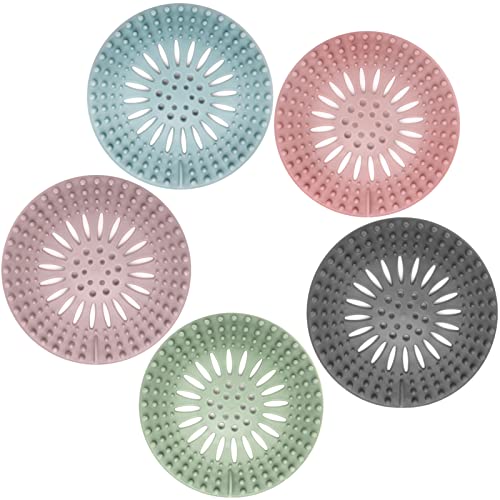



If you share your bathroom, have long hair, or regularly shave in the shower or sink area, you’ll likely need more frequent cleaning. This advice applies to most standard pop-up/strainer drain covers—especially the ones that trap hair, skin flakes, and soap scum.
Weekly quick clean (what to do)

A weekly quick clean keeps the bathroom drain cover functioning smoothly and prevents hair + soap scum from turning into a stubborn “mat.” Here’s the practical routine: remove what you can reach, wipe away residue, rinse with hot water, and reinstall promptly so gunk doesn’t start hardening again.
Start by removing the bathroom drain cover (strainer/pop-up assembly). If your cover lifts off by hand, do so gently—wiggle slightly if it feels stuck, rather than yanking. Pull out hair, lint, and visible debris you can reach with your fingers or a paper towel. If you’re dealing with shaving residue, you’ll often find compacted flakes that look like grayish “grit” around the strainer holes.
Next, wipe the bathroom drain cover and the visible top of the drain opening. Soap scum is usually the main early offender here: it forms a slippery film that becomes tackier after each rinse. Rinsing with hot water helps wash away loosened residue before it bonds strongly to metal or plastic surfaces. For hot-water temperature, many homes set heaters around 120°F (49°C) as a balance between cleaning effectiveness and scald risk (U.S. Department of Energy, 2024), so use water you can handle comfortably.
Finally, replace the cover promptly. Leaving a removed cover exposed for long periods can let small debris fall into the opening again—negating your cleanup. From an operational standpoint, weekly drain cover cleaning is “low effort, high control”: it resets the system before problems become physical blockages.
Monthly check (when you need more than quick wiping)
A monthly check tells you whether your bathroom drain cover needs more than the weekly routine. The goal is early detection: you’re looking for buildup patterns near the edges, slow-drain cues, and odor that suggests trapped waste beneath the cover.
First, inspect around the bathroom drain cover edges. Many clogs begin where water hits and splashes—so residue often accumulates at the perimeter seal area or just where the cover meets the tub/sink surface. Then look inside the strainer holes (if your drain cover has them). If you see a ring of hair/soap residue collecting in the holes, your weekly cleaning may not be thorough enough—or you may be missing the underside (which monthly checks should catch).
Next, watch for early warning signs. Slower drainage is the most actionable indicator because it reflects reduced flow through the drain opening—not just cosmetic grime. Gurgling can mean trapped air under partial blockage. A lingering bathroom smell can indicate organic material (hair, skin particles, soap scum) sitting long enough to produce odor compounds even if water still runs.
If your bathroom drain cover is collecting quickly—especially if you see visible hair within days—shift your schedule. Instead of waiting for the monthly deep-clean window, move to every 1–2 weeks until the pattern stops.
How Bathroom Drain-Cover Conditions Change Your Best Cleaning Interval
| # | Bathroom drain-cover condition | Primary buildup | Best interval to avoid clogs | Weekly-schedule fit |
|---|---|---|---|---|
| 1 | Single-user household | Light hair + minimal soap film | Weekly quick clean + 1–3 months deep clean | ★★★★★ 5.0 |
| 2 | Two users, average hair length | Hair threads caught in strainer holes | Weekly; deep clean at ~2 months | ★★★★☆ 4.2 |
| 3 | Long hair + high shower frequency | Hair mats + soap scum rings | Every 1–2 weeks; deep clean at 1–2 months | ★★★☆☆ 3.1 |
| 4 | Frequent shaving at sink/shower | Skin flakes + fine hair fragments | Weekly; deep clean around 1–2 months | ★★★☆☆ 3.4 |
| 5 | Hard-water area | Faster soap scum buildup | Weekly + quicker deep clean (~1–2 months) | ★★★☆☆ 3.2 |
| 6 | Visible buildup within 7 days | Accumulating residue in holes | Switch to every 1 week until normalized | ★☆☆☆☆ 1.8 |
| 7 | Recent partial clog / odor spike | Trapped debris under cover | Deep clean immediately; then 1–2 weeks | ★☆☆☆☆ 1.6 |
Deep clean every 1–3 months (for stubborn buildup)
A deep clean every 1–3 months restores flow and prevents the bathroom drain cover from becoming a “filter” that traps more waste than it releases. You do it less often because it targets residue that weekly wiping and rinsing can’t fully remove.
Begin with soaking the bathroom drain cover in warm water with dish soap, or a gentle bathroom cleaner. Soaking matters because hair and soap scum often bond to metal or coated surfaces; heat and surfactants (cleaning agents that lift oils) help loosen that bond. In hard-water areas, soap scum forms faster because minerals like calcium and magnesium react with soap; U.S. Geological Survey (USGS) notes hardness is commonly expressed in mg/L as calcium carbonate, and waters above 180 mg/L are often considered very hard (USGS, 2022). That doesn’t mean you can’t maintain drains—it means you’ll likely hit the 1–3 month window closer to the lower end.
Next, scrub the strainer holes with a small brush or an old toothbrush. Focus on the tiny openings where hair threads catch and where residue builds out of sight. Then rinse thoroughly—detergent film left behind can attract new grime quickly.
After reinstalling the bathroom drain cover, flush with hot water. Hot water helps push loosened debris through the drain opening, reducing the chance that you “clean the cover but leave the clog.” Use comfortable hot water rather than dangerously hot water; for scalding risk context, burn-prevention materials note that water around 140°F can cause serious burns within minutes (American Burn Association materials, 2023).
If your deep clean doesn’t restore drainage, the issue may be deeper in the plumbing. In that case, keep cleaning the bathroom drain cover as maintenance, but consider professional assistance for the actual blockage.
Use the right cleaning method (so you don’t damage anything)
The safest rule is simple: remove physical buildup first, use gentle cleaners second, and avoid over-aggressive chemicals on a recurring basis. Doing it this way protects the bathroom drain cover finish and prevents you from accidentally worsening the problem.
Avoid harsh scrubbing on delicate finishes. Chrome and coated covers can dull, scratch, or develop micro-pitting if you use steel wool or overly abrasive brushes. Even when a stain “comes off,” the surface damage can make future buildup stick faster.
Be careful with strong drain chemicals. While chemical drain openers can help dissolve certain organic materials, frequent use can also damage some components, create residues, and make future cleaning messier. It can also be counterproductive if your clog is mainly hair—a physical mass—because liquids may not penetrate effectively into a hair mat.
If hair clogs are the main issue, focus on removing hair first. Liquid cleaners work better on residues and films; they’re less effective when the blockage is a physical weave of hair and soap scum.
To make the decision clearer, here’s a practical comparison you can use for bathroom drain cover maintenance:
| Approach | Best for | Pros | Cons / limits |
|---|---|---|---|
| Mechanical removal (hair/lint pull) | Hair mats, lint, skin flakes on the cover | Fast, no finish damage, tackles the real blockage | Doesn’t dissolve soap scum film by itself |
| Warm soak + gentle detergent | Soap scum and residue in strainer holes | Safer on finishes; loosens bonded grime | Requires time (soaking) and rinsing |
| Drain chemicals (sparingly) | Occasional odor/residue issues—not physical hair clogs | May reduce nuisance buildup when used correctly | Repeated use can damage some parts; read labels carefully |
What can go wrong (and how to prevent it)
If you get the timing wrong, bathroom drain clogs become harder to remove and more likely to affect drainage. The “prevent it” part comes down to consistency, correct cleaning coverage (including the underside), and restraint with harsh chemicals.
– You clean too rarely: hair and soap scum harden, making clogs harder to remove.
– You skip the underside: buildup often hides on the bottom of the cover where water hits.
– You use harsh cleaners too often: residue can build up, causing more grime to stick over time.
– Your drain design is unusual: if your cover uses specialty clips or seals, cleaning frequency should match the manufacturer’s guidance.
A common edge case is assuming “the top looks clean” means the drain cover is clean. In reality, bathroom drain cover undersides often collect the thickest mixture of hair and detergent residue. Another edge case is using chemicals when the clog is primarily physical: if water is slow but doesn’t back up, you may be dealing with a hair mat that needs mechanical removal.
Also note: as of 2026, many households are managing more product variety in bathrooms (haircare, body washes, shaving gels). Those formulations can change how soap scum behaves, so watch what your bathroom drain cover is doing rather than relying only on past routines.
Verdict / tip (best schedule for most bathrooms)
If your drain is draining normally and you’re not seeing heavy hair buildup, a weekly quick clean plus a deeper clean every 1–3 months is usually the sweet spot. Skip strict monthly deep cleans only if you’re getting persistent odor, visible grime, or slow drainage—those are signs you should increase frequency. If you have a specialty drain system (installed with unusual parts, seals, or coatings), follow its maintenance instructions first.
A smart way to think about bathroom drain cover maintenance is risk-based scheduling: the more hair, shaving residue, shared use, and soap scum generation you have, the closer you should keep bathroom drain cover cleaning to weekly and deep-clean toward the lower end of 1–3 months.
Quick checklist (save this)
– Weekly: remove cover → pull out hair/lint → wipe/rinse → reinstall
– Every 1–3 months: soak cover → scrub holes → rinse thoroughly → flush with hot water
– Any time you notice: slow drainage, odor, gurgling, or visible buildup → clean immediately
– Avoid: frequent harsh chemical use; rough scrubbing on delicate finishes
Frequently Asked Questions
How often should you clean a bathroom drain cover to prevent clogs?
In most bathrooms, you should clean the drain cover every 1 to 2 weeks to remove hair, soap scum, and buildup before it turns into a clog. If you notice slower drainage or visible residue around the drain, increase cleaning to once per week. For households with multiple people or long hair, weekly cleaning is often the safest routine.
What’s the best way to clean a bathroom drain cover without damaging it?
Start by removing the drain cover (if it’s removable) and scraping off hair and debris with a plastic tool or gloved fingers. Soak the cover in warm water with dish soap or a mild bathroom cleaner, then scrub with an old toothbrush to get into the holes and grooves. Rinse thoroughly and dry before reinstalling, especially if the cover is metal, to reduce corrosion.
How do you know when your bathroom drain cover needs cleaning?
Signs you need to clean it include standing water, a gurgling sound when water drains, a stronger musty odor, or visible buildup around the cover. You may also see hair tangles or slimy soap scum collecting in the drain holes. If you’ve recently noticed these issues, clean immediately and then adjust your routine frequency to prevent repeat problems.
Why is regular cleaning of the drain cover important for bathroom plumbing?
The drain cover acts as the first filter for hair and debris, but buildup can block flow and cause slow drainage that stresses your plumbing. Over time, accumulated soap scum and organic matter can create odors and encourage further buildup deeper in the pipe. Keeping the bathroom drain cover clean helps maintain proper water flow and reduces the likelihood of needing harsher unclogging methods.
Which cleaning schedule works best for different bathroom usage levels?
For lightly used bathrooms (guest or infrequent use), cleaning the drain cover every 2 to 4 weeks may be sufficient. For daily showers or frequent use, plan on cleaning every 1 to 2 weeks, and weekly if you have long hair or notice frequent hair buildup. In high-traffic households, consider a quick check and clean every week plus a deeper clean monthly to keep your bathroom drain clear.
📅 Last Updated: November 03, 2026 | Topic: How Often Should You Clean the Drain Cover on Your Bathroom Drain? | Content verified for accuracy and freshness.
References
- https://pubmed.ncbi.nlm.nih.gov/?term=shower+drain+biofilm
- https://pubmed.ncbi.nlm.nih.gov/?term=sink+drain+biofilm+cleaning
- https://www.cdc.gov/coronavirus/2019-ncov/community/disinfecting-building-facility.html
- https://www.epa.gov/coronavirus/cleaning-and-disinfecting-when-coronavirus-concern
- https://www.who.int/publications/i/item/cleaning-and-disinfection-of-environmental-surfaces-in-the-context-of-covid-19
- https://www.cdc.gov/mold/default.htm
- https://en.wikipedia.org/wiki/Drain_cleaning
- https://scholar.google.com/scholar?q=how+often+clean+bathroom+drain+drain+cover+shower+drain Google Scholar
- https://scholar.google.com/scholar?q=shower+drain+biofilm+cleaning+disinfection+frequency Google Scholar
- https://scholar.google.com/scholar?q=bathroom+sink+drain+cleaning+maintenance+odor+biofilm+schedule Google Scholar

[…] most bathrooms, clean the drain overflow slot about every 1–3 months, or sooner if water drains slowly or you notice odors. This small opening can collect hair, soap […]