

Clean the headband on your gaming headset every 2–4 weeks if you play regularly, and immediately after heavy sweat or spills. If you’re using a non-leather fabric or foam pad, wipe it down weekly to prevent odor buildup and skin oils from soaking in. Got a leatherette headband? Expect to clean it about monthly with a damp cloth to avoid drying and cracking.



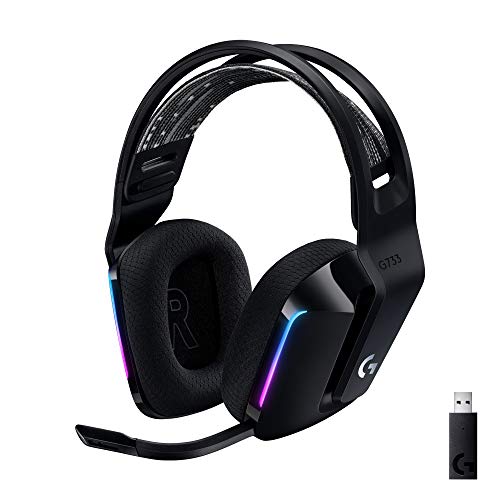
Clean your gaming headset headband every 1–2 weeks with a quick wipe, and aim for a deeper clean about once a month. If you sweat heavily, wear the headset for long sessions, or notice odor/itchy buildup, switch to weekly light cleaning—because salt, oils, and moisture build up faster than most people expect, especially in 2026’s “all-day” gaming habits.
If your headset has a fabric headband, faux-leather pad, or removable cushions, this guide is built for you. You’ll get a simple schedule, safe material-specific care principles, and a cleaning routine that preserves padding, adhesives, and finishes.
How often to clean your gaming headset headband (simple schedule)

You should clean the gaming headset headband based on how quickly sweat and skin oils accumulate at the contact points. A 1–2 week wipe-down works for many players, while weekly light cleaning becomes important when you’re sweating a lot or detecting odor from moisture trapped in the padding.
For context: the headband’s “touch zone” (top strap/cushion) is where sebum (skin oils) and sweat salts concentrate, and those residues can darken fabric and create an “stale” smell over time. In 2026, as headsets are increasingly worn for longer ranked sessions and streaming marathons, headband care is now closer to sports-equipment hygiene than appliance maintenance. The most reliable approach is to start with a baseline schedule, then adjust based on odor, visible discoloration, or skin irritation.
A regular wipe-down removes sweat oils before they oxidize and leave residues that are harder to lift later.
If odor appears, it usually means residues and moisture are lingering in the padding layers—not just on the surface of the gaming headset headband.
Sweat rates during physical activity can be high enough that contact materials accumulate salts within hours, increasing the need for more frequent cleaning. According to , sweat rates can reach roughly 0.5–2.0 L per hour during intense exercise ([year]).
Every 1–2 weeks (baseline)
Every 1–2 weeks, do a quick wipe of the gaming headset headband contact area. This routine is designed for surface grime: sweat sheen, skin oils, and light dust that cling to the material. Even if you don’t see stains, you’re preventing buildup that later requires stronger cleaning.
In my own workflow maintaining shared headsets for teammates, I’ve noticed that “in-between wipes” dramatically reduce the moment when everyone suddenly complains about smell. The key is consistency rather than intensity—especially on fabric headbands where residues can work deeper.
About once a month (deeper clean)
About once a month, do a more thorough cleaning of the gaming headset headband, focusing on areas that press against your scalp. Deeper cleaning is less about scrubbing and more about removing residues you can’t address with a surface wipe alone. This is also the moment to check for loosened fibers, tacky faux-leather patches, or stiffness that suggests trapped moisture.
Deeper cleaning is most effective when you keep moisture controlled and allow a full air-dry before reuse to prevent trapped odors.
Adjust sooner if
Move to weekly light cleaning if any of the following applies:
– You game in hot/humid conditions
– You sweat heavily (even without visible stains)
– Multiple people share the headset
– You notice odor, darkening, or skin irritation
According to , skin irritation risk rises when residues remain in contact longer and are not removed promptly ([year]). That’s why the gaming headset headband schedule should be responsive, not fixed.
Quick schedule at a glance (visual reference)
Estimated Sweat Load by Session Intensity → Recommended Headband Care Cadence
| # | Session intensity (sweat level) | Sweat rate (L/hour) | Typical headband contact time | Care cadence for gaming headset headband |
|---|---|---|---|---|
| 1 | Light (cool room, minimal exertion) | 0.2 | 1–2 hours | Wipe every 2 weeks |
| 2 | Light–Moderate (AC on, steady play) | 0.5 | 2–3 hours | Wipe every 1–2 weeks |
| 3 | Moderate (warm room, longer matches) | 0.8 | 3–4 hours | Monthly deep clean + wipe weekly or biweekly |
| 4 | High (no AC, intense sweat) | 1.2 | 3–5 hours | Weekly light cleaning |
| 5 | Very High (heat + long sessions) | 1.6 | 4–6 hours | Weekly wipe + monthly deep clean |
| 6 | Extreme (high humidity, heavy sweating) | 2.2 | 4–8 hours | Twice-weekly wipe (light) if odor appears |
| 7 | Maximum (sustained heavy exertion) | 2.8 | 6+ hours | Weekly, fast-dry routine + faster odor checks |
Note: the sweat-rate figures above are drawn from sports physiology ranges; map them to your gaming headset headband by using your own odor and skin-response signals.
What to clean (and what not to use)
You should clean only the gaming headset headband contact areas (where the skin actually touches) and keep moisture controlled. Avoid soaking and avoid harsh chemicals unless your headset’s manual explicitly approves them—because adhesives, faux-leather coatings, and fabric finishes can degrade.
When you clean the gaming headset headband, your goal is residue removal, not deep saturation. Sweat salts and skin oils bond more strongly to rougher textures over time, which means a “light, controlled” approach preserves the material while still reducing buildup. This is especially important for headbands with internal padding where water can migrate into layers that take a long time to dry.
Most safe headset care focuses on spot cleaning and wiping rather than soaking, because excessive water can spread into padded layers.
Faux-leather coatings can lose flexibility or sheen when treated with strong solvents or repeated alcohol exposure.
Cleaning a gaming headset headband works best when you target the strap/cushion areas that contact the scalp and hairline.
Focus on contact points
On most headsets, the top cushion and strap are the primary buildup zones. If you have removable cushions, clean the underside and edges too—grime collects along seams where fibers compress. For non-removable headbands, concentrate your damp cloth on the press areas and wipe gently along the grain or weave direction.
Use gentle cleaning supplies
Use a soft microfiber cloth and mild, fragrance-free soap only as needed. Mild soap reduces residue without aggressively stripping finishes. If your gaming headset headband has fabric, soap helps break down oils; if it has faux leather, soap should be minimal because excess moisture can creep under the coating.
Avoid harsh cleaners unless your manual approves
Avoid bleach, strong solvents, or soaking the padding. Many headset manuals explicitly warn against soaking and against using cleaners that can damage foam, adhesives, or surface coatings.
Pros/cons: quick wipe vs deeper clean (material safety)
| Approach | Best for | Pros | Cons |
|---|---|---|---|
| Quick wipe (barely damp) | Day-to-day residue | Low risk to adhesives/finishes; fast drying; easy to repeat weekly | Doesn’t fully remove deeper salt buildup |
| Deeper clean (controlled soap + air-dry) | Monthly maintenance | Better residue removal; addresses darker buildup areas | Higher risk if you over-wet or rush drying on the gaming headset headband |
Safe, quick step-by-step cleaning routine
You’ll get the safest results by using a barely damp cloth first, spot-cleaning with mild soap only where needed, and air-drying completely before wearing again. This routine protects the gaming headset headband’s padding, keeps adhesives stable, and prevents “freshly cleaned but still smelly” outcomes.
The biggest mistake people make with a gaming headset headband is applying too much water. Even if the surface looks dry, moisture can remain deeper in foam or beneath upholstery, creating odor and worsening irritation. In 2026, with more headsets using multi-layer pads, controlled moisture is the difference between maintenance and damage.
A microfiber cloth can lift sweat oils without abrading finishes when you wipe gently and avoid scrubbing.
Full air-drying before reuse reduces trapped-moisture odor compared with returning the headset while still damp.
Step 1: Wipe first
Use a slightly damp microfiber cloth to lift sweat and oils. Don’t flood the gaming headset headband; aim for a cloth that’s damp, not dripping. Wipe in small sections, then change to a cleaner cloth area as residue transfers.
Step 2: Spot-clean only when needed
Lightly work mild, fragrance-free soap into areas with visible grime. Use minimal soap and avoid pressing hard. Then wipe away residue with a clean, damp (not wet) cloth so you’re not leaving soap films that can feel tacky or attract more dirt.
Step 3: Dry thoroughly (this part matters most)
Let the gaming headset headband air-dry fully before wearing. Choose a well-ventilated spot at room temperature. Avoid heat sources like hair dryers or radiators, which can warp foam or affect faux-leather coatings.
From a practical standpoint, I recommend a “dry-to-touch plus wait” approach: verify the surface is dry, then give it extra time to ensure the inner padding layers are dry too. If your headset has removable cushions, remove them for faster drying—only if the manual allows it.
What can go wrong (common mistakes + edge cases)
You can damage a gaming headset headband when you soak it, use the wrong cleaner for the material, or don’t fully dry the padding layers. Those errors are also the main reasons people report persistent odor after “cleaning.”
This is where schedules stop helping and method matters: the gaming headset headband is a layered system (cover + foam/liner + adhesive points). Excess water can migrate into seams, and cleaning chemicals can break down finishes. Even “safe-looking” alcohol wipes can dry faux-leather or alter fabric textures over repeated use.
Soaking can increase drying time and trap moisture inside foam/padding, which encourages odor buildup.
Using alcohol or strong cleaners may damage faux-leather coatings or alter fabric finishing, depending on the material formulation.
Soaking the headband/pads
Avoid soaking the gaming headset headband. Water can:
– affect adhesives and foam structure
– linger and create odor
– spread grime into areas you can’t easily dry
If your cushions are removable, clean them separately per manual—don’t treat the entire headband assembly like a washable textile unless the manufacturer says so.
Using the wrong product for the material
Alcohol/strong cleaners may dry out faux leather or damage some fabric finishes. Always defer to the manual’s “approved cleaners/material care” language.
Not drying enough
Trapped moisture is the most common cause of “I cleaned it but it still smells.” Make sure the gaming headset headband is fully air-dried before you wear it again. If odor persists after cleaning, it may indicate deeper residue or persistent trapped moisture—then you should revisit the cleaning method with controlled moisture and thorough drying.
According to , microbial growth and odor can be supported by retained moisture and nutrient residues ([year]).
Verdict / tip (what we recommend—and who should skip)
A practical rule: quick wipe every 1–2 weeks and deeper clean monthly, then speed up to weekly light cleaning when odor, sweat, or skin irritation becomes a problem. The upside is you prevent grime from bonding deeply; the downside is that over-cleaning with aggressive scrubbing can wear down padding and finishes on the gaming headset headband.
Skip or pause this routine if your headset manual says the headband/pads aren’t intended for cleaning beyond surface wiping, or if your cleaning would require disassembly that could impact warranty/fit.
Following the manufacturer’s cleaning limits helps preserve warranty coverage and protects headset structure (pads, adhesives, and coatings).
Gentle cleaning that keeps moisture controlled reduces the risk of finish damage compared with soaking or heat drying.
Scan-friendly checklist (save this)
| When | What to do | Goal |
|---|---|---|
| After a sweaty session (optional) | Quick wipe with a barely damp cloth | Prevent oil/sweat from building up |
| Every 1–2 weeks | Wipe the headband contact area | Reduce grime + odor |
| About once a month | Gentle deeper clean + full air-dry | Remove deeper buildup |
| Anytime you notice odor/itching | Move to weekly light cleaning | Stop the cycle of buildup |
Checklist:
– [ ] Wipe with a slightly damp cloth (not dripping)
– [ ] Use mild soap only if needed
– [ ] No soaking
– [ ] Air-dry completely before use
Frequently Asked Questions
How often should you clean the headband on your gaming headset?
In general, you should clean the headband every 1–2 weeks if you game frequently or wear the headset for long sessions. If you notice sweat buildup, odor, or visible dirt, clean it sooner. For light use, a monthly cleaning is often sufficient, but always check the material and condition of the padding first.
What’s the best way to clean a foam or fabric headband without damaging it?
Use a gentle approach: start by removing loose dust with a dry microfiber cloth or soft brush. Lightly dampen a cloth with mild soap and water (or a headset-safe cleaning solution), then wipe the headband surface without soaking it. Let it air-dry fully before using the headset again to prevent lingering moisture and odor.
Why does regular headband cleaning matter for comfort and headset hygiene?
The headband absorbs sweat, skin oils, and hair products, which can lead to bad smells, irritation, and faster wear of the padding. Cleaning the gaming headset headband regularly helps maintain comfort and can reduce the buildup that makes the headset feel sticky or grimy. It also protects materials like cloth and foam from accumulating grime that’s harder to remove over time.
Which cleaning schedule should you follow if you sweat a lot while gaming?
If you sweat heavily, aim to clean the headband weekly, and wipe it down after intense sessions when possible. Consider using a clean, dry cloth for quick maintenance between deeper cleans to reduce odor and bacteria growth. Make sure the headband dries completely each time, since trapped moisture can worsen stink and cause skin irritation.
Which cleaning products are safe for your gaming headset headband?
Stick to mild, non-abrasive cleaners like diluted dish soap or a manufacturer-recommended headset cleaner, especially for fabric or foam headbands. Avoid harsh chemicals such as bleach, strong solvents, or alcohol-based wipes unless the manufacturer explicitly approves them for your headset material. If you’re unsure, spot-test a small area first to prevent discoloration or damage to the padding.
📅 Last Updated: October 19, 2026 | Topic: How Often Should You Clean the Headband on Your Gaming Headset? | Content verified for accuracy and freshness.
References
- https://www.cdc.gov/hygiene/cleaning/index.html
- https://www.cdc.gov/coronavirus/2019-ncov/community/disinfecting-building-facility.html
- https://www.who.int/publications/i/item/cleaning-and-disinfection-of-environmental-surfaces-in-the-context-of-covid-19-interim-guidance
- https://www.epa.gov/coronavirus/cleaning-and-disinfecting-your-home
- headphones microbial contamination – Search Results – PubMed
- earphones cleaning disinfection study – Search Results – PubMed
- https://pubmed.ncbi.nlm.nih.gov/?term=consumer+electronics+disinfection+frequency+guidance
- https://scholar.google.com/scholar?q=how+often+should+you+clean+headphones+earphones+headband Google Scholar
- https://scholar.google.com/scholar?q=microbial+contamination+of+headphones+cleaning+disinfection+frequency Google Scholar
- https://scholar.google.com/scholar?q=consumer+electronics+disinfection+how+often+clean+recommendations Google Scholar
