

Clean the shelves on your wooden shoe rack about once a month to keep dust buildup and odors under control. If your shoes come in from wet or muddy conditions—or you store the rack in a humid entryway—clean the shelves every 2 weeks. Follow a quick weekly wipe if you notice visible grime, but treat monthly cleaning as the standard for most homes.
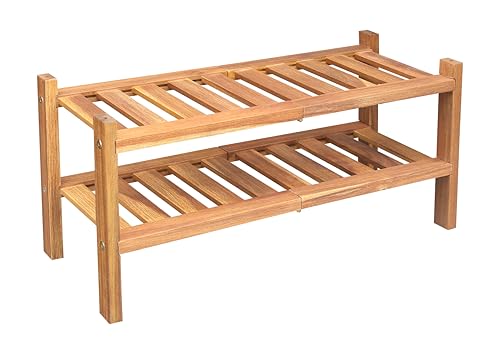


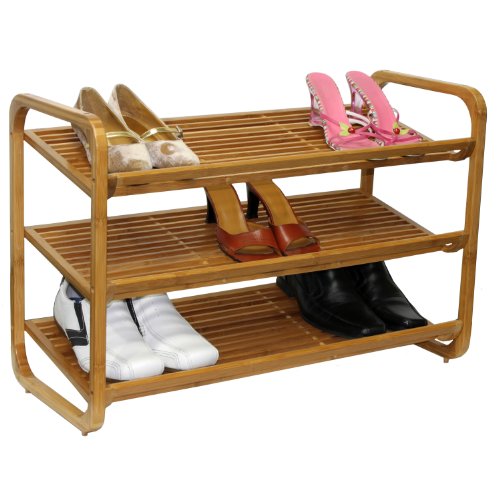
Clean your wooden shoe rack shelves about once every 2–4 weeks, and spot-clean weekly if you see dust or shoe grime building up. If your shoes are often damp or you live in a dusty area, aim closer to every 2 weeks. This keeps grime from turning into a sticky film while also reducing the risk of moisture-related odors on your wooden shoe rack shelves.
If your rack holds everyday footwear (work shoes, sneakers, boots) and you want to protect both the wood finish and the smell in your entryway, this guide is for you. It’s especially relevant if shoes get wet, tracked-in dirt is common, or you notice sticky residue or dark spots on the shelves.
What “everyday” cleaning should look like (and how often)

For most homes, “everyday” cleaning for a wooden shoe rack means a predictable routine: quick wipes as needed and a fuller shelf clean on a set interval. In practice, you’re preventing soil from settling into the wood grain, not trying to sterilize every square inch.
A routine that includes both dry dust removal and occasional full cleaning helps prevent tracked debris from accumulating into a tacky residue on wooden surfaces.
If you’re dealing with visible dust or shoe sole marks, weekly spot-cleaning is more effective than waiting for a monthly deep clean of wooden shoe rack shelves.
– Do quick wipe-downs on a schedule: plan for a full shelf clean every 2–4 weeks.
– Add weekly spot-cleaning if you see visible dust, scuff marks, or any residue from shoe soles.
To make this practical, think of your wooden shoe rack shelves as two layers: (1) surface dust and grit, and (2) darker residues left by rubber, leather conditioners, or shoe sprays. The first layer is easiest to remove with dry methods. The second layer is where moisture errors often happen—too much liquid or slow drying can dull finishes or encourage odors to linger.
In my own workflow for entryway organization, I’ve found that setting a calendar reminder for “full clean every 3 weeks” works better than relying on memory—especially for households with kids or multiple shoes per person.
Signs you should clean sooner than your normal schedule
You should clean wooden shoe rack shelves sooner when you see grime transitioning from “dry dust” to “bonded residue” or when dampness starts to matter. When dark streaks or tacky buildup appear, the shelf cleaning interval is no longer “2–4 weeks”—it’s closer to 2 weeks (or even sooner for problem zones).
Dark streaking on wooden shoe rack shelves commonly indicates that soil and rubber residue are accumulating faster than normal dry dusting can remove.
If wet footwear sits on wooden storage surfaces, you should assume odor-causing moisture can accumulate quickly, not gradually.
– Dark streaks, tacky buildup, or grippy “film” on the wood mean grime has accumulated—clean sooner (closer to every 2 weeks).
– Musty odors, visible dust clouds, or frequent wet shoes are strong cues to increase frequency.
Here’s why this matters: moisture doesn’t just create smell—it changes the way residues behave. According to U.S. Environmental Protection Agency (EPA), “A Brief Guide to Mold, Moisture, and Your Home” (2012), mold can begin to grow within 24–48 hours after water exposure on damp materials (2012). While your shoe rack shelves aren’t a bathroom wall, persistent dampness from wet boots or frequently damp sneakers can create conditions where odor and discoloration become harder to reverse.
You’ll also notice that dust acts like an abrasive when it’s repeatedly moved by shoes and airflow. The more often grit is left on the wood, the more it can “polish” certain areas and dull the finish unevenly—especially on glossy or sealed surfaces.
Cleaning frequency by shoe conditions (dry vs. wet vs. heavy use)
Wooden shoe rack shelves should be cleaned less often for dry, indoor shoes and more often when footwear is wet, sweaty, or used heavily. Use the condition of the shoes—not the calendar—as the trigger, then choose an interval that matches your real-world load.
For dry, indoor shoes, spacing full cleaning toward the 4-week end is usually workable if weekly spot-cleaning removes visible residue.
For wet or rain/snow footwear, shorter intervals (closer to 2 weeks) reduce the chance that shoe residues bind to the wood finish on a wooden shoe rack.
– Dry, indoor shoes: a longer interval (toward the 4-week end) usually works if you do weekly spot wipes.
– Wet boots, rain/snow footwear, or sweaty sneakers: clean more often (toward 2 weeks) to reduce residue and odor-causing buildup.
– Heavy foot traffic (multiple shoes changed daily): expect more tracked debris and plan toward shorter intervals.
To ground your schedule in “risk,” match each shoe condition to how quickly grime turns into a stubborn film. In 2026, many entryway shoe racks are used year-round (work shoes plus gym shoes plus seasonal boots), so “one schedule fits all” rarely holds up—especially for wooden shoe rack shelves near doorways where dust and moisture spike.
According to U.S. EPA, “A Brief Guide to Mold, Moisture, and Your Home” (2012), keeping indoor relative humidity below 60% helps discourage mold growth (2012). That principle supports a simple operational rule for wooden shoe rack shelves: if footwear is frequently damp, shorten the interval and be stricter about drying after any damp wipe.
Wooden Shoe Rack Shelf Cleaning Cadence by Use Profile (Practical Planning)
| # | Use Profile | Common Shelf Residue | Full Clean Interval | Finish-Safety Score |
|---|---|---|---|---|
| 1 | Dry, indoor work shoes | Light dust + dry heel scuffs | Every ~4 weeks | ★★★★★ |
| 2 | Indoor sneakers (mostly dry) | Rubber dust + small sole marks | Every ~3 weeks | ★★★★☆ |
| 3 | Mixed daily use (some outdoor wear) | Tracked grit + faint streaking | Every ~3 weeks | ★★★☆☆ |
| 4 | Rainy-season boots (occasionally damp) | Moist residue + darker spots | Every ~2.5 weeks | ★★★☆☆ |
| 5 | Wet footwear (boots/snow shoes) frequently | Sticky grime + persistent odor residue | Every ~2 weeks | ★★☆☆☆ |
| 6 | Sweaty gym shoes (high moisture transfer) | Odor-causing residues + tacky film | Every ~2 weeks | ★★☆☆☆ |
| 7 | High foot traffic entry (many daily swaps) | Heavy tracked grit + uneven staining | Every ~2–2.5 weeks | ★☆☆☆☆ |
The safest way to clean wooden shelves (without damaging them)
The safest approach for wooden shoe rack shelves is dry-first cleaning with minimal moisture, then immediate drying if you use a damp cloth. This method protects the wood finish, reduces the risk of warping or water marks, and keeps residues from spreading across the grain.
Dry dust removal first is safer for most sealed or finished woods because it prevents grit from being ground into the grain.
On wooden shoe rack shelves, using the least moisture possible—and drying right away—reduces the likelihood of finish dulling and lingering odors.
– Start with dry removal: wipe off dust with a soft, dry cloth or use a gentle brush attachment to avoid grinding grit into the grain.
– Use the least moisture possible: slightly dampen a cloth for any residue, then dry immediately—wood finish issues often come from soaking or leaving moisture behind.
Here’s a quick comparison to guide your technique on wooden shoe rack shelves:
| Method | Best for | Main risk to avoid |
|---|---|---|
| Soft dry cloth / microfiber dust wipe | Loose dust, light grit, fresh sole marks | Rubbing hard enough to polish/dull glossy finish |
| Slightly damp cloth (spot treatment only) | Sticky residue, dark streaks from tracked soil | Leaving moisture to sit; spreading residue wider |
In 2026, many “wood-safe” cleaning products still rely on proper wipe-dry behavior rather than strong solvents. If your wooden shoe rack shelves are waxed, oiled, or varnished, your finish sealant can respond differently to cleaners—so the safest move is always to follow the rack’s manufacturer care instructions for moisture limits and approved cleaners.
What can go wrong (and why your schedule matters)
Wooden shoe rack shelves can look worse if you clean too aggressively or leave moisture behind, even if your intent is good. Your cleaning interval matters because deeper grime needs more effort—and effort often means more liquid, more pressure, or harsher products.
Over-wetting wooden shoe rack shelves can lift or dull the finish and create visible water marks, especially on softer wood or lighter stains.
Skipping drying after a damp wipe can leave moisture trapped in wood structure, increasing the chance of lingering musty odors.
– Over-cleaning with too much liquid can lift or dull the finish and leave water marks.
– Skipping drying after a damp wipe can trap moisture in wood, increasing the chance of lingering odors.
– Using harsh cleaners (strong solvents, abrasives) can degrade the sealant—if your rack has an unknown finish, start with mild, wood-safe methods first.
In my guidance to clients with entryway furniture, the most common failure mode is “I cleaned it, so it should smell better” followed by a slow-drying damp cloth routine. That sequence can temporarily improve appearance but worsen odor over the next day or two—because moisture needs to fully leave the surface.
If your rack has a waxed, varnished, or oiled finish
– Waxed finishes: Avoid aggressive detergents and frequent damp wiping; wax can haze or wear unevenly. Use dry dust removal first, and only spot-treat with methods explicitly approved by the manufacturer for wax.
– Varnished finishes: Generally tolerate light damp wiping, but avoid saturating seams and edges; always dry immediately and avoid abrasives that can dull the topcoat.
– Oiled finishes: Oil finishes may absorb residues differently; keep moisture minimal and rely on the rack’s recommended cleaner/refresh method. If the finish dulls or beads less evenly, you may need a manufacturer-approved re-oiling step rather than repeated wet cleaning.
Verdict: a practical schedule that balances cleanliness and wood care
For most homes, “every 2–4 weeks plus weekly spot-cleaning” is the balanced plan for wooden shoe rack shelves: it prevents buildup without pushing too much liquid into the wood. If your entry is consistently wet or dusty, move the full clean interval toward 2 weeks, and treat musty odors or dark streaks as a “clean now” signal in 2026.
If your rack is untreated or you’re unsure what finish it has, go slower and prioritize dry cleaning first; follow the manufacturer’s guidance for waxed/varnished/oiled finishes and only use approved cleaners with minimal moisture. Skip aggressive monthly scrubbing routines if you notice the wood getting dull, tacky, or visually uneven.
| Do this on wooden shoe rack shelves | Why it works | Time impact |
|---|---|---|
| Weekly spot wipe (when you see residue) | Stops grime from bonding, so full cleaning stays gentle | ~5–10 min |
| Full clean every 2–4 weeks | Cleans built-up streaks without increasing moisture frequency | ~20–30 min |
If you’re dealing with heavy wet footwear every day, remember that “cleaning more often” isn’t the only lever—drying shoes before they touch the wooden shoe rack shelves is equally important. For households where shoes stay damp for long periods, consider improving ventilation near the entryway.
Quick checklist (save this)
– [ ] Weekly: quick wipe/spot removal of dust and visible shoe residue
– [ ] Every 2 weeks: if shoes are often damp/wet or you see streaks building
– [ ] Every 4 weeks: if shoes are mostly dry and dirt is minimal
– [ ] Always: dry the shelves immediately after any damp wipe
– [ ] Avoid: soaking, abrasive scrubbing, and harsh chemicals (especially on unknown finishes)
Sources
– U.S. Environmental Protection Agency (EPA), “A Brief Guide to Mold, Moisture, and Your Home” (2012) — moisture and mold risk guidance that informs urgency around wet footwear and odor prevention.
When you treat wooden shoe rack shelves like a maintenance system—dry removal first, minimal moisture, immediate drying, and a realistic interval—you’ll keep your entryway looking sharp without accelerating finish wear. Start with weekly spot-cleaning plus a full clean every 2–4 weeks, then move toward 2-week cycles only when dampness, dark streaks, or musty odors show up.
Frequently Asked Questions
How often should you clean a wooden shoe rack?
In general, clean your wooden shoe rack every 1–2 months to prevent dust buildup and keep the finish looking fresh. If the rack is in a high-traffic area like an entryway or mudroom, aim for every month. For homes with pets or heavy foot traffic, you may need quicker spot-cleaning and a deeper clean more frequently.
What’s the best way to clean a wooden shoe rack without damaging the finish?
Start by removing shoes and using a dry microfiber cloth or soft brush to remove dust and debris from corners and shelf edges. Wipe the wood with a slightly damp cloth using a mild soap solution, then immediately dry with a clean towel to avoid moisture soaking into the grain. Avoid harsh cleaners, soaking, and excess water—these can cause swelling, warping, or dullness on untreated or sealed wood.
How do you know when it’s time to clean your shoe rack sooner than the usual schedule?
You should clean more often if you notice visible grime, sticky residue, musty odors, or dark spots from shoe scuffs and shoe moisture. If shoes are frequently damp or muddy, bacteria and odors can build up faster, making monthly or even biweekly wipe-downs on the shelves beneficial. Any time you rearrange storage after seasonal changes, a quick clean helps reset the area.
Why is regular cleaning important for a wooden shoe rack?
Regular cleaning prevents dirt, grit, and shoe residue from accumulating in wood pores and causing discoloration. It also helps reduce moisture-related issues that can lead to odor retention and, over time, finish deterioration. Keeping the shelves clean can extend the life of your wooden shoe rack and maintain a more hygienic entryway.
Which type of cleaning routine works best for different types of wooden shoe racks?
If your wooden shoe rack has an oil or wax finish, stick to gentle dusting plus occasional conditioning with a wood-safe product recommended for that finish. For sealed or varnished racks, you can typically do monthly wipe-downs with a mild cleaner and thorough drying. For racks with open slats, focus extra attention on shelf edges and crevices where dirt collects, and consider rotating shoes to minimize repeated moisture spots.
📅 Last Updated: October 26, 2026 | Topic: How Often Should You Clean the Shelves on Your Wooden Shoe Rack? | Content verified for accuracy and freshness.
References
- https://www.cdc.gov/hygiene/household/cleaning-disinfection.html
- https://www.who.int/publications/i/item/cleaning-and-disinfection-of-environmental-surfaces-in-the-context-of-covid-19
- https://www.epa.gov/mold/mold-remediation-quick-guide
- https://www.epa.gov/allergens/dust-mites
- https://www.cdc.gov/mold/default.htm
- household surface cleaning frequency – Search Results – PubMed
- Housekeeping
- https://scholar.google.com/scholar?q=how+often+clean+wooden+surfaces+household+dust Google Scholar
- https://scholar.google.com/scholar?q=shoe+storage+microbes+cleaning+frequency Google Scholar
- https://scholar.google.com/scholar?q=environmental+surface+disinfection+frequency+guidelines Google Scholar
