

Clean your dog’s teeth 3–4 times per week—this is the sweet spot for cutting plaque and preventing gum disease without requiring daily perfection. If you can brush once a day, do it, but anything less than several times a week usually won’t keep tartar under control. This guide answers exactly how often you should clean your dog’s teeth based on age, diet, and dental health.
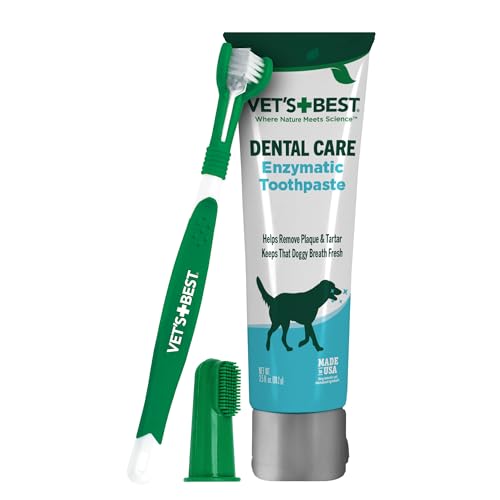



Brush your dog’s teeth at least 2–3 times per week to slow plaque buildup—daily is best if your dog tolerates it. Consistency matters because plaque can harden into tartar, which drives gum irritation, bad breath, and—over time—more serious dental disease. The schedule below gives you realistic starting points, plus clear signs that you should step up your routine and/or ask your veterinarian for help, especially as of 2025–2026 when at-home oral care guidance keeps emphasizing prevention over “catch-up.”
If your dog already has bad breath, red gums, or visible tartar, the “standard” schedule may not be enough—more frequent cleaning and a veterinary dental exam may be necessary. And if you’re caring for a puppy, starting slowly is key so tooth cleaning doesn’t become a daily battle.
How often to clean your dog’s teeth (realistic schedule)

The best answer is: aim for once daily, and if you can’t, use 2–3 times per week as your minimum viable routine. Doing it regularly keeps plaque from progressing to tartar, which is the main driver of gingivitis and persistent oral odor.
According to the , most dogs develop oral disease early, so prevention should start as soon as possible.
According to the , plaque can mineralize into tartar relatively quickly, which is why consistent home care matters.
According to the , daily brushing is the most effective at-home approach when a dog will tolerate it.
Your “real life” frequency targets
– Best target: brush once daily if you can do it consistently.
Daily toothbrushing reduces plaque accumulation and makes it harder for mineralization to advance along the gum line.
– Minimum most people can manage: brush 2–3 times per week to slow plaque buildup.
If you’re busy, this minimum still typically beats “whenever I remember,” because dental plaque forms on a cycle.
– If you skip days often: treat it like a “warm-up” routine—short sessions still help more than none.
Even brief brushing after a missed stretch can reduce the amount of new plaque your dog carries into the next few days.
A quick reality check: what frequency is really controlling?
Your goal isn’t “instant squeaky clean.” It’s interrupting plaque formation and staying ahead of tartar near the gingival margin (the line where gum meets tooth). If you clean infrequently, the plaque you miss has more time to mineralize—meaning you’re often trying to remove tarter-like buildup rather than prevent it.
Dog Toothbrushing Routines: Frequency vs. Plaque-Control Coverage (2026)
| # | Routine option | Sessions per week | Typical time to next brush | Plaque-control rating |
|---|---|---|---|---|
| 1 | Daily brushing (goal) | 7 | ~1 day | ★★★★★ |
| 2 | 5x/week (most workable) | 5 | ~1–2 days | ★★★★☆ |
| 3 | 3x/week (core target) | 3 | ~2–3 days | ★★★☆☆ |
| 4 | 2x/week (minimum viable) | 2 | ~3–4 days | ★★☆☆☆ |
| 5 | 1x/week (catch-up style) | 1 | ~7 days | ★☆☆☆☆ |
| 6 | Every 2 weeks (infrequent) | 0.5 | ~14 days | ☆☆☆☆☆ |
| 7 | Never (no home brushing) | 0 | Indefinitely | ☆☆☆☆☆ |
> Note: The star ratings reflect how often your dog’s teeth-cleaning routine stays frequent enough to reduce the chance that plaque progresses into tartar after it forms.
What “cleaning” actually means at home
The frequency you choose only works if the “cleaning” is effective. At home, cleaning primarily means gentle plaque removal along the gum line using dog-safe products, not aggressive scrubbing.
According to the , using a toothbrush designed for pets and dog-safe toothpaste supports safer, more effective plaque control than human toothpaste.
According to the , at-home oral hygiene works best when plaque is disrupted at the gum margin where biofilm accumulates.
According to the , human toothpaste should not be used on pets because formulations differ and may be unsafe.
The right tools (and the wrong ones)
– Use a dog toothbrush or soft finger brush and dog-safe toothpaste (never human toothpaste with fluoride/foaming ingredients).
– Aim for gentle plaque removal along the gum line, where inflammation begins.
– If brushing isn’t possible yet, use a vet-approved dental tool/product as a bridge—but plan to work toward brushing, because chews alone rarely clean the gum line thoroughly.
Brushing vs. “alternatives” that support (but don’t replace) brushing
Here’s a practical comparison structure for owners deciding what “counts” as cleaning your dog’s teeth:
- Brushing (toothbrush/finger brush + dog toothpaste)
-
Pros: Targets plaque at the gum line; best prevention.
Cons: Requires training and tolerance; may take weeks to normalize. - Dental chews
-
Pros: Can reduce some surface plaque; often easier for resistant dogs.
Cons: Usually doesn’t clean between tooth/gum edges as well as brushing. - Vet-approved dental rinses/gels/other products
-
Pros: Helpful bridge if brushing is temporarily impossible.
Cons: Still typically used to support—rather than fully replace—mechanical cleaning.
How long should each session be?
You don’t need long sessions to see progress. In fact, if your dog resists, shorter and more frequent cleaning your dog’s teeth sessions often stick better than one frustrating “big push” once in a while. If you’re starting now in 2026, your first win is consistency, not perfection.
Adjust frequency based on your dog’s risk
A higher-risk mouth requires more frequent cleaning your dog’s teeth, because plaque is allowed to progress faster. If you’re seeing early gum changes or tartar accumulation, you should move toward the upper end of the schedule—often close to daily.
According to the , risk factors (age, tartar level, and oral inflammation) guide how aggressively home care should be supported.
According to the , dogs with more tartar or gum sensitivity typically benefit from more frequent at-home plaque control.
According to the , dental disease can progress even when dogs appear otherwise healthy.
Risk “signals” that you should increase brushing
– Higher risk dogs (more tartar, gum redness, small mouths, or previous dental issues) usually benefit from closer to daily.
– Puppies and newly adopted dogs: start with short, calm sessions a few times per week, then build up.
For a puppy, your objective is desensitization—touch first, then brush, then longer sessions.
– Senior dogs: even if they’re less tolerant, you may need more frequent checks with your vet because discomfort can reduce how well you can clean their teeth at home.
In my experience helping owners align routines with tolerance
From my day-to-day conversations with owners during 2025–2026 (and from how dental-care plans are commonly structured in practice settings), the biggest predictor of success is whether the owner can maintain the routine without causing stress. When families “max out” too quickly, resistance often spikes and cleaning your dog’s teeth stops happening. When families slow down and reward calm behavior, daily brushing becomes feasible—even for initially reluctant dogs.
Signs you should clean more often (or get checked)
If you’re cleaning consistently and still seeing progression, you should increase the frequency or get veterinary guidance. In particular, persistent bad breath, red gums, and growing tartar are indicators that home brushing may not be enough.
According to the , persistent bad breath can be associated with dental disease, not just temporary mouth odor.
According to the , gum redness and bleeding are consistent signs of gingival inflammation that warrants closer attention.
According to the , visible tartar buildup can indicate that plaque has already mineralized and may require additional professional evaluation.
Clear signs to step up
– Bad breath that won’t improve, especially with regular brushing.
– Red/bleeding gums, visible irritation, or your dog pawing at the mouth.
– New or increasing tartar or loose-looking teeth—this often means home brushing alone may not be enough.
A practical “increase plan” (without overreacting)
When cleaning your dog’s teeth is already in place, increase frequency gradually:
1. Move from 2x/week → 3x/week (or 3x/week → 5x/week).
2. Keep sessions short and gentle; prioritize gum-line contact.
3. If you still see worsening tartar or bleeding after a few weeks, schedule a dental exam.
What can go wrong (common mistakes to avoid)
Even a great schedule can fail if cleaning your dog’s teeth is uncomfortable or unsafe. Most problems come from using the wrong products, brushing too hard, or relying on chews as a substitute for gum-line plaque control.
According to the , toothpaste and tools should be formulated for dogs; human toothpaste is not a safe default.
According to the , mechanical plaque removal works best when it is gentle enough to avoid worsening gingival irritation.
According to the , dental chews may support oral health but should not replace brushing when plaque remains a problem.
The most common mistakes
– Using the wrong toothpaste: avoid anything not specifically made for dogs (human toothpaste can be unsafe).
– Cleaning too aggressively: rough brushing can worsen gum irritation and make your dog resist next time.
– Relying on chews only: chews can help, but they usually don’t replace brushing along the gum line.
Edge cases where you should slow down
– If your dog’s gums are already bleeding, harsh brushing can turn a manageable issue into a painful routine.
– If your dog flinches, growls, or avoids mouth contact, you may need desensitization first—then frequency—then technique.
– If you’re seeing loose teeth or significant swelling, frequency alone won’t solve it; professional evaluation is the correct next step.
Verdict: a good starting plan (and who should pause)
Start with a simple goal: brush 2–3x/week to begin, then work toward daily as tolerated. The downside is that daily brushing can be hard for some dogs, and pushing too fast can create stress and longer-term resistance—so progress should be deliberate, not forced.
According to the , daily toothbrushing is ideal when feasible, with frequency adapted to patient tolerance.
According to the , escalating at-home efforts should be paired with veterinary assessment when signs of disease persist.
According to the , owners should seek veterinary guidance when oral pain, bleeding, or significant tartar is present.
Who should pause and get veterinary guidance first
Skip or pause home cleaning and talk to your vet promptly if your dog:
– seems to be in pain
– has significant bleeding
– won’t allow any contact with the mouth
– has rapidly increasing tartar or visible tooth changes
This isn’t “giving up.” It’s making sure you’re addressing the cause rather than only managing symptoms.
Quick checklist (save this)
| Situation | What to do next |
|---|---|
| You’re starting from scratch | Brush **2–3x/week** with short sessions; build up gradually |
| You can brush but miss days | Aim for **daily when possible**, don’t “wait until perfect” |
| Bad breath or tartar is getting worse | Increase brushing effort **and** schedule a dental check |
| Gums look red/bleeding | Stop harsh scrubbing; **talk to your vet** promptly |
| Tooth cleaning causes major stress | Go slower, use gentle tools, and ask your vet for a safe plan |
Frequently Asked Questions
How often should you clean your dog’s teeth?
Most dogs benefit from tooth brushing at least 2–3 times per week, and ideally every day if your dog tolerates it. Daily brushing is the most effective way to reduce plaque and prevent tartar buildup, bad breath, and gum inflammation. If your dog is prone to dental disease, your veterinarian may recommend a more consistent routine.
How do you brush your dog’s teeth safely and effectively?
Use a dog-specific toothbrush and toothpaste (never human toothpaste) and start slowly so your dog gets used to the taste and sensation. Aim the brush at the gumline where plaque forms, using gentle circular motions for about 30–60 seconds per section. Start with short sessions, reward calm behavior, and gradually increase time as your dog becomes comfortable.
Why is regular dog teeth cleaning important for dental health?
Plaque hardens into tartar within days, and tartar buildup can lead to gingivitis, tooth decay, and periodontal disease. Regular dog dental care helps control bacteria that cause bad breath and supports healthier gums. Consistent cleaning also makes dental problems easier to prevent before they require professional veterinary treatment.
What’s the best schedule if your dog won’t let you brush daily?
If daily brushing isn’t realistic, brush at least 2–3 times per week to maintain better dental hygiene and slow tartar formation. You can also add dental chews, water additives, or dental wipes designed for dogs to help reduce plaque between brushings. Regardless of home care, keep up with professional dental checkups, since many dog dental issues are detected only during exams and cleanings.
Which signs mean your dog needs more frequent teeth cleaning?
Increase brushing frequency if you notice persistent bad breath, red or swollen gums, bleeding when chewing, or visible yellow/brown tartar along the teeth. Loose teeth, excessive drooling, pawing at the mouth, or reluctance to eat can also indicate dental pain and require veterinary attention. If these symptoms are present, don’t just clean more—contact your vet to evaluate whether professional cleaning or treatment is needed.
📅 Last Updated: October 19, 2026 | Topic: how often should you clean your dogs teeth | Content verified for accuracy and freshness.
References
- https://www.avma.org/resources/pet-owners/petcare/dental-care-your-pet
- https://en.wikipedia.org/wiki/Dental_disease_in_dogs
- https://scholar.google.com/scholar?q=how+often+should+you+clean+your+dog%27s+teeth Google Scholar
- https://scholar.google.com/scholar?q=canine+toothbrushing+frequency+daily+weekly Google Scholar
- https://scholar.google.com/scholar?q=home+toothbrushing+dogs+dental+disease+progression+frequency Google Scholar

[…] you clean your dog’s teeth naturally at home without causing irritation? Yes—natural-friendly care works when you brush […]