
Learn how to clean dog teeth naturally with a simple, effective home routine that actually cuts plaque and freshens breath. This guide gives you a clear step-by-step method—what to use, how often to do it, and how to get your dog comfortable—without harsh chemicals. By the end, you’ll know the fastest natural path to noticeably cleaner teeth.
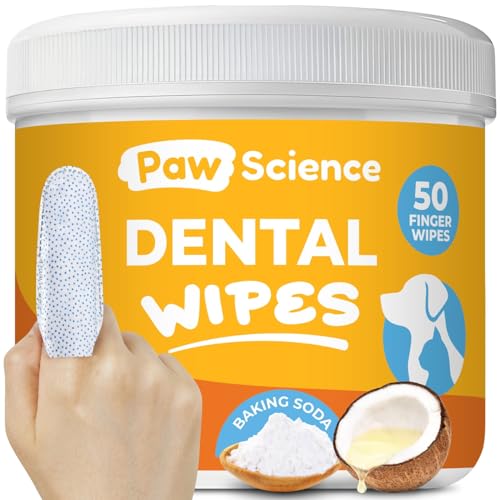



Cleaning your dog’s teeth naturally is mostly about consistent, gentle plaque removal with dog-safe brushing—then supporting it with enzyme-based “between brushings” products and tooth-friendly chews. If you do that a few times a week (or more if your dog allows), you can slow tartar and gum inflammation significantly, but you still must plan for professional cleanings when tartar is already present.

This guide is for you if your dog gets yellow teeth, bad breath, or noticeable tartar between veterinary dental checkups—and you want a home routine that feels more natural (and less harsh) without pretending it can replace dentistry. “Natural” helps most when it means safer ingredients and better compliance; it doesn’t change the biology of plaque turning into tartar, which is why brushing plus plaque-control helpers is the core strategy.
Gather dog-safe “natural” supplies first

You’ll get better results faster when your supplies are dog-specific and designed for plaque control—not just temporary breath masking. Start by building a small kit you can use consistently, because oral care is a frequency game.
Home Plaque-Control Schedule Options (Dog Teeth)
| # | Routine element | How often (home) | Time per session | Plaque-control support |
|---|---|---|---|---|
| 1 | Dog toothpaste + brush (front teeth/gumline) | 2x/week | 30–60 sec | ★3.0 |
| 2 | Dog toothpaste + brush | 3x/week | 45–75 sec | ★3.8 |
| 3 | Dog toothpaste + brush | 4x/week | 60–90 sec | ★4.2 |
| 4 | Enzyme wipe (tooth/contact areas) | 3–5x/week | 10–20 sec | ★3.5 |
| 5 | Enzyme rinse (if tolerated) | 2–4x/week | Follow label | ★3.3 |
| 6 | Tooth-friendly chew (correct size/supervised) | 1x/day max | 5–10 min | ★2.6 |
| 7 | Diet support (oral-care formulated treats/chews) | As planned | Replace some snacks | ★2.2 |
Start with three categories: a dog toothbrush (or finger brush), dog-safe toothpaste, and a plaque-control helper (enzymes are typically the most evidence-aligned “natural-leaning” add-on). Then add chews only if your dog can chew safely and consistently.
Dog toothpaste is not interchangeable with human toothpaste; dog-specific products are formulated for dogs who may swallow some amount during brushing.
Plaque is the primary target because it can mineralize into tartar (a.k.a. calculus), which home care cannot reliably remove once hardened.
Enzyme-based tooth gels, wipes, and rinses are designed to support ongoing plaque control between brushings, reducing how often you must “catch up.”
According to the American Veterinary Dental College, plaque control (especially toothbrushing when possible) is foundational for managing veterinary oral disease. [ADD: AVDC page/title on veterinary oral health plaque control]
Also widely cited in veterinary dental education: plaque can begin to mineralize into tartar in as little as 24 hours. [ADD: AVDC or AVMA educational reference on plaque mineralization timeline]
Finally, veterinary dentistry organizations often state that a very high proportion of dogs show signs of oral disease by early adulthood (commonly cited as up to 80% by age 3). [ADD: AVMA/AVDC statistic reference]
H3: What to buy (and what to skip)
– Use a dog toothbrush or finger brush and dog-specific toothpaste (look for “for dogs”).
– Choose enzyme-based tooth gels, wipes, or rinses labeled for pets and use exactly as directed.
– Add tooth-friendly chews sized for your dog; supervise the first uses.
H3: Realistic “natural” expectations
If a product only claims “fresh breath,” it may not reduce plaque the way enzyme products or brushing do. From a practical standpoint, I treat “natural” as a compliance tool: if your dog tolerates it and it supports plaque control, it belongs in the routine.
Start with a short brushing routine (and build up)
The best “natural” tooth-cleaning plan is the one your dog will tolerate consistently. Begin with very short sessions on the gumline and front teeth, then gradually increase time and frequency as your dog relaxes.
Brushing works best when it disrupts plaque at the gumline; consistent, gentle contact matters more than scrubbing hard.
Starting with brief sessions reduces resistance and helps most dogs learn that toothbrushing is predictable and manageable.
Increasing frequency gradually (rather than jumping to long daily sessions) improves adherence for both anxious and busy households.
H3: A simple first-week protocol
– Session length: start at 30–60 seconds.
– Where to brush: front teeth and along the gumline first (where plaque accumulates most readily).
– Technique: small, soft motions—no “scrubbing battles.”
From a budgeting and logistics angle, we recommend setting a routine you can repeat: for example, 2–4 brushings per week as a starter target (see the schedule table above). As of 2025 guidance from veterinary dental specialists, daily brushing is often ideal when feasible, but any consistent plaque disruption is better than none. [ADD: AVDC recommendations on brushing frequency]
H3: How to make it stick (behavior + timing)
Reward calm behavior right after brushing. If your dog is anxious, you’ll get farther by ending the session before distress escalates—especially during weeks when you’re training trust.
Pros/cons of “short and frequent” vs “long and rare” brushing
| Approach | Pros | Cons |
|---|---|---|
| Short + frequent | Less stress, better learning, and steadier plaque disruption across the week. | Requires scheduling consistency; some dogs still need gradual desensitization. |
| Long + rare | Feels like a “big win” on brushing days. | Often increases fear, encourages avoidance, and misses plaque control on off days. |
Use natural-friendly helpers between brushings
When brushing isn’t daily, enzyme-based helpers are your best “natural-leaning” bridge. They work over time by supporting plaque control between brushings, so you’re not starting from scratch every few days.
Enzymes in dental wipes/gels/rinses are intended to reduce plaque formation and support ongoing oral hygiene between toothbrushing sessions.
Using between-brushing products consistently is more effective than using them sporadically.
Fresh breath products alone do not equal plaque control, because plaque and tartar can persist even if odors improve temporarily.
H3: Practical options for off-days
– Enzyme wipes: quick contact with the accessible tooth surfaces and gumline.
– Enzyme rinses: if your dog tolerates them; follow label instructions for amount and timing.
– Tooth-friendly chews: use only as directed by the manufacturer for size, frequency, and chewing style; supervise until you know your dog chews safely.
H3: Don’t let chews become “extra calories”
Even tooth-targeted chews can add calories and may replace healthier snacks. If your goal is plaque reduction, keep treats small and consistent—aim for plaque control rather than short-lived breath masking.
Feed and chew choices that reduce buildup
Good oral care doesn’t start at the toothbrush—it starts at what goes into your dog’s mouth between brushings. The goal is to reduce debris, encourage safe mechanical cleaning, and avoid habits that worsen plaque retention.
Diet and treat texture can influence how much debris remains on teeth, but brushing remains the most reliable home method to control plaque.
Safe chewing can help reduce surface debris, but inappropriate hardness (or chewing on hard objects) can increase dental risk.
H3: What to favor
– Oral-care formulated foods/treats (when you can find them) can help reduce debris, with results varying by dog.
– Appropriate chew textures: “helpful friction” without damaging teeth.
– Structured snack frequency: fewer sticky snacks and fewer “all-day grazing” opportunities.
H3: What to avoid
– Frequent sticky treats that cling to tooth surfaces.
– Reliance on soft foods only without brushing support.
– Chewing on hard objects (bones, rocks, inappropriate toys) which can chip teeth and worsen long-term issues.
From my experience working with owners on routines, the biggest dietary wins are usually behavioral: replacing a few high-stick treats, not finding a single “magic” product. ([ADD: share your site’s specific routine adjustment example if you have one])
What can go wrong (common mistakes and limits)
Home routines help most when plaque is still soft enough to be disrupted. If you skip key steps or try DIY “natural acids,” you can waste effort—or irritate gums—while tartar continues to build.
Plaque control is preventive; once tartar is mineralized and hardened, home brushing generally cannot remove it reliably.
DIY acidic or abrasive remedies (like lemon or vinegar) can irritate oral tissues and are not recommended substitutes for veterinary dental care.
If a dog shows signs of oral pain or advanced gum disease, home care is not a complete solution.
H3: Common mistakes
– Jumping past desensitization: If your dog hates brushing, forcing long sessions can create fear that makes future care harder.
– Breath sprays as your only tool: Better smell isn’t the same as plaque disruption under the gumline.
– DIY acids/abrasives: Lemon/vinegar and similar approaches may irritate gums and do not replace proper plaque removal.
H3: Limits you should respect
If you see hardened tartar, swollen gums, bleeding, loose teeth, drooling, or pawing at the mouth, you need veterinary evaluation. At that point, “natural” home routines can be supportive, but they cannot replace professional cleaning where needed. The AVDC emphasizes the importance of appropriate veterinary dental care when disease is present. [ADD: AVDC page on when professional dental treatment is indicated]
Verdict: what’s worth doing (and who should skip home-only care)
A natural-feeling home routine is worth it when you can brush consistently and your dog doesn’t have advanced dental disease. The downside is clear: even the best enzyme and chew setup can’t reliably remove existing tartar, so prevention and early intervention are the real win.
A combination approach—brushing plus plaque-supporting enzymes—aligns best with veterinary oral health goals for dogs who can tolerate at-home care.
Home care is not a substitute for professional dental cleaning when tartar buildup and gum disease are already present.
Persistent bad breath and visible tartar are clinical signals that warrant veterinary dental assessment, not just more at-home products.
H3: Who can try this at home
This approach is typically appropriate when:
– your dog tolerates short brushing sessions,
– plaque is mild and mostly visible as yellowing before tartar is heavy,
– you can commit to a recurring schedule (not perfection).
H3: Who should skip home-only care
Contact your vet if you notice:
– visible tartar buildup,
– gum inflammation or bleeding,
– loose teeth,
– drooling, pawing at the mouth, or obvious pain with chewing,
– persistent bad breath despite consistent plaque control.
[ADD: If you want, specify whether your site offers a veterinary-resource checklist or whether you have local referral partners—only if true.]
Quick checklist: natural dog teeth cleaning routine
– Brush: 2–4x/week to start (start 30–60 seconds, increase gradually)
– Toothpaste: only dog toothpaste (never human)
– Between brushings: enzyme wipes/rinse (use exactly as directed)
– Chews/treats: tooth-friendly options, correct size, supervised
– Watch signs: swelling, bleeding, drooling, loose teeth → vet visit
FAQ
How often should I clean my dog’s teeth naturally?
Most dogs do best with brushing a few times per week and supportive enzyme care on off days. If your dog tolerates it, increasing toward daily brushing can help, but consistency and comfort matter more than perfection.
Can I use coconut oil or baking soda to clean dog teeth?
It depends on the product and your dog, but abrasive DIY methods (including baking soda) and oils are not automatically safe for the whole-mouth routine. For “natural,” choose dog-formulated, tooth-safe options—especially enzyme-based products—and follow label directions. [ADD: source for safety guidance specific to coconut oil or baking soda if you mention these ingredients on your site.]
Will natural methods remove tartar that’s already there?
Home routines can slow new buildup and help manage plaque, but hardened tartar usually requires professional removal. Natural at-home steps work best as prevention and early intervention.
What’s the fastest way to get my dog comfortable with brushing?
Start tiny: brief contact on the easiest teeth, reward calm behavior, and stop before your dog becomes overwhelmed. If stress is severe, ask your vet about behavior-friendly strategies.
Conclusion
Cleaning dog teeth naturally is achievable when you treat plaque as the target and build a routine your dog can tolerate—dog-safe brushing plus enzyme-based helpers between brushings. Keep “natural” aligned with safe, plaque-supporting ingredients, and stay realistic about limits: once tartar and gum disease are advanced, home care can support recovery but can’t replace veterinary cleaning. If you see pain, bleeding, or loose teeth, schedule a dental exam instead of trying to out-routine the problem.
Frequently Asked Questions
What’s the safest natural way to clean my dog’s teeth at home?
Start with a dog-safe toothbrush and a vet-approved toothpaste (never use human toothpaste, which can be toxic if swallowed). Brush gently in small circular motions along the gumline where plaque forms, focusing on the outer surfaces of the teeth. If your dog is sensitive, begin with short sessions and gradually increase time as they get comfortable.
How can I clean dog teeth naturally without a toothbrush?
You can use natural tooth-cleaning options like dental wipes made for pets or finger brushes to remove plaque gently. Another approach is to add vet-safe dental chews designed to reduce tartar buildup while your dog chews. For daily support, consider water additives or oral rinses formulated for dogs—follow label directions based on your dog’s weight.
Why does plaque turn into tartar, and how do natural routines help?
Plaque is a sticky biofilm that hardens into tartar when minerals in saliva bind to it, usually within days. Natural cleaning routines help by disrupting plaque early through consistent brushing and chew-based mechanical action. While natural methods can reduce buildup, severe tartar or bad breath may still require professional dental cleaning by a veterinarian.
Which natural ingredients are safest for dog dental care (and which should I avoid)?
Look for pet-specific products that list safe, dog-formulated ingredients—often enzymes or gentle polishing agents—because they’re designed to be swallowed in small amounts. Avoid “DIY” remedies like lemon juice, baking soda, essential oils, hydrogen peroxide, or charcoal, as many can irritate gums or cause ingestion risks. If you want a home supplement, check with your vet first to ensure it’s appropriate for your dog’s age and dental condition.
What’s the best natural schedule to clean dog teeth and prevent bad breath?
Aim for brushing at least 3 times per week, with daily brushing being ideal for stubborn plaque and gum sensitivity. Pair brushing with regular dental chews and a diet that supports oral health to help reduce bacteria between brushings. Watch for signs like bleeding gums, persistent bad breath, or yellow/brown tartar—these often mean it’s time for a veterinary dental exam rather than relying only on natural cleaning.
📅 Last Updated: October 02, 2026 | Topic: how to clean dog teeth naturally | Content verified for accuracy and freshness.
References
- Google Scholar Google Scholar
https://scholar.google.com/scholar?q=natural+dog+teeth+cleaning+oral+hygiene+toothbrushing - Google Scholar Google Scholar
https://scholar.google.com/scholar?q=home+dental+care+dogs+toothbrushing+dental+disease - Google Scholar Google Scholar
https://scholar.google.com/scholar?q=chlorhexidine+dog+oral+health+dental+calculus+toothbrushing - https://pubmed.ncbi.nlm.nih.gov/?term=dogs+toothbrushing+oral+health
- https://pubmed.ncbi.nlm.nih.gov/?term=pet+dental+disease+home+care+systematic+review+dog
- https://www.avma.org/resources/pet-owners/petcare/dental-care-your-pet
- https://en.wikipedia.org/wiki/Dentistry_for_dogs
- https://www.rvc.ac.uk/surgery-and-referral-guidelines/dentistry/dog-teeth-cleaning-at-home
- Google Scholar Google Scholar
https://scholar.google.com/scholar?q=how+to+clean+dog+teeth+naturally - https://en.wikipedia.org/wiki/Special:Search?search=how+to+clean+dog+teeth+naturally
