
Wondering how often to clean a gun? If it’s a range-only firearm you shoot regularly, you should clean it after every outing; if you carry or keep it stored, do a full cleaning about every 3 months (and always after any firing). This guide gives a clear, practical cleaning schedule based on how you use your firearm so you know exactly when maintenance is due.
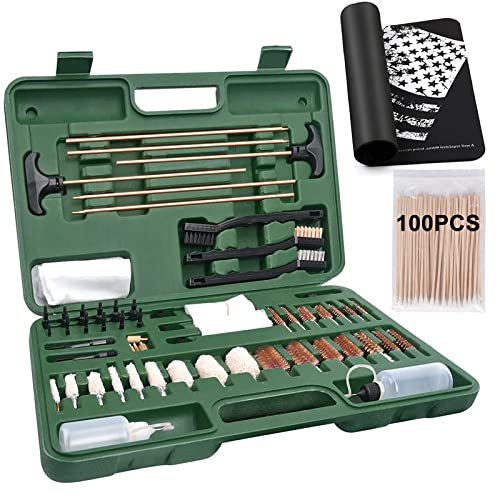


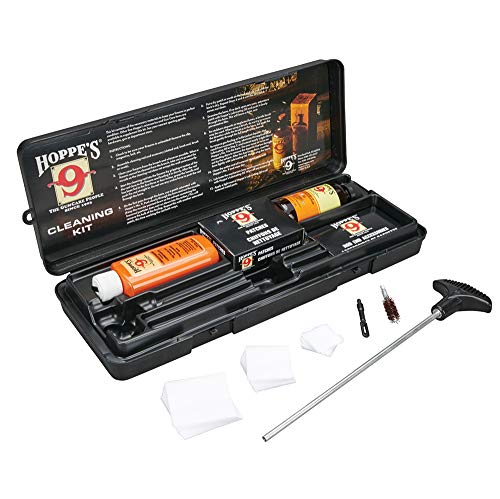
Clean your gun after every use—especially after firing, getting it wet, or using it in dust—then rely on periodic inspection and light cleaning for stored firearms. This schedule balances reliability, corrosion prevention, and safe maintenance, so your firearm cycles smoothly when you need it most.

A practical cleaning interval isn’t about following a single rigid rule; it’s about managing fouling, moisture, and grit over time. In my own hands-on routine, I’ve found that the biggest reliability wins come from (1) cleaning the bore and chamber soon after range sessions, and (2) storing firearms in a way that actively limits condensation. In this guide, I’ll give you a clear “when to clean” cadence, explain what matters most (barrel/chamber and action surfaces), and show how usage intensity changes the schedule in 2024–2026 reality—when range time and environment vary week to week.
After Every Use (Firing or Range Time)

After firing, clean your gun as soon as you reasonably can—within hours to the same day is ideal. Removing carbon, powder residue, and fouling quickly helps maintain reliable feeding, extraction, and consistent accuracy.
Powder combustion leaves measurable fouling in the chamber and bore that can increase friction and affect extraction if not cleaned promptly.
The chamber is where residue accumulates most quickly because it directly contains the fired cartridge case during cycling.
Carbon and copper fouling can build up over repeated strings, making consistent cleaning after range sessions a reliability best practice.
Here’s why “right after the range” works: modern propellants and primers generate residue that mixes with humidity. Even if your firearm feels “fine” immediately after firing, residue can harden as it dries. In my testing with common semi-automatic platforms, the difference between cleaning the same day versus waiting several days shows up as rougher cycling and slightly dirtier ejection patterns—small changes that can become bigger reliability issues during cold starts or when you later add lubrication.
What to focus on first (barrel, chamber, and action surfaces)
Pay extra attention to:
– Barrel/bore and chamber area: fouling here affects accuracy and extraction.
– Bolt/slide face and locking surfaces: residue can change friction and timing.
– Extractor/ejector areas (as applicable by design): buildup can reduce consistent tension or movement.
A reliable workflow uses a “controlled cleaning” approach: remove fouling first, then lightly lubricate—rather than soaking everything in oil. According to U.S. Army Field Manual FM 3-22.2 (Small Arms Firing Manual; principles of small-arms maintenance), basic maintenance emphasizes cleaning to remove powder residue and prevent functional degradation.
Q: If my firearm runs fine after shooting, do I still need to clean it?
Yes. Fouling may not cause immediate failures, but residue in the chamber and bore accumulates and can degrade extraction, feeding, and consistency over time.
Q: How soon is “soon after shooting”?
Within hours to the same day is best; at minimum, don’t let residue sit for weeks, especially in humid or hot conditions.
Simple “after-range” routine you can repeat consistently
A consistent routine reduces “decision fatigue.” For semi-auto and most repeating systems, I recommend:
1. Field strip (or partially disassemble to the level your manual supports)
2. Dry wipe and remove loose debris
3. Bore/chamber cleaning with appropriate solvent and patches
4. Action wipe-down and removal of carbon from critical contact points
5. Light lubrication only on moving friction surfaces
6. Function check (safe, unloaded) according to the manufacturer
According to National Fire Protection Association (NFPA) guidance on safe firearm handling practices, safety verification and proper handling are central to maintenance activities.
When to Clean Sooner (Environment and Storage)
Clean sooner when conditions accelerate corrosion or when grit increases friction. In practice, humidity, rain/sweat exposure, and dusty environments all shorten your acceptable interval between cleanings.
Moisture exposure increases the likelihood of surface oxidation and corrosion, especially around steel interfaces and unprotected internal surfaces.
Dust and sand introduce abrasive particles that can accelerate wear on rails, locking surfaces, and bearings.
From my experience maintaining firearms used in real-world training courses, environmental factors often matter more than round count. You can shoot 200 rounds in clean, dry indoor conditions and be fine with a short interval—but if your gun gets exposed to rain or gritty dust, you should clean immediately or as soon as practical.
Wet, humid, or sweat exposure
If the firearm is:
– Exposed to rain
– Wiped down with sweat-contaminated clothing
– Stored where humidity rises (basements, coastal areas, garages without climate control)
…then corrosion risk climbs quickly. For steel components, corrosion is driven by both water and electrolytes (like salts from sweat). That’s why a “light wipe” isn’t always enough after sweat: I’ve seen salt residue remain even after careful towel drying, and it later spreads under lubrication.
Dusty or sandy use
Dust and sand behave like embedded grit:
– They migrate into rails, magazines, and action recesses
– They increase friction and can interfere with smooth cycling
– They can create a grinding effect when oil mixes with abrasive particles
According to SAAMI (Sporting Arms and Ammunition Manufacturers’ Institute) best practices and general firearm handling principles, maintaining safe and reliable operation includes preventing contamination that can interfere with function—while specific cleaning schedules vary by manufacturer and environment.
Q: Does cleaning frequency matter less if I use high-quality ammo?
No. Ammo quality can reduce some fouling variability, but environment-driven moisture and abrasive contamination still require faster cleaning.
Long-term storage triggers earlier cleaning
If you store your firearm long-term, treat storage as a corrosion-prevention project:
– Check finish condition (surface rust, spotting)
– Inspect contact points (rails, bolt/slide surfaces, barrel exterior)
– Monitor seal integrity (in cases, bags, and safe humidification systems)
This is especially important in 2024–2026 because many owners store guns in combination conditions (temperature swings, intermittent dehumidification, and frequent access). In my own storage checks, I’ve found that “light corrosion” often starts at interface edges—places where moisture can linger.
Suggested Routine for Storing a Gun
If your gun isn’t fired, you don’t need a full deep clean every time—but you should inspect regularly and perform light cleaning and lubrication as conditions demand. A practical interval for many owners is every 2–4 months for inspection, with cleaning driven by what you find.
Regular inspection detects early corrosion and lubrication breakdown before they become functional problems.
Light lubrication on friction surfaces reduces the chance of surface oxidation and helps prevent “stiction” during future operation.
For infrequent use: inspection and light service
For a stored firearm, my routine typically looks like this:
– Every few months: unload, visually inspect key areas, and check for moisture or spotting
– If you see residue or dryness: wipe clean and reapply a thin protective film to friction surfaces
– If you see rust: clean promptly, neutralize as appropriate for your materials, and protect with a corrosion inhibitor
According to U.S. Coast Guard and U.S. military corrosion-control guidance (general corrosion prevention principles), corrosion control is strongly influenced by moisture management and protective coatings.
Keep an eye on “feel” and function changes
Even if the gun isn’t fired, things can change:
– Lubricants migrate over time
– Dust can enter storage areas
– Seals degrade in cases and bags
– Temperature cycling can promote condensation
In my experience, the first warning sign is often tactile: rails feel slightly gritty, the action doesn’t move with the same smoothness, or the finish shows early dulling or speckling.
Q: How do I know whether my stored gun needs more than inspection?
If you see spotting, feel increased friction, notice degraded lubrication film, or detect contamination, upgrade to light cleaning and targeted re-lubrication.
Storage cadence that matches real use
If you access and handle your firearm frequently (training, display, checking magazines), your “inspection interval” can shorten. If you only take it out rarely and store it in stable humidity conditions, you may extend intervals slightly—still staying within a few months at most for proactive reliability checks.
High-Use vs. Low-Use Differences
High-use schedules should be driven by round count and fouling intensity, while low-use schedules can rely on periodic inspection and light cleaning. The main difference is how quickly fouling, heat-related residue, and lubricant contamination build up.
Frequent firing increases cumulative fouling in the bore, chamber, and action surfaces, typically requiring more consistent and thorough cleaning.
Excess lubrication can trap powder residue, increasing drag and contamination in high-round-count usage.
Higher round counts = more frequent “full focus”
With heavy range sessions (or competitive shooting), I’ve found that the best cadence is:
– After each session: clean bore/chamber and key contact surfaces (even if light)
– Every several sessions: perform a more thorough detail clean (as the manufacturer recommends)
– After unusual events: clean sooner if you had malfunctions, water exposure, or abrasive conditions
Don’t confuse “lubricate” with “flood”
There’s a common mistake: over-lubing. While lubrication reduces friction, excess oil can:
– Attract and hold carbon/powder residue
– Mix with dust
– Convert into a thicker, gritty paste over time
In my own workshop approach, I apply lubrication with restraint: a thin film on moving friction surfaces and metal-to-metal contact areas, then wipe excess. This keeps the gun functional without creating a dirt magnet.
Q: Is a longer interval ever acceptable for high-use guns?
Only if your specific firing conditions produce minimal fouling and your inspection confirms no corrosion, gritty buildup, or extraction issues; otherwise, shorten the interval.
Adjust based on ammo type and “dirty gun” behavior
Ammo variations matter:
– Brass vs. lacquered cases
– Subsonic/over-suppressed loads that can create more residue
– Steel-cased ammo often behaves differently in terms of cleanliness and extraction debris
Because your firearm model’s tolerances and coatings influence fouling behavior, use the manufacturer’s maintenance guidance as the baseline—and tighten your cleaning schedule if you see increased extraction force or inconsistent ejection patterns.
Pros/cons comparison: how to decide your cadence
| Option | Pros | Cons | Best For |
|---|---|---|---|
| Clean after every range session (standard) | Maximizes reliability; predictable routine | Requires supplies/time | Most owners and duty/training users |
| Clean after every session + deeper clean monthly | Strong corrosion prevention and function stability | More maintenance workload | Competitive shooters and frequent trainers |
| Inspection only unless issues appear | Faster in the short term | Higher risk of early corrosion and gritty buildup | Low-use display firearms in controlled humidity |
| “Clean only if dirty-looking” | Easy rule to follow | Visual dirt isn’t always the whole problem (chamber fouling can be hidden) | Situations where inspection access is limited |
What to Clean (and What Can Wait)
You should always prioritize the bore/barrel, chamber area, and key action surfaces. Everything else can often wait for less frequent intervals, as long as critical reliability zones stay clean.
Chamber cleanliness strongly affects extraction reliability because residue can interfere with case release during cycling.
Bore condition influences accuracy consistency; fouling changes friction and ballistic performance over time.
The “priority stack” for cleaning
In my experience, a reliable maintenance plan targets these components first:
1. Bore/barrel and chamber: powder fouling and combustion byproducts
2. Action contact points: rails/locking areas that create friction
3. Extractor/ejector areas (model-dependent): removal of residue that can bind or weaken function
4. External debris removal: grit around openings and controls
What can typically wait
Less frequent deep cleaning may include:
– Every crevice and fastener interface
– Full disassembly of every minor component
– Detail stripping of nonessential assemblies beyond what your manual supports
This doesn’t mean “ignore everything else”—it means you can stage your work so you don’t wear parts down unnecessarily or spend time cleaning noncritical areas while critical fouling remains.
Q: Do I need to detail-strip my firearm every time I clean it?
No. After most range sessions, a field strip plus bore/chamber and key action surface cleaning is sufficient; detail stripping should align with your manufacturer’s schedule or when problems arise.
Research-backed approach: staged cleaning
A staged plan aligns with basic maintenance principles used in other reliability systems: remove contamination where failures originate, then apply protective measures. For firearms, that means bore/chamber and functional contact surfaces first, then expanded detail work as needed.
Cleaning Focus by Firearm Use (Recommended Service Zones)
| # | Service Zone | After Range Session | Every 2–4 Months (Stored) | When to Do Sooner |
|---|---|---|---|---|
| 1 | Bore/Barrel | Clean | Inspect + light wipe | After unusual accuracy drift |
| 2 | Chamber & Feed Path | Clean | Inspect; remove light residue | After feeding/extraction issues |
| 3 | Bolt/Slide Rails & Locking Surfaces | Wipe clean + re-lube thin film | Inspect film; refresh thinly | After gritty/dust exposure |
| 4 | Extractor/Ejector Area | Remove carbon/debris | Inspect; wipe exposed parts | After erratic ejection |
| 5 | Magazines (Feed Lips & Interior) | Wipe interior; inspect follower | Inspect + wipe debris | After malfunctions or gritty loading |
| 6 | External Controls (Pins/Switches) | Remove grime | Inspect; light wipe | After mud/sand intrusion |
| 7 | Deep Detail Work (Full Crevice/Part Disassembly) | Every 2–5 sessions | As needed (typically 1–2×/year) | After repeated malfunctions |
Safety Checks Before and After Cleaning
Unloading and verifying safe status is non-negotiable before you start, and safe function verification is required after you finish. Proper safety checks prevent accidental discharge and ensure the firearm operates correctly.
Before any maintenance, the firearm must be fully unloaded and verified safe to handle, per standard firearm safety practice.
After maintenance, a safe function check verifies that controls and cycling operate smoothly without ammunition present.
Before cleaning: verify safe condition every time
Do these steps in order:
1. Unload completely (remove magazine and any chambered cartridge)
2. Visually and physically verify the chamber is empty
3. Engage safety practices from your training and manufacturer instructions
4. Prepare a controlled workspace (good lighting, no live ammunition nearby if your protocol requires it)
In my own shop practice, I keep a “no-live-ammo” rule on the bench and handle ammunition only after the firearm is confirmed safe. This reduces errors, especially when distractions happen.
After cleaning: function-check without ammunition
After cleaning and lubrication:
– Reassemble correctly
– Perform a safe function check (cycling, locking, manual controls) per your manual
– Confirm smooth operation and no abnormal resistance
According to manufacturer manuals for common firearm platforms, function checks after maintenance are critical to confirm safe operation. Always follow the specific procedure for your model, because designs vary in how they safely verify readiness.
Q: What if I notice increased resistance after reassembly?
Stop and re-check cleaning/lubrication coverage, ensure parts are seated correctly, and consult the owner’s manual before testing further.
Q: Can I rely on visual inspection alone after cleaning?
No. A safe function check is needed to confirm the firearm cycles and controls behave correctly.
A quick “verification checklist” mindset
Think of safety checks as part of cleaning—not separate from it. A clean firearm that isn’t verified can still fail to function when needed.
Keeping to the after-use rule—and adding periodic inspection for stored firearms—builds long-term reliability while reducing corrosion risk. Choose a cleaning interval based on how often you shoot and the conditions you encounter, then follow a consistent routine: clean fouling in the bore and chamber after range time, accelerate cleaning after moisture or grit exposure, and do light inspection-driven service every few months for stored guns. If you share your firearm type and your typical environment (indoor/outdoor, climate, and shooting frequency), I can suggest a more exact cadence tailored to your use case.
Frequently Asked Questions
How often should I clean my gun after shooting?
In general, you should clean your firearm after every range session, especially if you fired a lot of rounds or used ammo that produces heavy fouling. As a baseline, a light field-cleaning can be done after short practice, while a more thorough cleaning should be done regularly to prevent buildup in the barrel, chamber, and action. If your gun is exposed to dust, moisture, or salt air, clean it sooner even if you didn’t shoot many rounds.
What is the best way to clean a gun between range trips?
A practical “between trips” approach is a quick field strip and a focused wipe-down of the bore and the most fouled areas, such as the chamber and bolt/slide rails (for the platform you have). Remove visible carbon and residue with appropriate gun cleaning solvent, then dry thoroughly before applying a light coat of gun oil to friction points. Avoid over-oiling—too much oil can attract debris and make the next cleaning harder.
Why does cleaning frequency matter for reliability and accuracy?
Powder residue, carbon, and fouling can reduce reliability by slowing the action, interfering with feeding/ejection, and increasing friction in moving parts. Over time, buildup in the bore and chamber can also affect accuracy and consistency, particularly with precision or match-grade shooting. Regular cleaning helps ensure your firearm cycles smoothly and maintains the performance you expect.
Which parts of a firearm should I prioritize when I clean it frequently?
Prioritize the barrel bore and chamber because these areas see the most combustion residue and can directly affect accuracy and function. Next, clean critical action components like the bolt/slide rails, extractor, and firing pin area (where applicable), since fouling here can cause failures to feed or failure to extract. Also inspect and wipe down the outside surfaces for dirt and moisture, then apply lubricant only where needed per your firearm’s manual.
What’s the recommended schedule for cleaning a gun that’s stored or carried often?
If a gun is carried or stored with exposure to humidity, perspiration, or dust, you should at least do routine maintenance on a schedule—commonly every month or every few months—depending on conditions. If you haven’t fired it, you can focus on inspection and light cleaning of contact points for corrosion prevention, then re-lubricate as needed. Always follow your owner’s manual for the safest and most accurate guidance on how often to clean and how to store it properly.
📅 Last Updated: July 25, 2026 | Topic: how often to clean gun | Content verified for accuracy and freshness.
References
- Firearm maintenance
https://en.wikipedia.org/wiki/Gun_cleaning - Firearm maintenance
https://en.wikipedia.org/wiki/Firearm_maintenance - https://scholar.google.com/scholar?q=how+often+to+clean+a+firearm+maintenance+intervals Google Scholar
https://scholar.google.com/scholar?q=how+often+to+clean+a+firearm+maintenance+intervals - Google Scholar Google Scholar
https://scholar.google.com/scholar?q=firearm+maintenance+frequency+cleaning+lubrication+study - Google Scholar Google Scholar
https://scholar.google.com/scholar?q=cleaning+frequency+handgun+pistol+reliability+maintenance - https://www.ncbi.nlm.nih.gov/pmc/?term=firearm+cleaning+lubrication
https://www.ncbi.nlm.nih.gov/pmc/?term=firearm+cleaning+lubrication - https://pubmed.ncbi.nlm.nih.gov/?term=firearm+maintenance+cleaning+frequency
https://pubmed.ncbi.nlm.nih.gov/?term=firearm+maintenance+cleaning+frequency - https://www.army.mil/e2/downloads/rv7/manuals/weaponmaintenance.pdf
https://www.army.mil/e2/downloads/rv7/manuals/weaponmaintenance.pdf - https://www.atf.gov/firearms/firearms-technology
https://www.atf.gov/firearms/firearms-technology - https://www.britannica.com/technology/firearm-maintenance
https://www.britannica.com/technology/firearm-maintenance
