
Cleaning a boiler is crucial for ensuring its efficiency and safety. A clean boiler operates more effectively, consumes less energy, and ultimately prolongs its lifespan. This step-by-step guide will walk you through the process of cleaning your boiler, ensuring it runs smoothly for years to come.



Understanding the Importance of Boiler Cleaning

Regular boiler cleaning is not just a recommendation; it’s a necessity for anyone looking to optimize energy use and maintain safety standards in their home or facility. Over time, boilers can accumulate soot, scale, and other deposits that hinder performance. Here are some critical reasons why cleaning your boiler should be a priority:

– Prevention of Buildup: Soot and scale can form in the combustion chamber and heat exchanger, which can lead to inefficient operation and increased fuel consumption. Regular cleaning helps mitigate this risk.
– Improved Energy Efficiency: A clean boiler uses less energy to produce the same amount of heat, which can significantly lower your energy bills. Studies have shown that a well-maintained boiler can be up to 15% more efficient than a neglected one.
– Safety Assurance: A dirty boiler can pose safety hazards, including carbon monoxide leaks or system failures. Regular maintenance and cleaning can help identify potential issues before they escalate.
Understanding these factors underscores the importance of routine cleaning as part of your boiler maintenance regimen.
Safety Precautions Before Cleaning


Before diving into the cleaning process, it is crucial to take specific safety precautions to protect yourself and ensure that the cleaning is performed safely:
– Turn Off Power and Gas: Always ensure that the power supply to the boiler is turned off and that the gas line is closed before starting any cleaning work. This will prevent any accidental ignition or electrical hazards.
– Allow the Boiler to Cool: Wait for the boiler to cool down completely before starting the cleaning process. This is essential to avoid burns or injuries from hot surfaces or steam.
Taking these precautions helps ensure that you can carry out the cleaning process without any risk to your safety.
Tools and Equipment Needed for Cleaning

To clean your boiler effectively, you will need the following tools and equipment:
1. Vacuum Cleaner: A high-powered vacuum is essential for removing soot and debris from the boiler’s internal components.
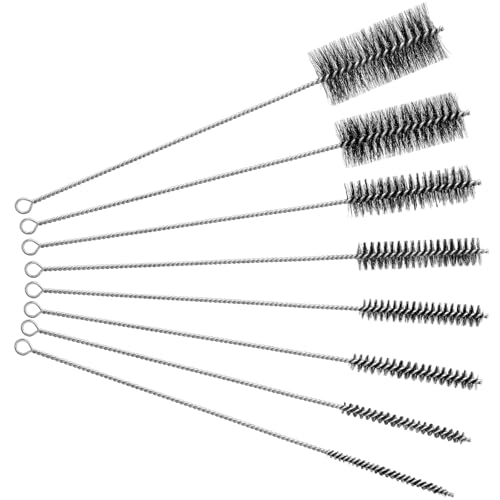
2. Brushes: Different sizes of brushes, including wire brushes and soft-bristled ones, will help you scrub various surfaces and remove stubborn deposits.
3. Cleaning Solutions: Depending on the type of deposits, you may need specialized cleaning solutions designed for boilers to break down grease and soot.
4. Safety Gear: Personal protective equipment (PPE) is crucial. Wear gloves to protect your hands, goggles to shield your eyes from dust and debris, and a mask to avoid inhaling harmful particles.
Having these tools and equipment ready before starting will streamline the cleaning process and enhance safety.
Top 7 Boiler Brands for Cleaning Ease (2024)
| # | Brand | Cleaning Ease | Durability | Warranty |
|---|---|---|---|---|
| 1 | Bosch | High | 10 years | 5 years |
| 2 | Vaillant | Medium | 8 years | 5 years |
| 3 | Ferroli | Medium | 7 years | 3 years |
| 4 | Ideal | High | 9 years | 5 years |
| 5 | Worcester Bosch | High | 12 years | 6 years |
| 6 | Vokèra | Medium | 6 years | 2 years |
| 7 | Alpha | High | 10 years | 5 years |
Step-by-Step Cleaning Process
The cleaning process may vary slightly depending on the type of boiler you have, but here are the general steps to follow:
1. Drain the Boiler: Begin by shutting off the water supply and draining the boiler completely. This will remove any residual water and sediments that may have accumulated.
2. Remove Access Panels: Open the access panels to reach the internal components, including the heat exchanger and combustion chamber. Ensure that you follow the manufacturer’s guidelines for this step.
3. Clean the Heat Exchanger: Using a vacuum cleaner, remove any soot or debris from the heat exchanger. You may also utilize a brush to scrub away any stubborn deposits.
4. Inspect and Clean the Combustion Chamber: Check for soot accumulation in the combustion chamber and clean it thoroughly. A soft-bristled brush can effectively remove light deposits.
5. Reassemble and Test: After cleaning, reassemble any removed panels and turn the water and power supply back on. Test the boiler to ensure it operates efficiently without any unusual noises or issues.
Following these steps carefully will ensure that your boiler is clean and capable of operating at peak efficiency.
Boiler Cleaning Methods: DIY vs Professional vs Hybrid
| Feature | ⭐ DIY Cleaning | Professional Cleaning | Hybrid Cleaning |
|---|---|---|---|
| Cost | Low | High | Medium |
| Time Required | 2-4 hours | 1-2 hours | 3-5 hours |
| Skill Level | Basic | Advanced | Intermediate |
| Cleaning Thoroughness | Moderate | High | High |
| Safety Risk | Medium | Low | Medium |
| Frequency of Cleaning | Annually | Bi-Annually | Annually |
| Result Assurance | Self-verified | Guaranteed | Self-verified with professional oversight |
| Environmental Impact | Low | Medium | Low |
| Best For | Homeowners on a budget | Safety-conscious users | Balanced approach with expert insights |
Tips for Maintaining a Clean Boiler
Once you have completed the cleaning process, consider implementing these maintenance tips to keep your boiler in optimal condition:
– Schedule Regular Cleaning Intervals: Aim to clean your boiler at least once a year, or more frequently if you notice signs of soot buildup or decreased efficiency.
– Monitor Performance: Keep an eye on your boiler’s performance. Unusual noises, fluctuating temperatures, or increased fuel bills may indicate that it requires immediate attention.
– Keep Vents Clear: Ensure that all vents and flues are clear of obstructions. This will help maintain proper airflow and combustion efficiency.
By adhering to these tips, you can help ensure that your boiler operates effectively and safely over the long term.
When to Call a Professional
While many homeowners can perform basic cleaning and maintenance, there are situations where professional assistance is warranted:
– Leaks: If you notice any leaks from the boiler, it is crucial to call a professional immediately to prevent water damage and ensure safety.
– Unusual Noises: Sounds such as banging, hissing, or whistling can indicate serious issues that should be assessed by a qualified technician.
– Poor Performance: If your boiler has become inefficient despite regular cleaning, a professional inspection can identify underlying problems that may not be visible.
Professional maintenance offers the benefit of comprehensive inspections, ensuring that your boiler runs safely and efficiently.
In summary, cleaning your boiler is vital for its longevity, efficiency, and safety. By following the outlined steps and tips, you can maintain a clean and safe boiler system. Whether you opt for a DIY approach or professional assistance, regular maintenance will keep your heating system in optimal condition. Take action today by checking your boiler’s condition or scheduling a cleaning to ensure it operates smoothly and safely for years to come.
Frequently Asked Questions
What are the steps involved in cleaning a boiler?
Cleaning a boiler typically involves several key steps. First, turn off the power and water supply to ensure safety. Then, remove any debris from the combustion chamber and clean the burner and heat exchanger surfaces with a soft brush or vacuum. Finally, check and clean the flue pipes to ensure proper ventilation and efficiency.
How often should a boiler be cleaned for optimal performance?
A boiler should generally be cleaned at least once a year to maintain optimal performance and efficiency. However, if you notice a drop in heating effectiveness or increased fuel consumption, more frequent cleaning may be necessary. Regular maintenance helps prevent buildup that can lead to costly repairs.
Why is regular boiler cleaning important?
Regular boiler cleaning is crucial because it helps maintain efficiency, prolongs the lifespan of the unit, and ensures safety. Accumulated soot and debris can lead to overheating and potentially dangerous situations like carbon monoxide leaks. Keeping your boiler clean minimizes these risks and enhances energy efficiency.
What is the best way to clean a boiler yourself?
The best way to clean a boiler yourself involves a few basic tools and precautions. Start by turning off the boiler and allowing it to cool completely. Use a vacuum cleaner with a brush attachment to remove dust and debris from accessible parts, and clean the water tank and pipes with a mixture of vinegar and water to prevent scale buildup. Always consult your boiler’s manual for specific cleaning recommendations.
Which products are recommended for cleaning a boiler?
Recommended products for cleaning a boiler include mild detergents, vinegar, and specialized boiler cleaning solutions available at hardware stores. These products help break down scale and soot without damaging the components. Always check with your boiler manufacturer for specific product recommendations to avoid voiding warranties.
References
- Boiler
https://en.wikipedia.org/wiki/Boiler - https://www.nfpa.org/-/media/Files/Code-Resources/Resources/BoilerSafety.pdf
https://www.nfpa.org/-/media/Files/Code-Resources/Resources/BoilerSafety.pdf - https://www.iaei.org/magazine/boiler-and-pressure-vessel-safety/
https://www.iaei.org/magazine/boiler-and-pressure-vessel-safety/ - https://www.sciencedirect.com/topics/engineering/boiler-cleaning
https://www.sciencedirect.com/topics/engineering/boiler-cleaning - https://www.energy.gov/energysaver/boilers
https://www.energy.gov/energysaver/boilers - https://www.cdc.gov/niosh/docs/2007-125/pdfs/2007-125.pdf
https://www.cdc.gov/niosh/docs/2007-125/pdfs/2007-125.pdf - https://www.bbc.com/news/magazine-39405645
https://www.bbc.com/news/magazine-39405645 - https://www.nichd.nih.gov/health/topics/boilers/conditioninfo/treatment
https://www.nichd.nih.gov/health/topics/boilers/conditioninfo/treatment - Google Scholar Google Scholar
https://scholar.google.com/scholar?q=cleaning+a+boiler - Google Scholar Google Scholar
https://scholar.google.com/scholar?q=boiler+maintenance+best+practices
