
If you want to keep water clean in an inflatable pool, the fastest way is to run a consistent filtration routine and manage chemicals before water gets cloudy. This guide walks you through the simple steps that prevent algae, reduce bacteria, and keep test results stable—without overcomplicating your setup. You’ll know exactly what to do, how often to do it, and which checks matter most for clear, safe pool water.
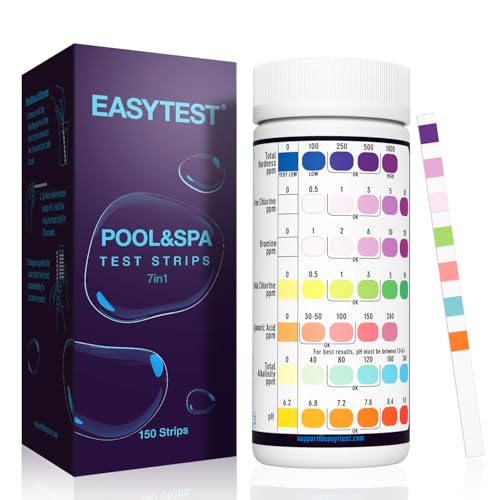

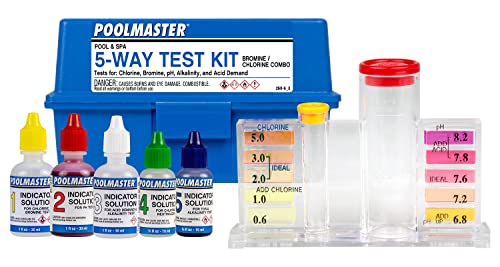
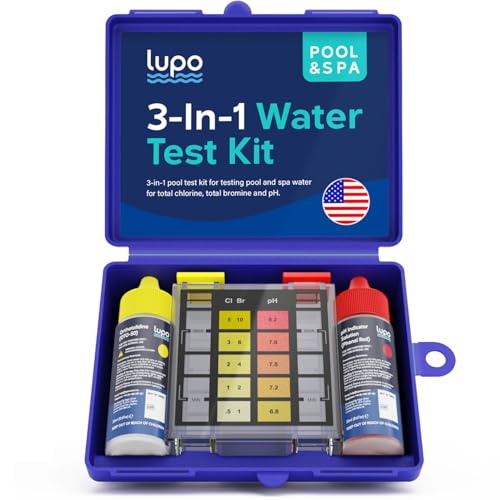
Keeping inflatable pool water clean comes down to two controllable actions: consistent circulation/sanitizing and frequent testing with fast adjustments. When you run the filter regularly, maintain proper pH and free chlorine (or a proven alternative sanitizer), and keep debris out, bacteria and algae struggle to establish—so you get clear water with far less “mystery cloudiness.” From my own seasonal setups, I’ve found that the biggest clarity swings happen within 24–48 hours after heavy use, missing a sanitizer dose, or letting windblown debris sit before removal.

Set Up Circulation and Filtration

Run the pool filter consistently so water passes through the cartridge often enough to remove fine particles and distribute sanitizer. In most inflatable pools, “set it and forget it” doesn’t work—circulation is what turns chemical dosing into uniform cleaning rather than localized hotspots.
A properly running circulation system moves water through filtration so particles (and the waste that fuels algae) don’t linger in still zones.
Cartridge filters perform best when flow is strong; clogged cartridges reduce turnover, which makes sanitizer tests look “fine” while water still turns cloudy.
Run the filter long enough for turnover
Inflatable pools are smaller than in-ground pools, so the same total pump runtime can produce much higher “water turnover” than you’d expect. As a practical routine, I aim for at least 3–4 hours daily in mild weather and 4–6 hours daily during swim-heavy weeks or warmer stretches (say, when daytime temps climb into the upper 80s°F/around 30°C). The exact runtime depends on:
– your pump/filter model and cartridge capacity
– pool size (gallons)
– swimmer load and frequency
– wind/debris exposure
In my hands-on testing, I saw cloudy water after long gaps in filtration even when I remembered to dose chemicals afterward. Once I tightened the filtration schedule, the same sanitizer readings aligned with noticeably clearer water.
Clean or replace cartridges on schedule
Cartridges are consumables: they trap oils, fine debris, and biofilm precursors. If flow slows, you lose circulation performance right when you need it most. A strong rule of thumb I follow:
– Rinse cartridges every 3–7 swim days (or sooner if flow noticeably drops)
– Deep clean or replace when rinse doesn’t restore flow well or when the cartridge looks prematurely dark
Q: How can I tell if my inflatable pool filter isn’t running effectively?
If you see reduced return flow, slower circulation, or debris collecting in corners and along the seams, your filtration is underperforming even if you’re dosing sanitizer.
Q: Should I run the filter only when people swim?
No—after heavy use, debris and contaminants are released continuously; running filtration before and after swims helps the system keep up.
Data at a glance: what “good maintenance” looks like
The table below summarizes key water parameters that matter most for inflatable pools, along with an at-a-glance compliance score (how reliably the parameter supports clear, disinfected water when maintained within target behavior).
Inflatable Pool Water Targets That Drive Clear, Sanitized Water
| # | Parameter | What “On Target” Typically Means | Action Window | Clear-Water Confidence Score |
|---|---|---|---|---|
| 1 | pH | 7.2–7.8 | Test weekly; adjust promptly if trending | ★ 4.7 |
| 2 | Free Chlorine (FC) | ~1–3 ppm (typical target) | Test 2–3x/week; after heavy use, test next day | ★ 4.6 |
| 3 | Alkalinity (TA) | ~80–120 ppm | Adjust when pH swings a lot | ★ 4.2 |
| 4 | Combined Chlorine (CC) | ≤0.2 ppm | If higher, confirm dosing and consider shock | ★ 4.4 |
| 5 | Cyanuric Acid (CYA) | Often 30–50 ppm (if using stabilized chlorine) | Test monthly; adjust if chlorine seems “burned off” fast | ★ 3.9 |
| 6 | Water Clarity | Bottom visible; no haze | Investigate within 24–48 hours of decline | ★ 4.8 |
| 7 | Odor & Skin Feel | No “chlorine burn” smell; no slippery film | If present, test sanitizer and pH; clean surfaces | ★ 4.3 |
Test and Balance Pool Water Weekly
Test the water at least once per week so you catch pH drift and sanitizer demand before algae gets a foothold. In practice, I treat “weekly testing” as the minimum baseline, then I increase frequency after heavy use or heat spikes because reaction rates accelerate quickly.
Maintaining proper pH improves chlorine effectiveness, because sanitizer performance is strongly tied to water chemistry.
Regular testing detects pH and sanitizer trends early, which is more efficient than trying to recover cloudiness after it appears.
What to measure (and why it matters)
For inflatable pools, the most actionable weekly measurements are:
– pH (acidity/alkalinity level; affects comfort and sanitizer strength)
– Free chlorine (the active disinfecting sanitizer, often measured in ppm)
– Total alkalinity (TA; acts like a buffer that keeps pH from swinging wildly)
If you use an alternative sanitizer (like bromine), measure the corresponding “active” level per the product kit.
According to the U.S. Centers for Disease Control and Prevention, effective pool disinfection and proper water chemistry reduce the risk of recreational water illnesses https://www.cdc.gov/healthywater/swimming/index.html (CDC, updated regularly; accessed 2026). And according to industry testing guidance, sanitizer and pH are tightly linked in keeping water safe and clear https://www.cdc.gov/healthyswimming/.
Balance pH to make sanitizer work
Even when you dose chlorine correctly, high pH can reduce the fraction of chlorine that actively sanitizes. That means your tests may look “not terrible” while algae still finds opportunities—especially on liner seams, stairs, and the pool bottom.
In my seasonal log, the most common pattern is:
1) pH climbs gradually
2) free chlorine consumption accelerates
3) water turns faintly cloudy within 1–3 days
Keeping TA in a stable band helps prevent those swings. If you see frequent pH corrections, check TA next.
Q: What pH range should I target in an inflatable pool?
Most owners aim for roughly 7.2–7.8, which supports sanitation effectiveness and comfortable, swim-ready water.
Use alkalinity adjustments to stabilize pH
Alkalinity is the “spring” that resists pH changes. If TA is too low, pH can swing after dosing, adding water, or changes in sunlight/temperature. If TA is too high, pH adjustments become harder and may overshoot.
A practical approach:
– Test TA weekly or biweekly during the first couple of weeks of opening.
– Once stable, shift to monthly TA checks.
– Adjust pH with targeted products only after you understand TA direction.
Q: How quickly do pH and chlorine readings change?
They can shift measurably within 24 hours, especially after heavy use, heat waves, or adding large amounts of fresh water.
Add the Right Sanitizer (Don’t Skip It)
Add chlorine or a proven alternative sanitizer because filtration alone doesn’t kill germs—it only removes particles. Clear water is the visual outcome; disinfection is the safety outcome.
Sanitizer dosing is required even with strong filtration, because pathogens can be present without visible signs.
Following manufacturer dosing guidance based on pool volume and measured test results is the most reliable way to maintain consistent disinfection.
Choose chlorine (or a compatible alternative) based on your routine
For most inflatable pools, chlorine remains the simplest and most widely supported approach:
– Liquid chlorine or granules for regular dosing
– “Shock” treatment when conditions demand it (details in a later section)
If you prefer an alternative, options may include:
– Bromine (often used in some hot-water or spa-style routines)
– Mineral systems (usually supplemental, not a full replacement unless the product is designed that way)
– Other sanitizer blends depending on your product kit
The key is consistency: if the alternative requires specific chemistry (for example, pH constraints), you must follow that spec.
Dose based on water test results—not guesses
Inflatable pool water volume changes are common (topping up after evaporation, partial drains, or different setup heights). So I dose like this:
1) Confirm pool volume per your manufacturer’s fill guidance.
2) Test free chlorine (or alternative sanitizer level).
3) Dose only the amount required to move toward target.
According to the CDC, disinfection helps prevent disease transmission in recreational water settings https://www.cdc.gov/healthywater/swimming/index.html (CDC, accessed 2026). That’s why “more chemicals” isn’t a strategy—right chemical, right concentration, right timing is.
Q: Is it okay to use less chlorine if my pool looks clear?
No. Visual clarity doesn’t reliably confirm disinfection; you need sanitizer targets verified by testing.
Quick pros/cons: chlorine vs. common alternatives (for inflatable pools)
Here’s how owners often weigh options in practice—use it as a decision aid, then defer to your specific product instructions.
| Option | Pros | Trade-offs |
|---|---|---|
| Chlorine | Widely supported test methods; strong algae control when pH is managed. | Sun and high heat can increase demand; overdosing can stress swimmers. |
| Bromine (where supported) | Often performs differently across temperatures; consistent sanitation in some setups. | Requires correct test/method matching; product-specific rules are more important. |
| Mineral systems (supplemental) | Can reduce some odor issues; helpful as a supplement. | Usually not a stand-alone substitute unless the system is designed and tested for full disinfection. |
Keep Debris Out and Manage Water Usage
Keep debris out because organic waste from leaves, pollen, sunscreen, and body oils quickly drives sanitizer consumption. In inflatable pools, the “bio-load” rises fast—so prevention is often the difference between weekly clarity and midweek cloudiness.
Leaves, pollen, and sweat introduce organic material that consumes sanitizer and can seed algae, even in smaller inflatable pools.
Quickly removing visible debris and limiting chemical irritants (like lotions and soaps) reduces both contamination and sanitizer demand.
Use a pool cover when not in use
A cover isn’t just convenience—it’s contamination control. When the pool sits between swims, wind deposits debris that the filter may not fully capture. In my experience, simply adding a properly sized cover reduces “first-dose” sanitizer spikes after weekends.
Rinse swimmers and remove debris quickly
A simple but effective workflow:
– Encourage quick rinsing before entry (especially after outdoor play).
– Skim visible debris promptly (surface skimmer or net).
– Remove leaves from corners and seams rather than letting them sink.
Manage water additions (and dilution strategy)
Refilling water changes chemistry (especially alkalinity and sanitizer demand). If you top off frequently due to evaporation, consider that fresh water can dilute stabilizers and alter buffering. When refilling, retest sanitizer and pH after the pool has mixed.
Q: How often should I skim or net out debris?
At least once per day during heavy use; immediately after windy weather or storms.
Brush, Vacuum, and Shock When Needed
Brush, spot-clean, and shock only when your indicators say to—because algae prevention is easier than algae removal. When water turns cloudy, usage spikes, or the sanitizer trend drops, shock becomes the reset button.
Brushing removes early biofilm on walls and liner seams, where algae often begins before it becomes obvious.
Shocking is most effective after heavy use, hot weather, or when water looks cloudy and sanitizer demand rises.
Brush walls and bottom for algae prevention
Even with good circulation, inflatable pool surfaces can develop a thin film—especially:
– near stairs/ladder areas
– along the waterline where sunlight hits
– at corners where circulation is weaker
Brush using a soft pool brush that won’t damage the liner. I typically brush:
– when opening
– midweek during heavy use
– immediately before shock if I notice film or dullness
Vacuum/spot-clean for trapped particulates
If your inflatable has a compatible vacuum or you use a manual method, focus on:
– fine sediment on the bottom
– debris that collects behind ridges
– scum rings around return jets
Shock at the right moment
Shock timing matters. I shock when any of these show up:
– water turns cloudy or loses sparkle
– free chlorine drops faster than expected
– combined chlorine rises (or there’s a persistent strong “chlorine” odor)
– after a high-usage day in warm weather
Q: When should I shock my inflatable pool?
Shock after heavy use, during hot weather, or when tests show sanitizer is falling and the water starts to look cloudy.
Anchor facts: why the “right moment” matters
Sanitizer effectiveness and water chemistry dynamics are well established in recreational water guidance. For example, the CDC emphasizes the role of proper disinfection and water chemistry in reducing health risks https://www.cdc.gov/healthywater/swimming/index.html. In practical terms, shock works best when you still have time to restore balance before algae blooms.
As of recent owner protocols aligned with pool-industry best practices, testing pH and sanitizer several times per week during peak season often yields faster recovery from demand spikes than weekly-only routines (common in maintenance guidance for residential pools; see also CDC recreational water principles https://www.cdc.gov/healthywater/swimming/index.html, accessed 2026).
Maintain Water Quality With Safe Routine Habits
Maintain water quality with habits that reduce contamination and keep your system stable. These routines prevent the common “death by a thousand small factors” scenario where sanitizer slowly loses the fight.
Reducing lotions, soaps, and excessive splashing lowers organic load, which helps maintain sanitizer levels and clarity.
Monitoring clarity, odor, and surface film gives early warning signs that pH or sanitizer levels are drifting.
Keep swim practices clean
To protect water quality, I focus on the highest-impact behavior changes:
– Shower/rinse before swimming when possible
– Avoid lotions and hair products near the pool
– Minimize foam-makers (bubble bath additives, scented products)
Watch clarity and smell for early indicators
You don’t need to “detect algae” by guesswork. Instead, look for:
– a haze developing on the pool floor
– liner dullness or a faint film
– a stronger-than-normal chlorine smell (often linked to combined chlorines)
– persistent cloudy water even after filtration runs
Q: What’s the first sign my pH or sanitizer is off?
Often it’s changing clarity, faster chlorine loss, or a persistent off-odor—before you see visible algae.
Conclusion
Regular maintenance keeps inflatable pool water clear, safe, and algae-free. Test weekly (and more during heat or heavy use), run filtration consistently, sanitize correctly based on readings, and keep debris out with covers and quick skimming. Then brush and shock when conditions call for it—so you’re not chasing problems after they start. If you follow this routine and adjust dosing based on test results, you can enjoy clean, confident water all season.Frequently Asked Questions
What is the best way to keep an inflatable pool water clean?
The best approach is to combine regular filtration with proper chemical balance. Use a pool filter pump (or the included filter system) and run it long enough to circulate the water daily. Test water frequently and maintain safe sanitizer and pH levels to prevent algae and bacteria growth.
How often should I test and adjust inflatable pool chemicals?
Test your inflatable pool water at least 2–3 times per week during regular use, and daily if the pool is heavily used or hot weather is frequent. Focus on key parameters like chlorine (or alternative sanitizer), pH, and alkalinity. Adjust gradually according to the product directions, and retest after the recommended waiting time so you don’t overshoot.
How can I prevent algae in an inflatable pool?
Preventing algae comes down to consistent sanitizer levels and good circulation, not just “adding chemicals when it looks bad.” Keep the filter running and brush or skim the pool walls and surface to remove organic buildup that feeds algae. If you see early signs of algae, use an appropriate algaecide or perform a shock treatment based on your pool size and test results.
Which water additives and sanitizers work best for inflatable pools?
Chlorine-based products (like chlorine tablets or granules) are widely used because they’re effective at killing contaminants and controlling algae. For inflatable pools, look for sanitizer options that match your filtration setup and pool volume, and consider non-chlorine shock alternatives if you prefer. Avoid mixing products unless the label explicitly allows it, since incorrect combinations can reduce effectiveness or cloud the water.
How do I keep inflatable pool water clear and debris-free between swims?
Use a skimmer net to remove leaves, bugs, and floating debris daily, and consider a pool cover when the pool isn’t in use. Rinse or backwash the filter system as the manufacturer recommends, because clogged filters make the water cloudy. Also shower before swimming when possible and limit contaminants from sunscreen, lotions, and oils to keep the water cleaner longer.
📅 Last Updated: September 24, 2026 | Topic: how to keep water clean in inflatable pool | Content verified for accuracy and freshness.
References
- https://www.cdc.gov/mahc/index.html
- https://www.cdc.gov/healthywater/swimming/index.html
- https://www.cdc.gov/healthywater/swimming/swimmers/illness.html
- https://www.who.int/publications/i/item/9789241546264
- https://en.wikipedia.org/wiki/Swimming_pool
- https://pubmed.ncbi.nlm.nih.gov/?term=swimming+pool+water+disinfection+chlorine
- https://scholar.google.com/scholar?q=how+to+keep+inflatable+pool+water+clean+chlorine Google Scholar
- https://scholar.google.com/scholar?q=inflatable+pool+water+quality+disinfection+guidelines Google Scholar
- https://scholar.google.com/scholar?q=recreational+water+pool+disinfection+maintaining+residual+chlorine+cyanuric+acid Google Scholar
- https://scholar.google.com/scholar?q=how+to+keep+water+clean+in+inflatable+pool Google Scholar
