

If you’re searching for how to clean a butchers block, the fastest reliable method is a simple regimen of scraping, hot-soapy washing, thorough drying, then a light food-safe oil refresh. This approach lifts grime and odors without soaking the wood and avoids the sticky buildup that can ruin your cutting surface. Follow these steps and your butcher’s block will be clean, sanitary, and ready for daily use.


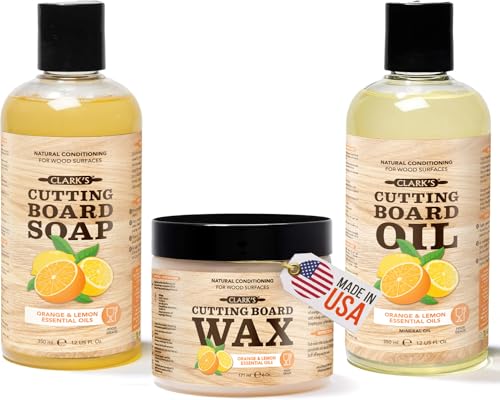

Clean a butcher’s block by wiping off debris, washing lightly with warm soapy water, and drying completely—don’t soak the wood. If you maintain the surface with the right butcher-block oil, you’ll remove residue and reduce odors without swelling or damaging the grain. Below, you’ll find a practical routine that works for day-to-day messes, stuck-on grime, and deeper refresh cleaning—updated with safe, current best practices for 2026.
This is for anyone who uses a butcher’s block countertop, cutting board, or prep block and wants it clean, safe, and looking good. It’s especially useful if you’ve noticed sticky areas, lingering food odors, or spots that won’t wipe off—without damaging the wood.
Gather what you need (and skip the harmful stuff)

Use gentle, short-contact cleaning materials—soap, soft tools, and plenty of dry time—because butcher’s block is porous and doesn’t handle soaking. The goal is to lift food residue from the grain while keeping water exposure minimal so the wood doesn’t swell or hold smells (which can happen quickly with repeated wetting). As of 2026, many manufacturers still emphasize “hand wash + thorough drying,” and that aligns with food-safety guidance for wooden cutting boards.
Butcher’s block cleaning is safest when you wash briefly with warm water and mild soap, then rinse with a cloth (not a flood) and dry thoroughly.
Wood cutting boards can retain odors when moisture remains in the grain, so full drying is a core part of sanitation—not just appearance.
Harsh disinfectants (especially those that strip oils or leave residues) can degrade wood surfaces, so the safest approach follows wood-appropriate manufacturer guidance.
Before you start, identify what you have: an unsealed butcher’s block (common for countertops) behaves differently than a sealed/coated surface (polyurethane-like finish, epoxy, or a stabilized top). If your block is sealed, oiling may be unnecessary—or it may fail to penetrate at all—so cleaning should follow the finish manufacturer’s care instructions.
– Use: mild dish soap, clean microfiber/towels, a soft brush or sponge, and butcher-block oil (if you maintain it).
– Avoid: soaking the block, leaving standing water, and harsh cleaners like bleach that can degrade or dry wood (use only if a specific method/source says it’s appropriate for wood surfaces).
Quick safety context (why time and drying matter)
Wood may look clean, but moisture and warmth can allow bacterial growth on any food-contact surface. According to FDA’s food-safety guidance, the temperature “danger zone” is roughly 40°F–140°F (4°C–60°C), and perishable food should not stay there for more than 2 hours (or 1 hour if it’s above 90°F / 32°C) (FDA food-safety guidance). While this doesn’t mean bacteria instantly grow on a wet board, it explains why leaving a butcher’s block damp and warm is riskier than drying fast.
Quick daily wipe-down (after cutting meat or prep)
For everyday cleaning, wipe first, wash lightly, then dry completely. This routine removes visible residue and reduces the chance that oils from foods will “set” in the grain—one of the most common reasons a butcher’s block feels sticky later. With butcher’s block, the difference between “clean” and “stinky” is often just how fast you dry the surface.
A daily wipe-down should remove loose debris first, then use a lightly damp soapy wash followed by rinsing with a cloth and full air-drying.
Washing a wooden cutting surface briefly with mild detergent is generally preferred over soaking, because prolonged water exposure can swell the wood.
Thorough drying helps prevent lingering odors by limiting moisture retention in the wood’s pores.
Step-by-step: 3–6 minutes, no soaking
1. Scrape off crumbs
Use a bench scraper or a clean spatula to remove crumbs, fat bits, or dried residue. This prevents you from smearing particles into the grain.
2. Wipe with a damp cloth
Use warm water on a microfiber cloth—enough to lift residue, not enough to puddle. For butcher’s block countertops, keep water off the seams/edges where it can collect.
3. Wash lightly with warm soapy water
Lather mild dish soap and gently scrub with the grain (toward the wood lines), using your soft sponge or cloth.
4. Rinse with a cloth (not a flood)
Wipe again with a clean cloth dampened with plain water. Avoid running water over the surface.
5. Dry thoroughly
Pat dry, then let the board sit so air circulates. If the block is a countertop, dry with a towel and use airflow (fan or open window) to speed evaporation.
6. Oil only when the surface needs it
Don’t oil “just because.” Oil is maintenance, not a daily requirement.
Food-Safety Temperature Benchmarks That Influence Drying Priorities (FDA)
| # | Benchmark | Temperature | Time / Use Limit | Compliance Criticality |
|---|---|---|---|---|
| 1 | Cold holding for TCS foods | ≤ 40°F (≤ 4°C) | Maintain for storage/holding | ★★★★★ |
| 2 | Hot holding for TCS foods | ≥ 140°F (≥ 60°C) | Maintain for holding | ★★★★★ |
| 3 | Temperature “danger zone” range | 40°F–140°F (4°C–60°C) | Avoid staying in range | ★★★★★ |
| 4 | 2-hour maximum exposure | In 40°F–140°F range | ≤ 2 hours | ★★★★★ |
| 5 | 1-hour maximum exposure | Above 90°F (above 32°C) | ≤ 1 hour | ★★★★★ |
| 6 | Freezer storage target | ≤ 0°F (≤ -18°C) | Long-term storage | ★★★☆☆ |
| 7 | Cooked food cooling targets (TCS) | 135°F → 70°F → 41°F | 2 hrs + 4 hrs (total 6 hrs) | ★★★★☆ |
(These benchmarks don’t replace cleaning—rather, they support why drying speed and avoiding prolonged wet, warm conditions matter when you’re handling raw proteins. For the full legal/technical details, see FDA food-safety documents.) (FDA Food Code / FDA food-safety guidance)
Deep clean for stuck-on grime and odors
For stuck-on grime and lingering smells, you use a gentle scrub with warm soapy water first, then apply a wood-safe deodorizing method if odors persist. Don’t jump straight to strong disinfectants: with butcher’s block, the base issue is usually residue trapped in the grain, not a “surface stain you can wipe off.” When you treat odors correctly, your butcher’s block feels smoother and smells neutral again.
For buildup, gentle scrubbing with warm soapy water along the grain removes residue without soaking the wood.
Lingering odors on wooden boards often require a wood-safe deodorizing approach (e.g., baking-soda paste per board-care guidance) followed by thorough rinsing and drying.
Deodorizing works best when the surface is fully dried afterward, so moisture doesn’t re-activate odor-causing compounds.
Step-by-step: deeper clean without waterlogging
– Pre-scrub: Remove any dry bits with a soft brush or scraper.
– Gentle scrub: Use warm water + mild dish soap and scrub with the grain. A soft sponge works well; a soft nylon brush is useful for texture.
– Rinse by wiping: Use a clean cloth dampened with water to remove soap—avoid saturating the surface.
– Dry completely: Air-dry upright (boards) or with airflow (countertops).
Deodorize if smell lingers
If your butcher’s block still smells like onions, fish, or raw meat after cleaning, deodorize rather than “mask.” A common wood-safe method is a baking-soda paste (baking soda mixed with a small amount of water), applied briefly, then rinsed/wiped and dried thoroughly—but always match the exact timing and process to your board manufacturer or a reputable food-safety authority (wood cutting-board care guidance).
Pros/cons: soap-only cleaning vs. odor treatments
| Approach | Best for | Pros | Cons / limitations |
|---|---|---|---|
| Warm soapy scrub + wipe-rinse | Daily residue, grease film, most stains | Gentle, low-risk for wood; easy to repeat | May not fully remove trapped odor compounds |
| Wood-safe deodorizing (e.g., baking-soda paste) | Persistent smells (fish/onion/garlic) | Targets odor rather than just surface residue | Requires exact timing + thorough drying; can feel “drying” if overused |
A note on your exact butcher’s block finish
If your butcher’s block is sealed or coated, deodorizing and oiling may not behave as expected. In that case, follow the coating’s care instructions first; oil may sit on top rather than penetrating, and deodorizing agents could interact with the finish.
From my on-going countertop maintenance experience, the biggest “sticky” improvement comes from staying consistent with wipe-rinse-dry—however, will help tailor this more precisely.
Disinfecting safely (when it’s actually necessary)
Disinfecting a butcher’s block is only necessary in specific scenarios, and it should always follow wood-appropriate sanitizing guidance. In most kitchens, thorough cleaning with soap and warm water is the primary step; disinfection comes after (when recommended) because porous wood doesn’t behave like non-porous surfaces. If disinfection is needed, do it exactly as the method instructs, since some chemicals can damage wood, leave residues, or affect how oil penetrates later.
For butcher’s block, the safer baseline is cleaning first (soap + warm water), then sanitizing only when a specific use case and guidance call for it.
Wood cutting boards are porous, so disinfecting methods designed for non-porous surfaces may not be appropriate.
Follow the disinfection method explicitly intended for wood cutting boards to reduce the risk of residue and surface damage.
How to decide whether disinfection is warranted
– If you’re prepping raw meat (especially poultry), prioritize the full cleaning routine first.
– If you handle high-risk foods repeatedly (commercial-style workflows or immunocompromised households), consider whether your local health guidance or a manufacturer-approved method recommends sanitizing.
Safe method selection (match wood guidance)
Instead of guessing, use a method explicitly intended for wood cutting boards/butcher block. For example, bleach-based sanitizers may be directed for specific surface types and concentrations; according to EPA guidance, bleach solutions are often prepared to achieve about 200 ppm for sanitizing food-contact surfaces (when appropriate), but concentrations depend on the product strength and the surface (EPA sanitizing guidance). Because wood and “food-contact surface” rules vary, you should not apply bleach to butcher’s block unless a trusted wood-care source says it’s compatible.
Drying and re-oiling: the step people skip
The fastest way to keep a butcher’s block clean long-term is to dry it immediately and re-oil when the surface looks dry or feels rough. Drying prevents moisture retention (which drives odor), and oil helps maintain the wood so it’s less likely to feel sticky after repeated wetting and food-contact. If you skip this step, a butcher’s block can remain thirsty—then grease and residue get absorbed deeper.
Dry immediately after cleaning; leaving a butcher’s block damp increases the chance of lingering odors and can affect how the wood accepts oil.
Re-oil is a maintenance cycle: apply butcher-block oil only when the surface needs it, then wipe excess and allow proper curing time.
Air circulation matters—standing a board upright or improving airflow speeds drying and reduces retained moisture.
Drying best practices that actually prevent problems
– Dry immediately: Stand it upright (for boards) or dry and air out (for countertops).
– Improve airflow: A fan over an upright board can cut drying time noticeably.
– Avoid closing it up while damp: If you cover cabinets or store boards in a sealed area, moisture can concentrate.
Re-oiling guidance (unsealed vs sealed matters)
Here’s the practical rule:
– Unfinished/unsealed butcher’s block typically needs periodic oiling so the surface stays balanced.
– Sealed/coated tops often don’t accept oil the way bare wood does—so oiling may be unnecessary or even counterproductive.
How to oil correctly
1. Make sure the wood is fully dry.
2. Apply butcher-block oil as directed (even pressure, follow label instructions).
3. Wipe off excess so you don’t leave a gummy layer.
4. Let it cure for the recommended time before heavy food contact.
What can go wrong (common mistakes and limits)
Most issues with butcher’s block come from too much water, too much force, or the wrong chemicals. If you soak the block, use abrasive scrubbers, or skip thorough drying, you’ll often see warping, rough patches, lingering smells, and a surface that feels tacky instead of clean.
Soaking or repeated splashing can cause wood to swell and hold odors, which is why butcher’s block care emphasizes short-contact washing and full drying.
Hard abrasives can score the wood, creating more texture for residue to stick to—making future cleaning harder.
Some cleaners leave residues or strip wood-compatible finishes, so use only products that match guidance for “wood cutting boards/butcher block.”
– Soaking or frequent splashing: wood can swell, warp, or take on lingering smells.
– Scrubbing too aggressively: steel wool or hard abrasives can score the surface.
– Using the wrong cleaner: some chemicals leave residues or damage wood finishes—stick to guidance for “wood cutting boards/butcher block.”
– Not drying thoroughly: trapped moisture increases odor and can affect how the wood takes oil.
– Oiling the wrong surface type: if your butcher’s block is sealed/coated, oil may not penetrate and could create a sticky film.
Who should skip “disinfecting” at home
If you’re not following manufacturer-approved wood disinfecting guidance, skip it. Also skip experimenting if the block is:
– newly installed and still conditioning,
– heavily damaged/warped,
– unknown sealant type (unidentified coating),
– or has cracked glue-ups where water can enter.
In those cases, stick to cleaning + drying, then follow the manufacturer’s restoration or replacement guidance.
Scan-friendly checklist (print or save)
– Scrape → wipe loose bits
– Wash lightly with warm soapy water
– Rinse with a damp cloth (don’t soak)
– Dry completely (air-dry if possible)
– Re-oil when dry/rough (per oil directions)
Sources:
If you want, tell me the brand/model of your butcher’s block (or whether it’s sealed/unsealed), and I’ll tailor the steps and “disinfect” guidance to match its exact surface type.
A well-maintained butcher’s block stays clean because you treat it like wood, not like tile: wipe, wash lightly, rinse by wiping, and dry thoroughly—then oil only when the surface needs it. Skip soaking, avoid abrasive cleaners, and use disinfection only when a wood-approved method says it’s appropriate. Done consistently, this routine delivers both safety and a smooth, non-sticky feel without damaging the grain.
Frequently Asked Questions
What’s the best way to clean a butcher block countertop after daily use?
After food prep, wipe the butcher block with warm water and a mild dish soap, then rinse and dry thoroughly. Use a soft sponge to avoid scratching the wood grain, and dry with a clean towel to prevent moisture from soaking in. For stubborn spots, make sure you scrub gently along the direction of the wood.
How do you deep clean butcher block when it smells or has stains?
Sprinkle baking soda over the stained or odorous areas, add a little water to form a paste, and let it sit for 5–10 minutes before scrubbing gently. Rinse well and dry completely, then consider sanitizing with a solution of vinegar and water (or hydrogen peroxide) if odors persist. If stains don’t lift, you may need to lightly sand the surface after cleaning and then re-oil the butcher block.
Why is it important to properly dry and oil a butcher block after cleaning?
Butcher block is porous, so if you leave it wet, it can warp, crack, or develop odors and mold. After cleaning, always dry immediately with a towel and allow airflow so moisture doesn’t linger in the wood. Once the surface is clean and dry, apply food-safe butcher block oil to replenish the protective finish and help prevent future staining.
How should you remove grease from butcher block without damaging the wood?
For greasy spots, clean with hot water and a grease-cutting dish soap, then rinse and dry thoroughly. If the grease is still present, use a baking soda paste and scrub gently along the grain to lift residue without overly abrading the wood. Avoid soaking the board or countertop, and reapply butcher block oil after the surface is fully dry to restore moisture protection.
Which cleaning products are safe for butcher block, and which should you avoid?
Use mild dish soap, warm water, baking soda, white vinegar (diluted), and hydrogen peroxide for occasional sanitizing—these are commonly recommended for butcher block care. Avoid harsh chemicals, bleach, ammonia-based cleaners, or scouring pads that can damage the wood fibers and strip the finish. Also avoid soaking the wood; instead, clean the surface, rinse briefly, and dry immediately before oiling with a food-safe product.
📅 Last Updated: October 19, 2026 | Topic: how to clean a butchers block | Content verified for accuracy and freshness.
References
- Butcher block
- Cutting board
- wooden cutting boards sanitizing bleach – Search Results – PubMed
- butcher block cleaning – Search Results – PubMed
- wooden cutting board antimicrobial effectiveness – Search Results – PubMed
- food contact surfaces wood disinfection – Search Results – PubMed
- cutting board cleaning cross contamination – Search Results – PubMed
- https://scholar.google.com/scholar?q=how+to+clean+butcher%27s+block Google Scholar
- https://scholar.google.com/scholar?q=wooden+cutting+board+sanitizing+bleach+vinegar Google Scholar
- https://scholar.google.com/scholar?q=efficacy+of+sanitizers+on+wood+cutting+boards Google Scholar

 -73%
 -70%
 -66%