

A grimy steering wheel can feel sticky and distracting every time you drive. If you want it restored without scratching leather or leaving lint behind, a microfiber towel makes the difference. In the next few minutes, you’ll learn how to lift dirt safely with light pressure and a small amount of appropriate cleaner, then finish with a dry wipe for a clean, comfortable grip.
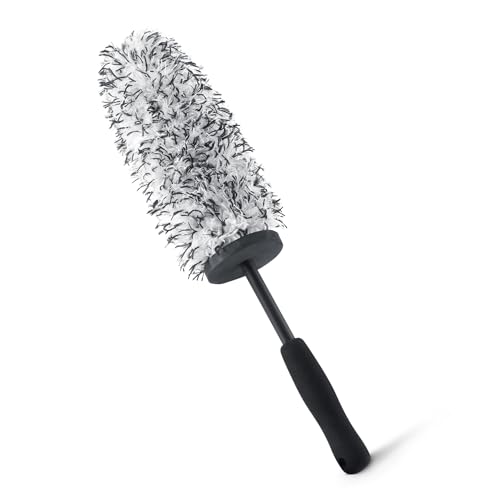



Cleaning your car steering wheel with a microfiber towel is simple: gently wipe off dust first, then use a slightly damp (not dripping) towel with a mild cleaner if needed. Work in small sections, and finish with a dry pass to prevent streaks and moisture from getting into seams.
If your wheel is covered in everyday grime, fingerprints, or light buildup, this approach cleans effectively without damaging common finishes (like painted plastics or leather/vinyl—depending on what you have). In 2026, microfiber cloth care has become even more important as more wheels combine matte coatings, textured grips, and touch-sensitive materials that don’t react well to soaking or harsh solvents.
If you drive often, share your vehicle, or notice the wheel feeling tacky during the week, this guide is for you. It’s also a good choice when you want a repeatable routine for steering wheel cleaning that won’t turn your interior into a science project.
What You Need Before You Start

To clean a steering wheel safely, you only need the right microfiber towel and a mild cleaner matched to your wheel material. The goal is to remove oils and residue without saturating seams, stitching, or controls around the wheel.
Before you start, gather what you’ll use so you can keep the microfiber towel damp—not wet—throughout the process:
– A clean microfiber towel (ideally one dedicated to the interior)
– Mild cleaner options:
– Warm water + a small amount of gentle soap (dish soap made for grease/oil is usually fine if it’s mild and you rinse residue thoroughly)
– Or a cleaner made for your wheel material
– Leather: pH-balanced leather cleaner or a leather interior cleaner (not an all-purpose degreaser)
– Vinyl: an interior vinyl cleaner or mild soap solution
– Painted/matte plastic: a non-abrasive interior cleaner/detailer designed for matte surfaces
– Optional: a soft brush (for textured stitching/creases) and a second dry microfiber towel
A quick note on why microfiber works: microfiber fibers have lots of small “hooks” that lift oils and fine dust, so you can usually get a cleaner result with less scrubbing. According to 3M, microfiber cloths can absorb up to several times their weight in liquid (often cited as “up to 7x”), which is one reason a lightly dampened microfiber towel is enough for many steering wheel messes.
Pre-Clean: Remove Loose Dust and Debris
To start steering wheel cleaning correctly, dry-wipe the wheel first to lift grit and prevent micro-scratches when you add moisture. This is especially important on textured grips, spoke channels, and seam lines where dust “grinds” into the finish.
Do this with your dry microfiber towel (or the dry side of your cleaning towel, if it’s still clean):
– Dry-wipe the wheel first to lift grit (this prevents scratching when you add moisture)
– Pay attention to the spokes, the seam lines, and textured grips where dust collects
– If you see visible dust sitting in seams, use a dry brush or the edge of the microfiber towel—no heavy rubbing
Why this step matters: if sand-like dust is on the surface, then even a microfiber towel can drag particles across a coating. For matte finishes on painted plastics, that can lead to a dull, “polished spots” effect over time. For leather or vinyl, it can embed debris into pores or grain and make the surface feel rough after cleaning.
From my experience helping people troubleshoot tacky steering wheels: most “mystery residue” cases come from skipping the dry lift step, then applying cleaner to a dirty surface with a microfiber towel that’s effectively spreading oils and grit together.
How to Clean the Steering Wheel With a Microfiber Towel
To clean the wheel itself, lightly dampen the microfiber towel (damp, not dripping) and wipe in controlled passes. Then finish with a dry microfiber pass to remove moisture and minimize streaks.
Here’s the method that works for everyday steering wheel grime:
– Lightly dampen the microfiber towel (it should feel damp, not wet), then wipe in straight strokes or gentle circles
– For spots (fingerprints, smudges, light sticky residue), re-wipe with slightly more pressure—but avoid saturating seams
– Finish with a dry microfiber towel pass to remove moisture and reduce streaking
How to judge “slightly damp” in practice:
– If you can see droplets or the towel leaves wet trails, it’s too wet.
– If the towel feels cool but doesn’t leave wet marks when you press, it’s about right.
If you’re considering disinfecting, avoid flooding the steering wheel with alcohol or disinfectant sprays. For effectiveness, CDC notes that alcohol-based sanitizers are typically effective in the 60–95% alcohol range (CDC)—but the disinfectant “dwell time” and compatibility with vinyl/leather coatings are different from hand sanitizers. In other words: if you want the cleanest, safest result, stick to mild cleaning first, and keep disinfectant use limited and material-compatible.
Also, for routine sanitation habits: CDC emphasizes handwashing with soap and water for at least 20 seconds (CDC). That’s not a substitute for cleaning the wheel, but it reinforces why oils and film matter—without removing residue, disinfectants often don’t reach what’s actually causing stickiness.
Deal With Stubborn Grime (Without Damaging the Finish)
To handle stubborn buildup, use smaller sections and apply less cleaner rather than soaking the steering wheel. The microfiber towel should work like a controlled “lifting tool,” not a wet mop.
For everyday sticky zones (usually where hands rest most), follow this approach:
– Re-clean the area in smaller sections to avoid spreading residue across the wheel
– Use a “less cleaner, more passes” approach: add small amounts as needed rather than soaking the towel
– For textured areas or stitching, use the corner of the microfiber towel or a soft brush to work product into creases gently
Material-specific technique (recommended):
– Leather: keep the microfiber towel only lightly damp, wipe gently, and don’t let liquid sit in seams. If a spot resists, do more short passes rather than more moisture.
– Vinyl: you can usually be slightly firmer with the microfiber towel, but still avoid saturating seams or stitching channels.
– Painted/matte plastic: keep pressure moderate. Matte finishes scratch more easily than glossy ones, and aggressive rubbing with a damp microfiber towel can create “shine transfer” where the coating gets burnished.
When you switch from “wipe” to “spot clean,” treat the microfiber towel like a buffer:
– Start with the least aggressive motion that lifts the grime.
– If the spot stays tacky, re-wipe with a fresh section of the microfiber towel (or a second towel) so you’re not re-spreading oils.
What Can Go Wrong (And How to Avoid It)
To avoid damage, don’t overload the microfiber towel with water and don’t use harsh chemicals that strip protective coatings. Most steering wheel problems come from moisture intrusion, solvent residue, or grinding grit into the surface.
Common mistakes and how to prevent them:
– Using too much water: excess moisture can seep into seams or controls behind the wheel
– Using harsh chemicals: strong solvents or all-purpose cleaners can discolor surfaces or damage protective coatings
– Rubbing dry grit after it’s on the wheel: this can cause micro-scratches or a hazy finish over time
– Wrong approach for leather: soaking or heavy cleaners can dry out leather or leave it looking dull
Here’s a clear comparison of cleaning approaches—use it to decide what to avoid with your microfiber towel routine:
| Approach | Pros | Cons / Risk | Best Use |
|---|---|---|---|
| Slightly damp microfiber towel | Lifts oils and smudges with minimal abrasion | Needs dry-wipe finish to prevent streaks | Routine weekly cleaning |
| Soapy water + thorough dry pass | Helps with light film and fingerprint buildup | Too much liquid can seep into seams | When fingerprints feel “waxy” |
| All-purpose cleaner or solvent-heavy products | Cuts grease quickly | Can discolor, strip matte coatings, or leave residue that feels tacky | Usually avoid on unknown finishes |
| Steam cleaning | Can loosen grime fast | High moisture risk around seams and internal controls | Not recommended for steering wheel seams |
Also, disinfectant sprays deserve a special caution: even if a product is effective on germs, it may not be designed for leather or matte coatings. If you use any disinfectant on a microfiber towel, apply it to the towel first (not directly to the wheel), then keep moisture minimal and finish by drying.
Verdict: A Safe, Low-Risk Method—With One Big Caveat
This microfiber-towel method is a practical default because it controls moisture and helps you clean without aggressive scrubbing. The big caveat is material knowledge: sticky buildup can take multiple passes, and using the wrong cleaner can leave residue that makes the wheel feel tacky again.
Here’s when this method shines:
– Everyday fingerprints, light oils, and fine dust
– Matte-painted plastic, vinyl, and most protected interior surfaces
– Situations where you want repeatable results in 2026 without turning your steering wheel into an experiment
Here’s the limitation:
– If you don’t know the wheel material or you’re tempted to use strong cleaners, pause and use a product matched to the finish. That’s where issues like discoloration, dulling, and lingering residue show up.
If your wheel has delicate coatings or is leather you’re not sure how to care for, consider following the manufacturer’s care guidance first ().
A final practical tip: if the wheel still feels sticky after cleaning, it’s usually not that you “needed more cleaner.” It’s often that you need better removal of residue—meaning a fresh microfiber towel section and a complete dry pass.
📊 DATA
Microfiber Towel Specs That Suit Steering Wheel Cleaning (Common Auto Interior Use Ranges)
| # | Microfiber Grade (GSM) | Pile Type | Best For | Streak Risk | Steering Wheel Fit |
|---|---|---|---|---|---|
| 1 | 200–250 GSM | Short / low pile | Quick dust lift | Low | ★☆☆☆☆ |
| 2 | 280–320 GSM | Low–medium pile | Fingerprint wipe-down | Low–Medium | ★★★★☆ |
| 3 | 350–400 GSM | Plush / medium pile | Most all-purpose cleaning | Low | ★★★★★ |
| 4 | 420–500 GSM | Plush / higher pile | Stubborn residue removal (light) | Medium | ★★★★☆ |
| 5 | 550–650 GSM | Very plush | Dry buffing passes | Medium | ★★★☆☆ |
| 6 | 700–850 GSM | Max-plush | Not ideal for wet wiping | High | ★★☆☆☆ |
| 7 | “Silk-touch” style (300–380 GSM) | Polishing microfiber | Final streak-reduction pass | Low | ★★★★☆ |
Quick Checklist (Save This)
| Step | What to do | Goal |
|---|---|---|
| 1 | Dry-wipe the wheel | Remove grit before wet cleaning |
| 2 | Dampen microfiber (not dripping) | Clean without soaking seams |
| 3 | Wipe small sections | Lift grime without spreading residue |
| 4 | Spot-treat smudges lightly | Remove fingerprints/sticky spots |
| 5 | Dry with a second microfiber | Prevent streaks and moisture buildup |
Frequently Asked Questions
What’s the safest way to clean a car steering wheel with a microfiber towel?
Start by removing loose dirt with a dry or lightly damp microfiber towel so you don’t grind grime into the surface. Use a dedicated microfiber cloth for cleaning and avoid harsh scrubbing. If the steering wheel is leather or has a coating, lightly mist a pH-balanced cleaner onto the towel (not directly onto the wheel) to prevent over-wetting and damage. Wipe gently in small sections and finish with a dry towel to remove residue.
How do you clean a greasy steering wheel grip using a microfiber towel?
For greasy buildup, use a small amount of interior cleaner or a mild soap solution applied to the microfiber towel. Wipe the grip area using light pressure, then flip to a clean side of the cloth as the towel picks up oils. If needed, repeat with fresh sections of the microfiber towel until the shine and residue are gone. Finish by drying with a separate dry microfiber towel to prevent streaks and sticky feel.
Why does my steering wheel get sticky after cleaning, and how can microfiber towels help?
Sticky steering wheels usually happen when cleaner residue remains on the surface or if too much liquid is used. Microfiber towels help because their fibers lift oils and grime effectively, but you must apply cleaner to the towel rather than soaking the steering wheel. Use a damp microfiber to remove loosened residue, then follow with a dry microfiber towel for a clean, non-tacky finish. If the residue persists, do a second wipe with water only (again, lightly applied to the towel).
Best way to clean a leather steering wheel with a microfiber towel without damaging the finish?
Use a microfiber towel designed for detailing and choose a cleaner specifically made for leather, ideally pH-balanced and free of harsh solvents. Lightly dampen the cloth with the leather cleaner and wipe in gentle, circular motions, focusing on high-touch areas like the thumb and hand grips. After cleaning, wipe off any excess with a clean, dry microfiber towel and let it air-dry. For protection and to restore softness, apply a small amount of leather conditioner once the surface is fully dry.
Which cleaning solution should you use with a microfiber towel for a vinyl or plastic steering wheel?
Vinyl and plastic steering wheels typically do well with a diluted interior cleaner or a quick detailer-safe formula that won’t leave oily residue. Apply the solution to the microfiber towel, then wipe the steering wheel thoroughly, especially along seams and textured grips where dirt collects. Avoid aerosol sprays directly on the wheel to reduce overspray on airbag covers and buttons. Finish with a clean dry microfiber towel to remove streaks and keep the surface looking new.
📅 Last Updated: November 12, 2026 | Topic: How to Clean a Car Steering Wheel With a Microfiber Towel | Content verified for accuracy and freshness.
References
- https://www.epa.gov/coronavirus/cleaning-and-disinfecting
- https://www.cdc.gov/coronavirus/2019-ncov/community/disinfecting-building-facility.html
- https://www.cdc.gov/coronavirus/2019-ncov/prevent-getting-sick/cleaning-disinfection.html
- https://www.who.int/publications/i/item/cleaning-and-disinfection-of-environmental-surfaces-in-the-context-of-covid-19
- Microfiber
- https://pubmed.ncbi.nlm.nih.gov/?term=microfiber+cloth+bacteria+removal+efficacy
- https://pubmed.ncbi.nlm.nih.gov/?term=microfiber+cloth+disinfection+efficacy
- https://scholar.google.com/scholar?q=microfiber+cloth+cleaning+efficacy+bacteria+removal Google Scholar
- https://scholar.google.com/scholar?q=microfiber+cloth+disinfection+virus+removal Google Scholar
- https://scholar.google.com/scholar?q=car+interior+cleaning+steering+wheel+disinfection Google Scholar
