
Cleaning your drum kit is essential to maintain its sound quality and appearance. A clean drum kit not only enhances your playing experience but also prolongs the lifespan of the instruments. Regular cleaning helps in removing dust, grime, and residues that accumulate over time, particularly on the shells, hardware, and drumheads. This guide will walk you through each necessary step to ensure your kit looks and sounds great, allowing you to perform at your best.


Gather Your Cleaning Supplies

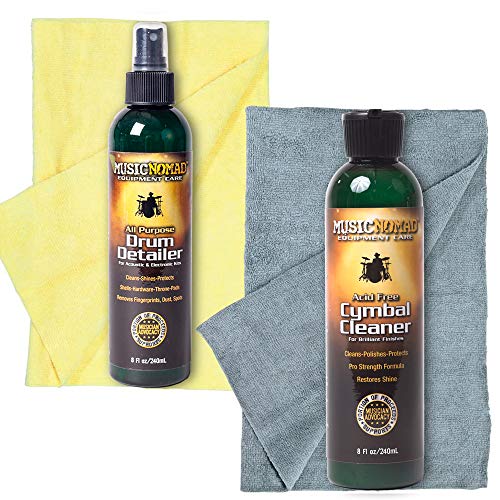
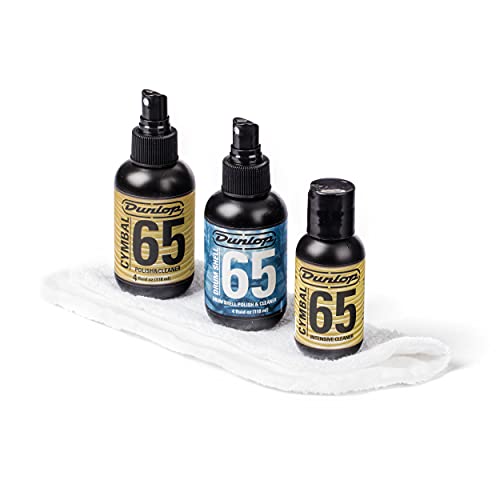
Before you begin the cleaning process, it’s important to collect the necessary supplies. Having the right tools at your disposal will make the task easier and more effective. Here’s what you’ll need:

– Microfiber Cloths: These are perfect for gentle dusting and polishing without scratching the surfaces.
– Drum Cleaner or Mild Soap Solution: For deeper cleaning, a specialized drum cleaner or a mild soap solution will help to remove stubborn stains and grime.
– Soft Brushes: Ideal for cleaning hardware and hard-to-reach areas, soft brushes can help clear out dust without damaging the components.
– Bucket of Warm Water: This can be used for diluting your cleaning solution when necessary.
– Towel: For drying surfaces after cleaning.
Remove Drumheads and Hardware


To effectively clean your drum kit, it is essential to access all areas of the drums. This begins with removing the drumheads and hardware:
– Carefully Take Off the Drumheads: Use a drum key to loosen the tension rods and lift off the drumheads gently. This will allow you to clean the interior of the shells, which often collects dust and dirt.
– Detach the Hardware: Remove any hardware, including lugs and tension rods, to ensure that you can clean these components thoroughly. Make sure to keep track of all parts to avoid losing them during the reassembly process.
Clean the Shells

Once the hardware and drumheads are removed, it’s time to clean the shells:
– Wipe Down the Exterior: Use a microfiber cloth to gently wipe down the exterior of the shells, removing dust and dirt. Pay attention to areas where grime may accumulate.
– Use a Mild Soap Solution for Sticky Spots: For any sticky spots or stains, a mild soap solution will suffice. Dampen a cloth with the solution, wipe the affected areas, and then dry the surface afterward to prevent water damage.
Top 7 Drum Kit Brands by Popularity (2024)
| # | Brand | Popularity Rating | Founded | Price Range |
|---|---|---|---|---|
| 1 | Pearl | ★★★★☆ | 1946 | $400-$2,500 |
| 2 | Gretsch | ★★★★☆ | 1883 | $700-$3,000 |
| 3 | DW Drums | ★★★★★ | 1972 | $900-$4,000 |
| 4 | Tama | ★★★★☆ | 1974 | $300-$2,000 |
| 5 | Ludwig | ★★★★★ | 1909 | $400-$3,500 |
| 6 | Mapex | ★★★★☆ | 1989 | $500-$2,500 |
| 7 | Sonor | ★★★★☆ | 1875 | $800-$3,500 |
Take Care of the Drumheads
Drumheads require special attention as they can be sensitive to harsh cleaning materials:
– Clean Drumheads Using a Damp Cloth: To remove dirt and grime from the drumheads, use a slightly damp microfiber cloth. Avoid soaking them, as excess moisture can damage the adhesive and the integrity of the drumhead.
– Avoid Harsh Chemicals: Stay away from strong chemicals or abrasive cleaners that could harm the coating on your drumheads. Instead, opt for gentle solutions specifically designed for drum care.
Polish the Hardware
The hardware of your drum kit can also accumulate dust and tarnish over time. Proper care will ensure that your kit looks polished and professional:
– Use a Soft Brush: A soft brush is ideal for cleaning lugs, tension rods, and other hardware components. Make sure to get into all the nooks and crannies where dirt can accumulate.
– Apply a Metal Polish if Necessary: If your hardware is particularly tarnished, consider applying a metal polish. Ensure that the polish is safe for your specific hardware finish to avoid damage.
Reassemble Your Drum Kit
Once everything is cleaned, it’s time to put your kit back together:
– Carefully Reattach the Hardware and Drumheads: Use your drum key to secure the tension rods and ensure that everything is tightened correctly. Be gentle to avoid stripping the threads.
– Tune Your Drums: After reassembly, spend some time tuning your drums. Proper tuning is essential for achieving optimal sound quality, especially after cleaning.
Regular Maintenance Tips
To keep your drum kit in prime condition, consider these regular maintenance tips:
– Establish a Regular Cleaning Routine: Aim to clean your drum kit at least once a month or more frequently if you play often. This will help prevent the buildup of grime and keep your kit sounding its best.
– Store Your Drum Kit in a Safe, Dust-Free Environment: When not in use, make sure your drum kit is stored in a place where it is protected from dust and humidity. A dedicated case can help protect your drums from environmental factors.
Best Cleaning Products for Drum Kits
| Feature | ⭐ Drum Cleaner Pro | Mild Soap Solution | DIY Vinegar Solution |
|---|---|---|---|
| Ease of Use | ✅ Spray & wipe | ✅ Mix & apply | ✅ Mix & apply |
| Effectiveness | ✅ Best-in-class | ✅ Good | ✅ Moderate |
| Price | $15 | $5 | $2 |
| Drumhead Safe | ✅ Yes | ✅ Yes | ✅ Yes |
| Residue-Free | ✅ Yes | ✅ Yes | ❌ No |
| Eco-Friendly | ✅ Yes | ✅ Yes | ✅ Yes |
| Recommended By Pros | ✅ Yes | ❌ No | ❌ No |
| User Reviews | ★★★★☆ | ★★★☆☆ | ★★☆☆☆ |
| 🏆 Best For | Professional Drummers | Budget Users | DIY Enthusiasts |
By following these steps, you’ll ensure your drum kit remains in excellent condition, both in appearance and sound. Regular maintenance not only enhances your playing experience but also prolongs the life of your kit. For best results, make cleaning a regular part of your drumming routine. Keeping your drum kit clean will not only make it look like new but also ensure that your sound remains crisp and clear, allowing you to express your musicality without any hindrance.
Frequently Asked Questions
What is the best way to clean a drum kit without damaging it?
The best way to clean a drum kit is to use a microfiber cloth and a gentle cleaner specifically designed for musical instruments. Start by wiping down the shells, rims, and hardware to remove dust and fingerprints, then use a specialized drum polish for added shine. Avoid using harsh chemicals or abrasive materials that could scratch the surfaces.
How often should I clean my drum kit?
You should clean your drum kit regularly, ideally after every few playing sessions or at least once a month, to maintain its appearance and sound quality. Frequent cleaning helps prevent the buildup of dirt and grime, which can affect the drum’s resonance and overall performance. For thorough maintenance, consider deep cleaning every 6 months.
Why is it important to clean my drum kit?
Cleaning your drum kit is essential to prolonging its lifespan and preserving its sound quality. Dust and debris can accumulate and interfere with the drumheads and hardware, leading to diminished performance and potential damage. Regular cleaning also keeps your drum kit looking professional and ready for performances.
Which products are recommended for cleaning drum heads?
To clean drum heads, it’s recommended to use a soft cloth or microfiber towel along with a mild soap solution or a dedicated drumhead cleaner. Avoid using any products that contain alcohol or solvents, as they can damage the drumhead material. Regularly cleaning the drumheads will help maintain their tonal qualities and extend their life.
How do I remove scratches from my drum kit?
To remove scratches from your drum kit, start by using a polishing compound specifically designed for wood or lacquer finishes, depending on your drum material. Apply a small amount to a soft cloth and gently buff the scratched area in a circular motion. For deeper scratches, consider consulting a professional or using specialized repair kits to ensure the best results without further damage.
References
- Drum kit
https://en.wikipedia.org/wiki/Drum_kit - https://www.britannica.com/art/drum-kit
https://www.britannica.com/art/drum-kit - Google Scholar Google Scholar
https://scholar.google.com/scholar?q=how+to+clean+a+drum+kit - Google Scholar Google Scholar
https://scholar.google.com/scholar?q=drum+kit+maintenance - Google Scholar Google Scholar
https://scholar.google.com/scholar?q=cleaning+drum+kit+guide - how to clean a drum kit – Search results
https://en.wikipedia.org/wiki/Special:Search?search=how+to+clean+a+drum+kit - https://www.ncbi.nlm.nih.gov/search/research-articles/?term=how+to+clean+a+drum+kit
https://www.ncbi.nlm.nih.gov/search/research-articles/?term=how+to+clean+a+drum+kit
