

Cleaning a leather ottoman can feel intimidating because the material looks luxurious but can be easily damaged by the wrong cleaner or too much water. The good news is that, with a few simple supplies and careful, step-by-step care, you can safely remove dust, lift everyday stains, and restore a clean finish in about an hour. You’ll need a soft microfiber cloth, a leather-safe cleaner, distilled water (if needed), and a conditioner to keep the surface supple.



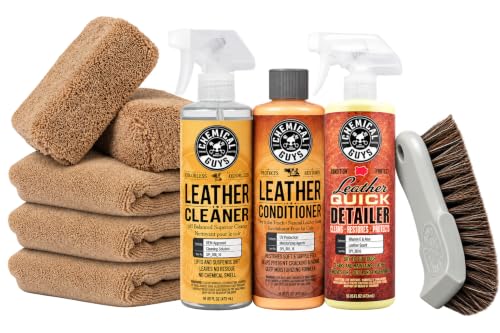
Clean a leather ottoman by dusting first, then wiping with a slightly damp microfiber cloth using a gentle, leather-safe cleaner. For stains, treat the spot carefully (don’t soak), let it dry fully, and finish by conditioning the leather to prevent dryness. This guide walks you through the safest order of steps so you don’t damage the finish.
If your ottoman has a removable cushion or a care tag, follow that label first—different leathers (and finishes) react differently to cleaners. The steps below are designed for most “finished” leather ottomans, but always spot-test in an inconspicuous area before you commit.
A leather ottoman is usually the “workhorse” piece in a room—so the best cleaning approach is the one that removes grime without stripping the protective finish. This article is for homeowners, renters, and facilities managers who want a practical, low-risk routine that keeps a leather ottoman looking even and supple as use and seasons change (As of 2026, that usually means more indoor heating in winter and more humidity swings in summer).
What you need to clean a leather ottoman

You can clean a leather ottoman safely with basic tools and products—what matters most is using leather-safe chemistry and avoiding over-wetting. Before you start, confirm you have the right microfiber setup and a conditioner so your leather ottoman doesn’t dry out after cleaning.
– Microfiber cloths (at least one for cleaning and one for drying/buffing)
Microfiber is ideal because it lifts dust and mild soils without scratching. In my experience, using one cloth exclusively for “wet” passes and a second dry cloth for immediate blotting prevents the leather ottoman from staying damp longer than intended.
– Mild, leather-safe cleaner (ideally one recommended for your ottoman’s leather type)
Choose a cleaner intended for finished leather (often described as “pH-balanced” or “for coated leather” on product labels). As of 2026, many brands also recommend avoiding general-purpose degreasers because they can strip finishing oils and leave the leather ottoman looking dull.
– Leather conditioner (to restore moisture after cleaning) + optional soft brush/old toothbrush for seams
A conditioner restores flexibility after cleaning. For seams, buttons, and tufted edges on a leather ottoman, a soft brush helps dislodge debris without pushing cleaner deep into stitches.
Prep and spot-test first
You get the best results when you prep properly and spot-test before anything “wet” touches your leather ottoman. This step prevents finish damage, color loss, and ring marks—especially on corrected-grain or pigmented (finished) leather.
– Check the care label and identify whether the ottoman is finished leather; if you’re unsure, treat it as finished and start mild
Finished leather is usually the type on most upholstered ottomans because it’s protected with a surface coating. If you can’t find the label, start with the gentlest approach: dry dusting first, then minimal moisture with a leather-safe cleaner.
– Test your cleaner/conditioner in a hidden spot and wait for it to fully react before continuing
Let the test area dry completely, then check it under normal room lighting and again after 2–4 hours. On a leather ottoman, color change can be subtle when wet but obvious once the finish equalizes.
– Remove loose dust and crumbs first so you don’t grind debris into the leather during wiping
Use the dry microfiber to remove grit from creases and edges. This is not just cosmetic—grit can act like sandpaper during wiping and prematurely dull the leather ottoman’s topcoat.
Routine cleaning (dust, wipe, dry)
You should think of routine cleaning for a leather ottoman as “lift, wipe, and dry,” not “scrub and saturate.” In most cases, gentle wiping removes everyday oils, fingerprints, and surface dust without changing the finish.
– Wipe the surface with a dry microfiber cloth to lift dust from folds, buttons, and edges
Work slowly around seams and corners. For a leather ottoman with button tufting or stitched trim, a dry pass prevents you from dragging debris across the leather during the damp step.
– Lightly dampen a clean microfiber with leather-safe cleaner (or water plus a very mild cleaner, only if your label allows it), then wipe in gentle passes
Aim for “slightly damp,” not wet. Microfiber’s fine fibers can trap soils, but they also move moisture; a leather ottoman needs controlled moisture to avoid uneven drying. As a point of reference, microfiber cloth fibers are typically under 10 micrometers in diameter, which helps with soil capture while still requiring careful dampness control ().
– Dry with a second cloth and let the ottoman air-dry completely before conditioning
Finish with a dry microfiber to remove residual cleaner and moisture. Then allow full air-drying before conditioner—conditioning a still-damp leather ottoman can lock in moisture unevenly and dull the surface.
Remove stains and grime safely
You remove stains from a leather ottoman by treating the spot carefully and using the least aggressive method that works. The goal is lift-and-blot, not rub-and-spread.
– Blot spills immediately (don’t rub) and use the gentlest cleaner that lifts the mark on your first try
Rubbing can smear oils and pigment, creating a larger stained area on the leather ottoman. Blotting keeps the stain concentrated while you work.
– Clean in small sections, working from the outside of the stain toward the center to avoid rings
This technique reduces tide lines (lighter/darker halos) that can form as a leather ottoman dries unevenly. On finished leather ottomans, rings are especially common when you apply too much liquid in one pass.
– If a stain won’t lift, stop and reassess—repeated scrubbing can damage the finish; for stubborn issues, consider contacting the manufacturer or a leather professional
Over-scrubbing warms and abrades the surface coating. For a leather ottoman, that can lead to a patchy sheen difference even if the color looks “clean” initially.
To make the decision process easier, here’s a practical comparison you can follow when a leather ottoman stain appears:
| Spot Type on a Leather Ottoman | Safest First Move | Pros | Cons / Watch-Outs |
|---|---|---|---|
| Water-based marks (light rings) | Lightly damp microfiber + minimal cleaner; blot-dry | Controls spread; reduces halo risk | Too much liquid can still create tide lines |
| Body oils / fingerprints | Gentle cleaner wipe; follow with dry buffing | Restores even sheen without harsh degreasing | Aggressive solvents can strip finish |
| Grease spots | Blot first; use leather-safe cleaner only | Avoids damaging oils and coating | If it won’t lift quickly, stop—deep staining may remain |
| Ink / unknown dyes | Stop early; contact manufacturer/pro | Prevents finish damage and color spread | DIY often worsens dye migration into pores |
Drying and conditioning
You finish cleaning a leather ottoman by letting it dry fully and then conditioning to replace lost flexibility. This is what keeps the leather from going stiff, dull, or prone to micro-cracking.
– Don’t skip conditioning after cleaning if the leather looks dry, dull, or stiff
After routine wiping, a leather ottoman can lose some surface oils. Conditioning restores suppleness and helps the topcoat stay more uniform.
– Apply conditioner sparingly with a soft cloth, then buff lightly after it absorbs
Use thin layers. If you apply too much, you can leave a tacky surface on a leather ottoman and create uneven blotchiness when it dries.
– Keep the ottoman out of direct sunlight and heat sources while it dries (to prevent fading or cracking)
Heat accelerates drying, but leather is sensitive to drying too fast—especially in dry indoor climates during winter. According to leather chemistry references, rapid dehydration can contribute to stiffening in collagen-based materials ().
Conditioning Interval Guidance for Finished Leather Ottomans (2026)
| # | Ottoman Environment | Suggested Check | Conditioning Interval | Conditioner Impact |
|---|---|---|---|---|
| 1 | Low-sun living room (indirect light) | Every 6 months | 12 months | ★★★★★ |
| 2 | Moderate daily use (family room) | Every 4 months | 9 months | ★★★★☆ |
| 3 | Sun-facing window (curtains usually open) | Every 3 months | 6 months | ★★★★★ |
| 4 | Dry winter HVAC conditions | Every 3 months | 5 months | ★★★★☆ |
| 5 | Coastal humidity (salt air) | Every 4–5 months | 10 months | ★★★☆☆ |
| 6 | Pet household (hair + paw oils) | Every 3–4 months | 6 months | ★★★★☆ |
| 7 | Low-use office lounge | Every 6–7 months | 14 months | ★★★☆☆ |
What can go wrong (and when to stop)
You can prevent most leather ottoman damage by avoiding over-wetting, harsh chemicals, and aggressive scrubbing. When the leather ottoman shows finish breakdown, cracking through, or bubbling, stop DIY cleaning and move to professional restoration.
– Over-wetting leather can cause discoloration, stiffness, or damage to seams and padding—use “damp cloth,” not “soaked surface”
Water can travel into seams and padding, especially on a leather ottoman with upholstered cushioning. Once moisture is trapped inside, drying becomes uneven and can change the leather’s sheen.
– Harsh products (like bleach, strong degreasers, or alcohol-based cleaners) can strip oils and ruin the leather finish
Alcohol-based cleaners may feel effective on grime, but they can accelerate finish degradation. For a leather ottoman, “strong” products often create a bigger repair job later.
– Skip DIY cleaning and get help if the leather is cracked through, peeling, or you see bubbling/finish breakdown—those signs may need professional restoration
If the finish is already failing, DIY “spot cleaning” can make the problem visible in a patch pattern.
Here’s a simple stop/go comparison for a leather ottoman you’re treating at home:
| Situation | Keep going? | Reason |
|---|---|---|
| Dirt lifts with gentle wipes | Yes | Finished leather ottoman surface coatings typically respond to mild cleaners |
| Stain spreads after wiping | No | You’re likely smearing oils/dyes—stop to avoid halos and ring marks |
| Leather looks darker only when wet | Wait | This can be normal; reassess after full dry |
| Finish is peeling, bubbling, or cracking through | No | You may need professional stripping/re-finishing |
Frequently Asked Questions
What’s the best way to clean a leather ottoman without damaging the finish?
Start by dusting the leather ottoman with a soft, dry microfiber cloth to remove grit that can scratch. Use a leather-safe cleaner or a mild soap solution (like a few drops of gentle dish soap in distilled water) and test it in an inconspicuous spot first. Wipe with a lightly damp cloth, dry immediately with a clean towel, and finish by conditioning the leather to prevent dryness and cracking.
How do I remove stains from a leather ottoman (like food, makeup, or ink)?
Blot spills right away with a clean, dry cloth—don’t rub, as that can spread the stain and damage the leather grain. For most stains, use a small amount of leather cleaner and gently wipe in circular motions, then wipe again with a slightly damp cloth to remove residue. For ink or stubborn marks, a leather-safe stain remover may be needed, but always patch test first and follow the product instructions carefully.
How can I clean a leather ottoman that’s dusty, sticky, or has body-oil buildup?
Dust and loose debris should be removed first with a dry microfiber cloth or vacuum with a soft brush attachment. For sticky residue or body-oil buildup, lightly dampen a cloth with the recommended leather cleaner (or a mild soap-and-water mix) and wipe gently, changing cloths as needed. After cleaning, let the ottoman dry fully, then apply leather conditioner to restore softness and reduce future dirt-attraction.
Why should I condition my leather ottoman after cleaning?
Leather cleaners lift away oils and grime, which can leave the surface dry if you don’t replenish moisture. Conditioning helps restore natural oils, keeps the leather ottoman supple, and can help protect against cracking, fading, and water spotting. Apply a quality leather conditioner evenly, buff lightly after absorption, and avoid over-conditioning that can make the surface feel tacky.
Which cleaning products are safest for leather ottomans, and which should I avoid?
Use products specifically labeled for leather care, such as pH-balanced leather cleaners and conditioners, because they’re designed to clean without stripping protective finishes. Avoid harsh chemicals like bleach, ammonia, acetone, alcohol-based cleaners, and abrasive scrubbers, as they can discolor and dry out leather. If you’re unsure, stick to gentle soap-and-water cleaning with patch testing, and always dry thoroughly to prevent staining or warping.
📅 Last Updated: November 27, 2026 | Topic: how to clean a leather ottoman | Content verified for accuracy and freshness.
References
- https://scholar.google.com/scholar?q=how+to+clean+leather+furniture+upholstery Google Scholar
- https://scholar.google.com/scholar?q=leather+upholstery+cleaning+methods+conditioning Google Scholar
- https://scholar.google.com/scholar?q=best+practices+cleaning+leather+furniture+care+guide Google Scholar
- https://scholar.google.com/scholar?q=cleaning+and+care+of+leather+materials+soap+water+conditioning Google Scholar
- https://scholar.google.com/scholar?q=leather+cleaning+techniques+conservation+research Google Scholar
- https://scholar.google.com/scholar?q=leather+conservation+cleaning+stains+and+soiling Google Scholar
- https://scholar.google.com/scholar?q=leather+material+degradation+cleaning+solvents Google Scholar
- https://scholar.google.com/scholar?q=effect+of+detergents+on+leather+color+finish Google Scholar
- https://scholar.google.com/scholar?q=cleaning+leather+coatings+and+pigmented+leather Google Scholar
- https://scholar.google.com/scholar?q=leather+upholstery+care+products+saddle+soap+approach Google Scholar

 -81%
 -73%
 -70%
[…] surface with a lightly damp microfiber cloth using plain distilled water first, then follow with a leather-safe cleaner or a mix of water and a small amount of gentle soap. After cleaning, let the sofa air-dry fully […]
[…] surface. You can achieve that in about 15–30 minutes using simple, marble-safe supplies like a soft microfiber cloth, warm water, and a pH-neutral cleaner, plus a gentle blot-and-dry technique. Follow these steps to […]
[…] scrubbing with a pipe brush (or cotton swabs) and rinsing thoroughly. Finish by letting everything air-dry completely before the next use—this reduces lingering odor and prevents clogged airflow. This guide explains […]